
Vintage Asian Rug
A vintage asian rug brings the rich textile heritage of Central Asia and Tibet into domestic spaces through enduring tribal craftsmanship.
Vintage Asian Rug
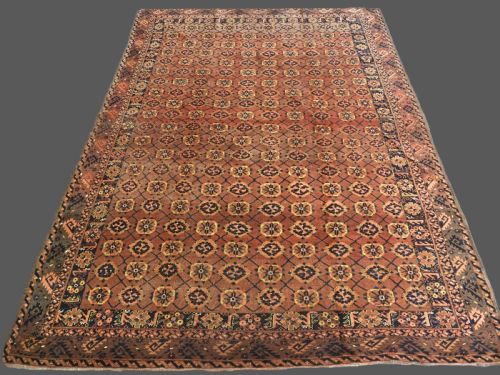
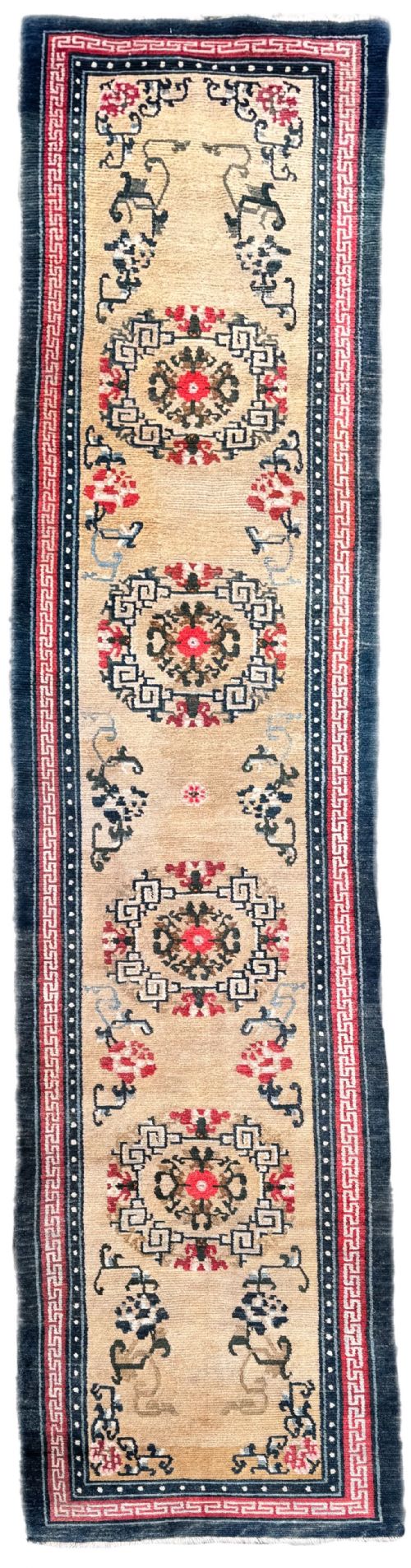
A vintage asian rug encompasses tribal carpets, ceremonial covers, and embroidered wall hangings originating from regions such as Turkmenistan, Uzbekistan, and Tibet. These woven and stitched textiles reflect distinct nomadic traditions spanning from the mid nineteenth century through the early decades of the twentieth century.
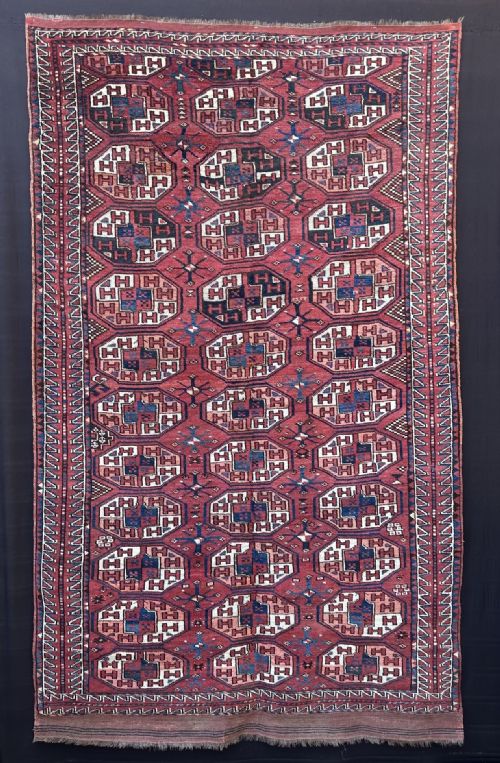
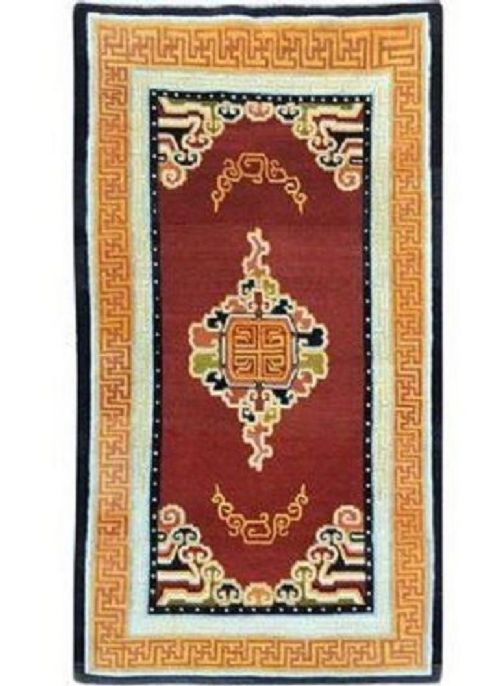
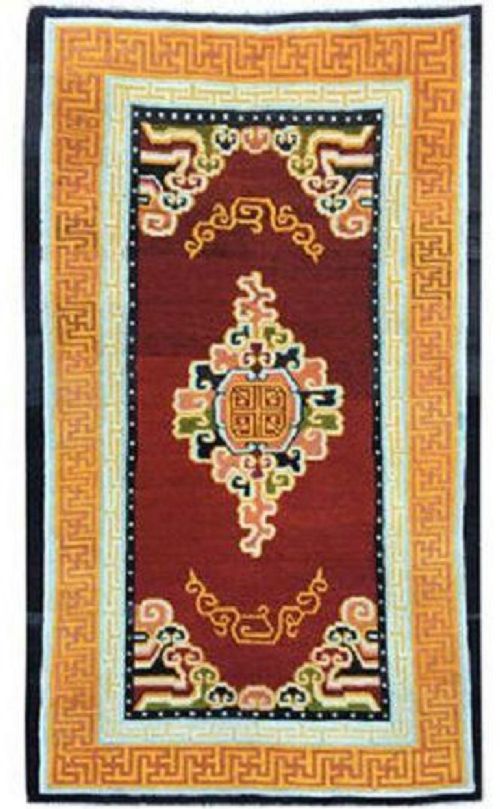
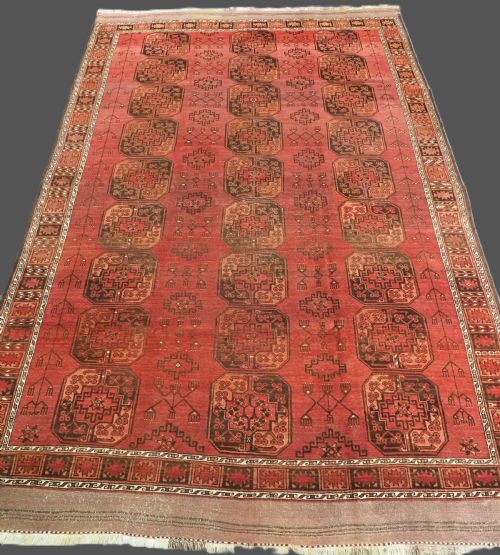
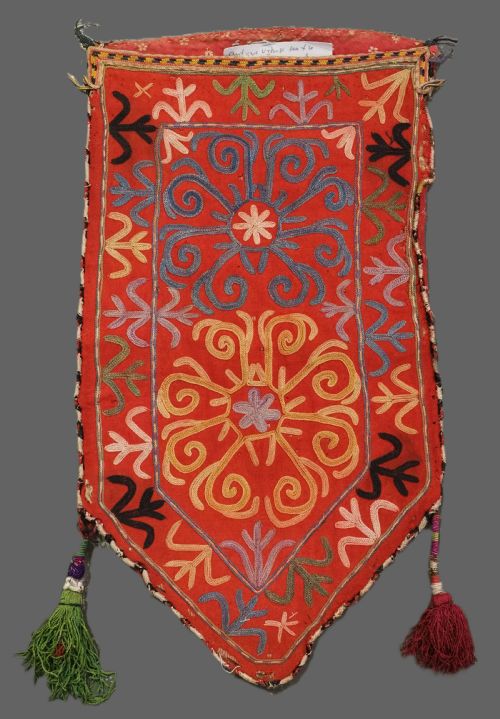
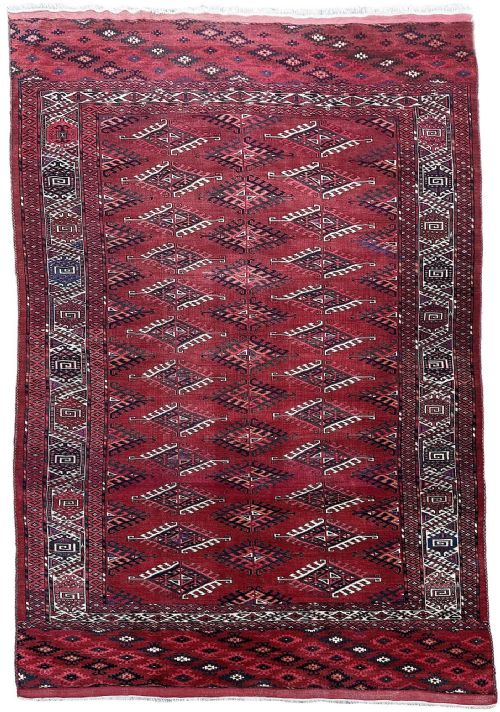
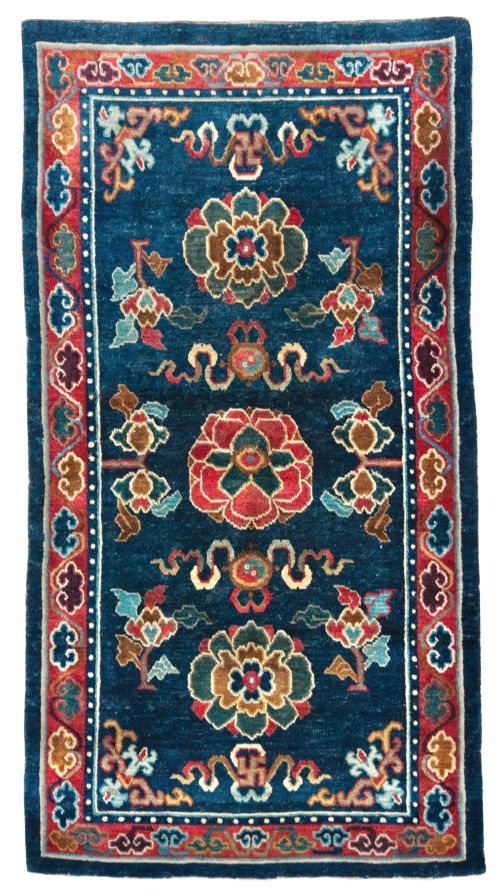
The selections encountered on this page frequently include Turkmen main carpets, Yomut asmalyks, Uzbek suzanis, and Tibetan khaden rugs. Buyers often select these pieces to anchor a room with geometric motifs or introduce detailed embroidery to domestic interiors.
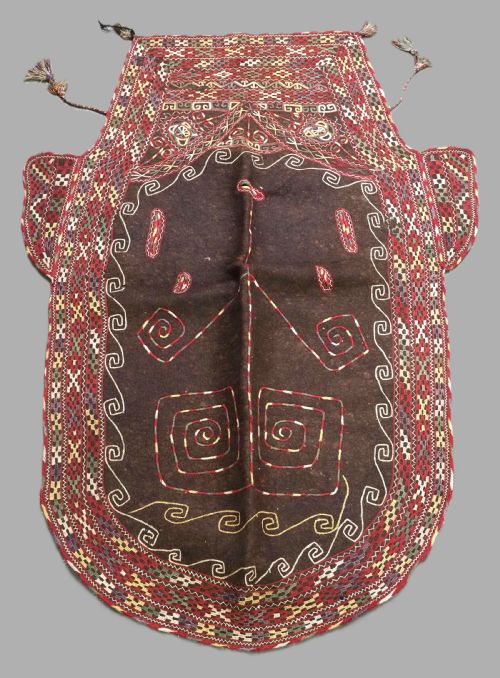
The scope includes functional floor coverings alongside specialised items such as tent door rugs, saddle covers, and dowry hangings. Each piece records the specific aesthetic vocabulary of tribal groups including the Ersari, Teke, and Lakai.
Materials and construction
Makers relied primarily on hand-spun wool, cotton, and silk, frequently integrated with natural dyes to achieve deep red, indigo, and earth-toned palettes. Foundation structures and pile yarns demonstrate durable hand-knotting techniques suited to nomadic life.
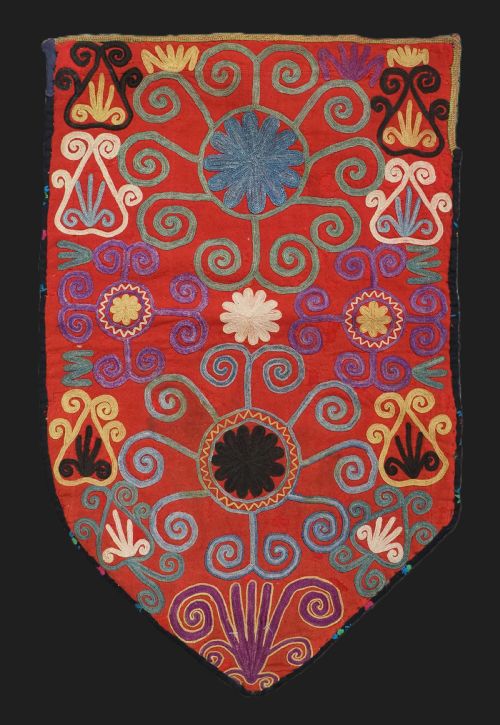
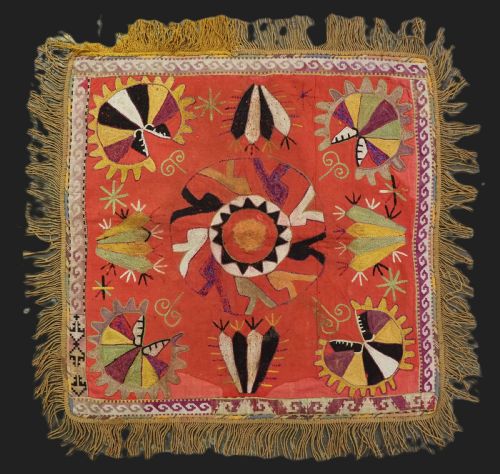
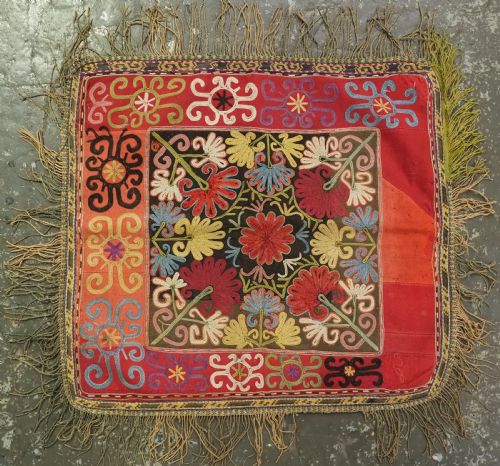
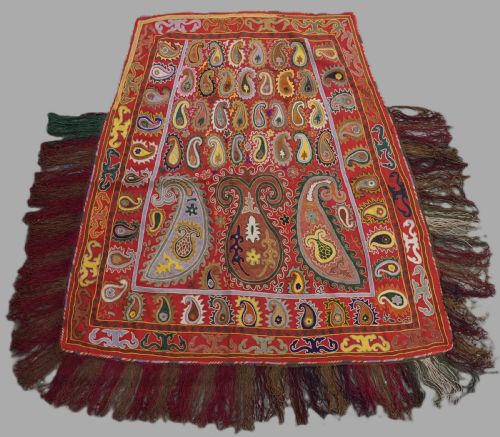
Embroidered panels utilise silk thread stitched onto cotton or wool grounds, alongside distinctive applications of felted wool. Textile makers also incorporated original tassels and applied borders to complete the edges of ceremonial horse blankets and domestic wall hangings.
Listings feature textiles spanning the mid nineteenth century through the early twentieth century, incorporating wool, silk, and felted wool.
Markers of distinction
Quality emerges through the density of the weave, the clarity of tribal motifs, and the depth achieved by natural dye systems. Superior examples maintain structural integrity across the foundation while displaying confident, balanced field compositions.
Artisanal execution distinguishes finer suzanis and tribal trappings, where precise needlework and purposeful colour saturation elevate standard domestic objects. The preservation of original borders, tassels, and selvedges contributes significantly to the standing of a textile.
The Vintage Asian Rug Glossary
- Suzani
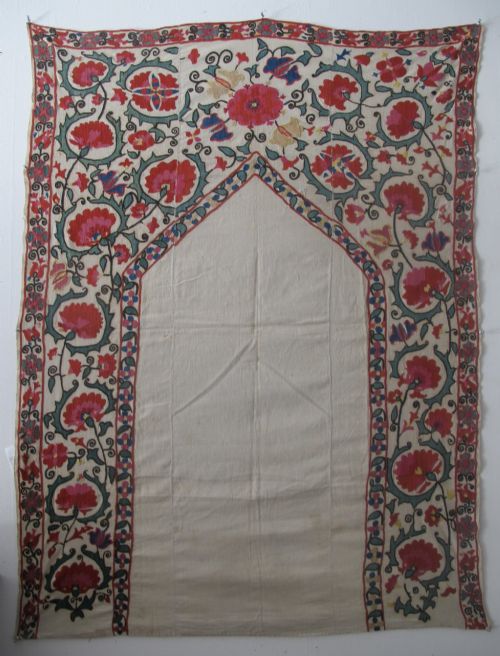
- An embroidered textile panel produced in Uzbekistan, traditionally worked in silk thread on a cotton or linen ground as part of a dowry. These pieces frequently feature floral roundels and architectural motifs.
- Asmalyk
- A pentagonal or hexagonal ornamental trapping made by Yomut tribes, historically hung on the flanks of a wedding camel. They display characteristic geometric guls and stepped border designs.
- Gul
- A repeating medallion or octagonal motif central to Turkmen carpet design. Each tribal group utilises distinct variations to signify lineage and origin.
- Khaden
- A traditional Tibetan sleeping or seating rug, typically smaller in format. These pieces utilise wool pile and often feature symbolic Buddhist iconography or simple geometric arrangements.
- Uut Kap
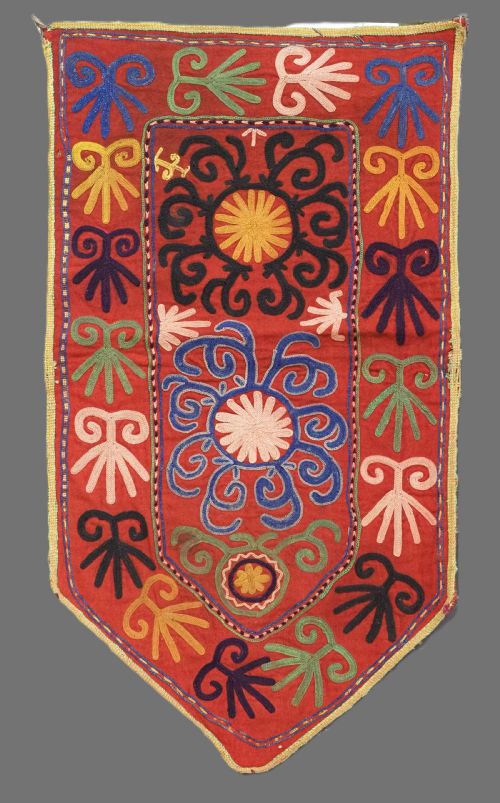
- A small storage bag or hanging produced by Central Asian tribes, frequently embellished with intricate embroidery or piled wool surfaces. They served both utilitarian and decorative functions within the yurt.
Vintage Asian Rug: Frequently Asked Questions
How were these rugs used originally?
Nomadic and village communities utilised these textiles for ground cover inside dwellings, bedding, and horse trappings for ceremonial processions. Many pieces also served as dowry items created by brides to mark significant life events.
Larger carpets anchored the living space of the yurt, while smaller bags and covers stored household possessions or decorated tent interiors.
How do I care for a vintage rug?
Regular gentle vacuuming without a beater bar removes surface dust safely from wool pile surfaces. Professional textile cleaning is recommended for addressing deeper maintenance needs.
Protecting the textile from direct sunlight prevents natural dyes from fading over extended periods of display.
What is a suzani used for?
Suzanis functioned primarily as wall hangings, decorative covers, and ceremonial textiles within Central Asian households. Families displayed them during weddings and other significant celebrations.
Today, collectors mount them on walls or drape them across furniture to showcase the intricate embroidery.
How do I identify tribal designs?
Tribal designs are identified by recurring structural motifs, palette choices, and specific medallion shapes known as guls. Groups such as the Yomut, Ersari, and Teke each maintained distinct visual traditions.
Comparing border patterns and secondary ornaments helps assign a piece to a specific region or group across Central Asia.