


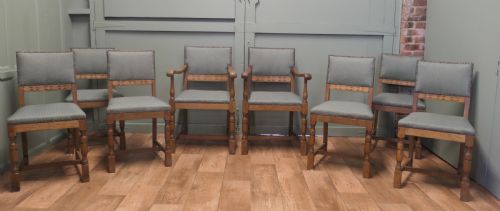

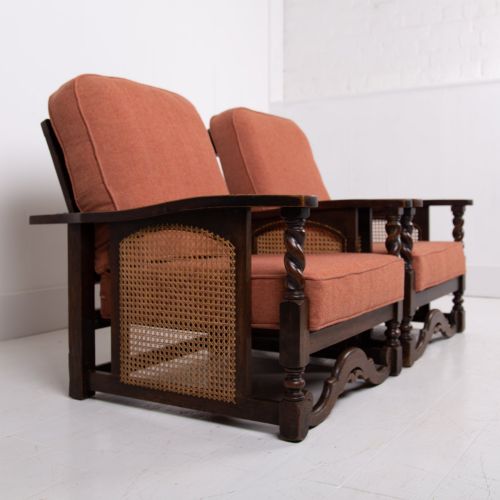
Vintage Arts and Crafts Chair
These vintage arts and crafts chair examples bring robust vernacular honesty and straightforward construction into modern rooms.
Vintage Arts and Crafts Chair
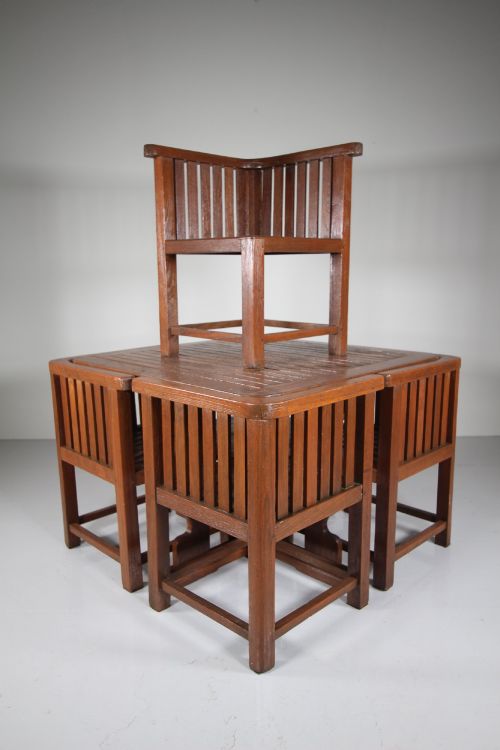
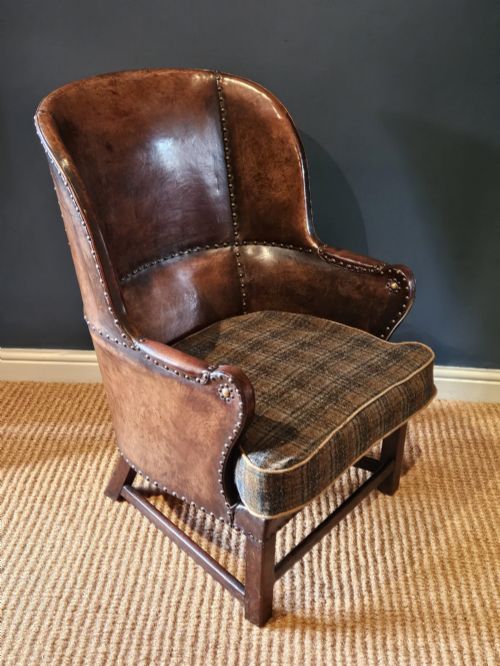
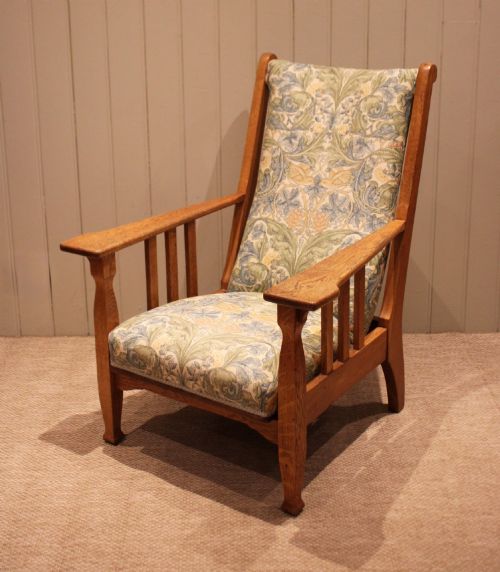
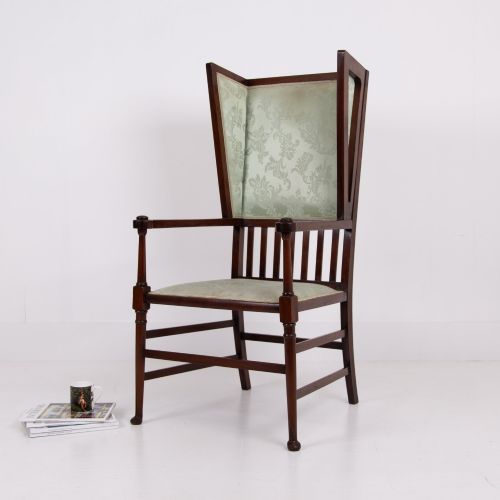
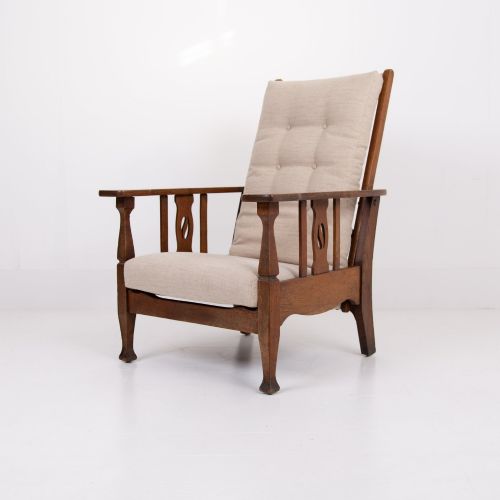
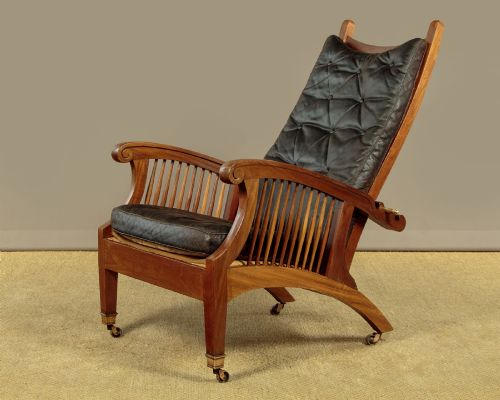
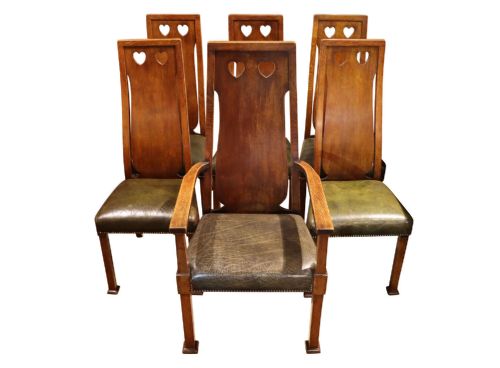
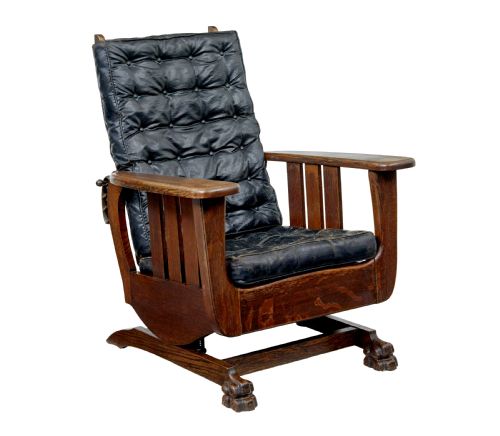
A vintage arts and crafts chair embodies the late nineteenth and early twentieth century turn away from factory mass production towards honest, functional design. When you search for this phrase, you encounter everything from sturdy oak dining sets to reclining armchairs, library steps, and low fireside seats.
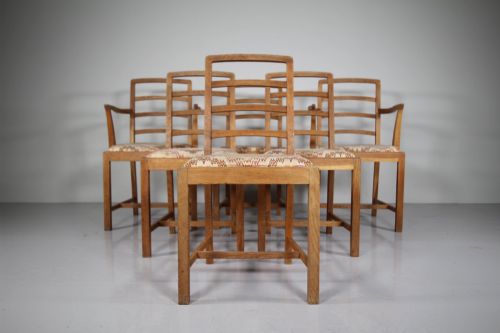
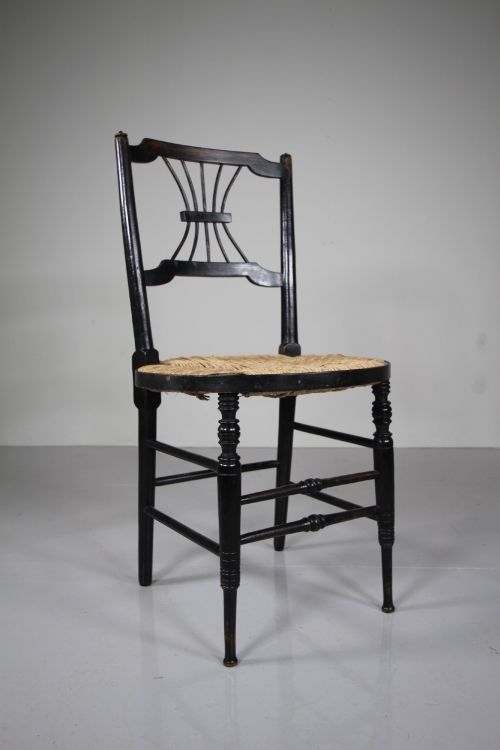
The versions you meet most frequently on this page date from the Edwardian period up to the 1930s, constructed predominantly in solid oak with exposed joinery. They range from humble rush-seated rush chairs made for simple interiors to sophisticated high-backed library and salon seating.
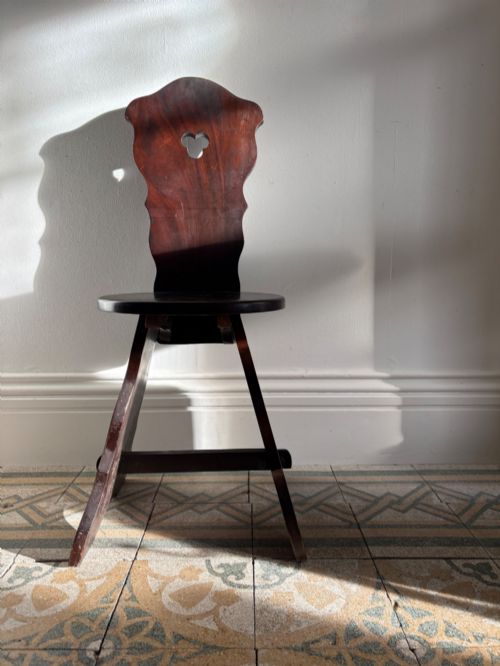
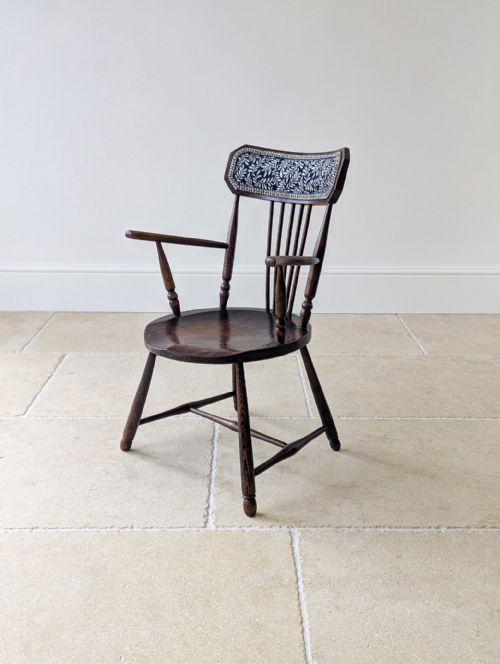
Regional variations also appear, including Scottish vernacular designs and Lancashire-inspired ladder-backs alongside London retail pieces. Each type prioritises utility and structural clarity over ornamental excess.
How they were made
Craftsmen built these chairs using solid timber frames, relying heavily on oak, pitch pine, and occasionally walnut or mahogany. Traditional joinery methods such as mortise and tenon joints kept structures rigid without needing hidden metal fasteners.
Seats utilised woven rush, handwoven cane, or padded leather and fabric upholstery fixed with brass tacks. Wood surfaces received simple wax or oil finishes to highlight the natural grain rather than heavy dark varnishes.
Vintage Arts and Crafts Chair Retail Price Guide 2026
Typical asking prices for vintage arts and crafts chair among the pieces listed under this phrase on Sellingantiques today, from the lower quarter to the upper quarter. They describe what is for sale here now, not the wider market.
Listings feature oak, leather, rush, and cane across Edwardian and Victorian dining chairs, armchairs, and library steps.
What varies in quality
Quality rests primarily on the integrity of the timber selection and the precision of the underlying joinery. Superior pieces display carefully chosen quartersawn oak with prominent medullary rays, while lesser examples use plain sawn timber.
The distinction also lies in authorship and provenance, separating workshop pieces stamped by known makers from unassigned vernacular furniture. Original upholstery materials and surviving rush or cane work elevate the standing of a piece considerably.
Heals of London·Philip Webb·Goodyers London·William Morris·Edward Barnsley·Dryad of Leicester·J Herbert McNair
The Vintage Arts and Crafts Chair Glossary
- Rush seat
- A traditional seating surface woven from dried marsh rushes twisted into cords. This technique provides a resilient, natural finish common on vernacular and Morris-style chairs.
- Quartersawn oak
- Timber cut radially from the log rather than tangibly across, producing distinctive figuring known as silver grain. Makers favoured this cut for stability and decorative impact.
- Metamorphic chair
- A dual-purpose piece of furniture designed to transform, most commonly converting from an armchair into a set of library steps. These clever mechanisms combined utility with domestic economy.
- Glastonbury chair
- A distinctive medieval revival armchair pattern featuring intersecting diagonal legs and a sloping panel back. This form saw renewed popularity during the Gothic Revival and Arts and Crafts movements.
- Orkney chair
- A traditional regional armchair featuring a low wooden frame with a high woven straw back. Makers constructed these using oat straw stitched with split brier.
Vintage Arts and Crafts Chair: Frequently Asked Questions
How do I identify a genuine period piece?
Examine the construction methods underneath and behind the frame for hand-cut joints and pegged tenons rather than modern screws. Look for natural wear patinas on the timber that match the expected Edwardian or late Victorian timeline.
Check for maker stamps, retailer labels, or branded marks which often appear on the underside of the rails or inside the seat frame.
Were these chairs meant for dining or relaxing?
They served both purposes because makers produced specialised forms for every domestic need, ranging from upright kitchen and dining sets to low fireside loungers. Reclining armchairs and adjustable library chairs catered specifically to leisure and study.
Vernacular side chairs suited hallways and bedrooms, while heavier armchairs anchored studies and drawing rooms.
How should I care for rush and cane seats?
Keep natural rush and cane seats away from direct heat sources and excessive moisture to prevent the organic fibres from becoming brittle. Dust them gently with a soft brush and occasionally wipe cane with a damp cloth to maintain flexibility.
Avoid sitting on weakened rush without professional repair, as broken strands tend to unravel quickly under pressure.
What is the difference between Arts and Crafts and Gothic Revival?
Gothic Revival furniture draws heavily on medieval ecclesiastical architecture, featuring pointed arches, trefoils, and heavy architectural tracery. Arts and Crafts design strips away much of this overt church symbolism to focus on plain surfaces and visible construction.
Both movements valued historical craftsmanship, but Arts and Crafts pieces generally emphasise the utility of the material over stylistic imitation.