
Vintage Artist Portrait
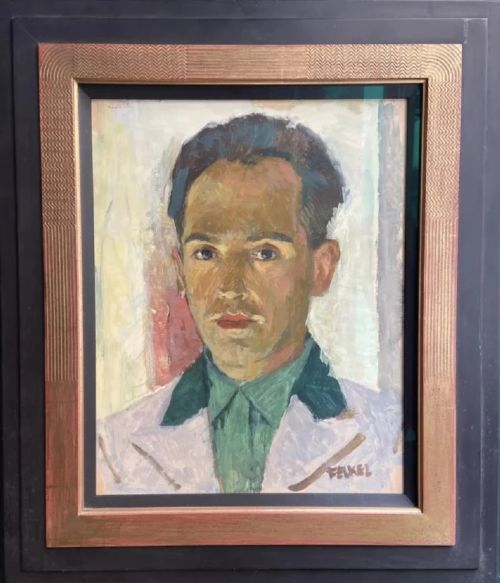
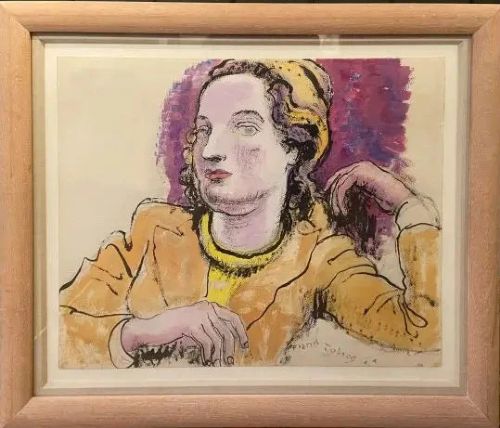
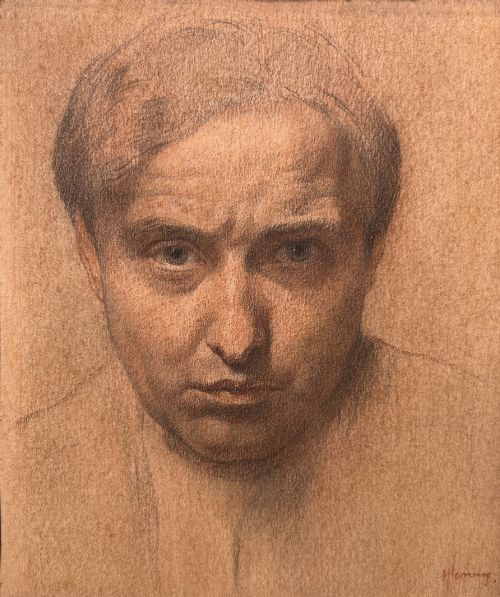
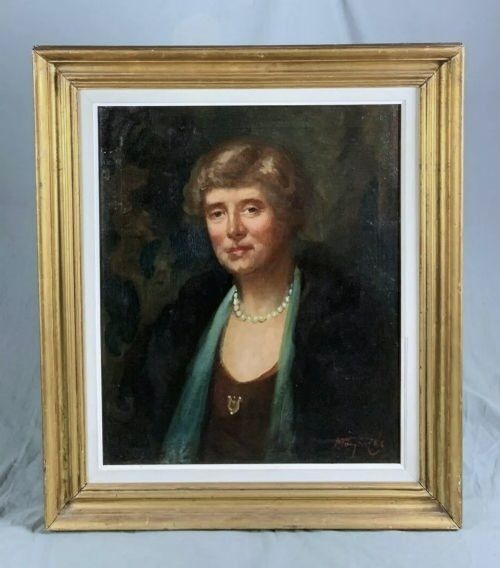
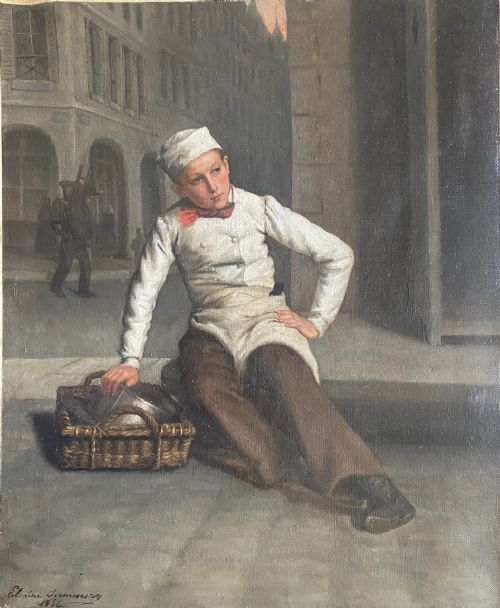
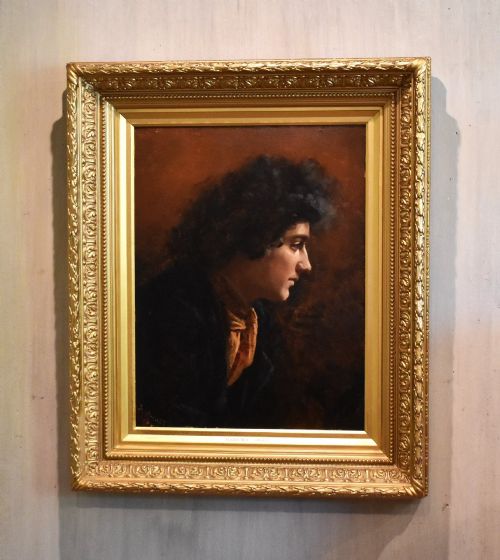
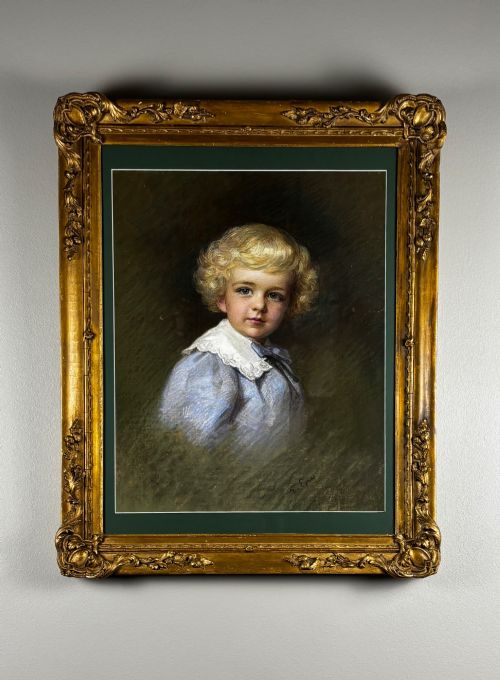
Vintage artist portrait pieces capture the creative spirit through paintings, drawings, and miniatures dating from the nineteenth to the mid-twentieth century.
Vintage Artist Portrait
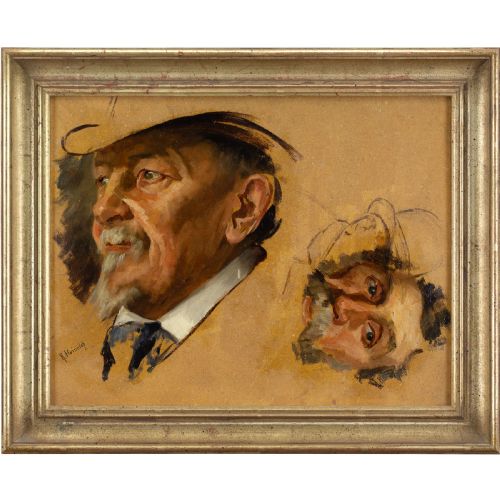
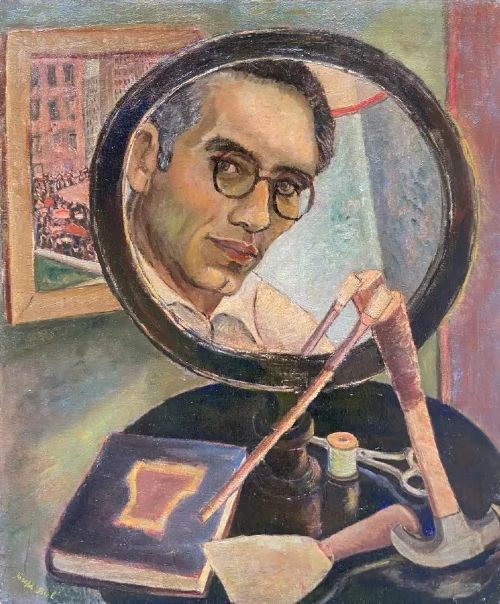
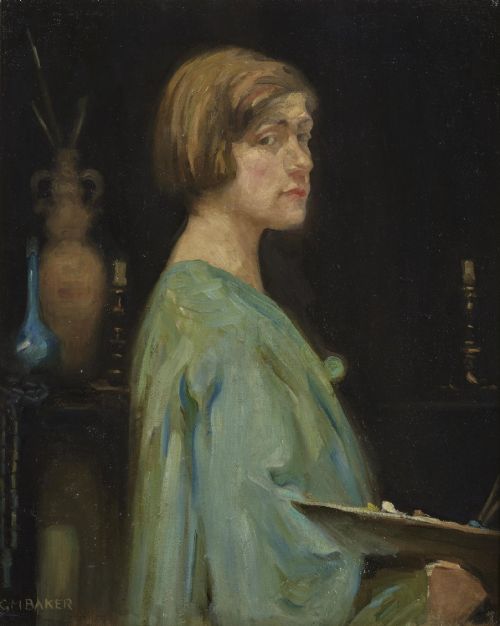
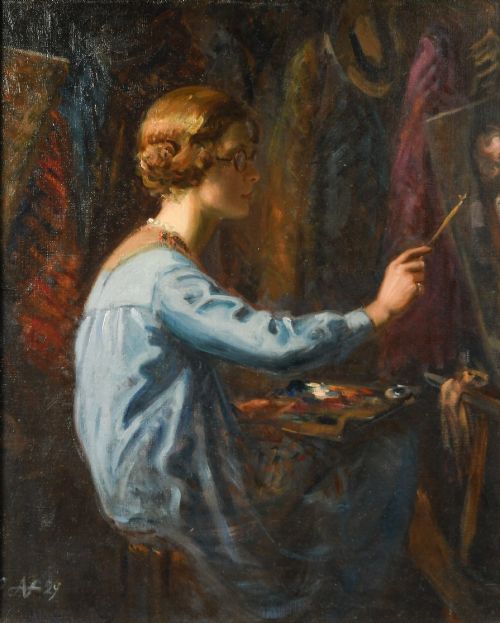
When you search for a vintage artist portrait, you encounter original artworks that depict painters, sculptors, and creators often engaged in their studios or recording their own likenesses. The selection spans oil paintings, watercolours, pastels, and engravings created during periods ranging from the Victorian era through the Edwardian years and into the 1920s, 1930s, and 1950s.
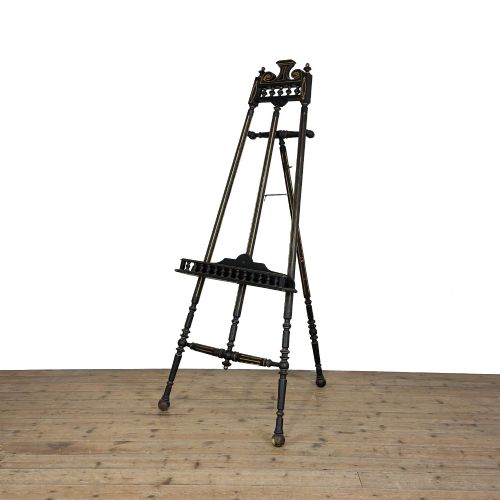
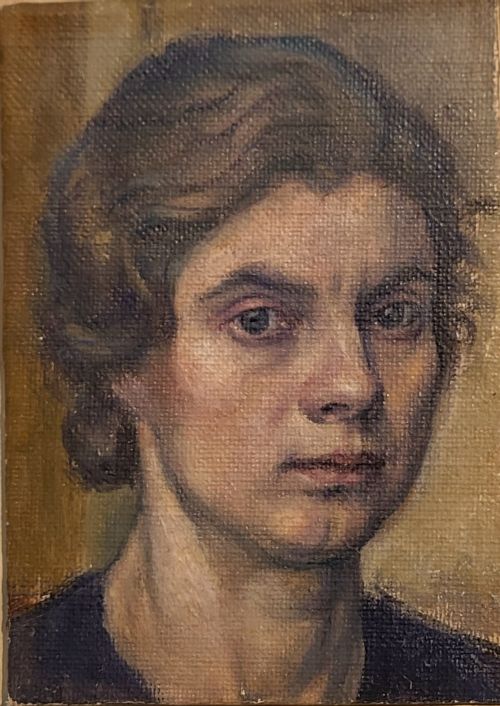
Self-portraits featuring tools such as paint palettes, easels, and mirrors dominate this category, alongside studies of studio assistants, models, and fellow creators. These works reflect the stylistic movements of their times, encompassing Academic Realism, Modern British painting, and Art Deco sensibilities.
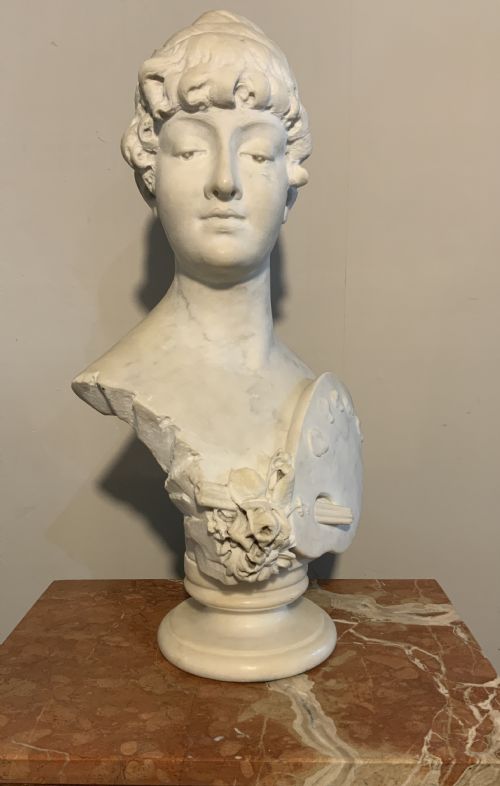
The assortment includes large canvas works alongside intimate hand-painted portrait miniatures on delicate supports. Buyers frequently find pieces tied to specific academies and schools, offering a direct window into historical studio life.
Materials and construction
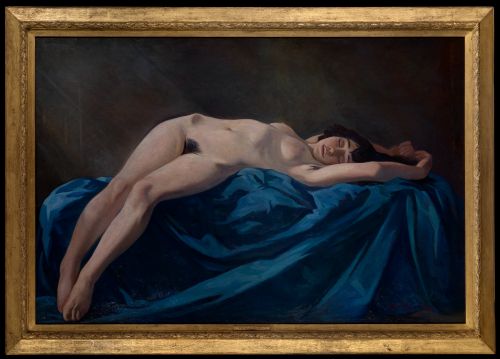
The works rely primarily on oil paint applied to canvas, board, or wood panels, capturing rich textures and layered tones. Watercolours and pastels on paper appear alongside detailed mezzotint engravings, demonstrating the varied graphic techniques employed by period makers.
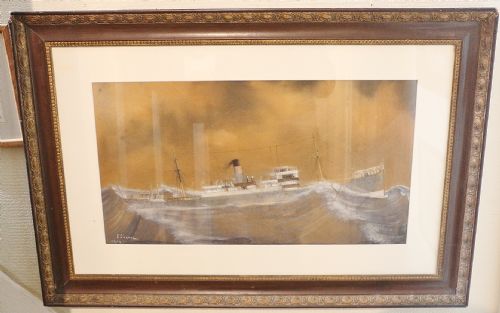
Framed presentation is integral to these pieces, often utilising period timber frames that complement the painted surface. Some portraits incorporate glass to protect delicate works on paper and miniatures.
A Victorian dog occasionally steals the show from human sitters.
Assessing quality and execution
Quality rests upon the confidence of the brushwork and the psychological depth of the sitter's representation. Works that successfully capture the immediate atmosphere of the studio or the introspective gaze of the creator stand apart from standard academic exercises.
The preservation of the pigment layer and the originality of the backing support influence the standing of a piece. Finer examples maintain their original framing and surface tension without extensive intervention.
Robert Heinrich·Eric Robertson·Carl Felkel·Frank Dobson·Joseph Biel·Gladys Marguerite Baker·Herbert Johnson Harvey·Charles James McCall·Florence Small·Emily Eyres·Philip Naviasky·Michael Healy·Sydney Wilson·Alexandre Louis Martin·Arthur Wardle·Allan Douglas Davidson·Ferruccio Vitale·Susie Lassam·Ronald Ossory Dunlop·Edwin Marsh·Peter Jackson
The Vintage Artist Portrait Glossary
- Oil on Canvas
- Pigment mixed with drying oil applied to a stretched fabric support. This technique allows for rich blending and textured impasto application.
- Artist Proof
- An impression of a print taken before the final edition is approved, retained by the creator. These often hold particular value due to their early pull.
- Portrait Miniature
- A small, highly detailed painting executed on materials such as ivory, vellum, or card. These require immense precision and magnification to achieve their fine scale.
- Mezzotint
- A printmaking process of the tonal method, enabling the creation of subtle gradations of light and shade. Engravers work from dark to light on a roughened copper plate.
Vintage Artist Portrait: Frequently Asked Questions
How were portrait miniatures displayed?
Portrait miniatures were typically housed in small protective cases or hung in intimate spaces within a Victorian or Edwardian home. Their portable nature allowed owners to carry likenesses of family members or notable figures.
Today, collectors often display them on specialised small stands or within dedicated cabinet spaces to preserve their delicate painted surfaces.
What is academic realism?
Academic realism refers to the style of painting and sculpture produced under the influence of European academies of art. It emphasises precise draughtsmanship, anatomical accuracy, and traditional compositional methods.
Works in this style demonstrate rigorous training and adherence to established historical and portraiture standards.
How do I care for antique oil paintings?
Antique oil paintings require stable environmental conditions away from direct sunlight and excessive humidity fluctuations. Keeping the canvas free from accumulated dust protects the varnish and pigment layers over time.
Professional conservation should be consulted for any structural canvas repairs or surface cleaning needs.