


Vintage Art Rack
A vintage art rack groups diverse utilitarian furnishings and storage pieces from the late nineteenth and early twentieth centuries, offering both robust practicality and distinct period character.
Vintage Art Rack
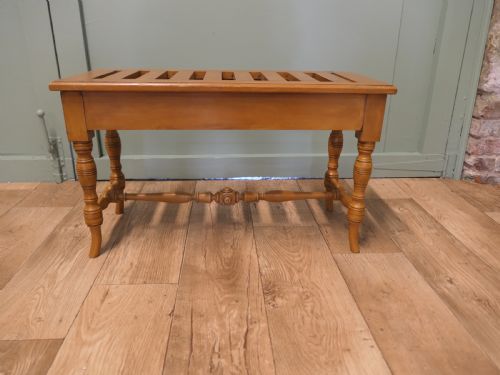
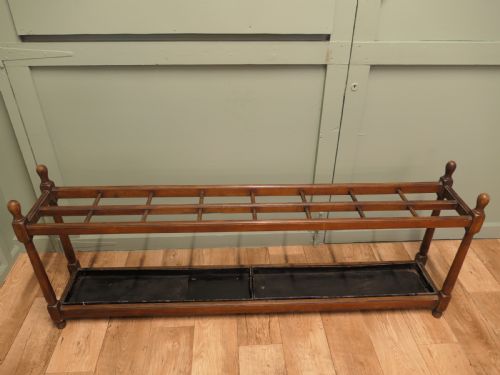
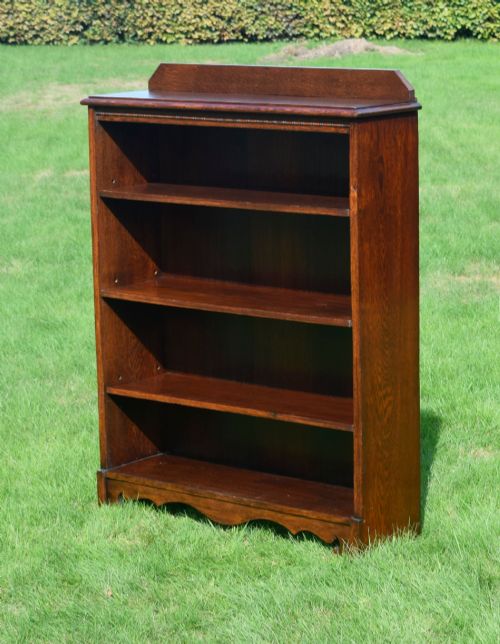
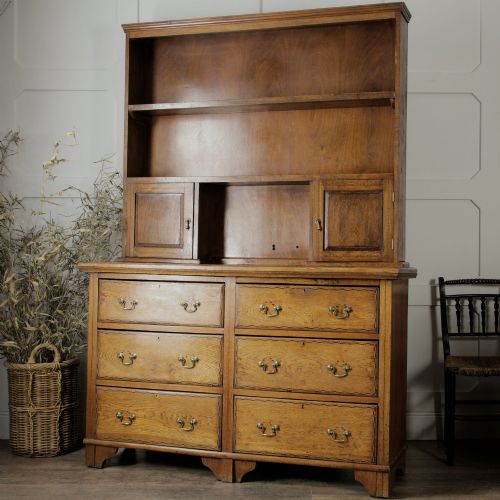
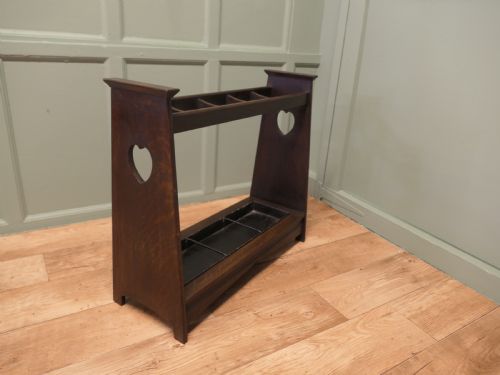
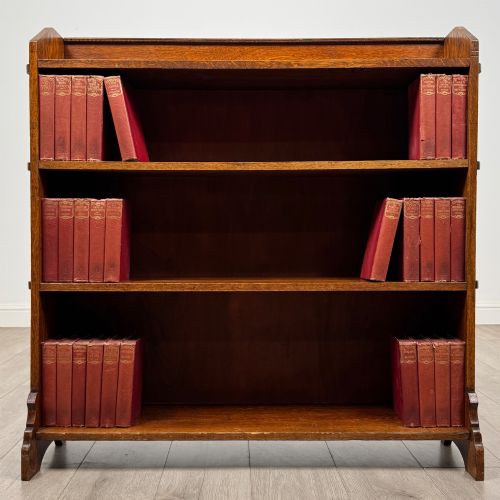
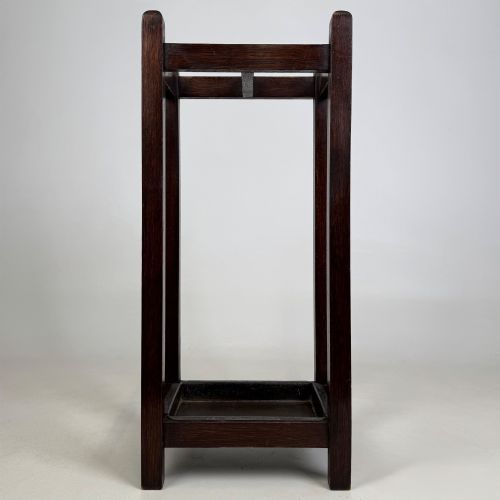
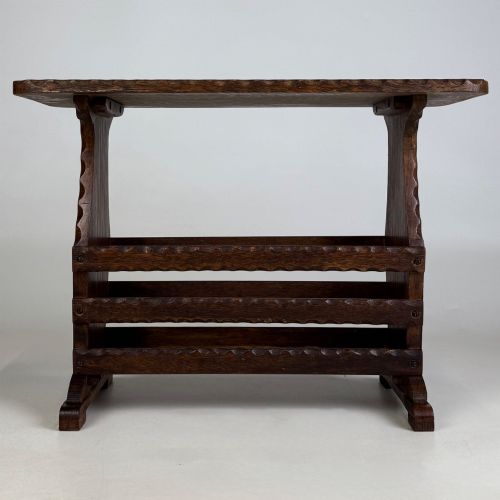
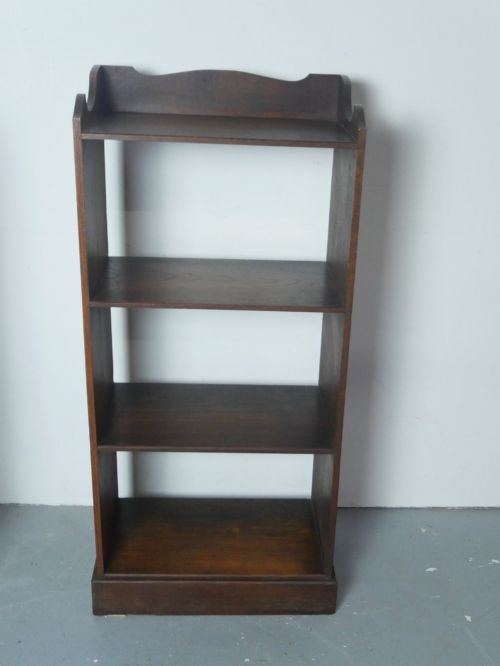
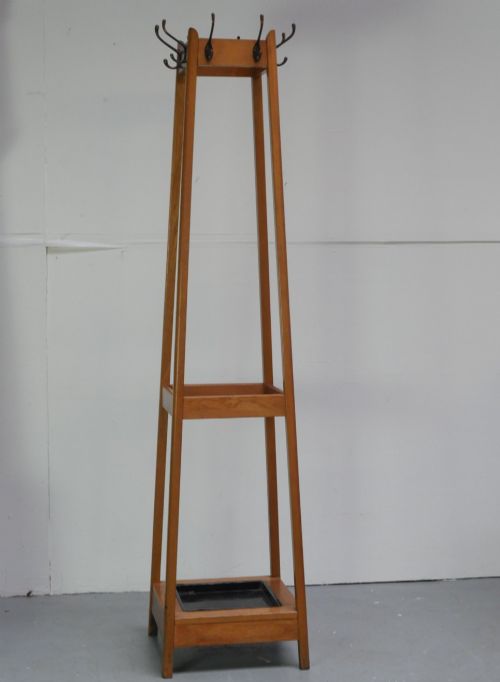
When you search for a vintage art rack, you encounter a varied selection of functional household items spanning from the late nineteenth century through the interwar decades. The inventory includes heavy oak umbrella stands, hall stands, bookcases, and wall shelves associated with the Arts and Crafts and Edwardian periods.
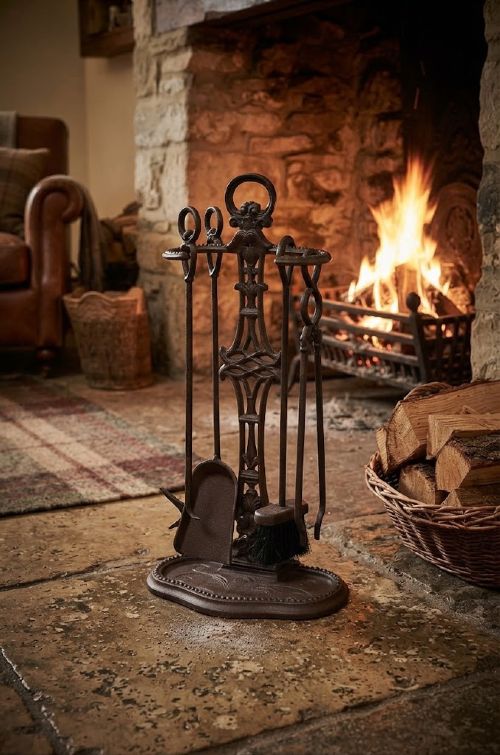
The pieces you are most likely to meet on this page are constructed from solid oak and serve hallway or living space organisation. Alongside these timber items, you will find occasional metal pieces such as cast iron umbrella holders and brass hat and coat racks from the Art Deco era.
The selection reflects the domestic needs of the 1800s and 1900s, prioritising utility alongside stylistic movements like Art Nouveau and Gothic Revival. Each item demonstrates how everyday storage was approached prior to mid-century mass production.
Materials and construction
Carpenters and metalworkers relied on a core group of materials, chiefly solid oak, cast iron, brass, and bentwood. Oak items often feature honest joinery and golden or honey tones that highlight the natural grain of the timber.
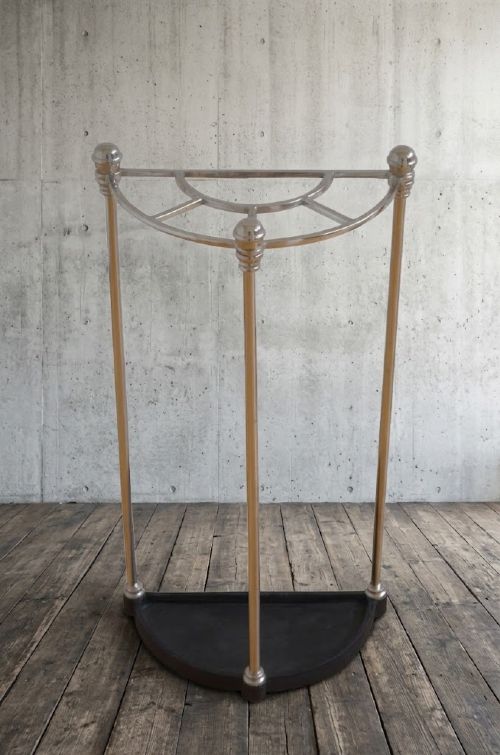
Metalwork pieces utilise cast iron, nickel plating, and wrought iron, frequently cast or hammered into flowing organic shapes or geometric Art Deco divisions. Enamel finishes and integrated drip trays appear on utilitarian umbrella stands to handle moisture.
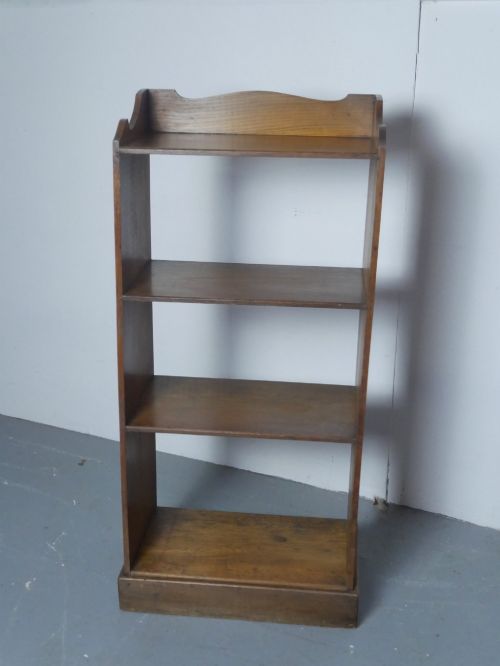
Listings feature robust oak bookcases, umbrella stands, and wall shelves spanning the late nineteenth century to the 1950s.
Evaluating standard and finish
Quality separates through the integrity of the original construction and the preservation of surface finishes. Pieces retaining their original patinated timber surfaces or intact metal plating stand above those with modern interventions or heavy alterations.
The sophistication of the design dictates the upper tier of the range, seen in pieces bearing recognizable maker details or complex decorative casting. Simpler utilitarian items fulfill basic storage roles with less artistic ambition in their execution.
Liberty Design·Thonet·Jas. Shoolbred·Heals of London
The Vintage Art Rack Glossary
- Arts and Crafts
- A design movement advocating for traditional craftsmanship, simple forms, and honest materials. It heavily influences the oak furniture seen in this category.
- Art Deco
- A style popular in the 1920s and 1930s characterised by sleek geometric shapes, streamlined metalwork, and modern industrial materials. Nickel plating and brass are common mediums.
- Art Nouveau
- An international style of the late nineteenth and early twentieth centuries inspired by natural forms and curved plant lines. Cast iron umbrella stands often display this aesthetic.
- Bentwood
- Wood steamed and bent into curved shapes, famously utilised by makers like Thonet. This technique creates lightweight yet resilient frames for hall stands and chairs.
Vintage Art Rack: Frequently Asked Questions
What periods do these pieces come from?
The inventory spans the late nineteenth century through the Art Deco era of the 1930s. Most items originate from the Edwardian period and the height of the Arts and Crafts movement.
You will also encounter occasional items from the nineteenth century and mid-century industrial periods. Each era brings distinct materials and aesthetic priorities to the storage items.
How were umbrella stands used?
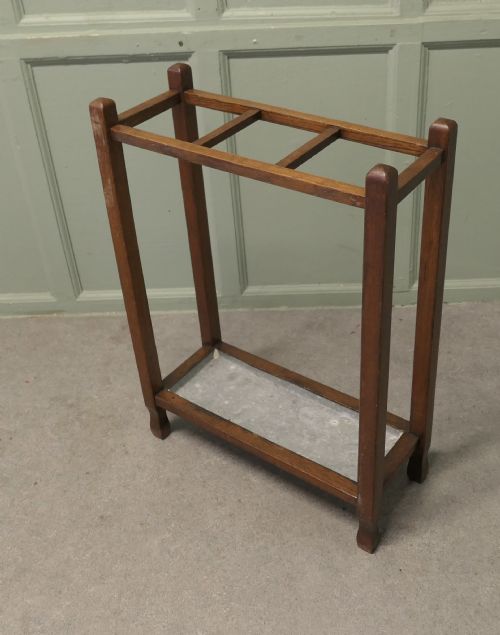
Umbrella and stick stands were placed in hallways to keep wet walking sticks and umbrellas contained. They often included integrated metal drip trays to protect wooden floors from moisture.
Many examples incorporate multiple divisions to separate items and hooks for smaller accessories. They combined practical drainage with decorative entrance hall furniture.
How do I care for oak hall furniture?
Solid oak furniture requires occasional waxing to maintain the lustre and nourishment of the timber. Keeping pieces away from direct heat sources prevents the wood from drying out or splitting.
For items with metal components or drip trays, ensure moisture is wiped away to prevent corrosion. Gentle dusting preserves the original surface patina without stripping historical character.
How do I identify an Arts and Crafts piece?
Arts and Crafts pieces emphasise visible construction methods, such as pegged joints and solid oak timber without excessive ornamentation. They often feature functional iron hardware and straightforward geometric lines.
These designs reject mass-produced uniformity in favor of robust, artisanal construction. The overall effect prioritises utility and natural wood grain above all else.