



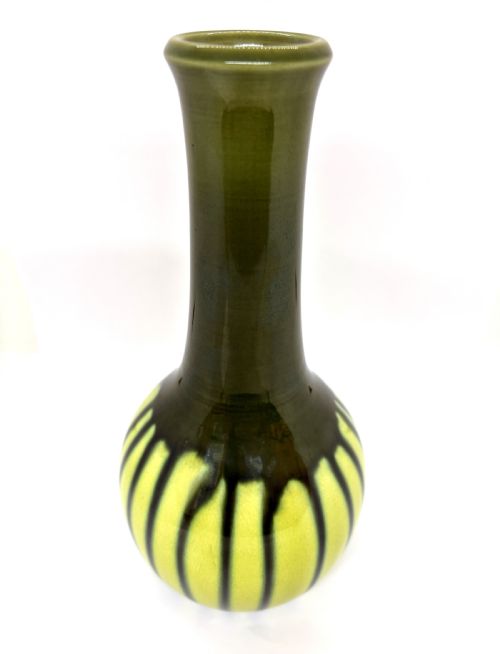
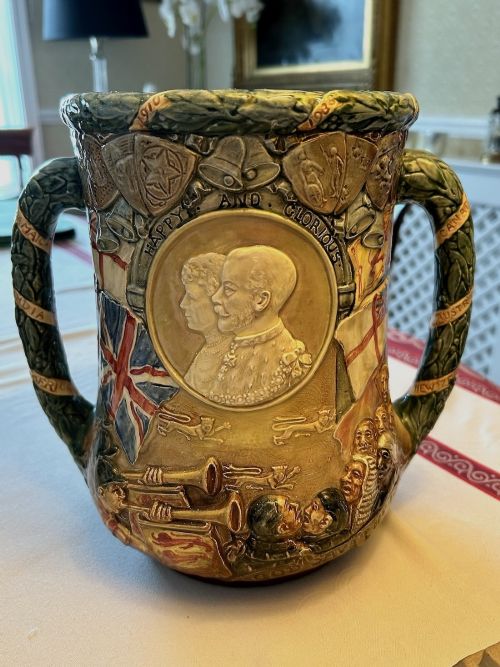
Vintage Art Pottery Vessel
A vintage art pottery vessel brings expressive form and rich surface texture to a room, offering genuine character from the turn of the twentieth century.
Vintage Art Pottery Vessel
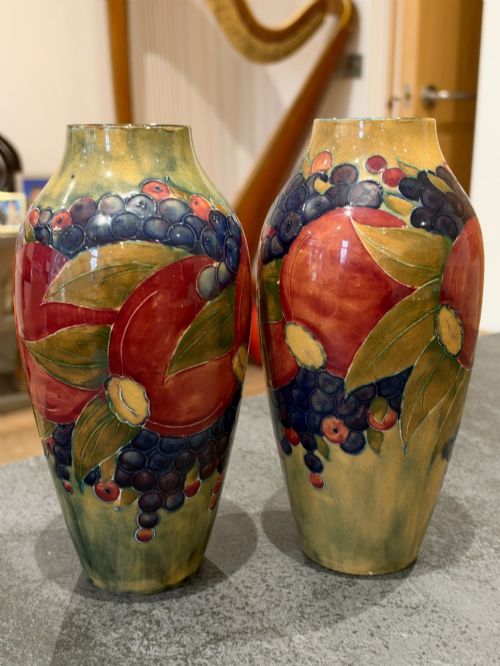
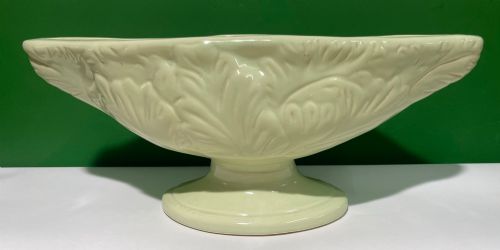
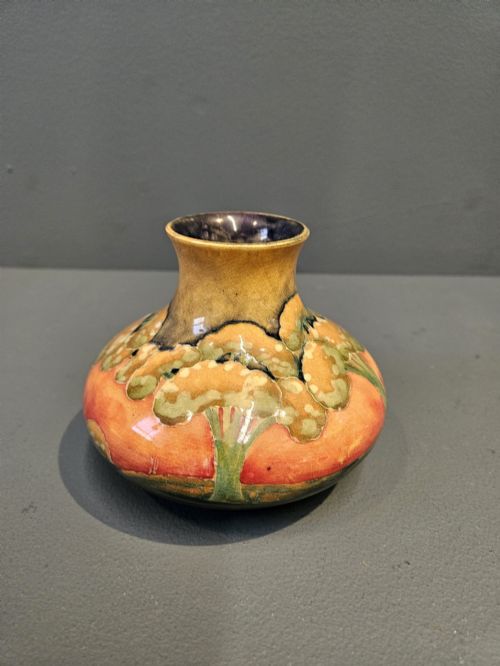
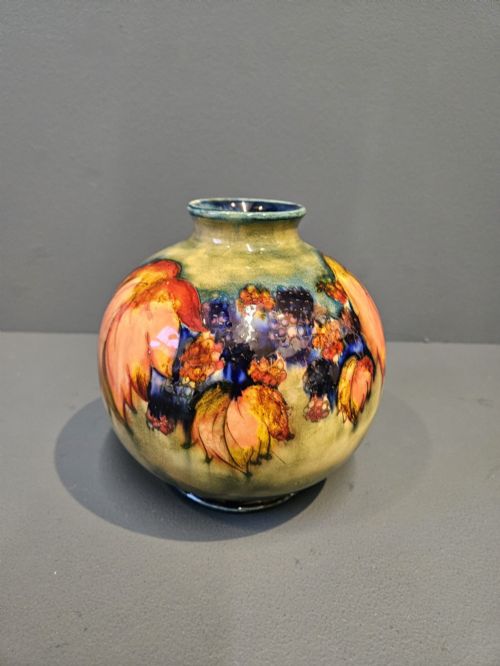
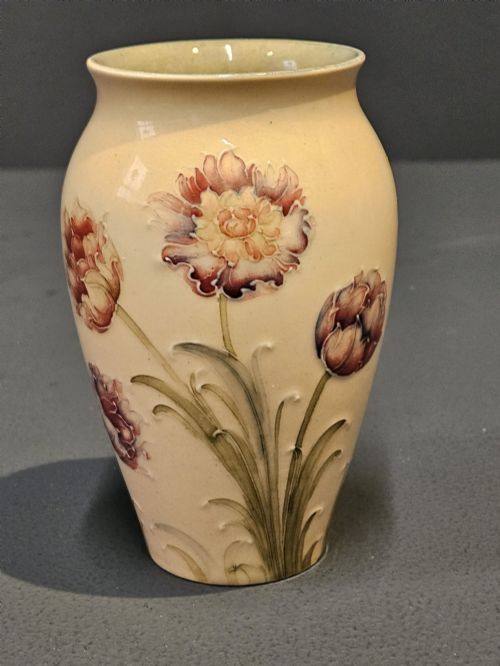
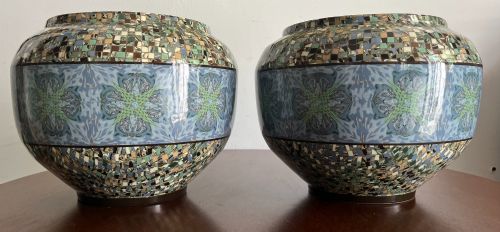
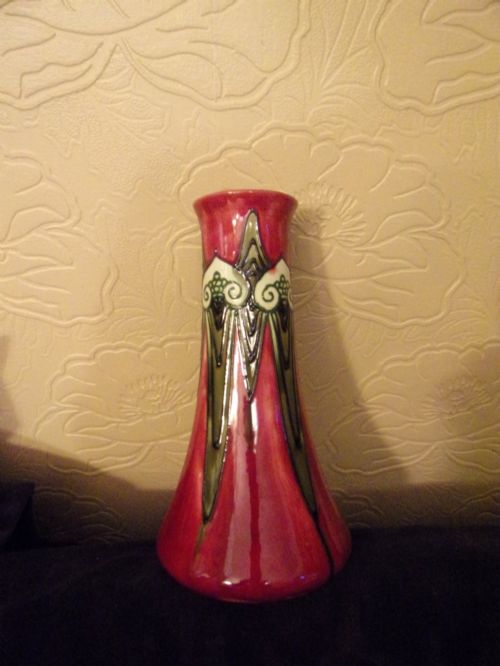
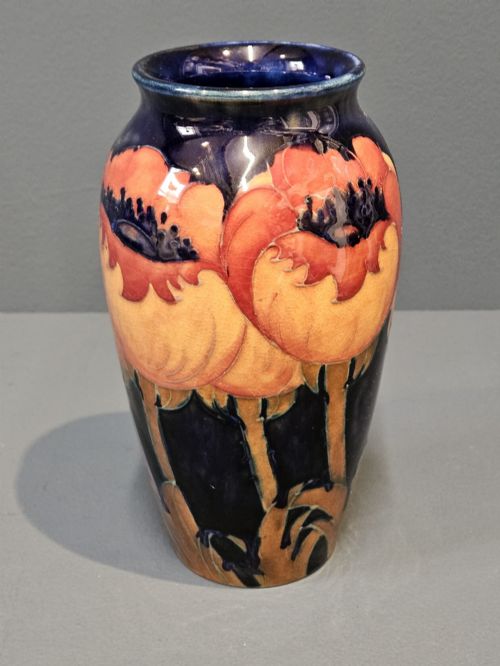
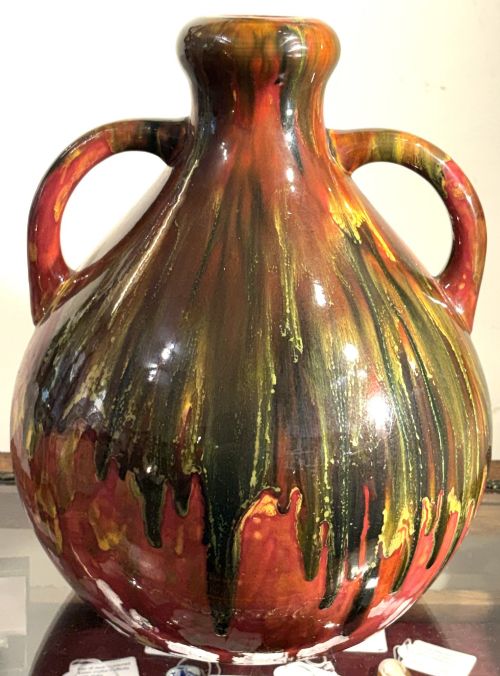
When you search for a vintage art pottery vessel, you encounter a diverse range of ornamental and functional forms spanning the Victorian era through the mid-twentieth century. The selection on this page centres heavily on vases, decorative bowls, jugs, pitchers, and jardinieres created during periods like the Victorian, Edwardian, and Art Deco eras.
The aesthetic vocabulary shifts considerably across these dates, moving from the organic motifs of Art Nouveau and Arts and Crafts movements towards the geometric precision of Art Deco and Mid-Century Modern designs. Makers across Britain, France, Germany, and beyond produced these pieces in earthenware, stoneware, and glazed ceramic, resulting in a rich mix of regional styles.
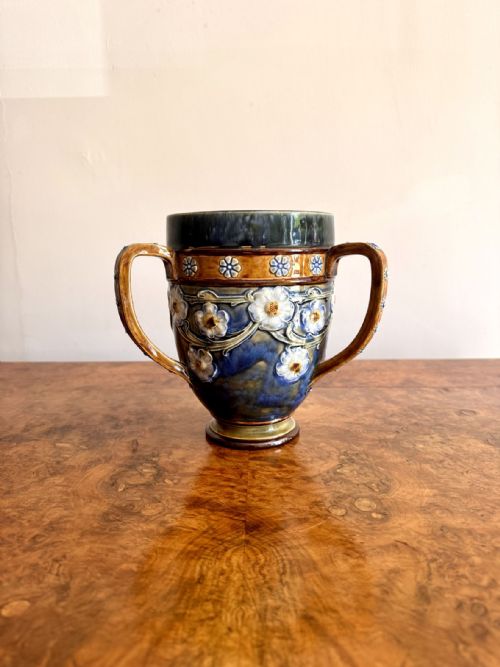
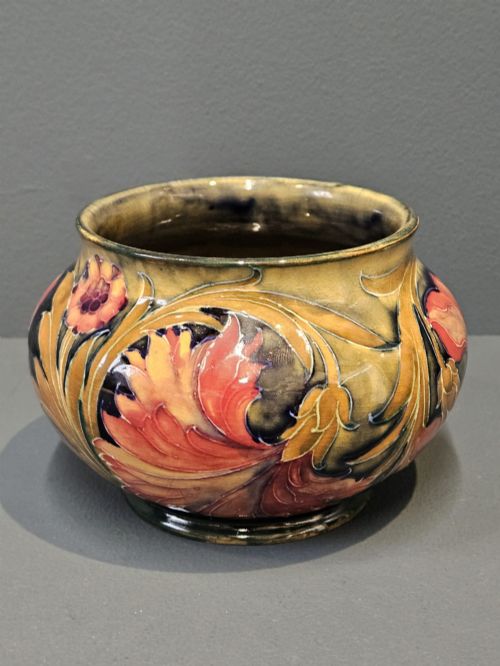
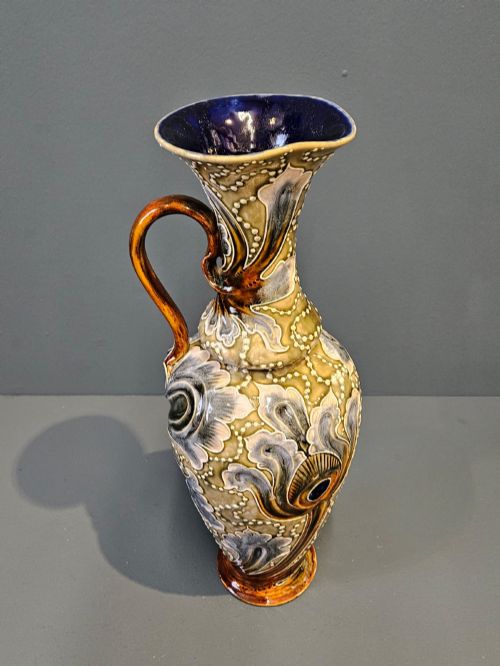
You are most likely to meet substantial stoneware jugs from Doulton Lambeth, intricate earthenware vases with tube-lined or painted decoration, and decorative bowls bearing vibrant lustre glazes or metallic copper effects. These vessels reflect the shift from industrial mass production towards studio-led artistic expression.
How They Were Made
Makers shaped these vessels using traditional throwing and moulding techniques in earthenware, stoneware, and ceramic bodies. Stoneware pieces often benefited from salt-glazing or specialised firing methods that produced dense, durable bodies suitable for elaborate incised and enamelled ornamentation.
Surfaces received rich decorative treatments including hand-painted enamels, slipware, tube-lined patterns, and lustre glazes. Artisans applied copper effects, jewelled cabochons, and gold leaf details to enhance the visual depth of the ceramic body.
Vintage Art Pottery Vessel Retail Price Guide 2026
Typical asking prices for vintage art pottery vessel among the pieces listed under this phrase on Sellingantiques today, from the lower quarter to the upper quarter. They describe what is for sale here now, not the wider market.
Listings feature vessels spanning multiple decades, incorporating periods from Victorian to Mid-Century Modern alongside materials like glazed ceramic, stoneware, and gold leaf.
What Varies in Quality
The standard of a piece rests heavily on the ambition of its design and the skill executed in its surface decoration. Hand-painted or tube-lined examples by named artists demonstrate a finer command of line and colour than standard factory output.
The chemistry of the glaze and the precision of the firing process dictate the depth of the finished vessel. Rich lustre finishes, crisp incised stoneware details, and well-balanced forms separate ordinary production from exceptional studio examples.
Minton Secessionist·Royal Doulton·Doulton Lambeth·Boch Freres·Bretby Pottery·Wedgwood·Mettlach Pottery·Mugello·Robert T Lallement·Carlton Ware·Satsuma·Royal Copenhagen·Turn Vienna·Pilkingtons Royal Lancastrian·Clarice Cliff·Mougin·William Moorcroft
The Vintage Art Pottery Vessel Glossary
- Earthenware
- A porous ceramic body fired at lower temperatures, typically requiring a vitreous glaze to hold liquids. It forms the base for many brightly painted decorative vessels.
- Stoneware
- A dense, impermeable ceramic fired at higher temperatures until vitrified. This material allows for sharp incised decoration and robust utilitarian or ornamental forms.
- Lustre
- A metallic surface treatment applied to ceramics to produce an iridescent, shimmering sheen. It catches the light and shifts in colour depending on the angle.
- Tube-lining
- A decorative technique where liquid clay is squeezed through a nozzle onto the vessel body to create raised outlines. These raised trails then confine pools of coloured glaze.
- Jardieres
- Large decorative ceramic pots designed to hold potted plants. They frequently mirror the decorative motifs and glazes of matching vases from the same pottery.
Vintage Art Pottery Vessel: Frequently Asked Questions
What is art pottery?
Art pottery refers to ceramic vessels produced from the late nineteenth century onwards that prioritise artistic design and handcraftsmanship over mere utilitarian function. These pieces were often made in limited runs or as individual studio works.
Potteries and independent artists experimented freely with novel glazes, sculptural forms, and surface textures during this period, moving away from industrial uniformity.
How do I display a vintage vessel?
These vessels suit placement on mantelpieces, sideboards, or open shelving where their glazes can catch natural light. Pairing them with complementary objects from the same design era creates a cohesive display.
Ensure larger heavy pieces rest on stable, flat surfaces away from busy household traffic to protect the ceramic body and surface decoration.
How do I identify Art Nouveau pieces?
Art Nouveau ceramics typically feature organic, flowing lines inspired by natural forms like plant stems, vines, and floral motifs. Colours tend towards earthy greens, deep blues, and iridescent metallic sheens.
Look for sinuous handles, asymmetrical shapes, and fluid surface patterns that break away from rigid Victorian symmetry.
Can these vessels hold water?
Most glazed ceramic and stoneware vessels can hold water safely, though older earthenware may remain slightly porous or develop hairline moisture seepage over time. It is wise to inspect the interior glaze for stability.
Using a discreet liner inside antique jugs or vases prevents potential moisture damage to both the vessel interior and the surface it rests upon.