









Vintage Art Plinth
These vintage art plinth selections provide solid elevations for sculptures and figures, drawing your eye to displayed works through varied period designs.
Vintage Art Plinth
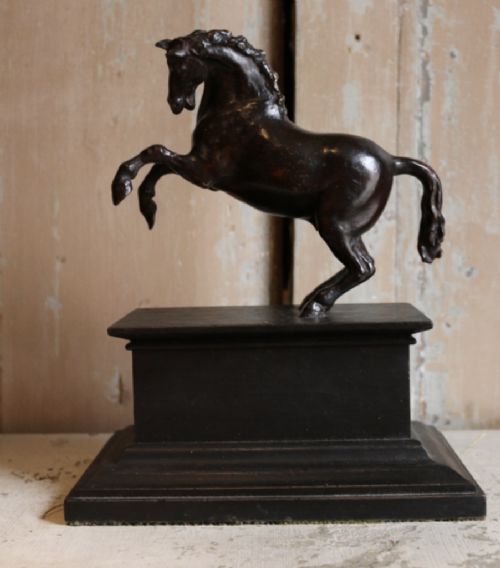
A vintage art plinth serves as a structural stage for displaying sculptures, figures, and decorative objects within a room. When exploring this phrase, you encounter functional stands alongside integrated bases that came attached to specific bronzes and pottery figures.
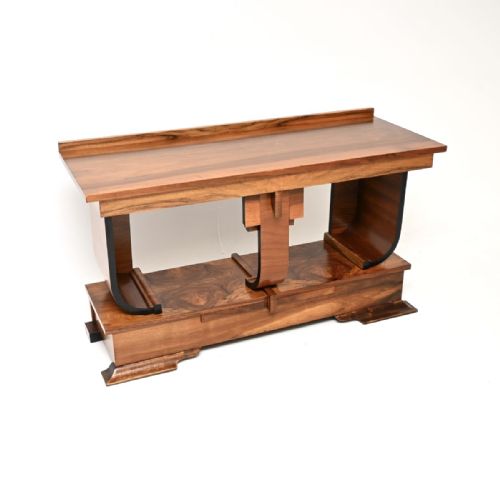
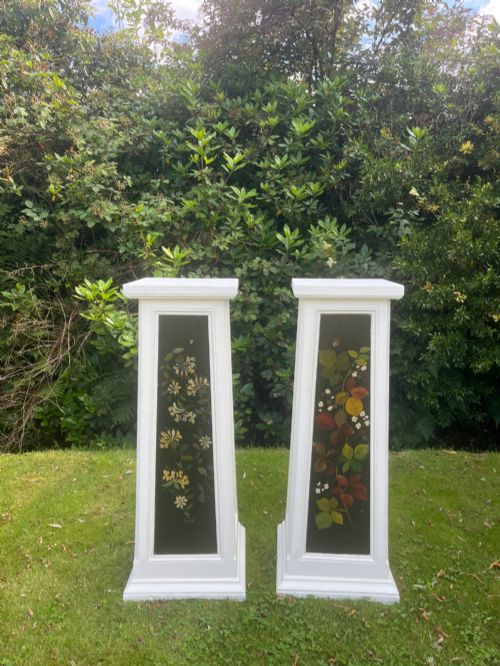
The objects span centuries, though the selections lean heavily toward twentieth-century forms. You will find nineteenth-century painted pedestals and faux marble stands sitting alongside nineteen-twenties and nineteen-thirties Art Deco walnut and ash columns.
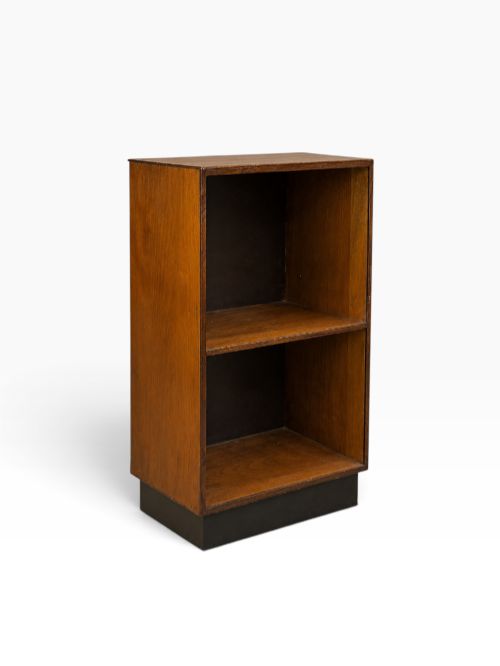
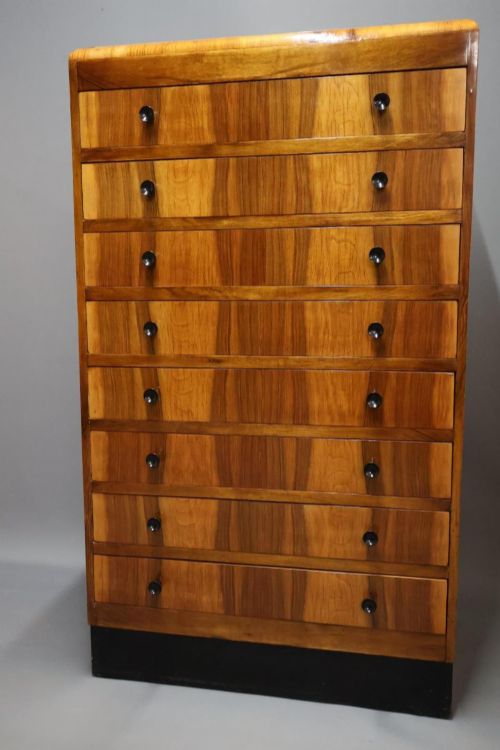
Many pieces double as functional furniture or display units, ranging from console tables and bookcases to tall chests of drawers and cake stands. The core purpose remains elevation, whether lifting a bronze hunting panther or supporting a model ship diorama.
Materials and construction
Makers utilised a diverse palette of hard materials to ensure stability beneath heavy sculptures and display items. Wood forms a primary base, seen in ash, mahogany, and walnut furniture, while bronze, spelter, and silver plate provide the metallic substance for figures mounted upon stone.
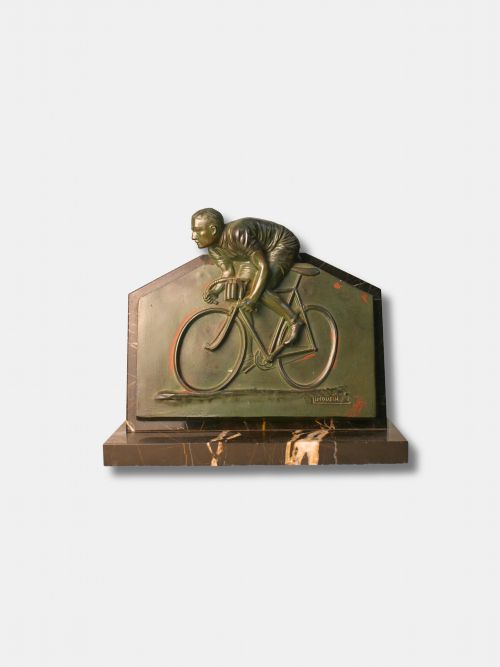
Natural and synthetic stone elements appear frequently as supportive foundations. Marble, onyx, and granite provide significant weight and distinct veining, often paired with cold-painted bronze or brass components to create balanced display pieces.
Surface treatments range from simple painted finishes on nineteenth-century pedestals to intricate patinated metal and cold-painting techniques on figural works. Glass and opaline elements introduce translucent qualities in specific lighting accessories.
Vintage Art Plinth Retail Price Guide 2026
Typical asking prices for vintage art plinth among the pieces listed under this phrase on Sellingantiques today, from the lower quarter to the upper quarter. They describe what is for sale here now, not the wider market.
Materials represented across the selection include organic wood, cast bronze, natural marble, onyx, terracotta, and mouth-blown glass.
Distinguishing quality
Quality reveals itself in the harmony between the upper sculpture and its supporting base. Superior examples integrate the plinth naturally with the artwork, whether utilising solid black marble to anchor an albatross in flight or mounting a bronze figure securely on onyx.
Material selection dictates the structural integrity and visual weight of each piece. Finely figured walnut and ash cabinetry demonstrate superior cabinetmaking, while cast bronzes show precision in anatomical detail and finishing signatures.
D. H. Chiparus·Josef Lorenzl·Guido Cacciapuoti·R Henn·Bohumil Rezl
The Vintage Art Plinth Glossary
- Plinth
- A heavy base or lower block that supports a statue, vase, or pillar. It provides necessary stability and visual separation from the floor or furniture top.
- Spelter
- A zinc alloy frequently used as a cheaper alternative to bronze for decorative figures. It accepts patination and paint finishes well, often mounted on stone bases.
- Art Deco
- A design style characterised by sleek geometric shapes, streamlined forms, and modern materials prevalent during the nineteen-twenties and nineteen-thirties. This aesthetic influences many pedestals and sculptural bases in the collection.
- Cold-painted bronze
- A method where bronze figures receive paint applications after casting rather than firing in a kiln. These works frequently feature on dedicated marble or onyx plinths.
- Faux marble
- An artistic finish applied to wood or plaster to imitate the appearance of genuine quarried stone. Nineteenth-century makers utilised this technique to achieve grandeur without excessive weight.
Vintage Art Plinth: Frequently Asked Questions
What is a vintage art plinth used for?
These pieces elevate sculptures, vases, and decorative objects to optimal viewing heights within domestic spaces. They provide a deliberate stage that draws attention to the displayed artwork.
Beyond dedicated sculpture stands, the category includes integrated bases attached directly to figures and functional furniture items that serve display purposes.
How do I date a pedestal or plinth?
Dating relies heavily on stylistic markers, construction methods, and prevailing material choices of specific decades. Nineteenth-century examples often feature painted wood or faux marble finishes.
Items from the nineteen-twenties and nineteen-thirties typically exhibit Art Deco geometry, utilising materials like walnut, ash, onyx, and patinated bronze.
Are plinths strong enough for heavy stone?
Most sturdy wooden and stone-based pedestals easily support substantial weights like bronze sculptures and ceramic groups. The inclusion of heavy marble, onyx, or granite bases specifically adds structural ballast to prevent tipping.
When displaying particularly heavy items, matching the weight capacity of the supporting wood or metal stand remains essential for stability.
How do Art Deco plinths differ from older styles?
Art Deco stands favor clean geometric lines, streamlined silhouettes, and modern wood veneers like walnut and ash. They reflect the industrial and artistic modernisation of the interwar period.
Older nineteenth-century or seventeenth-century examples tend toward traditional classical proportions, ornate carvings, or simpler utilitarian forms designed to mimic architectural stone.