


Vintage Art Deco Ornament
A vintage art deco ornament brings the dynamic geometry and streamlined elegance of the interwar years straight into a modern interior.
Vintage Art Deco Ornament
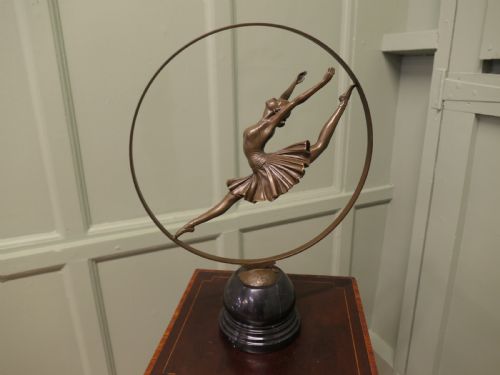
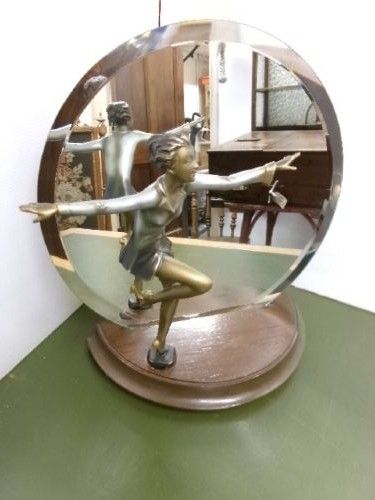
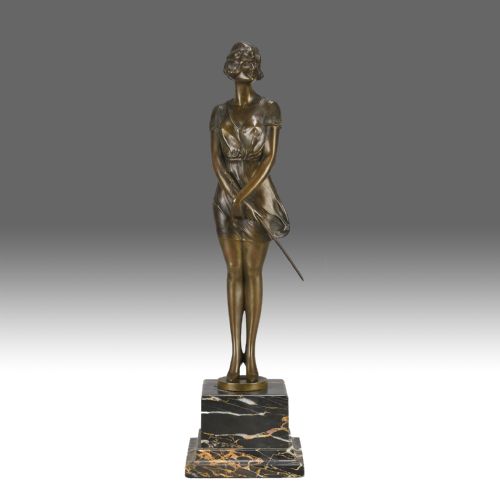
Every vintage art deco ornament captures the distinct visual vocabulary of the 1920s, 1930s, and 1940s through figures, animals, and decorative objects. Pieces range from cold-painted bronze dancers and spelter studies to moulded glass mascots and English porcelain figurines.
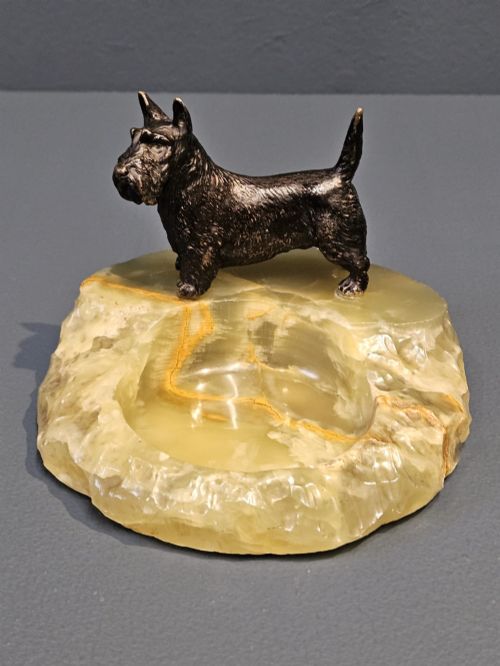
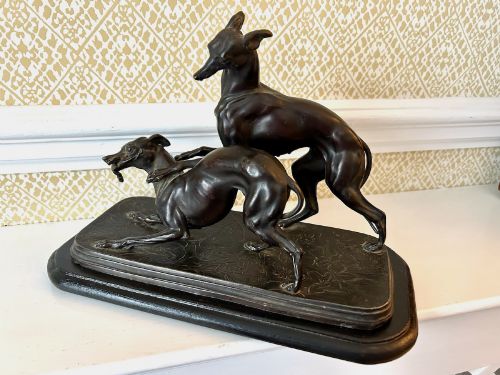
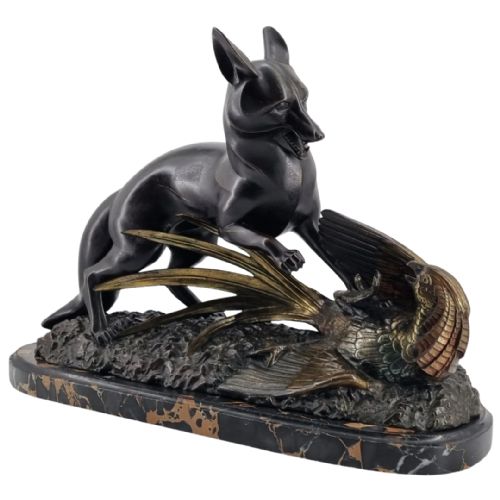
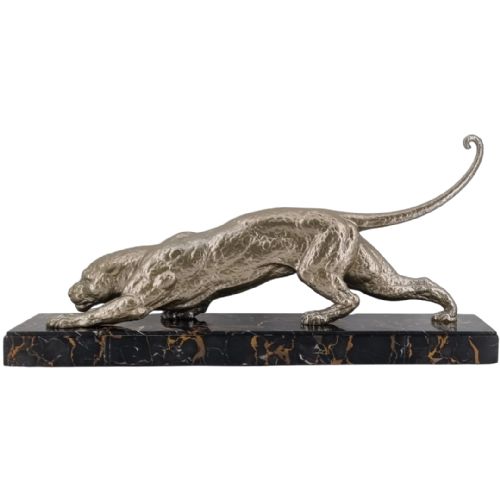
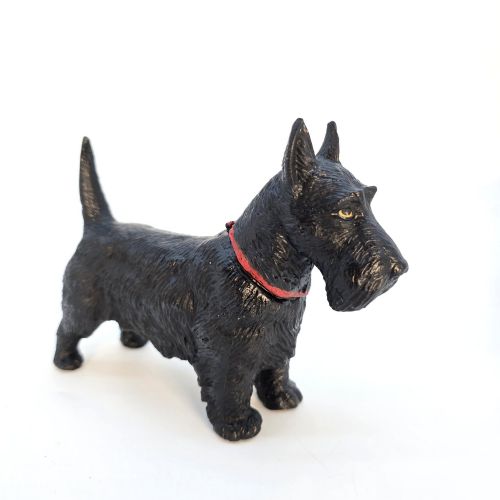
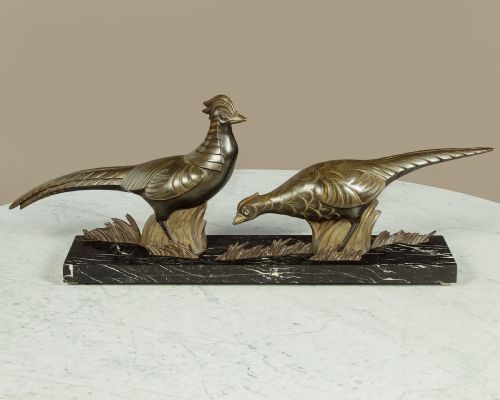
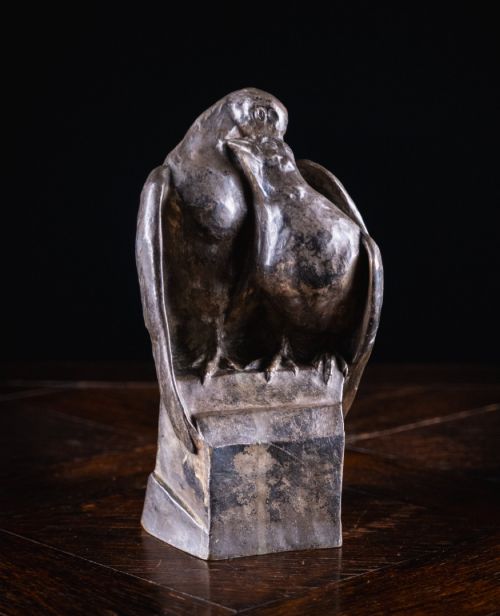
Makers across France, Britain, and Austria produced these works in varied materials including marble, onyx, bone china, and glazed ceramics. Animalier studies of birds and beasts sit alongside stylised human figures reflecting the motion of the dance.
Collectors encounter tabletop ornaments, car mascots, bookends, and paperweights originating from major European workshops and studios. The selection spans utilitarian items adapted for display and pure sculptures created purely for visual impact.
Materials and Technique
Foundry methods combined traditional lost-wax casting for bronzes with newer techniques for spelter and chrome-plated metals. Cold-painting applied vibrant colour by hand onto metallic surfaces.
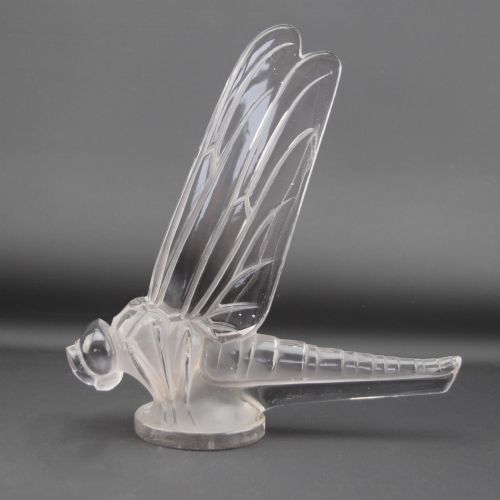
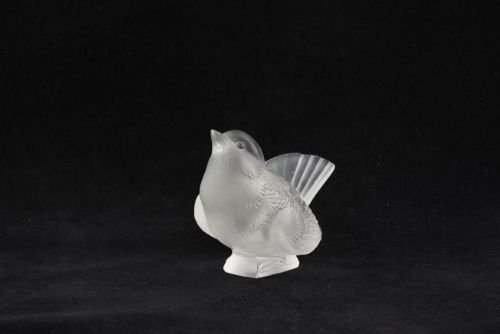
Glass production utilised pressing and moulding to achieve opalescent finishes and frosted details, particularly seen in mascot and paperweight production. Ceramics and stonewares relied on hand-painted glazes over bone china or earthenware bodies.
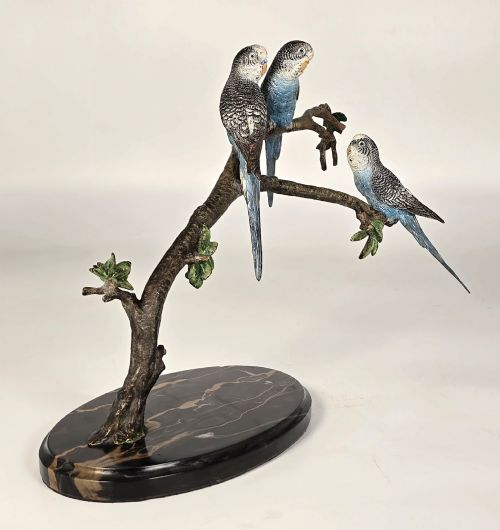
The inventory records animal studies ranging from budgerigars and albatrosses to cats and stags.
Standards of Execution
Surface patination and the preservation of original hand-painted cold-paint pigments dictate the desirability of bronzes and spelter pieces. Precision in glass moulding and the depth of opalescence mark out the master glassworks.
Bruno Zach·Josef Lorenzl·Rene Lalique·Charles Vyse·Berthe Savigny
The Vintage Art Deco Ornament Glossary
- Spelter
- A zinc alloy commonly utilised as a less expensive substitute for bronze in decorative figures. It accepts patination and metallic paint finishes readily.
- Cold-painted
- A technique where paint is applied to a metal object without subsequent firing in a kiln. This finish requires careful handling to prevent flaking over time.
- Animalier
- A nineteenth and twentieth-century artistic focus on the realistic or stylised representation of animals. Sculptors rendered birds, big cats, and stags with acute attention to posture.
- Car Mascot
- A sculptural ornament mounted on the radiator cap of an automobile during the interwar period. Many were cast in high-quality moulded glass by leading French glassmakers.
- Opalescent
- A glass property that displays milky or iridescent blue and orange tones when lit from certain angles. This effect added movement to moulded glass figures and mascots.
Vintage Art Deco Ornament: Frequently Asked Questions
What materials were commonly used?
Makers utilised a diverse palette that included bronze, spelter, marble, onyx, and frosted glass. Ceramics, bone china, and carved wood also appeared frequently.
Metal pieces often received cold-painted enamel details or chrome plating to enhance the modern metallic aesthetic.
How do I identify a car mascot?
Car mascots were originally designed to mount onto automobile radiator caps during the interwar driving era. They feature heavy glass or metal construction suited to exterior mounting.
Many examples include threaded bases or mounting collars designed for attachment to specific vehicle makes.
Where were these pieces made?
Production centred primarily in European artistic hubs, with French, Austrian, and British workshops leading the output. Foundries in Paris and Vienna produced the majority of metal sculptures.
English potteries and specialised glassworks contributed porcelain figures and moulded glass items respectively.
How should I display them?
These decorative objects suit stable flat surfaces where adequate lighting highlights their metallic patinas or glass opalescence. Bookends require sturdy placement to support volumes effectively.
Display areas should avoid excessive direct sunlight to protect hand-painted cold-paint surfaces on metals.