

Vintage Art Deco Glass
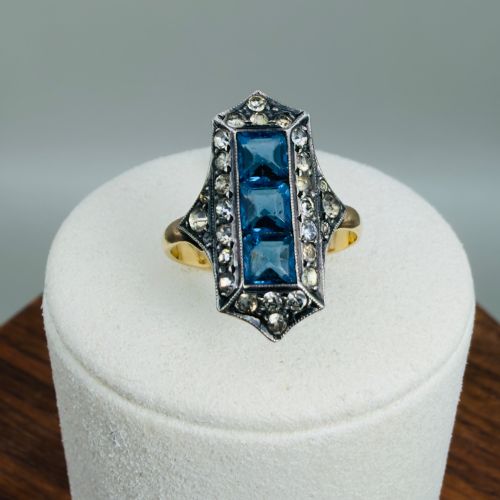
These vintage art deco glass pieces bring geometric clarity and rich material contrast to a room through lighting, vessels, and mirrors.
Vintage Art Deco Glass
Vintage art deco glass encompasses decorative and functional objects produced during the 1920s, 1930s, and 1940s alongside related stylistic revivals.
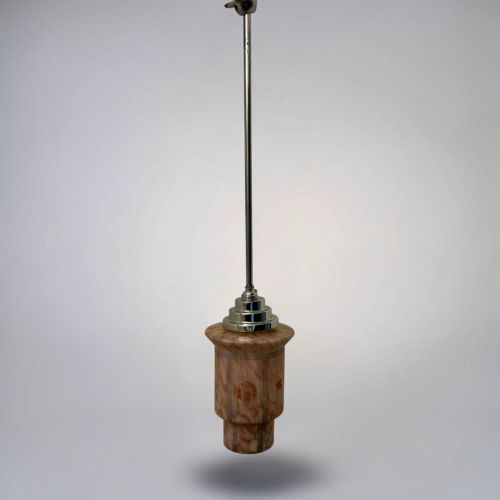
Buyers browsing this selection frequently encounter lighting fixtures such as ceiling lights, pendant lights, and wall lights alongside table lamps.
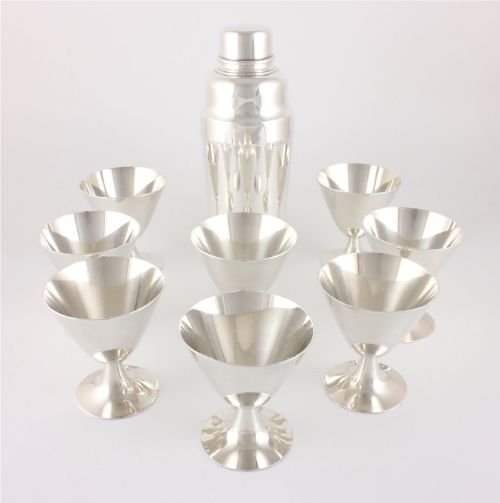
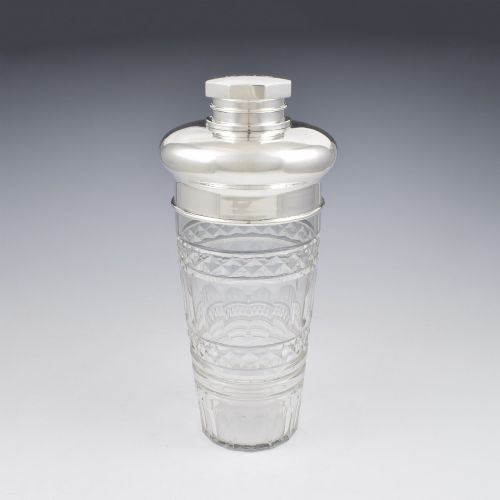
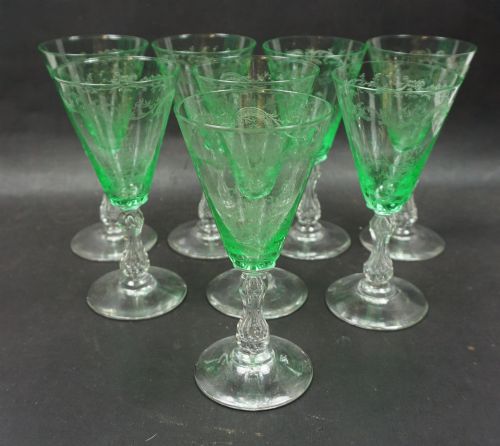
The category also embraces glassware for dining and bar use, including champagne bowls, ice buckets, decanters, and cocktail goblets.
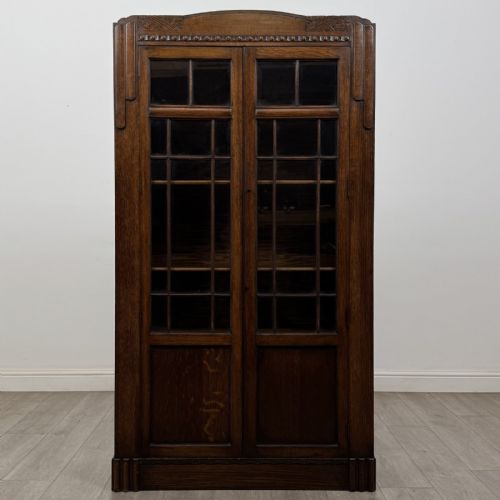
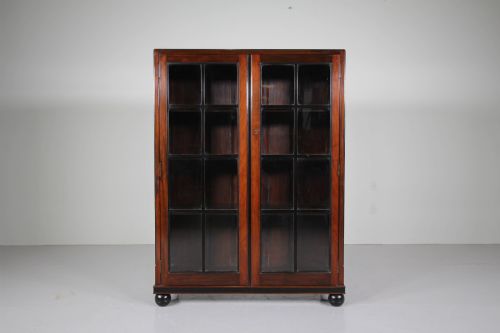
Mirrors and display cabinets complete the range, often incorporating glass panels alongside brass, chrome, walnut, and mahogany.
How they were made
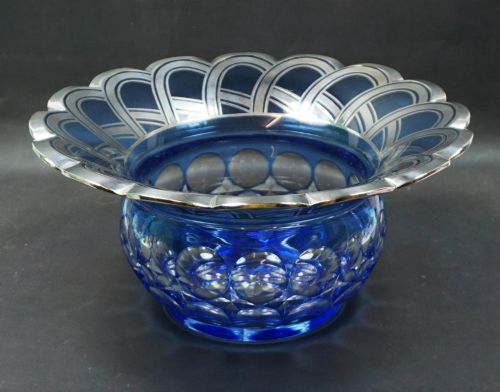
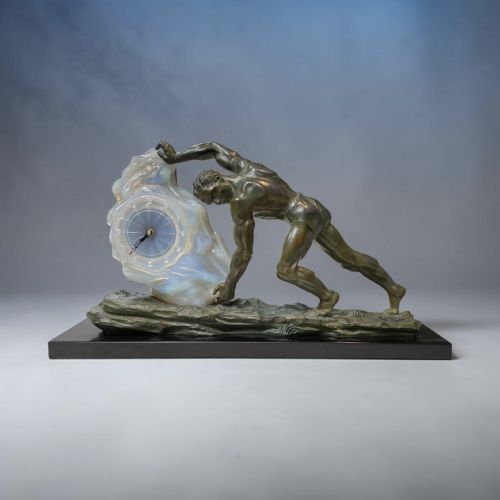
Makers utilised clear, cut, frosted, and opalescent glass, often combining moulded techniques with hand-finishing.
Metal components in brass, chrome, wrought iron, and sterling silver provide structural contrast to the glass elements.
Cabinetry and furniture pieces integrate glass alongside hardwoods like walnut, oak, amboyna, and mahogany.
Vintage Art Deco Glass Retail Price Guide 2026
Typical asking prices for vintage art deco glass among the pieces listed under this phrase on Sellingantiques today, from the lower quarter to the upper quarter. They describe what is for sale here now, not the wider market.
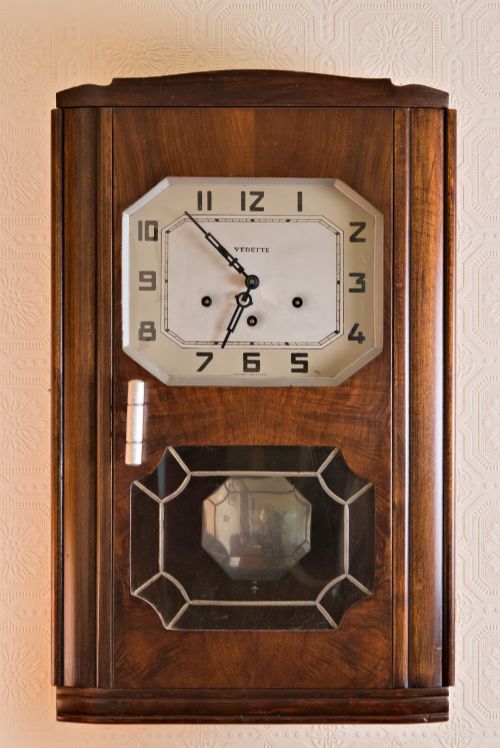
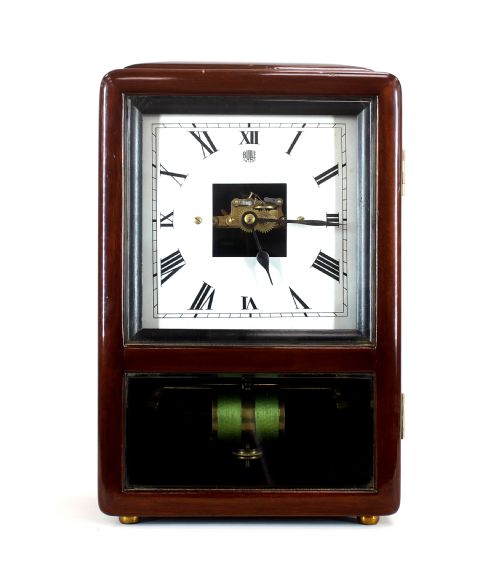
Listings feature lighting, mirrors, and cabinetry spanning the 1920s and 1930s, executed in glass, chrome, brass, and walnut.
What varies in quality
The standard of glass moulding and depth of cut crystal distinguish standard production items from distinguished studio pieces.
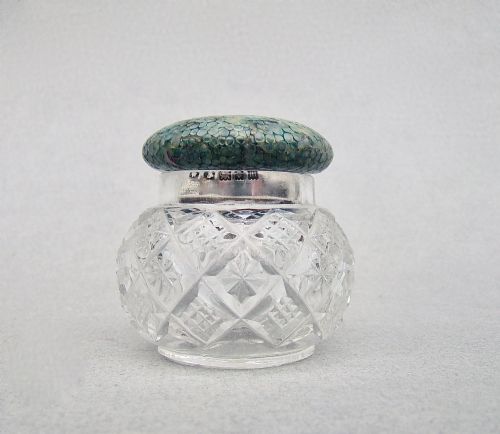
The integration of secondary materials such as silver mountings, enamel work, and patinated bronze or spelter figures alters the tier of a piece.
Attribution to documented designers and glasshouses elevates the standing of an item within the historical record.
Rene Lalique·Charles Schneider·Degué·Argy Rousseau·Fratelli Toso·Henry Clifford Davis·Émile-Jacques Ruhlmann
The Vintage Art Deco Glass Glossary
- Plafonnier
- A bowl-shaped ceiling light mounted close to the ceiling. This form directs light upwards through the glass diffuser.
- Pate de verre
- A glass-casting method using powdered glass paste fused in a kiln. This technique creates a dense texture and mottled colour.
- Guilloche
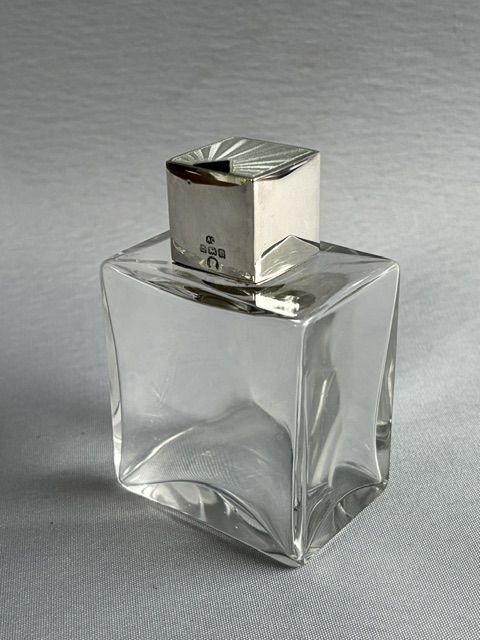
- An intricate mechanical engraving technique producing precise geometric patterns. It frequently appears beneath translucent enamel on silver dressing table items.
- Opalescent glass
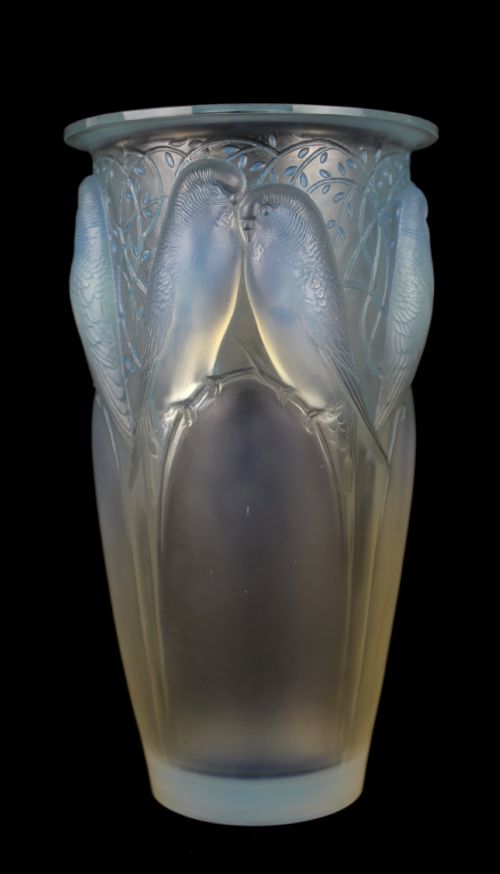
- Glass containing agents that create a milky, translucent appearance with shifting colour tones. It catches light distinctively from different angles.
- Cut glass
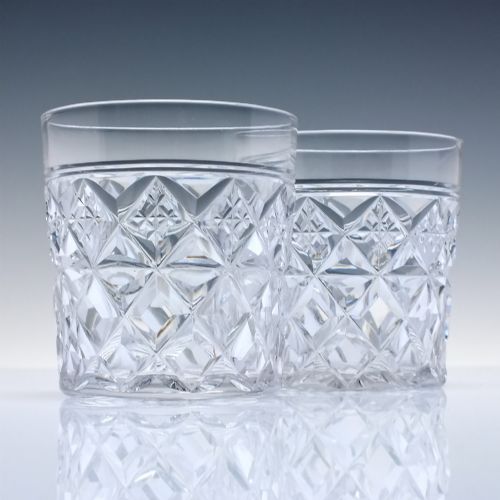
- Glass decorated by grinding facets or patterns into the surface using wheels. This process enhances the refractive brilliance of the material.
Vintage Art Deco Glass: Frequently Asked Questions
How do I clean vintage glass lighting?
Wash glass shades gently in warm water with mild soap, removing them from metal mounts first to protect any aged wiring or finish.
Dry thoroughly with a lint-free cloth before reassembly to maintain clarity and prevent water spots on the surface.
Can these ceiling lights take modern bulbs?
Many vintage fittings accommodate standard modern LED bulbs, provided the wattage matches the historical thermal limits of the enclosed glass shade.
Consult a qualified electrician to check the internal wiring and ensure the fixture meets current safety standards before installation.
How do I identify a Lalique piece?
Look for crisp moulding, signature relief lettering on the base, and characteristic opalescent or amber tones within the glass body.
Authentication relies on verifying the specific casting marks and catalogue numbers against established records of the period.
Where should I place a mirrored glass cabinet?
Position the cabinet away from direct dampness and heavy sunlight to protect the fragile silver backing on the internal and external mirrors.
Pair it with complementary walnut or chrome furniture to unify the decorative scheme of the room.