



Vintage Architectural Watercolour Sketch
These vintage architectural watercolour sketch pieces capture historical buildings and streetscapes with ink, pencil, and pigment.
Vintage Architectural Watercolour Sketch
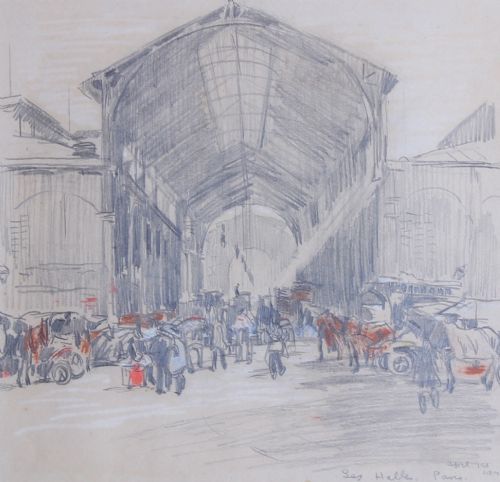
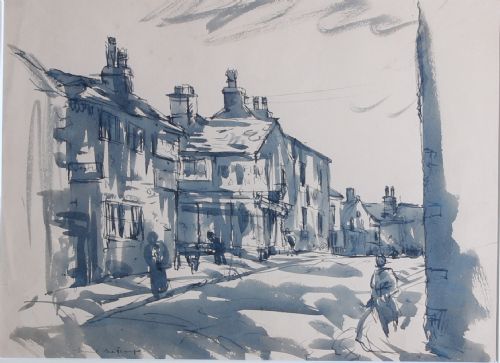
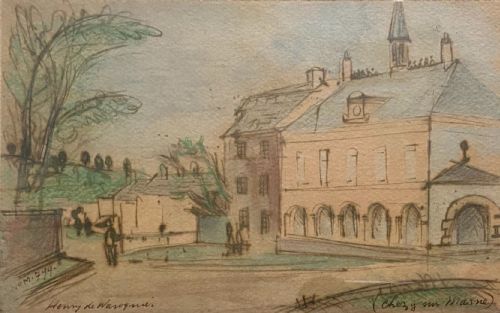
A vintage architectural watercolour sketch presents detailed studies of buildings, streetscapes, and decorative cabinet designs created on paper. These works capture specific locations ranging from French village scenes and continental buildings to English townscapes and famous botanical glasshouses.
Buyers frequently encounter pieces dating from the Victorian era through the mid-twentieth century, including works from the eighteen-sixties up to the nineteen-forties. The selection encompasses both topographical records and artistic impressions created by named artists and regional British schools.
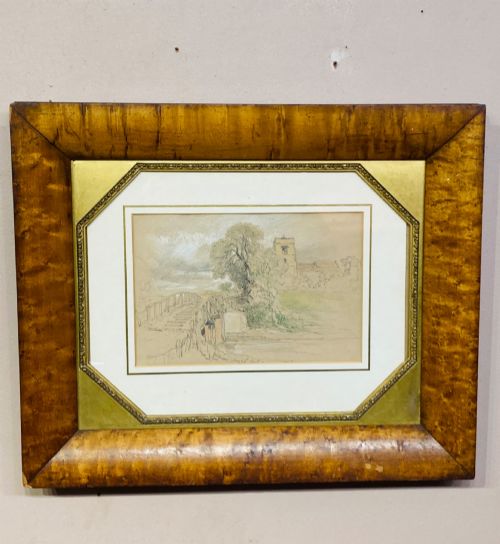
The physical form typically consists of works on paper mounted and presented within framed artwork settings, sometimes featuring gilt wood or giltwood surrounds. These drawings combine precision line work with fluid washes of colour to document built environments.
Materials and techniques
Artists built these compositions upon paper supports, employing graphite and pencil to map out precise structural lines and perspectives before applying pigment. Ink provided sharp outlines and dark contrast to define stonework, windows, and decorative flourishes.
Watercolour washes brought depth and atmosphere to the drawings, sometimes augmented with crayon or mixed media elements to build texture. Finished works were then housed in custom frames, occasionally utilising gilt wood or giltwood to complement the visual presentation.
Vintage Architectural Watercolour Sketch Retail Price Guide 2026
Typical asking prices for vintage architectural watercolour sketch among the pieces listed under this phrase on Sellingantiques today, from the lower quarter to the upper quarter. They describe what is for sale here now, not the wider market.
One design details a lacquer cabinet meant for North Audley Street, complete with a cabinetmaker's exact marking.
Quality variations in sketches
The skill of the draughtsman largely determines the success of a piece, separating mechanical rendering from expressive observation. Confident pencil work and deliberate ink placement provide a strong structural foundation for the translucent watercolour washes.
Condition of the paper and preservation of the pigments significantly influence the overall presentation of these works. Original framing materials, such as period gilt wood surrounds, also contribute to the integrity of the piece.
Henry de Waroquier·J W Hogley·Fred Lawson·Walter Sickert·Maurice Asselin·Tom Dudley
The Vintage Architectural Watercolour Sketch Glossary
- Topographical
- Depicting a specific real place accurately. These works serve as visual records of historical buildings and townscapes.
- Monochrome
- Executed in a single colour or shades of one colour. Early nineteenth-century examples often rely on this technique.
- Giltwood
- Wood that has been covered with a thin layer of gold leaf. This material frequently appears on the frames enclosing these watercolours.
- Mixed media
- Incorporating more than one medium into a single artwork. Artists combined ink, watercolour, and crayon on paper substrates.
Vintage Architectural Watercolour Sketch: Frequently Asked Questions
How old are these sketches?
The pieces span from the nineteenth century through the mid-twentieth century, with specific dates recorded from the eighteen-sixties to the nineteen-forties.
Individual works often carry dates or artist signatures that help place them within specific periods like the Victorian era or the nineteen-thirties.
What mediums were used?
Artists employed paper as the primary support, combining watercolour paint with ink, pencil, crayon, and graphite.
Some pieces incorporate mixed media elements alongside traditional watercolour washes to achieve specific textural and tonal effects.
How should I frame them?
Many examples arrive already housed in framed artwork settings, occasionally featuring period gilt wood or giltwood surrounds.
When framing works on paper, use conservation-grade materials and UV-protective glass to prevent pigment fading and paper degradation over time.
What subjects do they depict?
The subjects range from continental buildings and French village scenes to English townscapes, structural design plans, and botanical landmarks like Kew Gardens.
These drawings document both grand architectural projects and vernacular street views through the eyes of period artists.