



Vintage Architectural Study
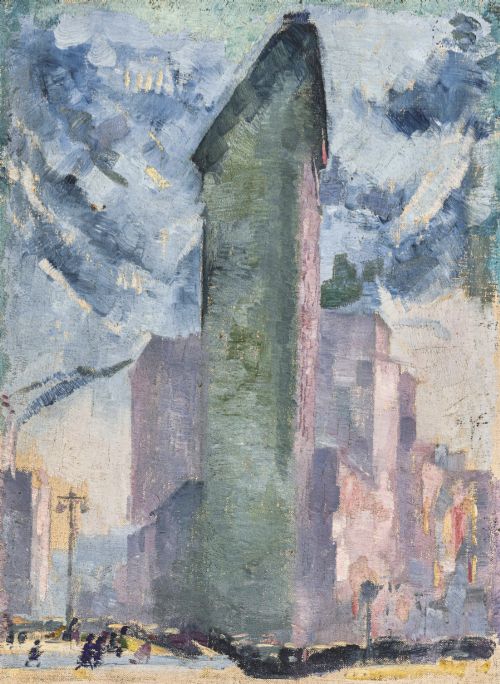
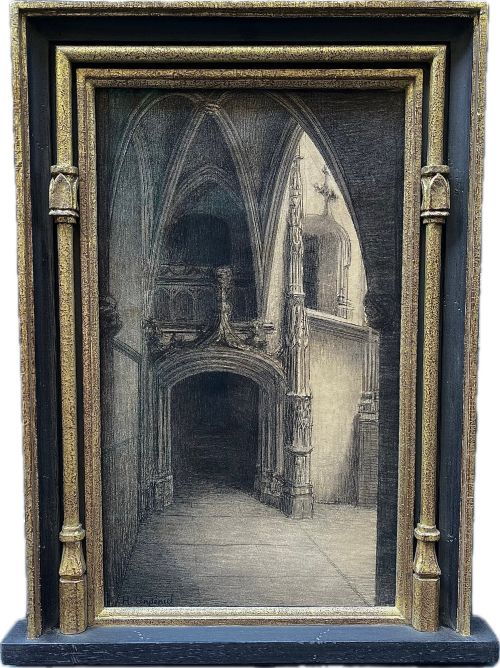
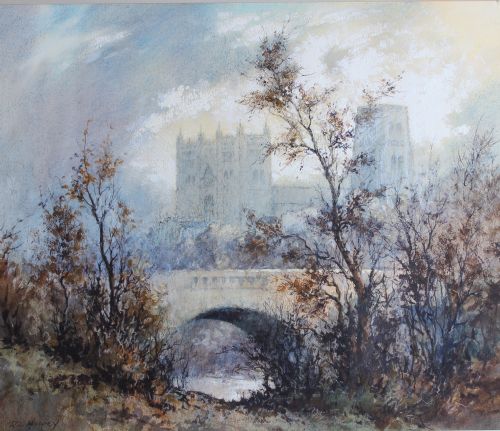
These vintage architectural study pieces capture historic buildings and grand facades, offering buyers a tangible piece of draughtsmanship and design history.
Vintage Architectural Study
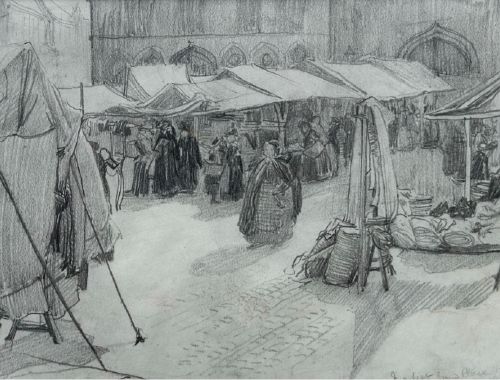
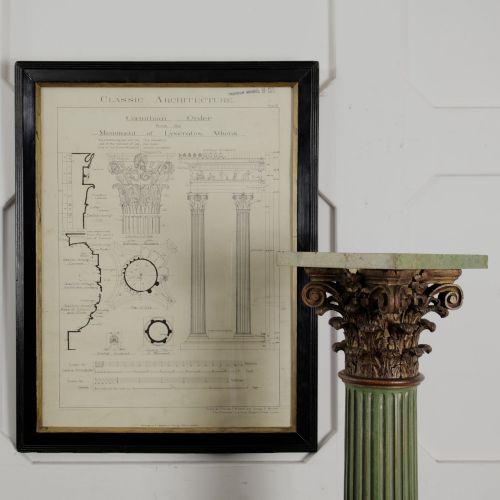
A vintage architectural study encompasses framed prints, original drawings, and detailed watercolours depicting historic structures, cathedrals, and classical orders.
Buyers seeking a vintage architectural study encounter works spanning from the nineteenth century through the mid twentieth century, including grand tour watercolours and technical elevation plates.
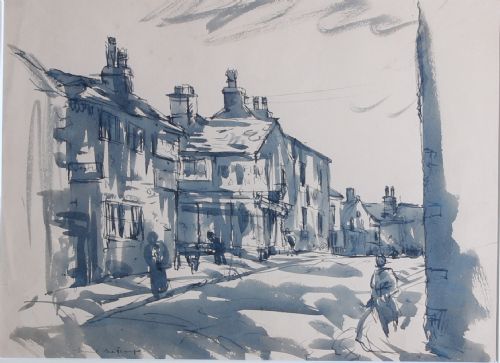
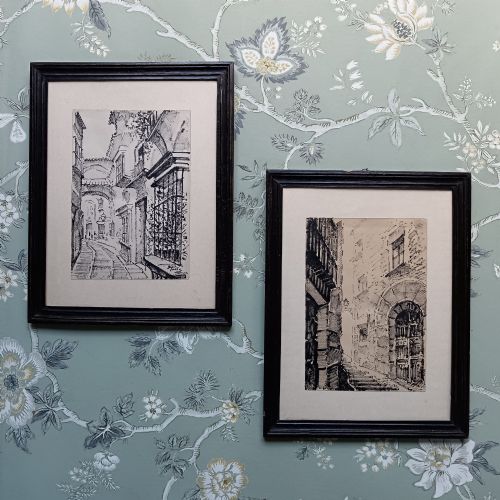
The selection ranges from precise ink and pencil renderings of European monuments to atmospheric depictions of country houses and urban streetscapes.
Materials and execution
Works are executed on paper, canvas, and board, utilising traditional mediums such as watercolour, ink, graphite, pastel, gouache, and oil paint.
Draftsmen and artists applied fine pen work alongside washes of colour, sometimes incorporating gold leaf to highlight decorative facade details.
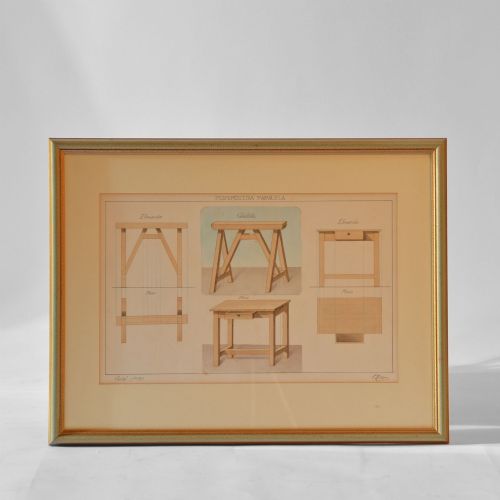
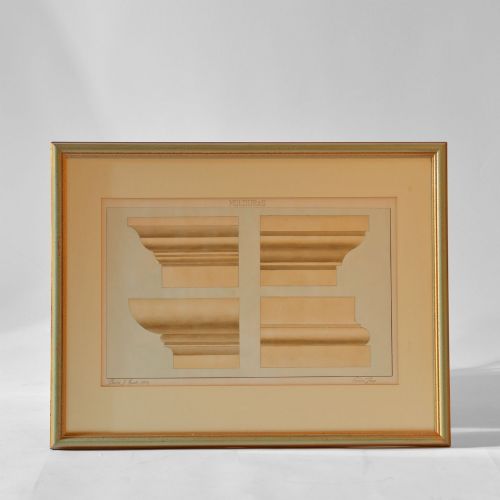
Prints and lithographs emerge from engraved plates and stones, recording complex masonry, classical columns, and intricate tile designs with precise linework.
Vintage Architectural Study Retail Price Guide 2026
Typical asking prices for vintage architectural study among the pieces listed under this phrase on Sellingantiques today, from the lower quarter to the upper quarter. They describe what is for sale here now, not the wider market.
Listings feature works executed in paper, wood, glass, watercolour, ink, graphite, gold leaf, and canvas across the nineteenth and twentieth centuries.
Distinguishing quality
Quality rests in the precision of the draughtsmanship and the accuracy with which perspective, proportion, and structural details are rendered.
Superior examples display a confident command of line and wash, bringing depth and atmospheric clarity to stonework, arches, and spatial compositions.
The sophistication of the subject matter, ranging from academic renderings to evocative topographical views, elevates the visual and historical impact of the piece.
Alfred Wolmark·Robert Leslie Howey·Tom Dudley·Peter Toft
The Vintage Architectural Study Glossary
- Grand Tour
- An extended journey through Europe undertaken by upper-class young men in the eighteenth and nineteenth centuries to study art and architecture. Resulting watercolours and drawings documented classical ruins and notable monuments.
- Corinthian Order
- One of the classical orders of architecture characterised by slender fluted columns and elaborate capitals decorated with acanthus leaves. Plates depicting this order served as educational references for designers and builders.
- Lithography
- A planographic printing process based on the repulsion of oil and water, utilised to produce multiple copies of intricate architectural plans and tile designs. This technique captures fine tonal gradations and sharp linear detail.
- Gouache
- An opaque water-based paint mixed with a finer pigment and a binding agent, creating flat areas of saturated colour. Artists combined gouache with watercolour and ink to add solidity and highlight details in architectural compositions.
Vintage Architectural Study: Frequently Asked Questions
What is a vintage architectural study?
A vintage architectural study is an original drawing, watercolour, or print that depicts buildings, facades, or classical details from past centuries.
These works were created as artistic interpretations, academic exercises, or technical records of historic structures.
How were these studies used historically?
Artists, architects, and travellers produced these studies to record foreign monuments, refine drawing skills, or design decorative schemes for interiors.
Many originated during travels across Europe or as detailed illustrations for architectural portfolios and publications.
How should I frame these works?
Paper works require conservation-grade mounting and framing behind UV-protective glass to prevent fading of watercolours, inks, and graphite.
Keeping the paper away from direct sunlight preserves the delicate pigments and paper integrity over time.
How can I tell the age of a study?
Age is indicated by the paper type, medium, framing style, and stylistic conventions associated with periods like the Victorian era or early twentieth century.
Signatures, artist annotations, and historical subjects often provide further context for dating the piece.