




Vintage Architectural Posts
Vintage architectural posts bring solid structure and striking presence to interior and exterior spaces through enduring columns, lamps, and pillars.
Vintage Architectural Posts
When buyers search for vintage architectural posts, they encounter substantial structural elements designed for lighting, support, and ornamentation. These pieces originate from various eras, spanning nineteenth-century civic settings to mid-century industrial environments.
Victorian examples sit alongside pieces from the 1920s and 1950s, showing how utilitarian ironwork and carved timber evolved across decades. Buyers meet both functional outdoor lighting supports and interior decorative columns on this page.
Materials and construction methods
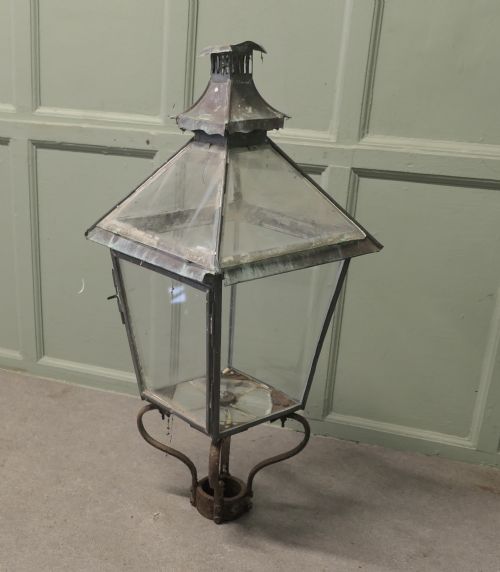
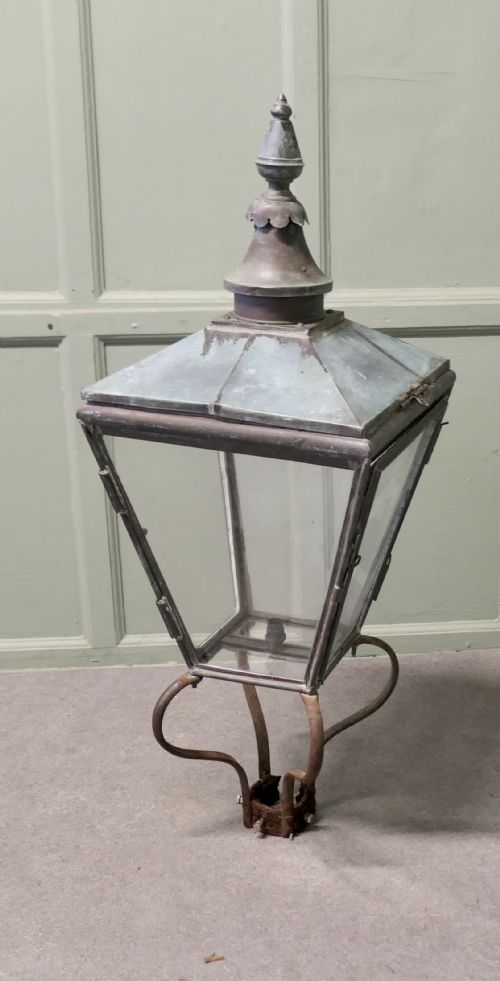
Maker workshops utilised durable cast iron and copper for outdoor posts and street lamps, ensuring resistance to weather and heavy use. Glass elements were integrated into copper lanterns to house light sources securely.
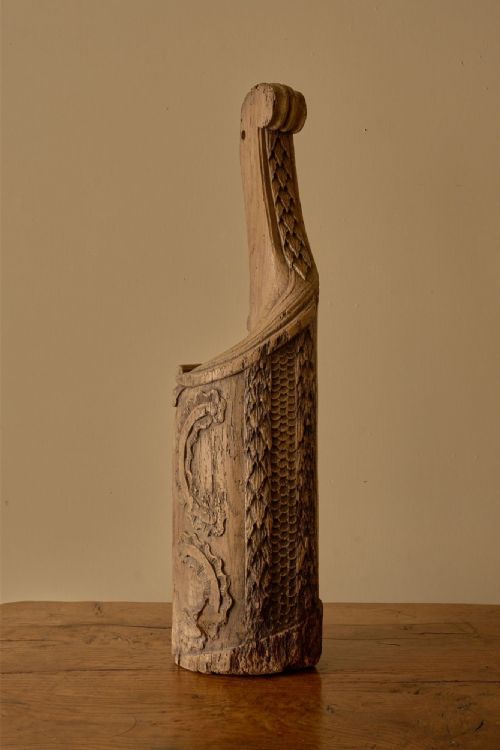
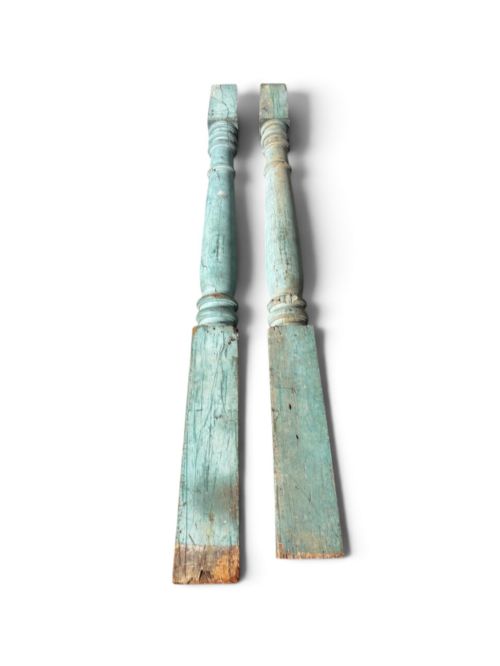
Timber elements rely on hardwoods and oak, shaped through traditional carpentry and carving techniques to form substantial columns and bed posts. Surface finishes such as oil paint add protective layers and colour to the metal and wood structures.
Vintage Architectural Posts Retail Price Guide 2026
Typical asking prices for vintage architectural posts among the pieces listed under this phrase on Sellingantiques today, from the lower quarter to the upper quarter. They describe what is for sale here now, not the wider market.
Cast iron posts occasionally double as polite equine companions, featuring spirited horse heads ready to hold an imaginary carriage reins.
Assessing quality in structural pieces
The distinction between standard utility items and finer examples lies in the crispness of cast iron detail and the depth of timber carving. Superior pieces display clean, sharp moulding lines and well-executed joinery that withstands physical inspection.
Material thickness and original patina heavily influence the standing of a post or column. Heavy-gauge copper, intact original glazing, and substantial iron castings represent the upper tier of manufacturing standards for these functional objects.
A Foster and Pullen Bradford·Revo Tipton
The Vintage Architectural Posts Glossary
- Cast iron
- An iron-carbon alloy poured into moulds to create rigid structural components. This material allowed for mass production of ornate street furniture and architectural hardware during the nineteenth and twentieth centuries.
- Architectural salvage
- Building materials and structural elements rescued from demolition or remodelling. These items retain historical integrity and practical utility for modern interior and exterior design.
- Finial
- A decorative ornament fixed to the apex of a post, gable, or staircase. It provides a formal termination point to vertical architectural elements.
- Hitching post
- A sturdy upright post featuring a ring or decorative top, historically used for tethering horses. Cast iron versions often incorporate sculptural animal heads.
Vintage Architectural Posts: Frequently Asked Questions
What are vintage architectural posts made from?
These items primarily utilise cast iron, copper, and hardwoods such as oak. Individual pieces incorporate glass panels or oil paint finishes to enhance durability and visual appeal.
Material choice depends on the original function, with weather-resistant metals used for outdoor street lighting and dense timbers chosen for interior columns.
How were street lamp posts utilised originally?
Municipalities and private estates installed these posts along roadways, gates, and perimeters to support gas or early electric lanterns. They provided vital illumination for public spaces and grand entrances before modern grid lighting.
Many designs incorporated swan neck brackets or heavy copper housing to protect flame sources from wind and rain.
Can outdoor lamp posts be installed outside today?
Cast iron and copper posts remain inherently suited for exterior placement due to their robust metallic construction. Modern wiring can be integrated into historical lamp columns to restore functional outdoor lighting.
Proper anchoring to concrete foundations ensures structural stability when positioning heavy iron or timber posts in modern gardens.
How do you date a cast iron post?
Stylistic cues, foundry marks, and manufacturing techniques help determine the era of a metal post. Victorian pieces often display ornate decorative motifs, while mid-century examples favour cleaner industrial lines.
Comparing surface patination and assembly methods against documented manufacturing periods provides further chronological context.