





Turned Wooden Posts
Turned wooden posts are sturdy architectural supports and structural elements that bring genuine historical character and craftsmanship to any room.
Turned Wooden Posts
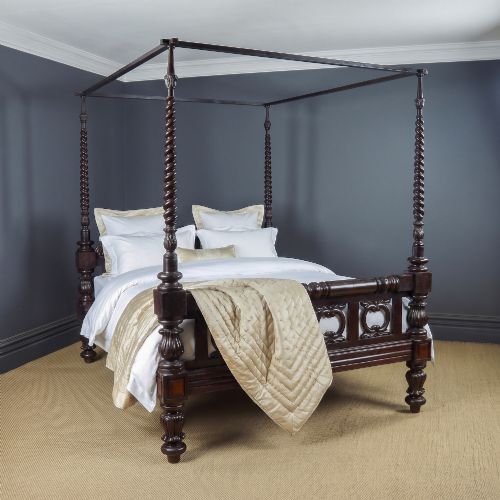
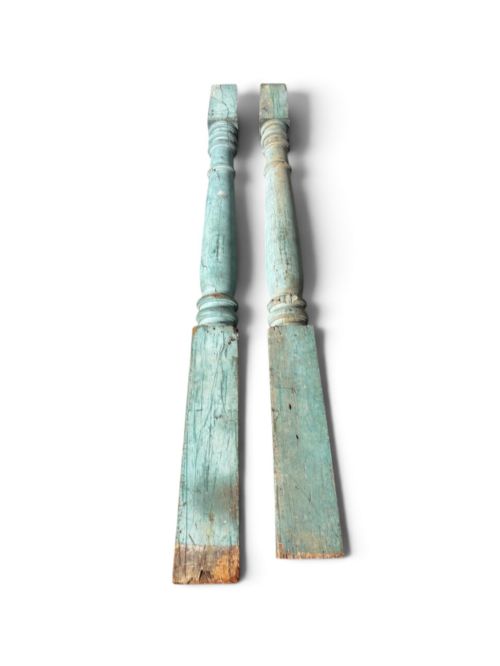
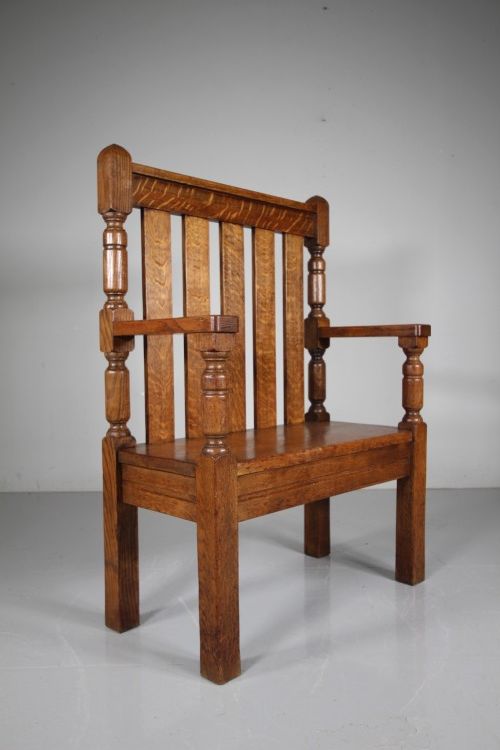
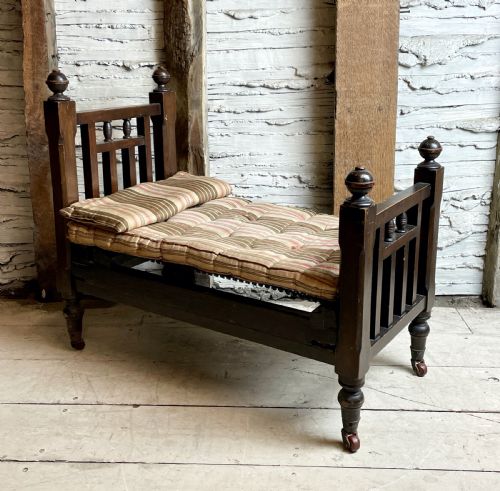
Turned wooden posts include architectural columns, bed posts, and furniture components originating from periods such as the Regency, Victorian, Edwardian, and 1930s eras. Buyers searching for turned wooden posts encounter architectural salvage items like pairs of hardwood columns or carved oak bed posts from the nineteenth century. These pieces reflect diverse stylistic influences spanning Georgian, Arts and Crafts, and Anglo-Indian Colonial designs.
The selection ranges from large architectural pillars to smaller furniture elements like standard lamps and miniature doll beds. Oak, mahogany, and general hardwood dominate the forms, sometimes accompanied by brass details or painted finishes. Each item serves either a decorative interior purpose or retains its original structural function within domestic furniture and salvage contexts.
How they were made
Maker techniques rely on lathe-turning solid timbers such as mahogany, oak, teak, and rosewood into symmetrical shafts and decorative profiles. Artisans shaped these dense hardwoods using traditional hand tools to create the fluted, reeded, and faceted columns seen in architectural salvage and furniture framing.
Many items incorporate structural brass elements or joinery alongside carved wooden details to enhance stability and visual depth. Surface finishes typically involve polished wood grains, natural oil treatments, or historic paint applications applied directly to the timber.
Turned Wooden Posts Retail Price Guide 2026
Typical asking prices for turned wooden posts among the pieces listed under this phrase on Sellingantiques today, from the lower quarter to the upper quarter. They describe what is for sale here now, not the wider market.
What varies in quality
Quality depends upon the selection of timber, ranging from plain utility hardwoods to finely figured mahogany, tiger maple, and quarter-sawn oak. Superior pieces display crisp, deep turning profiles and precise hand-carved detailing that retain their sharpness over centuries.
The integrity of the timber, the absence of excessive structural compromise from past adaptation, and the presence of original surface patination distinguish finer examples from standard utilitarian salvage.
Liberty·Howard and Sons of London·Albert de Belleroche
The Turned Wooden Posts Glossary
- Architectural salvage
- Building elements and structural components rescued from older structures for reuse or decorative display. These items often include columns, pillars, and fireplace surrounds.
- Canterbury
- A low wooden stand featuring partitions, originally designed for holding sheet music or newspapers. They frequently rest on castors and include turned corner posts.
- Reeded
- A decorative moulding consisting of parallel convex strips resembling stacked reeds. This technique is common on classical furniture legs and architectural columns.
- Tiger maple
- Hard maple wood featuring a distinctive undulating grain pattern that resembles tiger stripes. It was particularly favored in American Federal and nineteenth-century cabinetmaking.
- Anglo-Indian Colonial
- Furniture and decorative items produced in the Indian subcontinent under British rule, frequently combining traditional British forms with local tropical hardwoods and intricate carving.
Turned Wooden Posts: Frequently Asked Questions
What are turned wooden posts used for?
Turned wooden posts function primarily as architectural salvage, structural columns, or decorative components for beds and freestanding furniture.
Buyers often repurpose architectural columns as interior display elements or integrate salvaged bed posts into bespoke room designs.
How do I identify Victorian turned posts?
Victorian turned posts typically feature heavier proportions, dense hardwoods like mahogany or oak, and deep, robust turning profiles.
Comparison with earlier Regency or Georgian examples reveals a shift toward denser ornamentation and darker timber finishes during the nineteenth century.
Are these posts suitable for modern interiors?
These posts integrate well into contemporary spaces by adding historical texture, architectural weight, and traditional craftsmanship to a room.
They work effectively as standalone sculptural objects or as part of restored furniture arrangements in eclectic settings.
What woods were commonly used?
Makers relied on durable hardwoods such as mahogany, oak, teak, rosewood, and tiger maple for strength and aesthetic grain patterns.
Selection depended on the period and regional style, with British pieces favouring native oak alongside imported colonial mahogany.