
19th Century Carved Columns
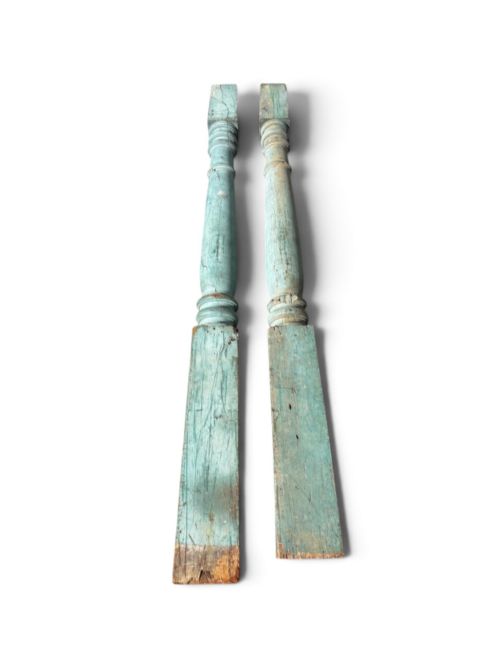
These 19th century carved columns bring architectural presence and solid timber warmth to a room.
19th Century Carved Columns
When searching for 19th century carved columns, buyers find structural supports, torcheres, pedestals, and architectural salvage pulled from diverse settings. Pieces span the Victorian era, William IV, Regency, and Georgian periods, originating from English, French, Swedish, Italian, and colonial workshops.
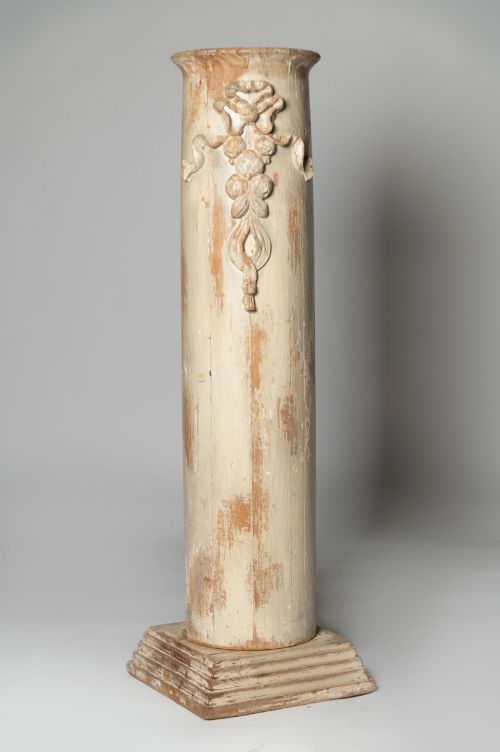
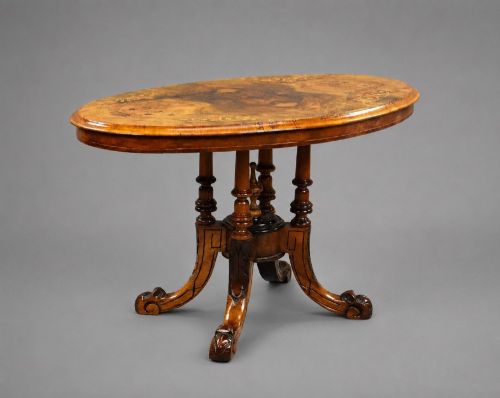
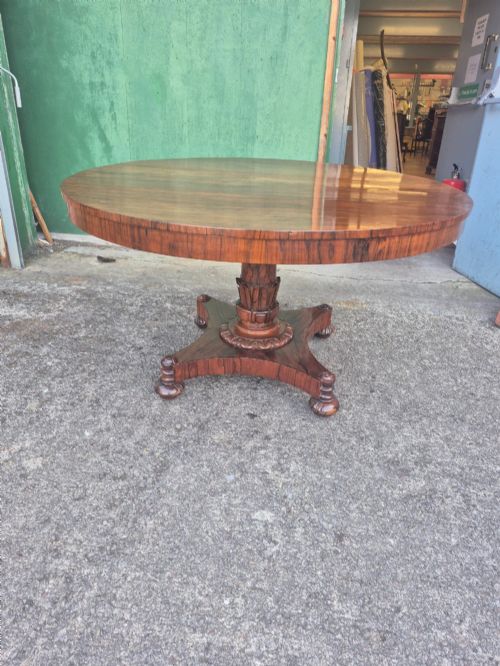
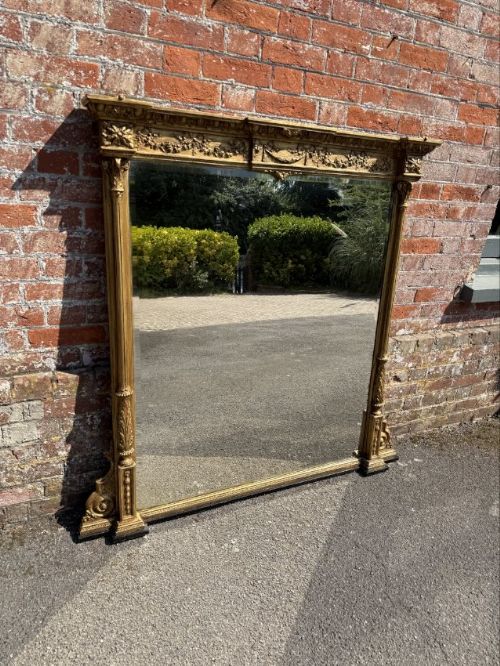
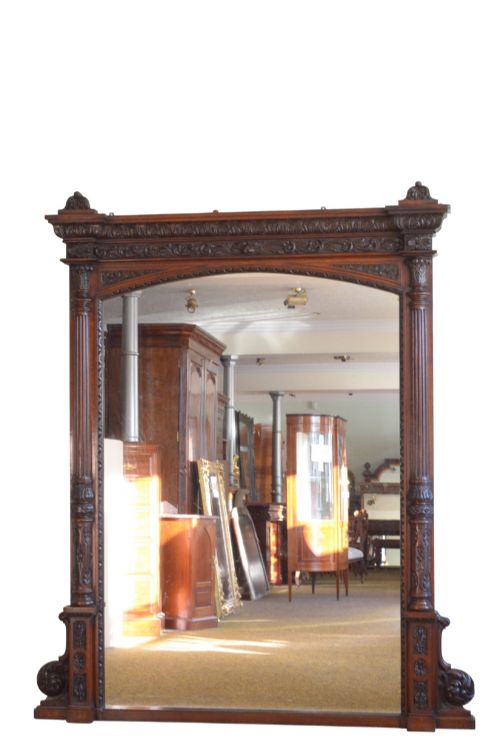
The selection ranges from pairs of freestanding timber pillars and stone shafts to column-framed overmantel mirrors and decorative plant stands. Walnut, mahogany, oak, pine, and marble appear alongside gilt wood and gesso finishes.
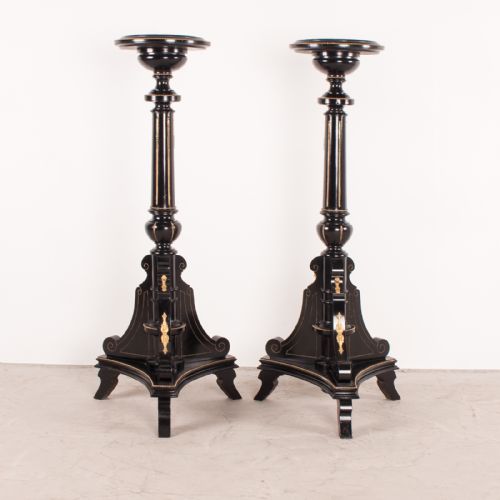
Floor-standing torchieres and pedestal stands provide vertical punctuation in a scheme, while mirror frames integrate classical column motifs directly into domestic furniture.
Factors of quality
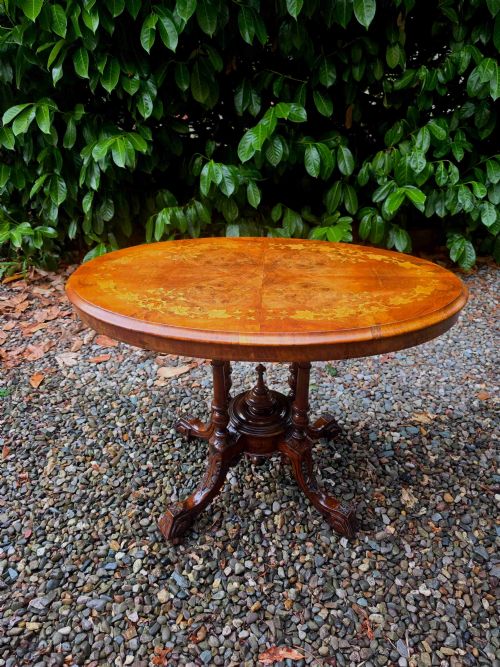
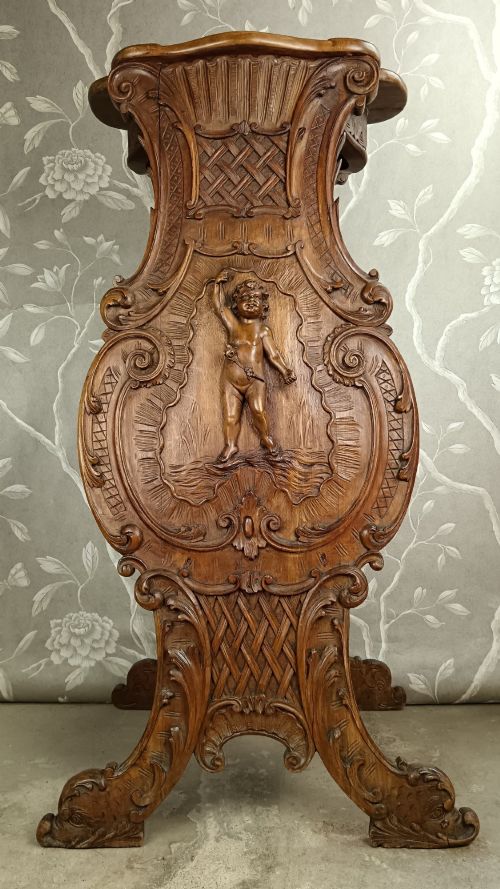
The standard of a carved column rests in the crispness of the hand-carving and the depth of the timber grain, particularly in burr walnut and figured mahogany. Superior examples display balanced proportions, intact gilding or original paint surfaces, and stable structural joinery.
Pieces tied to specific design revivals, such as Italian Renaissance, Gothic, or Egyptian Revival, achieve distinction through faithful adherence to classical architectural proportions and precise detail work.
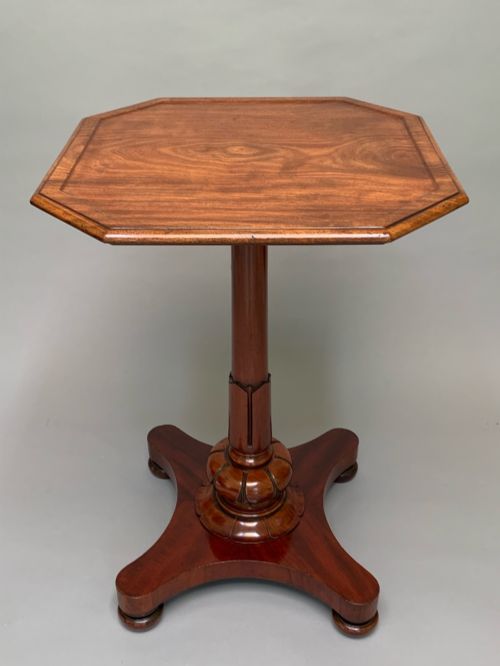
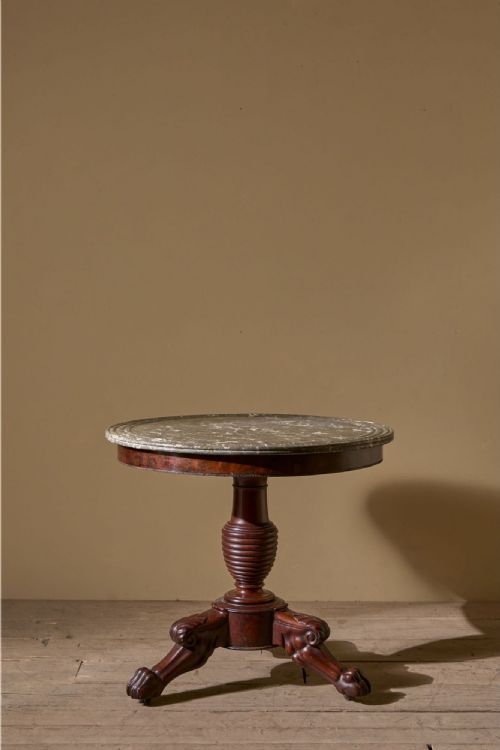
The inventory includes architectural salvage, overmantel mirrors with column frames, plant stands, torchieres, and French Gueridon tables.
The 19th Century Carved Columns Glossary
- Torchere
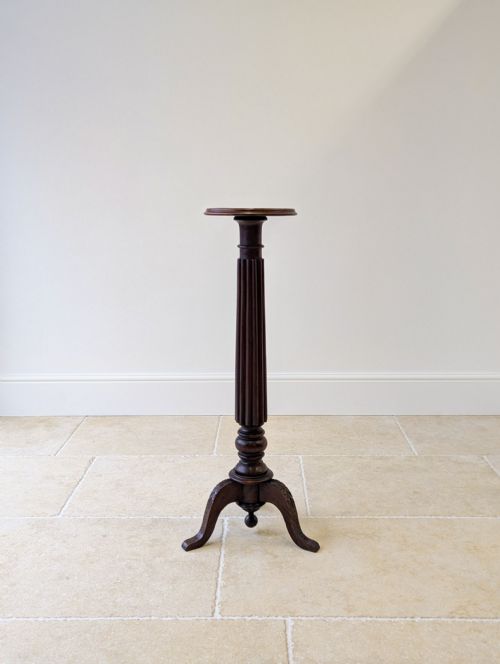
- A tall stand designed to hold a lamp or candle. These slender vertical supports often feature carved shafts and tripod bases.
- Gesso
- A plaster-like mixture applied to wood surfaces to prepare them for gilding or painting. It allows for crisp, moulded decorative relief work.
- Gueridon
- A small decorative stand or table, frequently round and supported by a central column or pedestal. French makers produced numerous variations during the nineteenth century.
- Pier mirror
- A tall mirror designed to hang on the wall between windows, often incorporating flanking columns or pilasters. They frequently feature carved wood and gesso gilt frames.
- Pedestal
- A structural support or stand for a bust, urn, or lamp. These architectural bases elevate decorative objects within a room.
19th Century Carved Columns: Frequently Asked Questions
How were columns used in 19th century homes?
Nineteenth-century interiors utilised columns and pedestals as display surfaces for lamps, plants, and art objects. Freestanding pillars also served as decorative architectural elements or structural fragments salvaged from grand buildings.
Mirrors framed with columns were hung between windows to reflect light and expand spatial perception. Smaller stands functioned as occasional tables or torchieres in reception rooms.
How do I style a carved column today?
These pieces integrate easily into contemporary or traditional interiors as sculptural focal points in corners or hallways. A sturdy pedestal holds a lamp, vase, or sculptural bust without occupying significant floor space.
Paired columns frame doorways or anchor large wall mirrors, adding vertical emphasis to rooms with high ceilings. Unadorned architectural salvage pieces stand alone as textured displays of historic craftsmanship.
What woods were used for these columns?
Cabinetmakers relied on dense, durable timbers including mahogany, walnut, and oak for their structural integrity and fine grain. Burr walnut and figured mahogany provided highly decorative surfaces for high-status pedestals and tables.
Pine and exotic timbers like mango wood appeared in regional pieces or colonial imports, frequently receiving paint, gesso, or ebonised finishes. Gilt wood treatments added reflective brightness to architectural mirror frames.
How do I identify the period of a column?
Dating relies on stylistic clues, timber choice, and construction methods characteristic of specific nineteenth-century decades. Regency and William IV pieces often display classical proportions and rich mahogany, while Victorian items embrace varied revivals like Gothic or Italian Renaissance.
Material combinations, such as Siena marble paired with carved wood or gilt gesso, point towards specific nineteenth-century manufacturing centres and Grand Tour influences.