




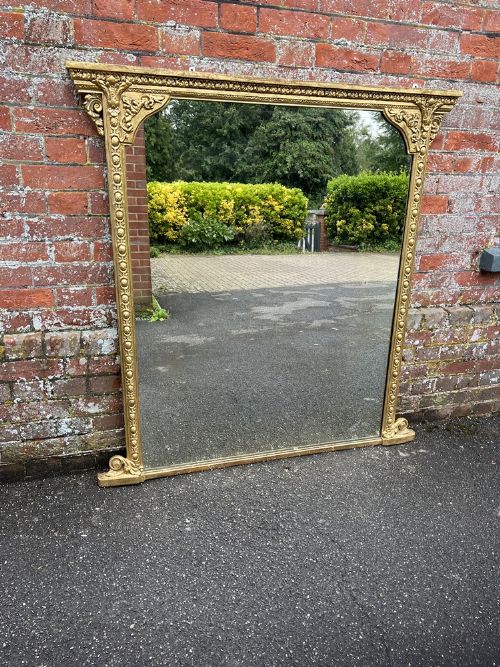


Vintage Architectural Mirror
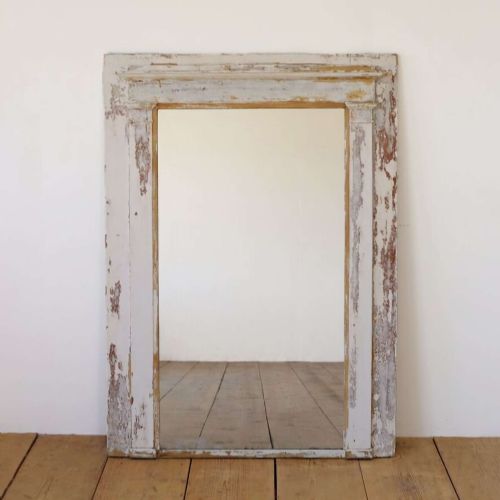
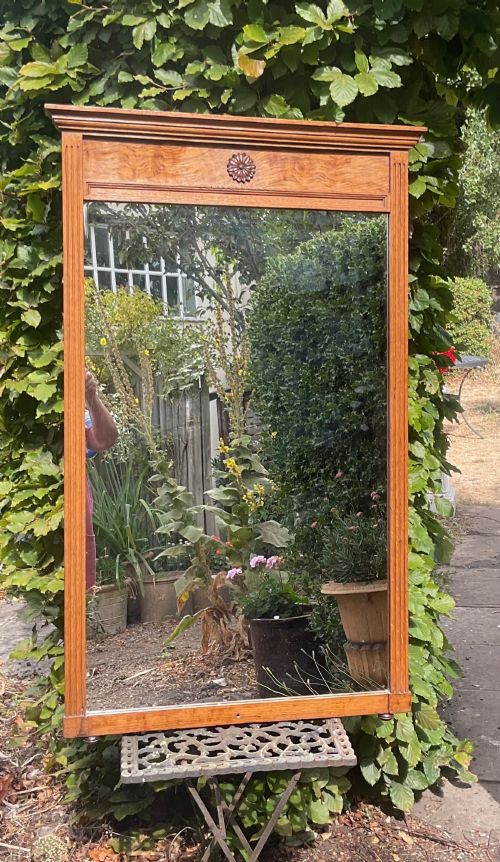
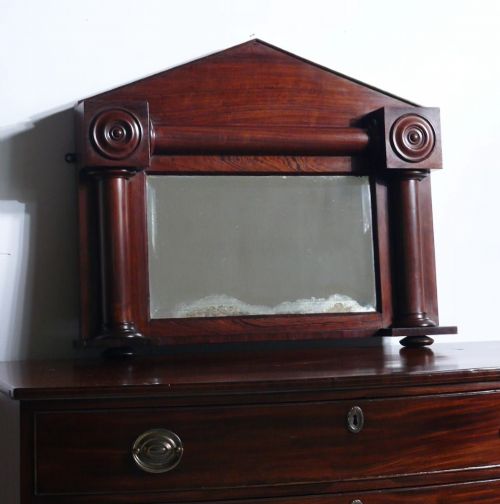
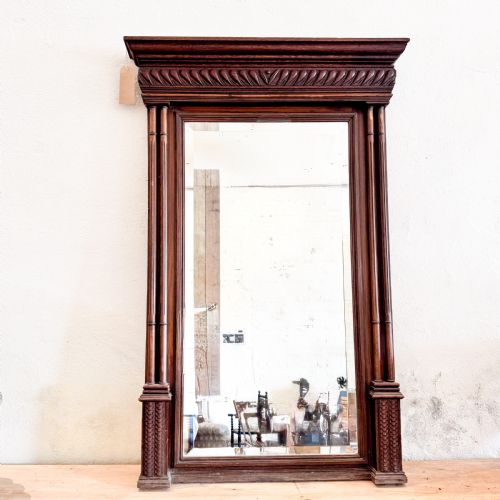
A vintage architectural mirror brings structural proportion and deep reflection into a room, drawing the eye with classic columns, arches, and heavy frames.
Vintage Architectural Mirror
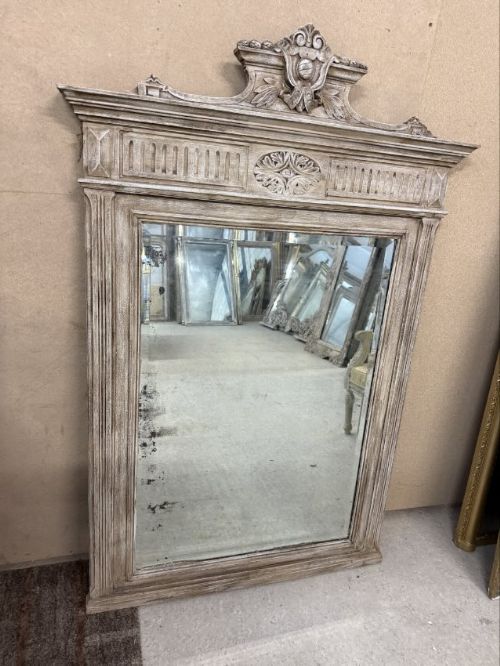
A vintage architectural mirror adapts building elements such as arched windows, pediments, and classical columns for interior walls. You will frequently encounter overmantle mirrors and large wall pieces spanning the nineteenth century alongside later twentieth-century interpretations.
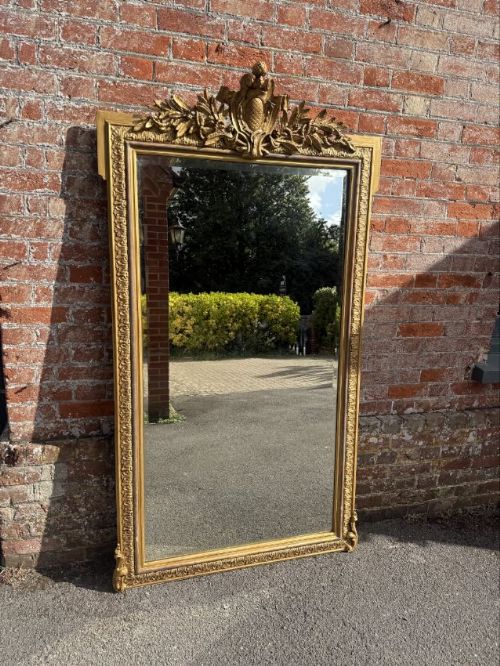
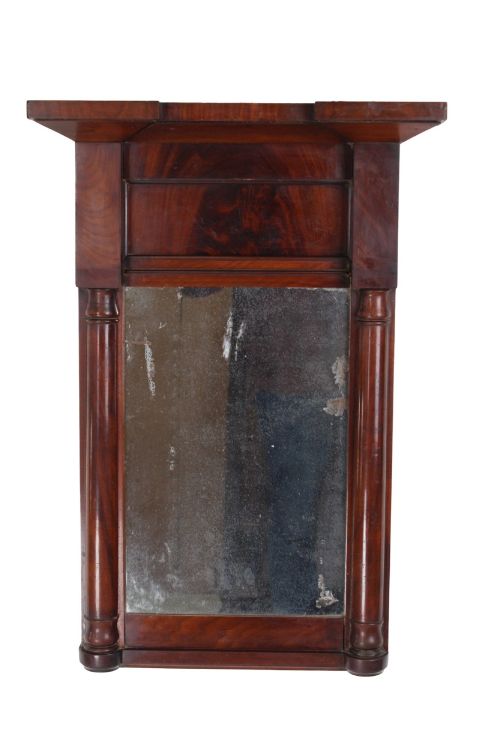
The selection ranges from grand giltwood and gesso pieces with arched tops to French trumeau mirrors, oak frames, and mahogany pier mirrors designed to sit between windows.
These items borrow heavily from Regency, Victorian, and Neoclassical styles, incorporating structural wooden frameworks that mimic classical facades or monumental building masonry.
Materials and construction of architectural mirrors
Makers built the foundational frames of these mirrors using solid woods such as oak, mahogany, walnut, and rosewood, often applying gesso over carved wood to build up sculptural relief details before applying gold leaf or paint.
Giltwood and painted finishes provide the surface character, while heavy mirror glass is set within deep rebates, sometimes accompanied by applied side columns and architectural mouldings.
Vintage Architectural Mirror Retail Price Guide 2026
Typical asking prices for vintage architectural mirror among the pieces listed under this phrase on Sellingantiques today, from the lower quarter to the upper quarter. They describe what is for sale here now, not the wider market.
Several mirrors come with their original glass intact, meaning they have spent over a century watching rooms change around them.
Understanding quality in architectural mirrors
Quality rests in the depth and crispness of the hand-carved woodwork and the integrity of the underlying gesso ornamentation. Superior examples maintain sharp architectural details on columns and pediments without softening from excessive past restoration.
The relationship between the heavy frame and the original mirror plate dictates the piece's authority. Well-balanced proportions and substantial timber construction separate ordinary wall hangings from monumental architectural pieces.
The Vintage Architectural Mirror Glossary
- Giltwood
- Wood that has been coated with thin gold leaf over a prepared base. This finish is commonly seen on nineteenth-century overmantle frames.
- Gesso
- A plaster-like mixture applied to wood frames and carved into relief details. It provides a smooth surface for gilding or painting.
- Trumeau
- A decorative wall mirror featuring a painted panel or artwork integrated above the glass plate. These French pieces often incorporate classical motifs.
- Pier mirror
- A tall, narrow mirror designed to hang on the pier of wall space situated between two windows. They frequently match small console tables.
- Overmantle mirror
- A wide mirror made specifically to sit on the wall directly above a fireplace mantelpiece. These often reflect the full width of the hearth.
Vintage Architectural Mirror: Frequently Asked Questions
Where should I hang an architectural mirror?
These mirrors suit locations where they can command a wall, such as above a fireplace mantel or in a hallway to amplify natural light and space.
Ensure the wall structure can support the substantial weight of timber and glass before mounting large nineteenth-century pieces securely.
How do I identify a Victorian mirror?
Victorian examples often display heavy carved wooden frames, oak or walnut construction, and formal decorative motifs derived from revival styles.
Examine the backboards, fixings, and glass bevelling for signs of nineteenth-century manufacturing methods and honest ageing.
What is a trumeau mirror?
A trumeau is a traditional French wall mirror that incorporates an oil painting or carved wooden panel directly above the glass frame.
Originating from classical interior decoration, these pieces combine wall panelling with reflective glass to create a unified architectural feature.
Are these mirrors made from original building salvage?
Many pieces adopt architectural forms like arched windows, columns, and tabernacle frames to echo exterior structures within interior spaces.
They rely on traditional cabinet-making techniques using materials like painted wood, giltwood, and gesso to achieve their monumental building-inspired aesthetic.