
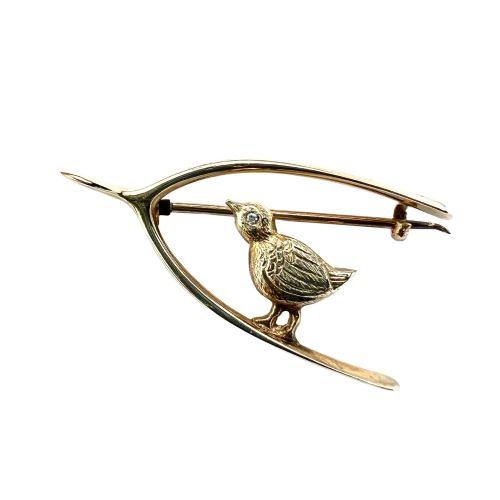


Vintage Animal Lapel Pin
These vintage animal lapel pin selections capture fauna in precious metals and gemstones, offering character and craftsmanship for modern lapels.
Vintage Animal Lapel Pin
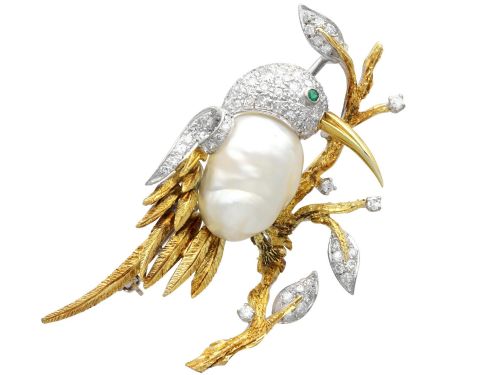
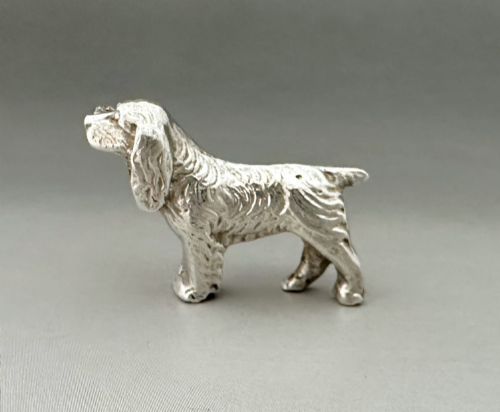
A vintage animal lapel pin brings miniature sculptural form to tailoring, capturing dogs, birds, and amphibians in precious metals. These items span eras from the Victorian and Edwardian periods through the nineteen-twenties, nineteen-forties, and mid-century nineteen-sixties. The offerings include canine figures like spaniels and poodles alongside avian subjects such as chicks, ducks, pheasants, and owls.
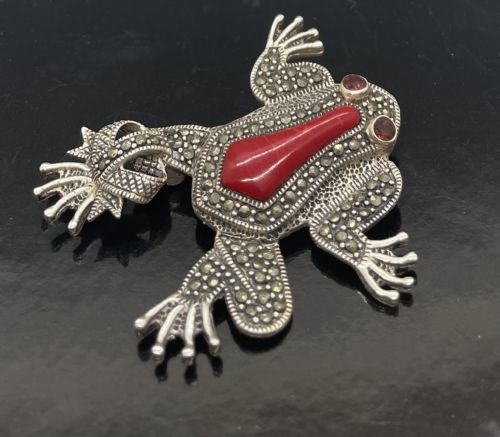
Makers utilised various stylistic approaches, moving from realistic Victorian equestrian and Edwardian finesse to mid-century novelty and retro designs. Buyers encounter silver, yellow gold, and platinum structures embellished with gemstones including diamonds, rubies, sapphires, emeralds, and garnets. Some examples incorporate marcasite or enamel to define plumage and texture.
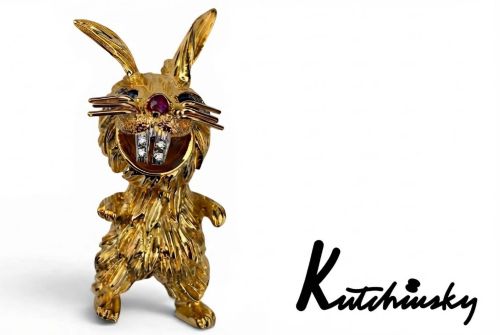
The selection ranges from playful frogs and rabbits to sporting motifs like the vintage country sport pheasant. Each piece functions primarily as a brooch or pin, designed to fasten securely to lapels, collars, and hats.
How They Were Made
Goldsmiths constructed these pins using traditional casting and hand-fabrication techniques in gold, silver, and platinum. Precious metals were shaped to form the anatomical contours of animals, creating realistic or stylised silhouettes.
Gemstone setting required precision, with diamonds, rubies, sapphires, and emeralds flush-set, claw-set, or bead-set into the metallic surfaces. Details such as feathers, fur, and facial expressions were achieved through hand-engraving, enamel work, or the application of marcasite stones.
Listings feature items from the Victorian, Edwardian, and mid-century periods, constructed in silver, gold, and platinum with diamonds, rubies, and sapphires.
What Varies in Quality
Quality rests upon the precision of the metalwork and the integration of the stones. Finer examples display crisp casting and careful hand-finishing that articulates feathers and fur without obscuring the underlying metal form.
The choice of materials distinguishes different tiers of manufacture, with platinum and high-carat gold paired with significant diamond, ruby, or sapphire pavé work representing higher levels of workshop output. Maker attribution, such as signatures from established firms, further elevates the standing of an individual piece.
Kutchinsky·Ben Rosenfeld·E. Wolfe & Co.
The Vintage Animal Lapel Pin Glossary
- Marcasite
- Small, faceted pieces of iron pyrite set into silver jewellery to provide dark, metallic sparkle. This material was frequently utilised in mid-century and earlier novelty pins to simulate texture.
- Pavé
- A setting technique where small gemstones are positioned closely together with minimal visible metal, creating a continuous surface of sparkle. This method appears on gemstone-heavy animal bodies.
- Novelty brooch
- A whimsical or pictorial jewellery form designed to represent objects, animals, or figures rather than abstract patterns. These pieces gained popularity during the mid-century decades.
- Wishbone
- A traditional symbol of good luck incorporated into jewellery designs, often paired with animal figures. Edwardian makers frequently combined this motif with avian subjects.
- Equestrian
- A style inspired by horses, riding equipment, and country sporting life. Victorian and vintage interpretations often translate this aesthetic into wearable pins.
Vintage Animal Lapel Pin: Frequently Asked Questions
How do I wear a lapel pin?
Pin the piece securely through the buttonhole or the fabric of a left jacket lapel. Ensure the weight of the metal and gemstones balances correctly so the animal sits upright.
Heavier platinum and diamond designs require sturdy tailoring, whilst lighter silver pieces suit lighter fabrics.
What periods do these pins represent?
The selection spans the Victorian, Edwardian, and mid-twentieth century eras. Each period brings distinct aesthetic choices, from ornate Edwardian diamond work to playful nineteen-sixties novelty designs.
Stylistic cues help differentiate the eras, such as the naturalism of earlier pieces versus the stylised forms of the mid-century.
Are these pieces made of solid gold?
Makers utilised various purities of precious metal, including nine-carat and eighteen-carat yellow gold, alongside silver and platinum. Hallmarks and stamps often indicate the specific metal content used in the construction.
Checking the reverse of the pin typically reveals these marks alongside any maker signatures.
How should I care for gemstone animal pins?
Store each pin individually in a soft pouch to prevent the metal and gemstones from scratching neighbouring items. Clean silver and gold gently with a specialist polishing cloth, avoiding harsh chemicals that might affect enamel or delicate stone settings.
Professional inspection helps ensure prong settings remain secure over time.