





Vintage Animal Etching
These vintage animal etching works capture naturalism and character across paper, vellum and bronze through centuries of printmaking.
Vintage Animal Etching
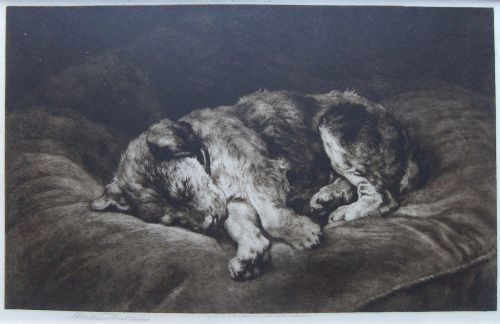
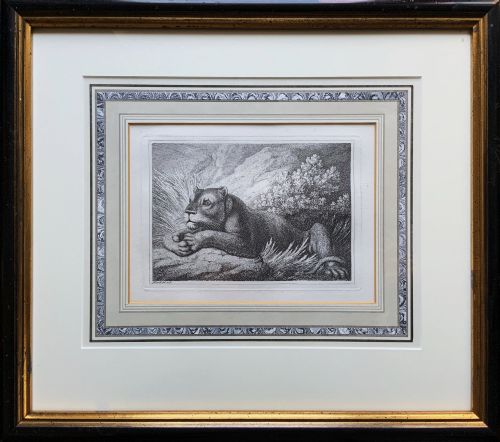
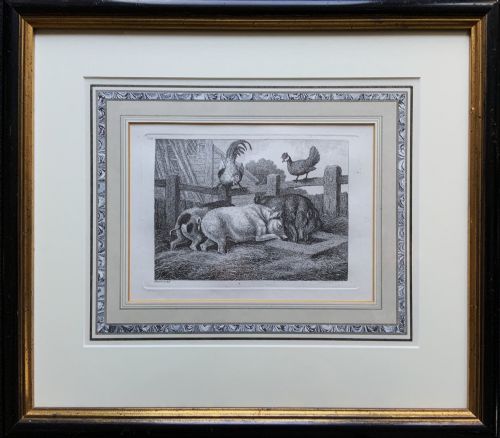
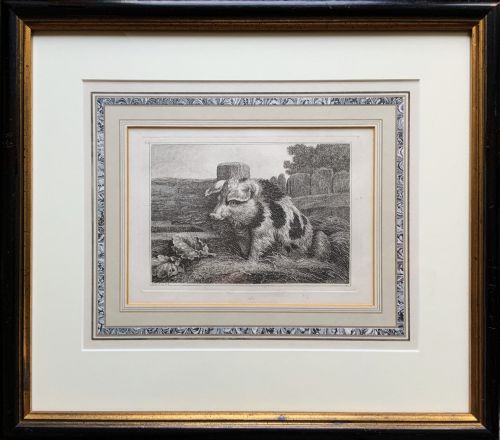
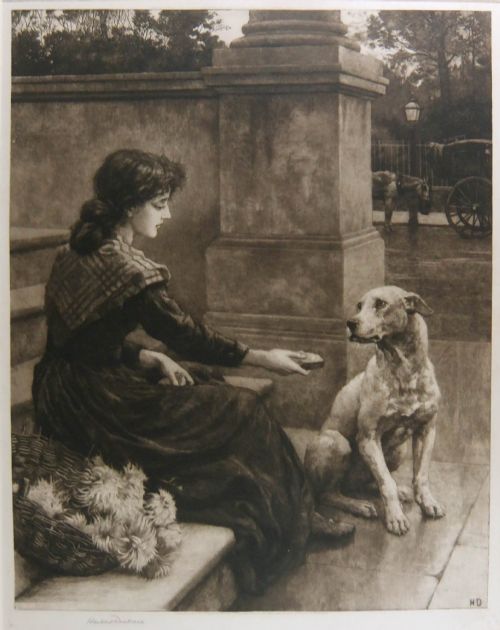
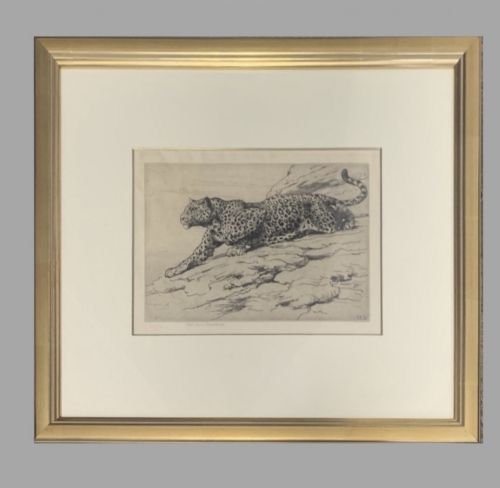
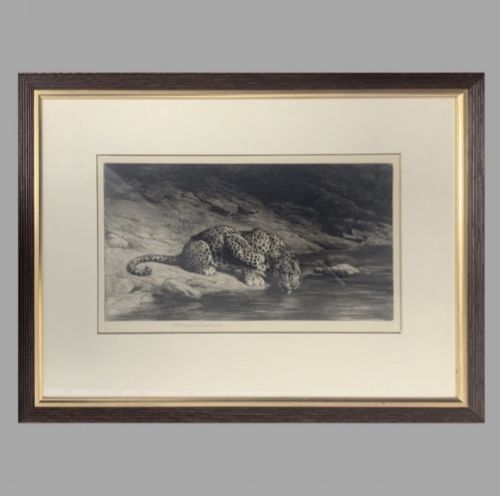
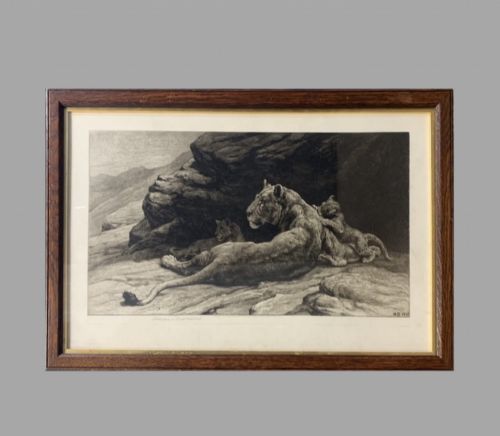
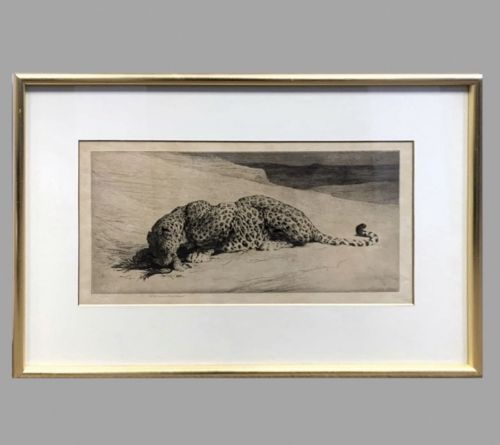
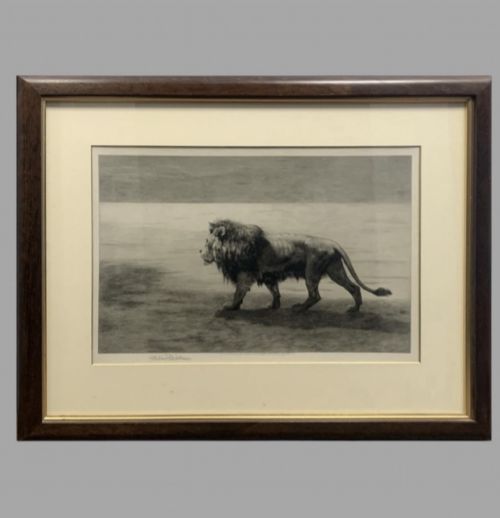
When you search for vintage animal etching, you encounter fine art prints depicting wildlife, farm animals and domestic pets rendered by printmakers spanning the Georgian, Victorian, Edwardian and early twentieth-century periods. These works capture subjects ranging from wild leopards and lions to farmyard pigs, dogs and horses with notable detail.
You are most likely to meet framed etchings and drypoints on paper or vellum, alongside occasional bronze sculptures and decorative art pieces that incorporate animal themes. The selection extends from large signed artist proofs to miniature studies and engraved plates produced across Britain, Europe and China.
How they were made
Makers produced these works using traditional intaglio techniques, working ink into incised lines on metal plates before pressing the image onto paper or vellum. Artists utilised drypoint methods directly on the plate to achieve soft burrs and velvety lines, particularly visible in detailed animal fur and musculature.
Framing materials reflect the period of production, incorporating wood, gilt wood and gold leaf alongside protective glass. Certain pieces utilise vellum as a primary support surface, offering a smooth, durable finish that preserves fine ink detail over centuries.
Vintage Animal Etching Retail Price Guide 2026
Typical asking prices for vintage animal etching among the pieces listed under this phrase on Sellingantiques today, from the lower quarter to the upper quarter. They describe what is for sale here now, not the wider market.
Materials documented across the collection include paper, vellum, bronze, glass, ink, wood and gold leaf.
What varies in quality
Quality rests primarily in the precision of the plate work and the subtlety of the printed impression, where skilled printmakers capture texture, light and shadow across the animal subject. Signed artist proofs generally represent a higher tier of production than unsigned or later impressions.
The choice of support material also differentiates the range, with fine vellum and high-grade paper providing superior longevity and visual depth compared to standard print media. Additionally, the crispness of the ink transfer dictates the overall fidelity of the finished artwork.
Samuel Howitt·Kurt Meyer-Eberhardt·Herbert Dicksee
The Vintage Animal Etching Glossary
- Etching
- A printmaking technique where acid cuts into unprotected parts of a metal plate to hold the ink. This process allows artists to achieve fine, fluid lines.
- Drypoint
- A printmaking method where the artist scratches directly into the metal plate with a sharp needle. This creates a raised ridge of metal called a burr, which holds ink for a velvety printed line.
- Vellum
- A fine parchment made from prepared calfskin or other skin, used as a durable writing and printing surface. It provides a smooth texture that holds ink with exceptional clarity.
- Artist Proof
- A trial impression printed for the artist to examine and approve before the main edition is produced. These proofs are typically signed by the creator.
- Engraving
- A printmaking process where an artist cuts lines directly into a metal plate using a hardened steel tool called a burin. It produces clean, precise lines distinct from acid-bitten etching.
Vintage Animal Etching: Frequently Asked Questions
What is a drypoint etching?
A drypoint is an intaglio print where the maker scratches the design directly into a metal plate using a sharp point rather than using acid. This technique leaves a distinctive burr of metal that catches the ink during printing.
This method creates softer, richer lines compared to standard engraved plates, giving animal subjects a textured, lifelike appearance on paper or vellum.
How do I care for antique paper art?
Protect paper and vellum works by keeping them away from direct sunlight and maintaining stable indoor humidity levels. Framing with acid-free materials and UV-resistant glass prevents fading and discolouration over time.
Avoid hanging prints in damp areas like kitchens or bathrooms to protect the paper supports and wooden frames from moisture damage.
Are signed artist proofs more desirable?
Signed artist proofs generally hold greater interest for collectors because they were personally inspected and approved by the printmaker. These impressions often show exceptional clarity and detail from early in the printing run.
Signatures in pencil beneath the image confirm the artist's direct involvement in producing that specific impression.
How can I tell the period of a print?
Dating relies on stylistic clues, framing materials, paper types, and documented active years of the artist or publisher. Victorian and Edwardian works often feature specific framing styles and typography on the mount.
Checking signatures against known working dates helps place the piece within the Georgian, Victorian, or early twentieth-century eras.