


Vintage Animal Brooch
A vintage animal brooch brings miniature sculpture to a lapel, offering charm and character through precious metals and gemstones.
Vintage Animal Brooch
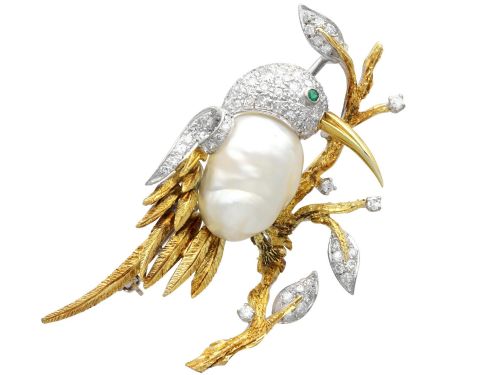
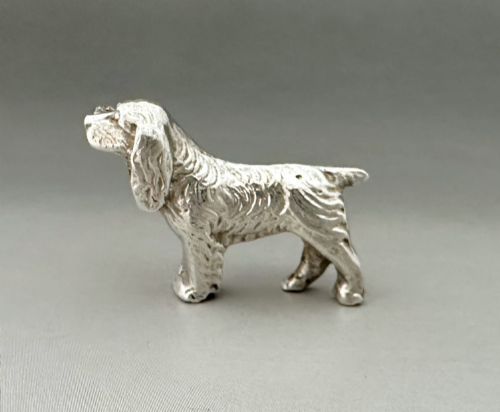
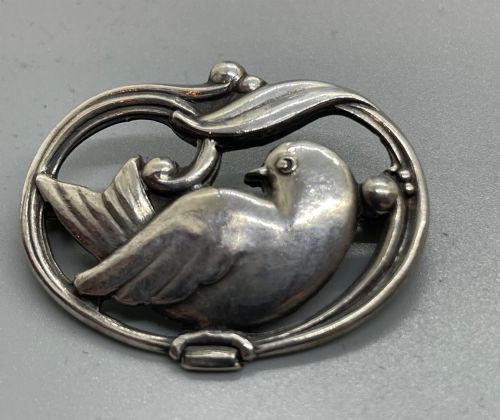
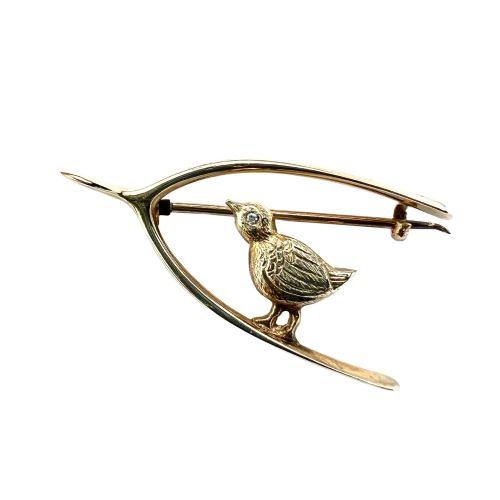
The pieces appearing on this page favour specific fauna, notably dogs such as poodles and spaniels, alongside birds like chicks, ducks, and owls, plus amphibians and reptiles including frogs and lizards. These subjects draw on styles from Victorian equestrian work to mid-century Danish modernism and vintage country sport aesthetics.
Materials and construction
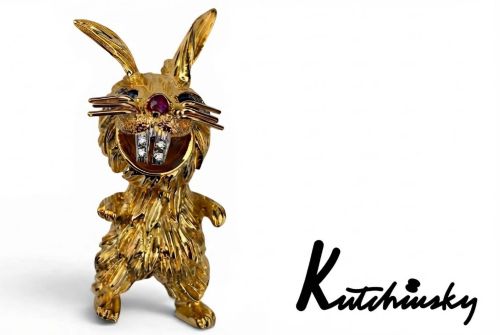
Makers formed these brooches using precious metals including yellow gold in nine, twelve, and eighteen carat weights, alongside sterling silver, platinum, and standard silver. Gemstones such as diamonds, rubies, sapphires, garnets, peridots, and marcasite add colour and detail to bodies and eyes.
Techniques combine traditional casting and metalwork with stone setting and enamelling, creating textured feathers, fur, and scales. Certain pieces integrate organic elements like mother of pearl alongside precious gems and metals.
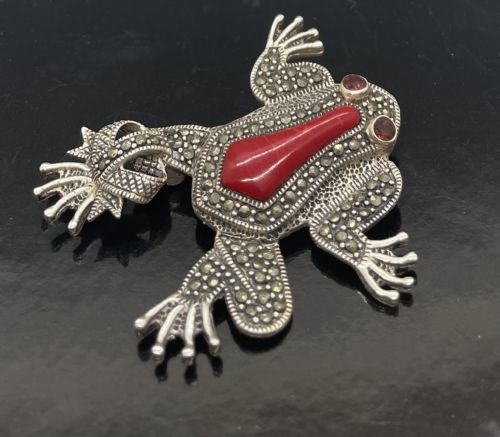
Frogs emerge in both sparkling marcasite silver and diamond-set platinum, proving amphibians hold a surprisingly glamorous place in the menagerie.
Assessing quality in animal brooches
Signatures from notable makers elevate a piece, as do well-documented assay marks and London hallmarks. The choice of stones, from high-carat diamonds and matched rubies to fine enamelling, dictates the upper tier of the range.
Kutchinsky·Ben Rosenfeld·E. Wolfe & Co·Asprey
The Vintage Animal Brooch Glossary
- Marcasite
- Pyrite cut into small facets and set in silver to create a sparkling, metallic texture. This material frequently appears in mid-century and art deco designs for its dark, glittering finish.
- Paste
- Hand-cut glass used to imitate gemstones in antique and vintage jewellery. It provides bright colour and brilliance without natural stone costs.
- Assay mark
- A stamp indicating the purity of precious metal content, applied by an official office. These marks help date and authenticate gold and silver pieces.
- Equestrian style
- A design aesthetic inspired by horses, riding equipment, and country sports. This motif recurs frequently in victorian and vintage brooches.
Vintage Animal Brooch: Frequently Asked Questions
How do I wear an animal brooch?
Pin the piece securely to the lapel of a jacket, coat, or chunky knitwear where the fabric can support the weight. Heavier gold and gem-set designs sit best on structured garments.
Position the brooch near the shoulder or collarbone to ensure the animal faces inward towards the wearer's face.
Are these brooches solid gold?
The evidence shows pieces made in various gold standards, including nine, twelve, and eighteen carat yellow gold, alongside silver and platinum. Each piece is hallmarked or tested to confirm its specific metal purity.
Makers selected different alloys based on the required strength for delicate animal limbs and feather details.
How do I date an animal brooch?
Dating relies on hallmarks, maker marks, and stylistic clues that point to periods like the Edwardian era, Art Deco, or mid-century modernism. Materials such as platinum or specific gemstone cuts also indicate the manufacturing era.
Comparing the clasp type and construction methods provides further evidence of the decade of production.
What is country sport style?
Country sport jewellery depicts animals and birds associated with rural pursuits, such as pheasants, spaniels, and ducks. These designs reflect a long British tradition of celebrating field sports through personal ornaments.
Such pieces often utilise textured metals and naturalistic gemstone eyes to capture the likeness of game and working animals.