

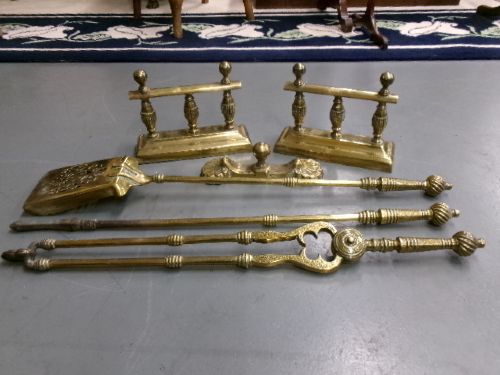
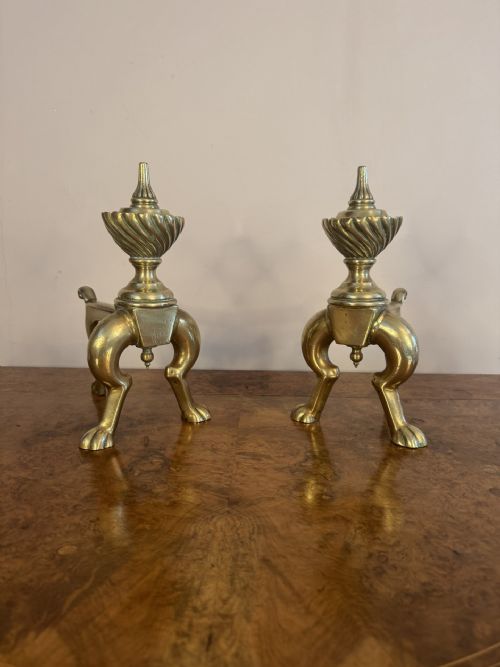
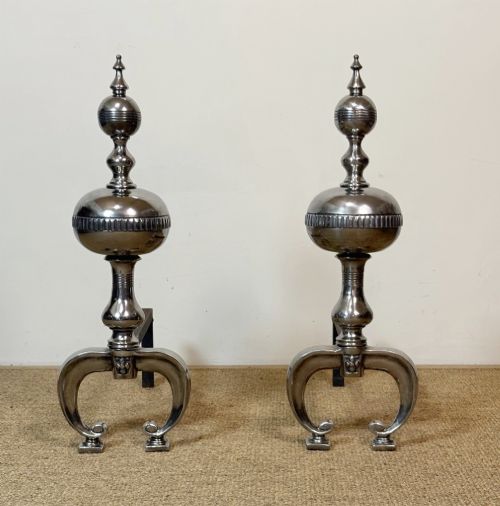
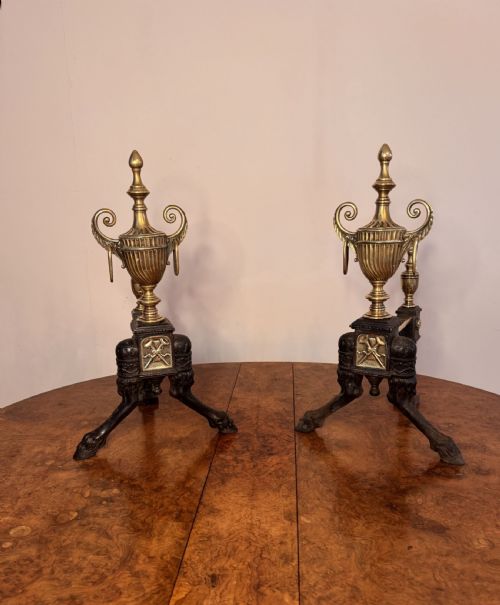
Vintage Andirons Pair
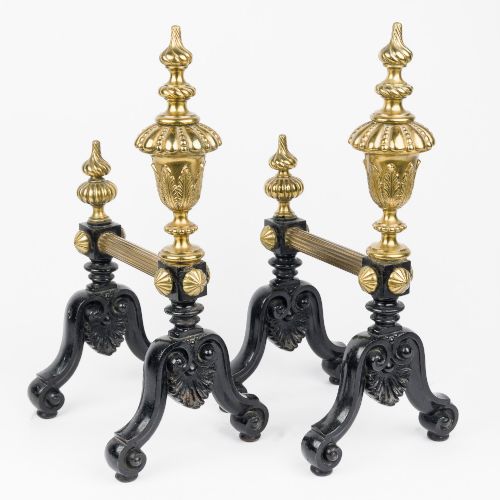
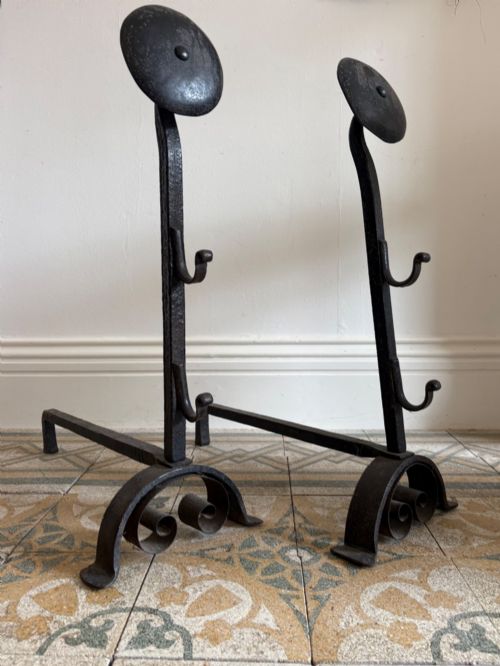
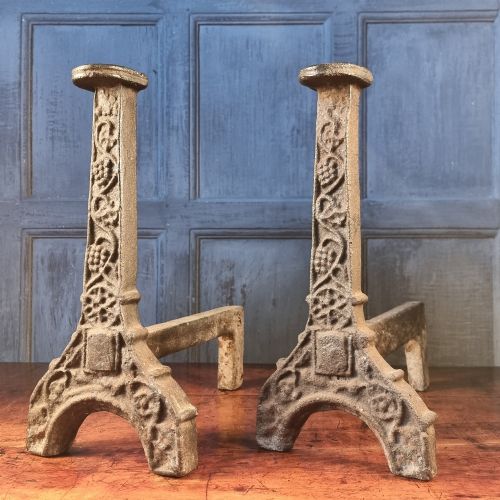
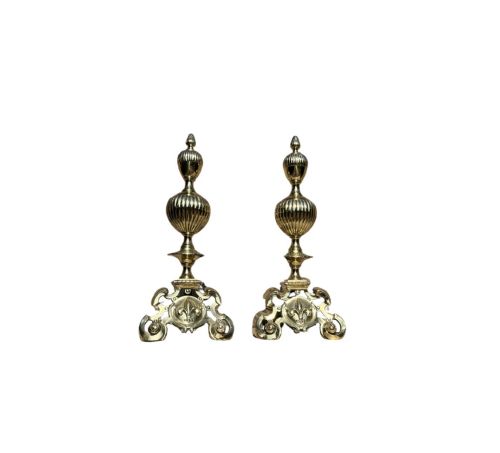
A vintage andirons pair anchors the hearth, holding logs securely above the ash bed while bringing substantial metalwork into the room.
Vintage Andirons Pair
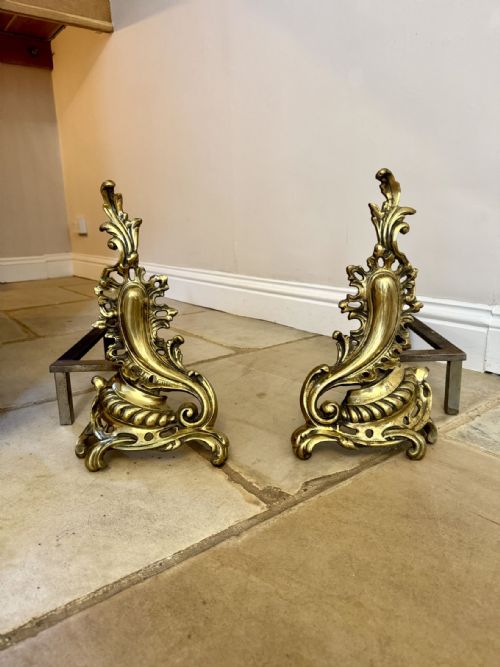
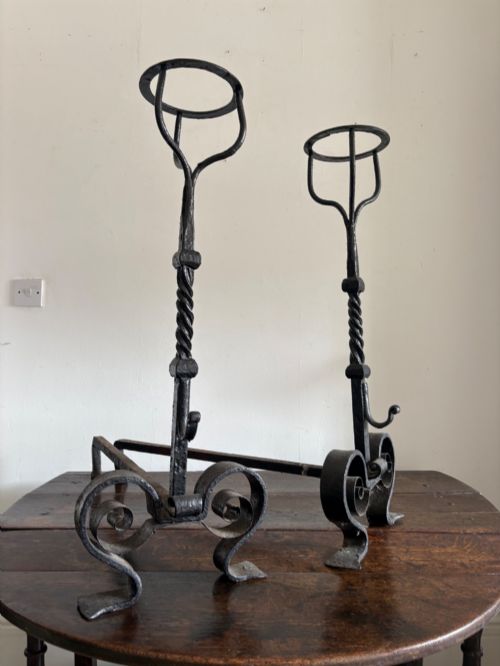
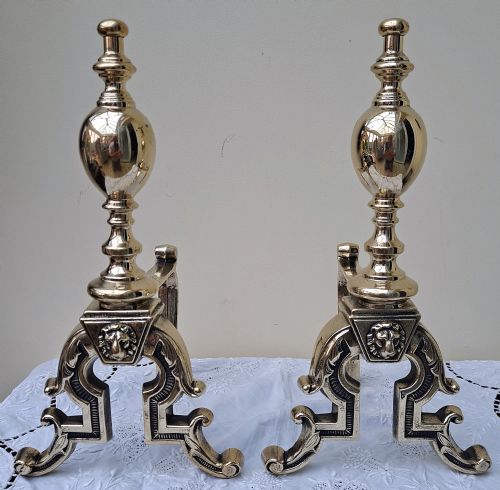
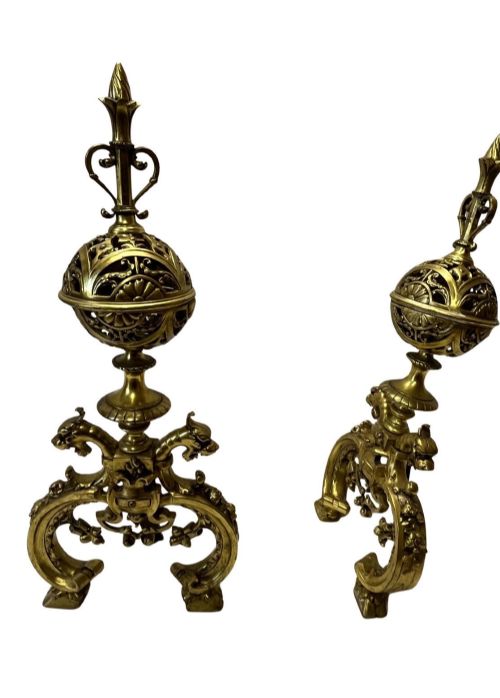
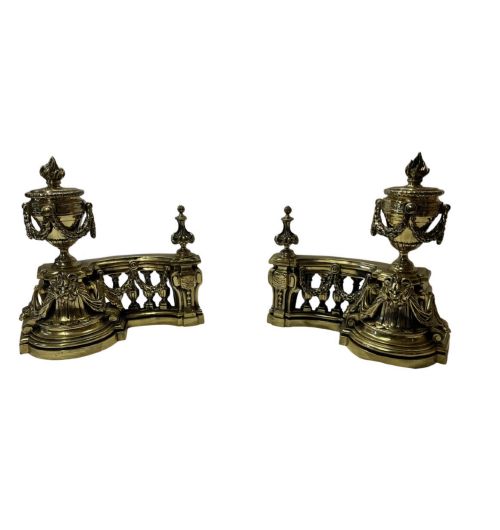
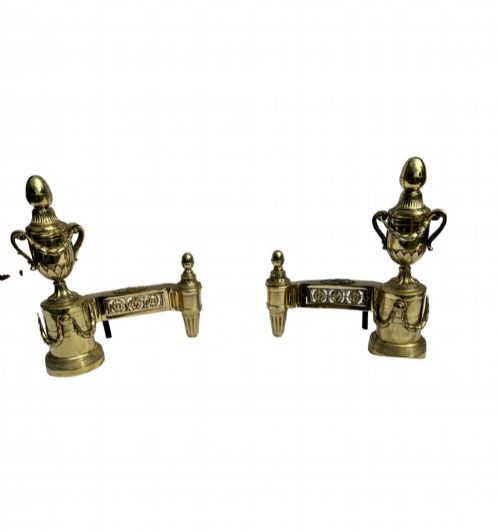
A vintage andirons pair consists of two matching metal supports placed inside an open fireplace to elevate firewood for better air circulation and combustion. Buyers searching for a vintage andirons pair will encounter various forms, most commonly originating from the nineteenth century alongside earlier examples.
The objects appear under several historical names including fire dogs, firedogs, and chenets, functioning as the primary structural and decorative elements of the hearth. Most pieces met on this page date from the Victorian period, constructed to support heavy fuel logs in domestic coal and wood-burning grates.
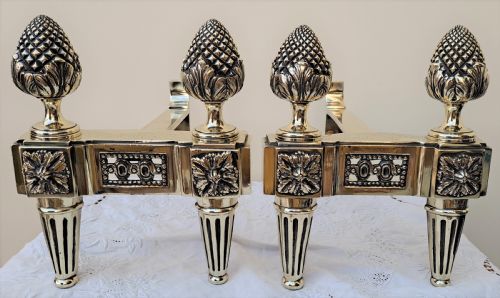
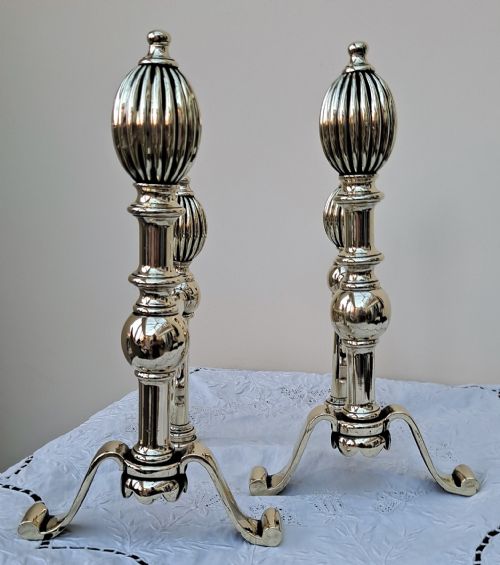
Design vocabulary spans simple utilitarian wrought iron shapes to ornate French rococo revival castings and austere Arts and Crafts creations. The selection ranges from compact domestic hearth pieces to monumental architectural items standing nearly a metre tall.
Materials and construction methods
Makers utilised cast iron, wrought iron, and brass as the primary foundational metals for these hearth supports, often combining iron bars with cast brass finials. Forged elements show hand-hammered textures created at the blacksmith's anvil, whilst cast components utilise traditional sand-moulding techniques to achieve crisp decorative detail.
Polished steel and bronze also appear among the material options, sometimes augmented by ormolu mountings or polished brass plating to catch the firelight. Metalworkers joined the upright standards to horizontal billet bars using heavy rivets, threaded bolts, or traditional forge welds designed to withstand extreme thermal stress.
Vintage Andirons Pair Retail Price Guide 2026
Typical asking prices for vintage andirons pair among the pieces listed under this phrase on Sellingantiques today, from the lower quarter to the upper quarter. They describe what is for sale here now, not the wider market.
Listings feature periods spanning from the sixteenth century through the Victorian era to the early twentieth century.
Assessing manufacture and metalwork standards
Quality in a set of hearth supports rests upon the integrity of the metalwork, the thickness of the upright standards, and the stability of the horizontal log rests. Superior examples demonstrate heavy gauge casting or precise hand-forging that maintains structural rigidity under intense heat without warping.
James Cartland & Son
The Vintage Andirons Pair Glossary
- Andirons
- Heavy metal supports placed on the hearth floor to hold logs above the ash bed. They comprise an upright front standard and a horizontal rear bar.
- Chenet
- The French term for andirons, frequently applied to decorative brass or bronze supports made in France. These often feature elaborate rococo or neoclassical styling.
- Billet bar
- The horizontal iron bar extending backward from the upright standard to support the fuel wood. Its length determines the depth of logs the pair can accommodate.
- Firedogs
- An alternative name for andirons, often used interchangeably in nineteenth-century inventories. They serve the identical structural purpose within the fireplace.
- Ormolu
- Finely ground high-carat gold mercury-gilded onto a bronze base. This technique creates a rich decorative surface seen on high-status continental examples.
Vintage Andirons Pair: Frequently Asked Questions
How do I choose the correct size?
Measure the width and depth of your fireplace opening before selecting metal supports. Ensure the horizontal bars fit comfortably inside the grate without obstructing the back wall.
Allow adequate clearance around the upright standards so air circulates freely during a fire. Larger hearths require substantial nineteenth-century pairs to maintain visual balance.
Can these be used in open fires?
Most antique metal supports were manufactured specifically for active wood or coal burning. Wrought iron and cast iron components handle high temperatures effectively.
Verify that joints remain solid and metal thickness shows no heavy corrosion before lighting an open fire. Regular use adds a natural patina to the metal surfaces.
How do I clean brass and iron?
Remove surface soot and ash using a soft dry brush or cloth. Avoid harsh chemical cleaners that strip the historical patina from antique metal.
Polished brass components accept gentle metal polish if bright shine is desired, whilst iron parts benefit from a light application of protective wax.