


Vintage Analog Watch
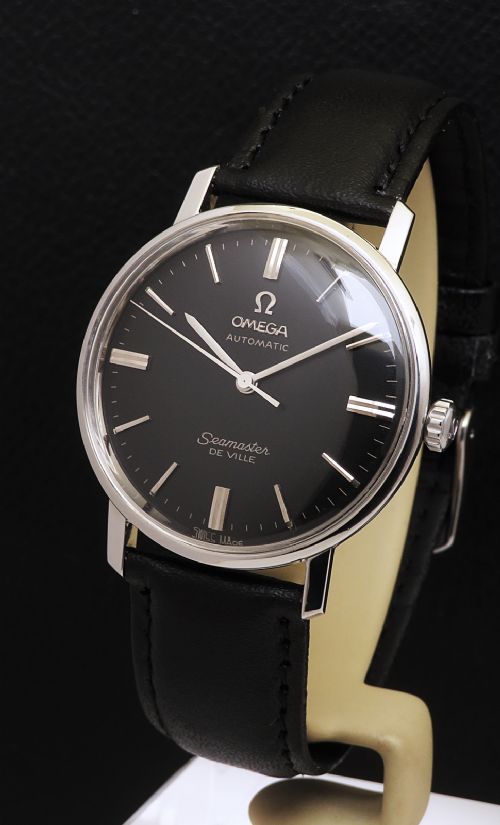
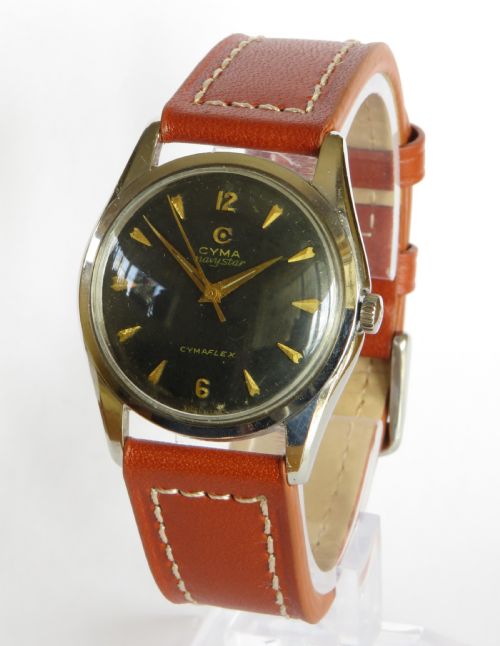
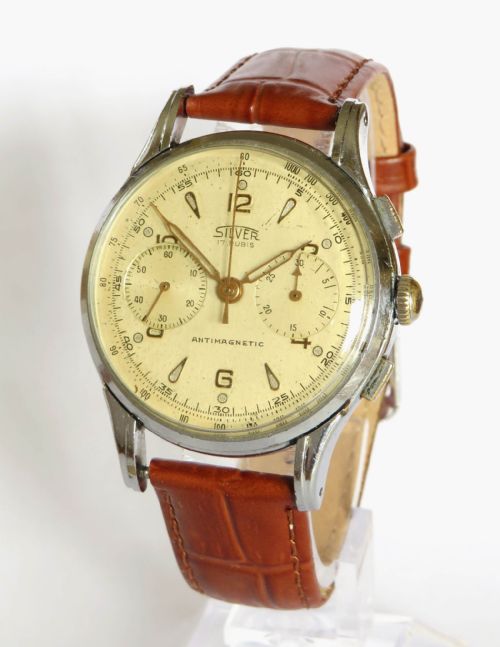
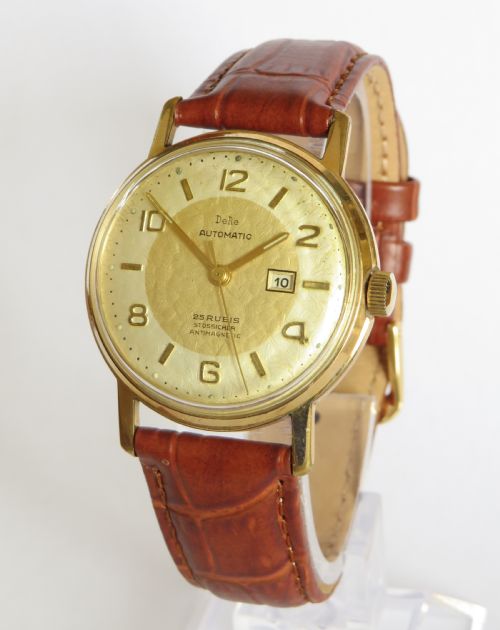
A vintage analog watch offers mechanical timekeeping from past decades, combining practical daily wear with traditional craftsmanship.
Vintage Analog Watch
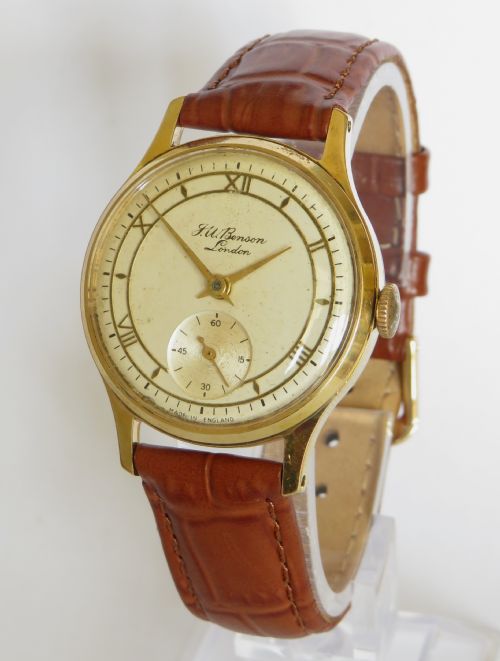
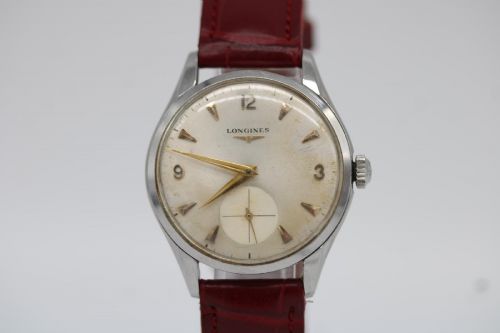
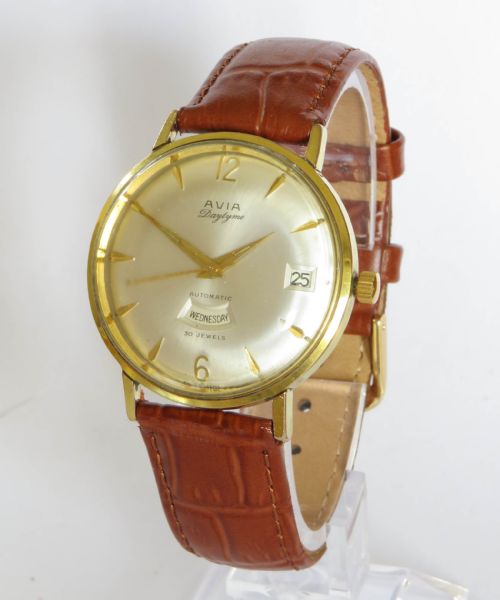
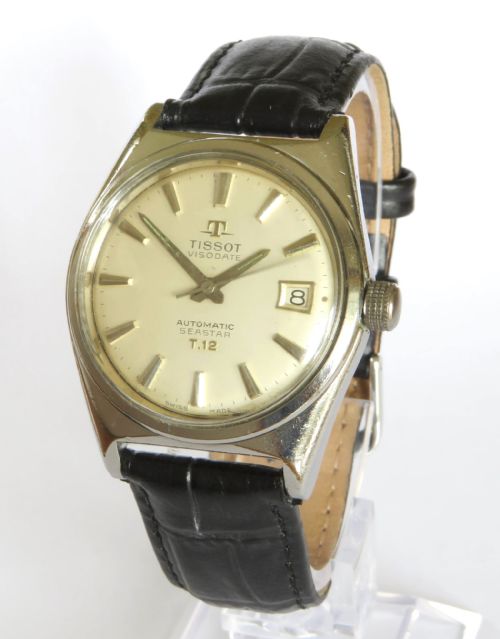
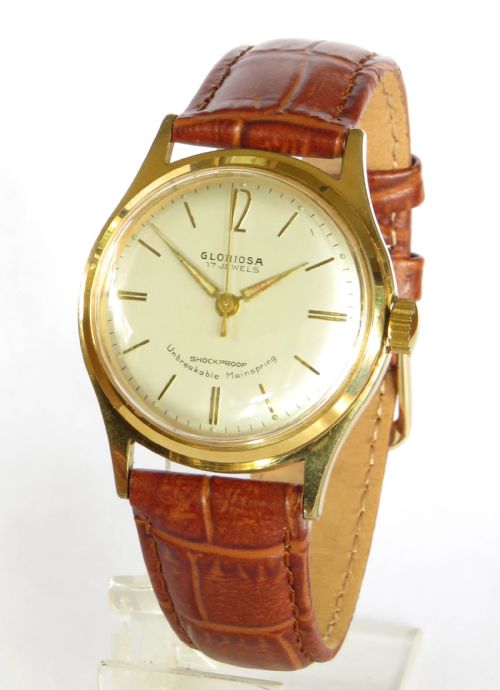
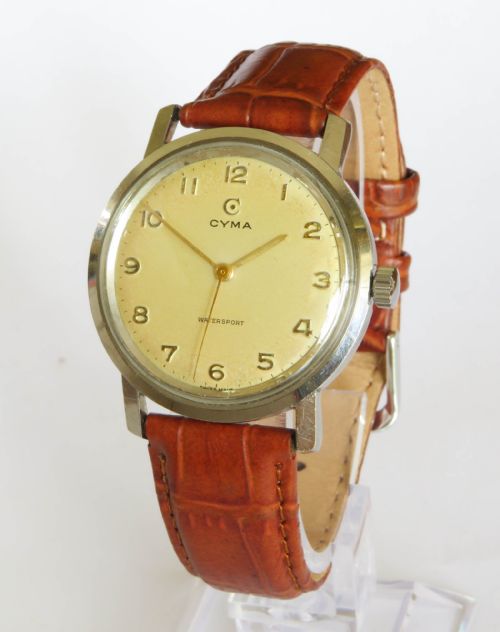
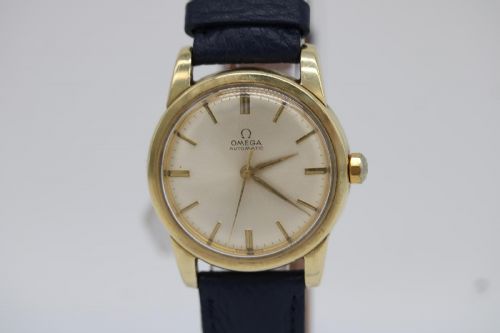
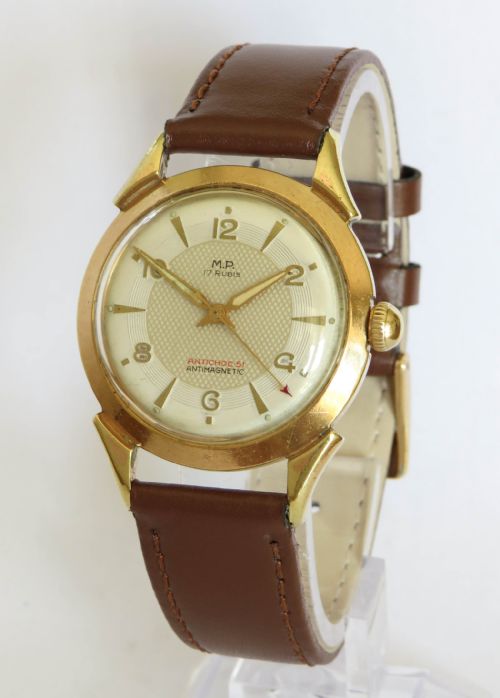
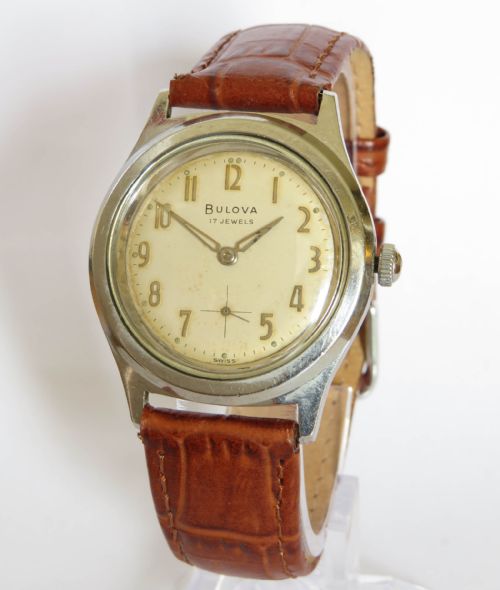
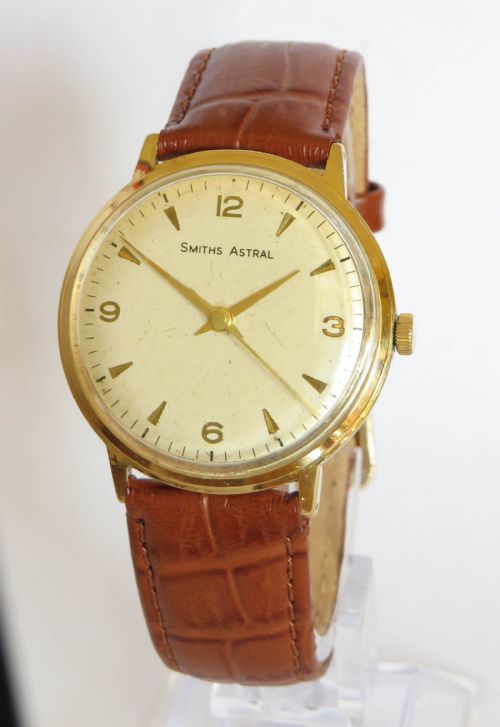
A vintage analog watch is a traditional timepiece displaying hours, minutes, and sometimes seconds via hands on a dial rather than a digital screen. When collectors search for a vintage analog watch, they typically encounter gents wristwatches dating from the 1940s, 1950s, and 1960s.
The pieces available span various styles including Mid-Century Modern and Art Deco designs. Most examples originate from the mid-twentieth century, though occasional nineteenth-century pieces and table clocks also appear.
How they were made
Makers constructed these watches using durable metals such as stainless steel, chrome, and gold plate for the cases. Dials were protected by glass or acrylic glass covers, whilst straps were fashioned from leather.
Movements relied on mechanical engineering, utilising manual wind mechanisms or automatic systems to drive the hands across the face.
Some timepieces arrive preserved in their original boxes, offering a direct glimpse into mid-century retail packaging.
What varies in quality
Quality in these timepieces rests upon the precision of the internal movement and the preservation of the exterior case and dial. Watches featuring recognised maker signatures or specialised calibres demonstrate finer horological pedigree.
The degree of original preservation, alongside the retention of factory components, distinguishes standard utilitarian models from superior collector examples.
Omega·Cyma·Antoremi·Smiths·Longines·Avia·Tissot·Bulova·Eterna·Prisma·Girard Perregaux·Lanco·Dogma Prima·Marvin·Felca·Technos·Consul
The Vintage Analog Watch Glossary
- Automatic
- A self-winding mechanical movement that uses the natural motion of the wearer's wrist to tension the mainspring.
- Manual wind
- A mechanical watch movement that requires the wearer to manually turn the crown to wind the mainspring.
- Acrylic glass
- A lightweight plastic material utilised for watch crystals before the widespread adoption of synthetic sapphire.
- Gold plate
- A layer of gold applied to the base metal exterior of a watch case to provide a precious metal appearance.
- Calibre
- A specific designation used by manufacturers to identify the internal movement design of a watch.
Vintage Analog Watch: Frequently Asked Questions
How do I wind a manual watch?
Rotate the crown clockwise between your thumb and forefinger until you feel gentle resistance. Stop immediately to avoid damaging the internal mainspring.
Perform this action at a consistent time each day if you wear the watch regularly to maintain steady timekeeping.
Are these watches waterproof?
Most older timepieces lack modern water-resistance sealing capabilities due to age and degraded gaskets. Moisture can easily infiltrate the case and damage the delicate mechanical movement.
Keep the watch away from swimming, showers, and heavy rain to preserve the internal components.
What is the difference between automatic and manual?
An automatic watch winds itself using an internal weighted rotor that moves as you wear the wrist. A manual watch relies entirely on you turning the crown by hand to store power.
Both types use traditional springs and gears rather than batteries to drive the hands.
How accurate are vintage watches?
Mechanical timepieces from past decades naturally gain or lose a small number of minutes over the course of a week. They do not match the strict quartz accuracy expected from modern electronic watches.
Regular servicing by a professional watchmaker helps keep the internal mechanism running as precisely as possible.