

Vintage American Pocket Watch
A vintage american pocket watch offers mechanical precision and period character, bringing reliable timekeeping from the nineteenth and twentieth centuries into daily use.
Vintage American Pocket Watch
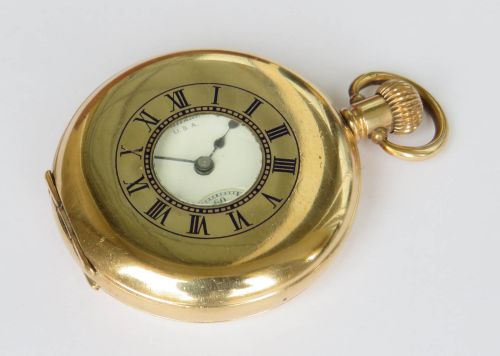
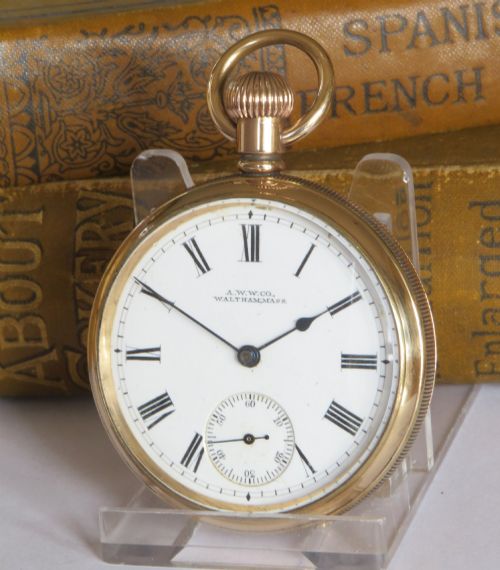
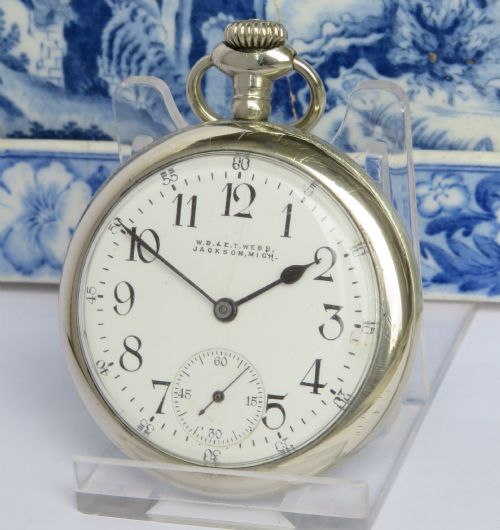
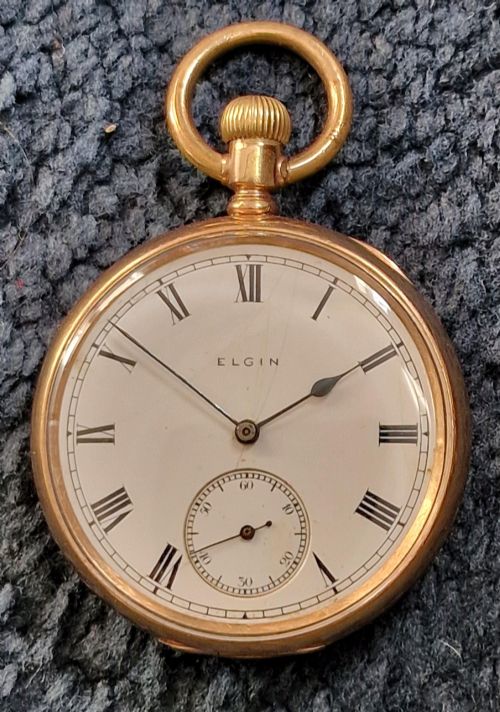
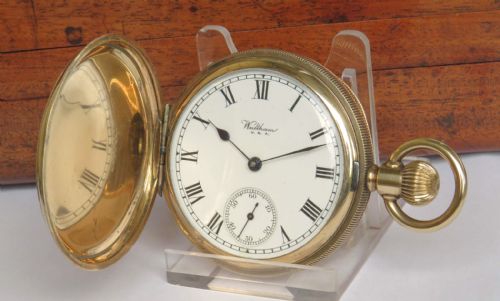
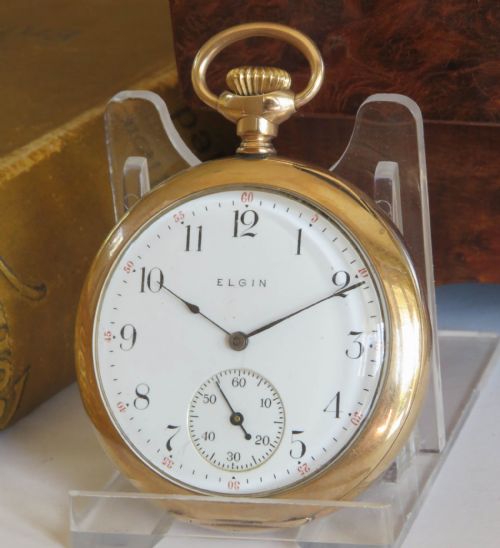
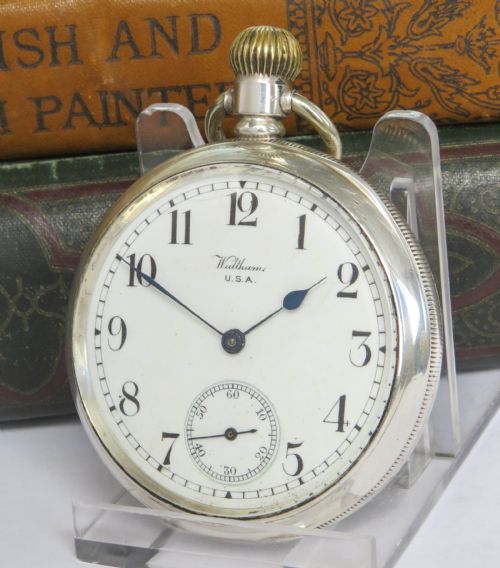
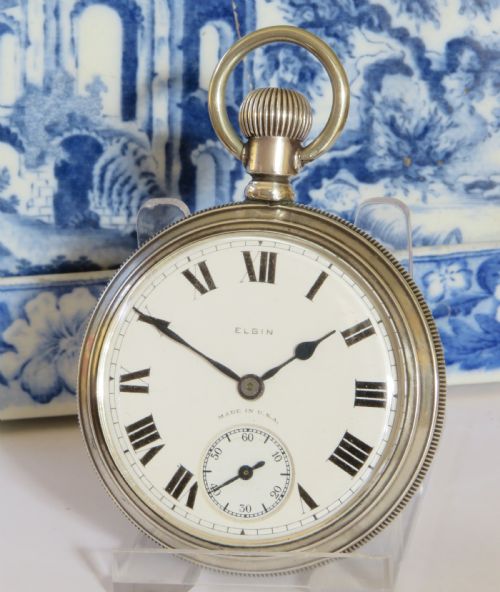
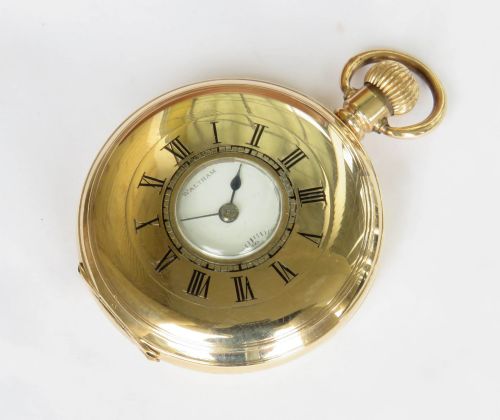
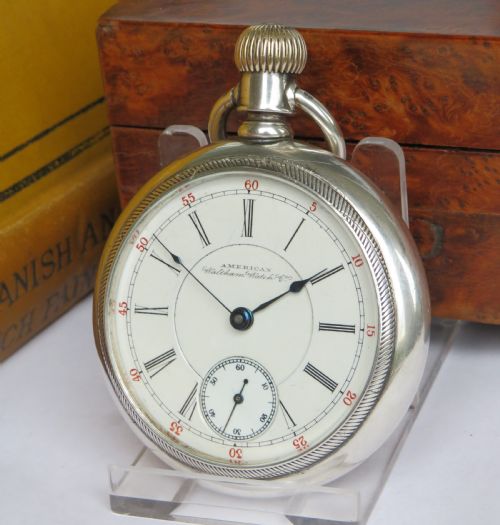
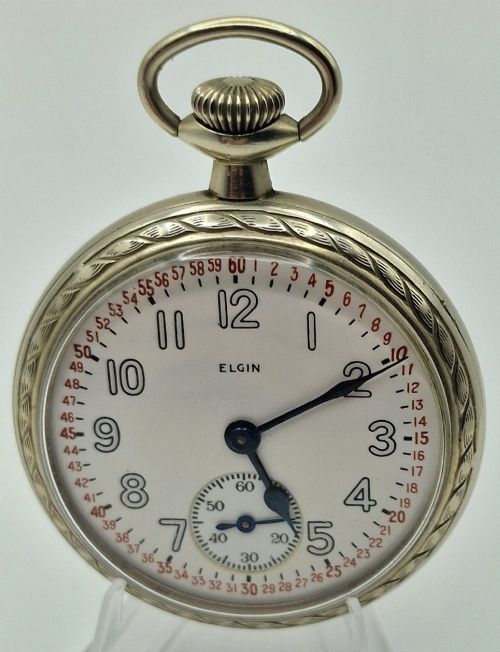
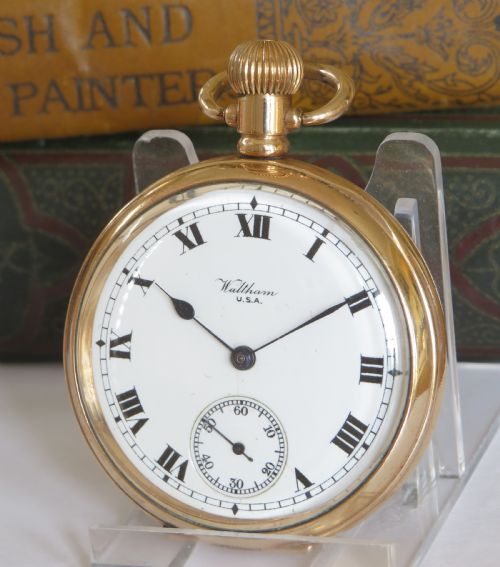
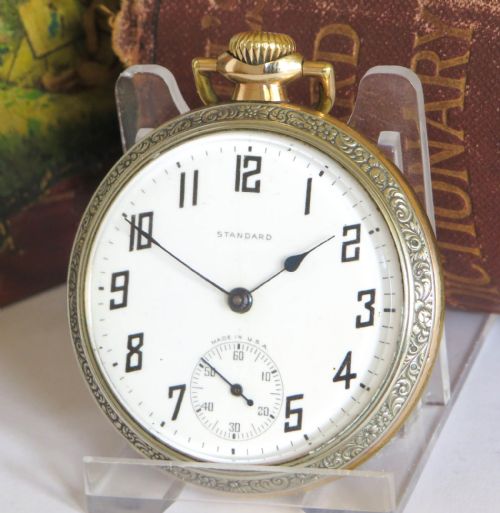
When searching for a vintage american pocket watch, buyers encounter mechanical timepieces spanning periods from the late nineteenth century through to the mid-twentieth century. The selection includes standard pocket watches, half hunter styles, full hunter pocket watches, and specialised military issues.
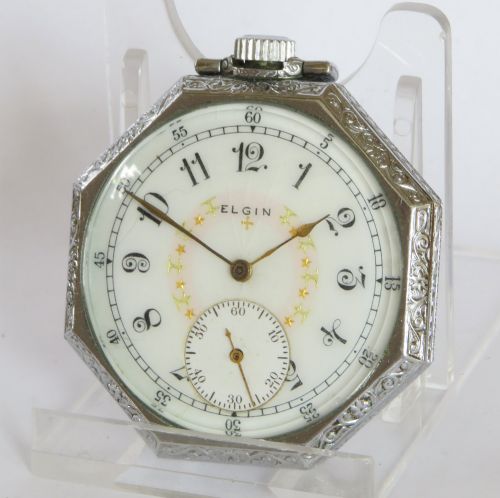
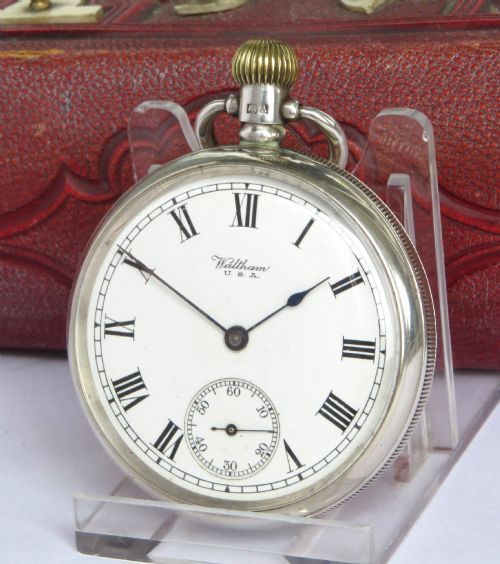
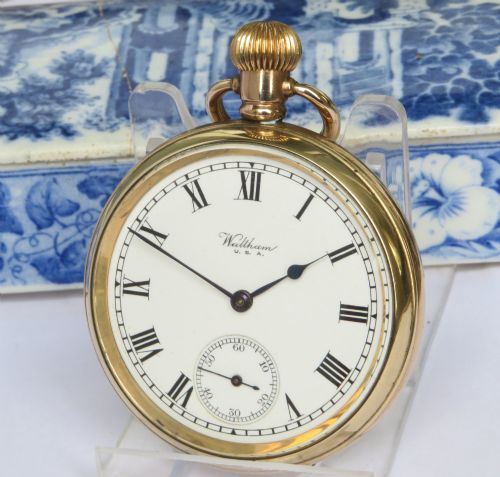
Most pieces seen here originate from prominent domestic manufacturers such as Waltham and Elgin, alongside examples by Hamilton, New York Standard, and Waterbury. These objects arrive in styles ranging from Victorian and Edwardian designs to Art Deco and mid-century military specifications.
The version most commonly met on this page is the open-faced or hunter pocket watch dating from the 1900s to the 1920s. These pieces frequently feature silver, gold plated, or gold filled cases housing precise mechanical movements.
How they were made
Makers constructed cases using metals such as silver, nickel, steel, and gold filled or gold plated brass to protect the internal mechanics. Enamel dials provided a crisp surface for numerals, protected by clear glass crystals set into the bezels.
Movements relied on intricate metal gear trains, escapements, and mainsprings assembled by skilled technicians in large American factories. Casing designs incorporated hinged backs and bezels, with hunter styles adding spring-loaded metal covers to shield the dial.
Vintage American Pocket Watch Retail Price Guide 2026
Typical asking prices for vintage american pocket watch among the pieces listed under this phrase on Sellingantiques today, from the lower quarter to the upper quarter. They describe what is for sale here now, not the wider market.
Object forms include standard pocket watches, half hunter styles, full hunter pieces, fob watches, and specialised railway or military issues.
What varies in quality
The standard of a timepiece is defined by the sophistication of its movement and the materials chosen for the exterior casing. Solid silver or gold filled housings paired with finely jewelled, high-grade movements represent the superior end of production.
Specialised variations, such as railway-grade movements with specific dial markings or military-issue pieces built for rugged service, demonstrate distinct levels of functional intent. Standard commercial brass-cased or nickel-plated models form the accessible base of the range.
Waltham·Elgin·Hamilton·New York Standard·Waterbury
The Vintage American Pocket Watch Glossary
- Half hunter pocket watch
- A case design featuring a metal outer cover with a glass or open aperture in the centre, allowing the user to read the hands without opening the lid.
- Full hunter pocket watch
- A watch enclosed by a solid spring-loaded metal cover that completely shields both the dial and glass crystal until released by a push-button crown.
- Gold filled
- A manufacturing technique that mechanically bonds a layer of solid gold to a base metal core, providing durable wear resistance superior to standard plating.
- Duplex escapement
- A specialised mechanical escapement design utilised in early American watchmaking to regulate the transfer of power from the gear train to the balance wheel.
- Fob watch
- A smaller portable timepiece traditionally suspended from a short chain or ribbon attached to a waistcoat or belt.
Vintage American Pocket Watch: Frequently Asked Questions
How do I wind a mechanical pocket watch?
Wind the watch by gently turning the crown clockwise between your thumb and forefinger until you feel firm resistance. Stop immediately at that point to avoid over-winding and damaging the internal mainspring.
Most vintage movements require winding once a day to maintain accurate timekeeping throughout use. Establish a consistent daily routine for winding to keep the mechanical components lubricated and moving.
Can I carry a pocket watch every day?
These timepieces were built for daily service and function reliably when handled with reasonable care. Secure the watch in a waistcoat pocket or trouser fob pocket using an appropriate chain.
Avoid exposing mechanical movements to strong magnetic fields, moisture, and heavy physical shocks. Regular servicing by a qualified horologist ensures continued reliability for modern wear.
How do I date a vintage american pocket watch?
Examine the serial number engraved on the inner movement mechanism rather than the outer case. Manufacturers kept detailed production ledgers recording the year corresponding to each movement number.
Matching the engraved text and brand name, such as Waltham or Elgin, against historical production records reveals the exact year of manufacture.