



Vintage Altar Table
These vintage altar table forms and associated ecclesiastical pieces bring architectural presence and sacred history into domestic rooms.
Vintage Altar Table
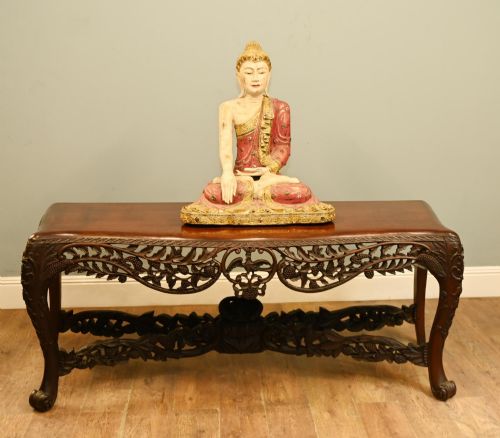
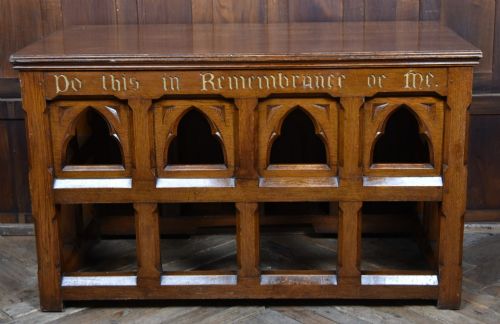
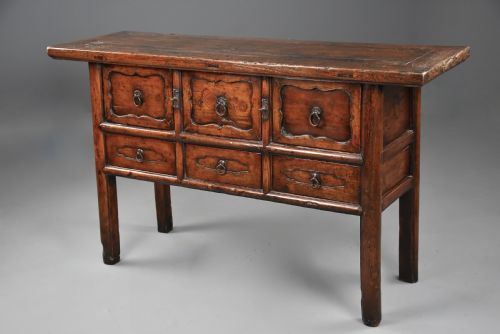
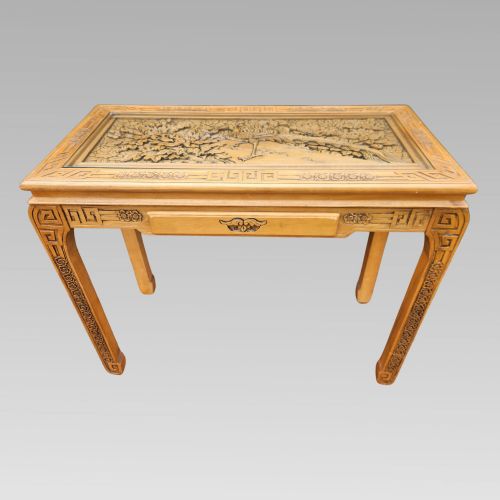
European examples frequently manifest as heavy oak altars, console tables, or ecclesiastical metalware such as brass candlesticks and lamps. Chinese pieces typically present as long, narrow console tables, low tables, or red lacquered variants bearing traditional carving.
Materials and Construction
Makers utilised solid timbers including oak, elm, and various hardwoods, alongside cast brass, giltwood, and gesso for decorative surfaces. European church pieces lean heavily on dense oak construction and heavy brass casting, reflecting the demands of ecclesiastical settings.
Chinese examples rely on traditional joinery applied to elm and carved hardwoods, sometimes finished with red lacquer or subtle patination. Metal items incorporate silver plating and hand finishing to achieve their decorative presence.
Vintage Altar Table Retail Price Guide 2026
Typical asking prices for vintage altar table among the pieces listed under this phrase on Sellingantiques today, from the lower quarter to the upper quarter. They describe what is for sale here now, not the wider market.
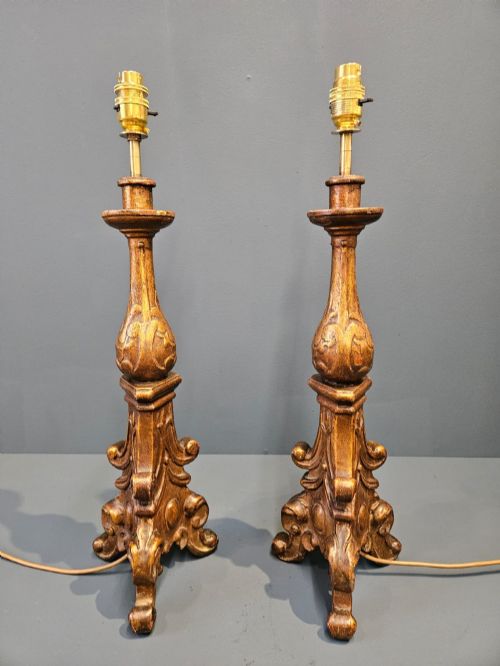
Several heavy brass candlesticks originally illuminated sacred rituals before finding a second life as converted table lamps.
Quality and Distinction
The distinction between tiers rests upon the depth of hand-carved detail, the integrity of original patination, and the weight of materials utilised. Finer examples display crisp carving in hardwood or oak, balanced proportions, and surfaces that show genuine age without heavy modern intervention.
Lighter or more utilitarian pieces often lack the sculptural relief or refined surface finishes seen on superior church furniture and high-status console tables.
The Vintage Altar Table Glossary
- Giltwood
- Wood carved and coated with gold leaf or a gold-coloured finish. This technique creates a luminous decorative surface seen on various lamps and mirrors.
- Gesso
- A plaster mix applied to wood surfaces as a base for painting or gilding. It provides a smooth ground for intricate decorative details.
- Elm
- A durable, tough timber frequently used in provincial furniture construction. It yields distinct grain patterns and resists splitting under stress.
- Console table
- A table designed to stand against a wall, often supported by brackets or legs. These pieces serve functional and display roles in hallways and principal rooms.
Vintage Altar Table: Frequently Asked Questions
Where do vintage altar tables fit in a modern home?
These narrow tables function effectively in hallways, living rooms, or behind sofas where floor space is limited. Their linear proportions make them useful for displaying lamps, books, or decorative objects.
European church pieces introduce architectural weight, while Chinese elm tables provide understated lines that complement contemporary interiors.
How do I care for antique wood and brass?
Timber surfaces benefit from occasional waxing with natural beeswax to nourish the grain and preserve the patina. Avoid placing them near direct heat sources or strong sunlight to prevent timber splitting.
Brass components require minimal intervention; dusting with a soft cloth maintains their finish without removing historic tarnish.
Are these pieces strictly for religious spaces?
While many items originated in churches, chapels, or temples, they were built with solid domestic utility in mind. Tables and sideboards serve everyday household functions.
Lighting and decorative objects integrate easily into residential schemes, bringing texture and historical depth to modern rooms.
How can I tell European styles apart from Chinese ones?
European pieces often display Gothic Revival or Baroque influences, utilising heavy oak, cast brass, and ecclesiastical motifs. Chinese tables favour elm or hardwood construction, featuring clean lines, minimal hardware, or traditional red lacquer finishes.