




Vintage African Wall Art
These vintage african wall art pieces span tribal masks, painted panels and framed watercolours that bring genuine historical depth to a room.
Vintage African Wall Art
Vintage african wall art encompasses a diverse range of visual forms, from mid-century village oil paintings to carved wooden panels and tribal masks originating across the continent. When searching for vintage african wall art, buyers encounter everything from Edwardian period masks to 1950s modernist canvases.
Makers and artists work across distinct traditions, incorporating both indigenous tribal styles and European-influenced impressionist or modernist techniques from the early and mid-twentieth century.
Materials and construction
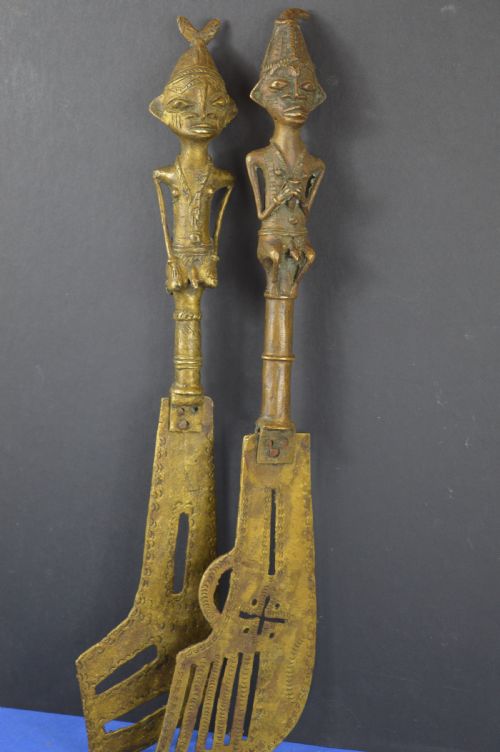
Wood is the primary medium for carved wall panels, sculptural shields, canoe paddles and ceremonial masks, often shaped with traditional hand tools and finished with pigments. Canvas, paper and board serve as supports for oil paintings and watercolours using conventional European artist pigments.
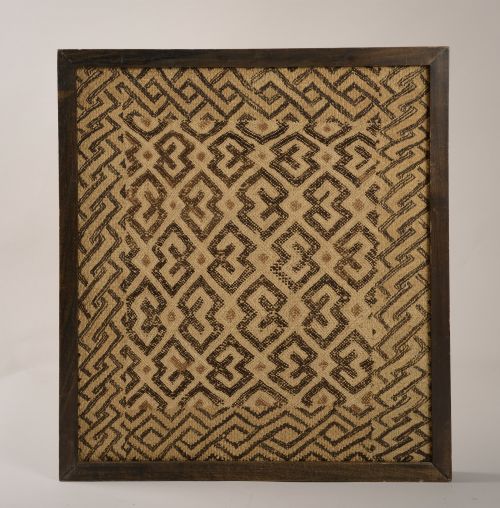
Textile works rely on natural fibres like raffia, utilised in woven tapestries and Kuba cloth that demonstrate complex geometric patterns. Framing materials range from simple ebonised wood surrounds to original period mountings.
Represented periods range from the nineteenth century through the 1960s, covering Edwardian and mid-century eras.
Factors of quality
Quality depends on the integrity of the materials and the skill of the execution, whether in the precision of a carved tribal mask or the brushwork of an impressionist portrait. Pieces retaining their original pigments, framing and untreated surfaces command greater interest.
The provenance and clear attribution to specific regional styles or documented artists elevate certain works, distinguishing standard decorative items from significant cultural artefacts.
Anne Dorrien Smith·Cecil Rochfort Doyly John·House of Wentzel·Ruth Prowse
The Vintage African Wall Art Glossary
- Kuba cloth
- A textile traditionally woven from raffia palm fibres by the Kuba people, known for intricate geometric designs and cut-pile embroidery.
- Tribal mask
- A ceremonial face covering carved from wood and finished with pigments, used in ritual dances and cultural gatherings across various African communities.
- Watercolour
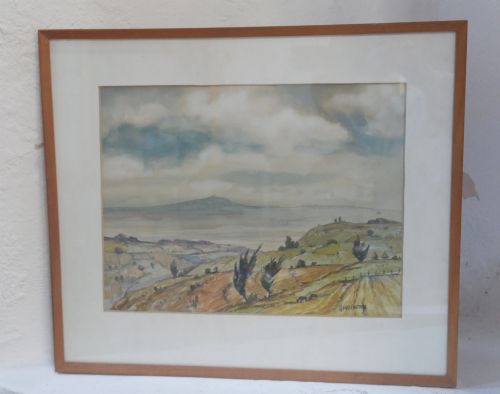
- A painting method where fine pigment is suspended in a water-based solution, frequently used on paper for landscape and village scenes.
- Oil on board
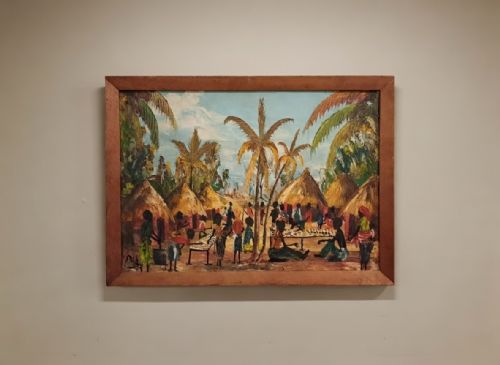
- A painting technique applying oil-based pigment directly onto a rigid wooden or composite panel rather than stretched canvas.
Vintage African Wall Art: Frequently Asked Questions
How do I hang heavy carved panels safely?
Carved wooden panels and shields require robust wall anchors and sturdy hanging wire attached securely to the rear frame or structure. Ensure the fixing matches the weight of the specific timber.
Position the piece at eye level to appreciate the depth of the carving and protect it from accidental knocks in high-traffic hallways.
How should I clean vintage textile art?
Textiles such as raffia tapestries and Kuba cloth need gentle maintenance using low suction through a mesh screen to remove surface dust. Avoid water or chemical cleaners, which can damage natural fibres.
Keep woven wall hangings out of direct sunlight to prevent the fading of natural dyes over time.
Can I date a mask by its wood?
Wood analysis reveals the type of timber used, but confirming the exact period requires examining tool marks, wear patterns and surface patina. Older pieces often show authentic handling marks from ceremonial use.
Consulting regional stylistic conventions helps place masks within periods like the Edwardian era or the early twentieth century.
Are these paintings original works?
The selection includes original one-off oil paintings, watercolours and charcoal drawings alongside occasional period lithographs. Signatures and inscriptions on the reverse often provide clues to the artist.
Examine the surface under magnification to confirm hand-applied pigment rather than modern reproduction printing.