



Vintage Afghan Prayer Mat
A vintage afghan prayer mat brings tribal heritage and geometric motifs into modern interiors through authentic village weaving.
Vintage Afghan Prayer Mat
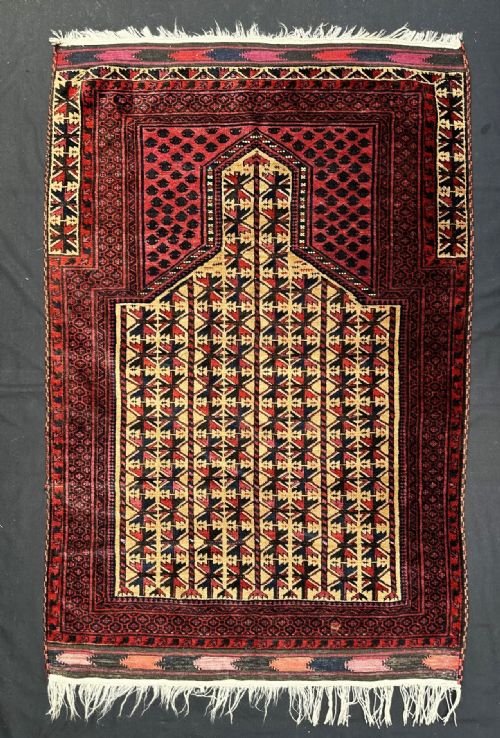
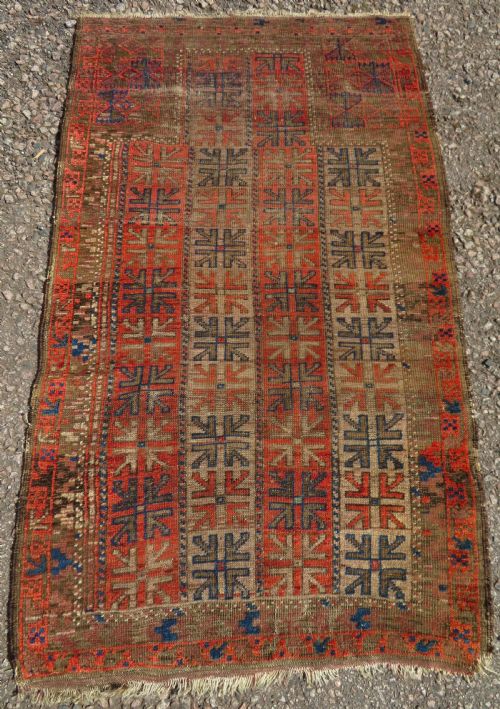
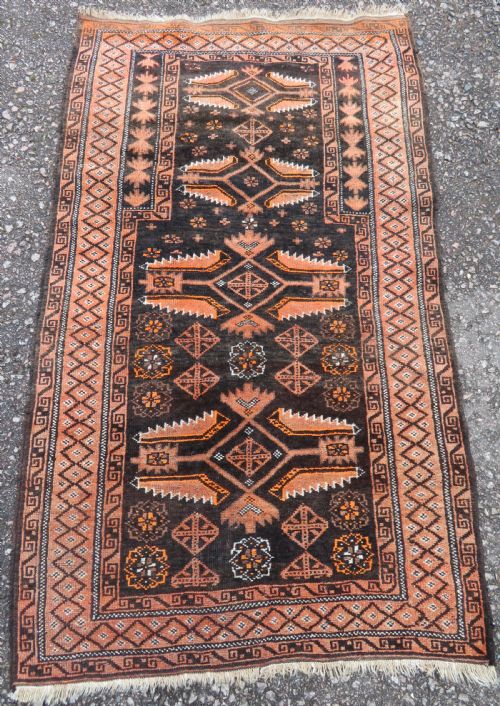
When searching for a vintage afghan prayer mat, collectors encounter tribal and nomadic rugs made by various groups including Baluch, Turkmen, and Pashtun weavers. These pieces originate predominantly from the late nineteenth century and the early decades of the twentieth century, particularly around nineteen twenty.
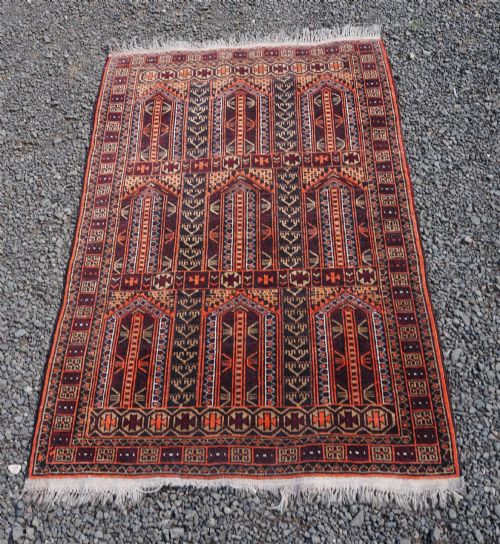
The primary form is a compact rug designed for personal devotion, typically displaying a distinct architectural niche or mihrab shape. Common regional variants feature single niches, multiple arches known as seh mihrab designs, and mosque or tree of life motifs.
Most examples hail from village workshops and nomadic camps across regions such as Herat, incorporating traditional tribal iconography like rams horn motifs, lotus leaves, and stars. These textiles served both practical devotional functions and as expressions of specific tribal identities.
Materials and methods of construction
The construction relies heavily on wool, cotton, and occasional camel hair or camel wool for the pile and foundation fabrics. Weavers employed natural dyes to achieve rich, earthy palettes that ground the intricate geometric compositions.
Several pieces incorporate mixed techniques alongside long kilim ends, demonstrating traditional nomadic textile engineering designed for durability and portability. Hand-knotted pile construction ensures dense, resilient surfaces intended for regular use.
The integration of camel wool introduces subtle textural variations and natural colour tones across the ground of specific Baluch and Taimani pieces.
Vintage Afghan Prayer Mat Retail Price Guide 2026
Typical asking prices for vintage afghan prayer mat among the pieces listed under this phrase on Sellingantiques today, from the lower quarter to the upper quarter. They describe what is for sale here now, not the wider market.
Materials recorded across current inventory include wool, cotton, camel hair, and natural dyes utilised in tribal formats.
Understanding quality differences
Quality in these tribal textiles depends upon the precision of the knotting, the handling of natural dyes, and the clarity of the mihrab geometry. Superior examples display tightly packed foundations and well-balanced proportions that maintain structural integrity over generations of use.
The distinction between standard village production and finer examples rests in the complexity of the border designs and the artistic execution of motifs such as the seh mihrab or dokhtar-e-qazi patterns. Well-executed pieces show deliberate colour placement and harmonious integration of secondary ornaments without crowding the central field.
Baluch Tribes·Turkmen Tribes·Pashtun Villages·Taimani Sistan·Kizil Ayak
The Vintage Afghan Prayer Mat Glossary
- Mihrab
- The arched niche in a prayer rug that points toward Mecca during daily devotions. Its design often dictates the regional attribution of the textile.
- Seh Mihrab
- A triple arch design layout frequently seen in Baluch and Turkmen prayer rugs. This configuration places three distinct niches across the top of the field.
- Kilim end
- The flat-woven portion extending beyond the knotted pile at the ends of a rug. These sections often feature geometric bands and protect the rug from fraying.
- Baluch
- A confederation of nomadic and semi-nomadic tribes inhabiting the borderlands of Afghanistan and Iran. Their rugs are celebrated for deep camel grounds and geometric precision.
- Kizil Ayak
- A Turkmen subtribe known for producing distinctive prayer rugs with deep red palettes and traditional gul or mosque motifs.
Vintage Afghan Prayer Mat: Frequently Asked Questions
How do I identify a prayer rug?
Prayer rugs are defined by the presence of a mihrab, an architectural arch motif that indicates the direction of prayer. This central niche separates them from standard area rugs.
They also tend to be smaller in format, designed for an individual worshipper to kneel upon during daily devotions.
Where were these rugs made?
These textiles were produced by nomadic and village weavers across Afghanistan, with significant output from regions like Herat. Different tribal groups including Baluch, Turkmen, and Pashtun communities contributed distinct regional designs.
Local access to materials like camel wool and natural dye sources shaped the distinct regional aesthetics found in the village workshops.
How should I clean a wool rug?
Regular gentle vacuuming without a beater bar removes loose dirt from the wool pile. Professional specialist cleaning remains essential for deep maintenance to protect natural dyes and fragile foundations.
Avoid saturation and harsh chemical detergents which can damage vintage wool and alter historic colour tones.
What is a camel ground rug?
A camel ground rug utilises undyed camel hair or camel wool for the main background field of the textile. This creates a warm, neutral tone that showcases darker geometric motifs.
This material choice is particularly prevalent in Baluch and Timuri weaving traditions from the nineteenth and early twentieth centuries.