
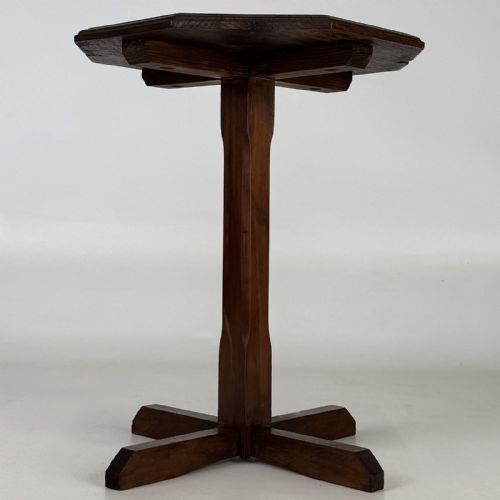
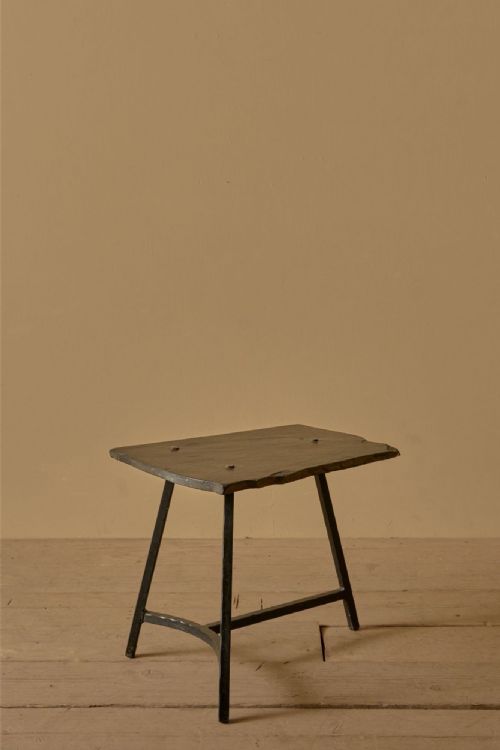
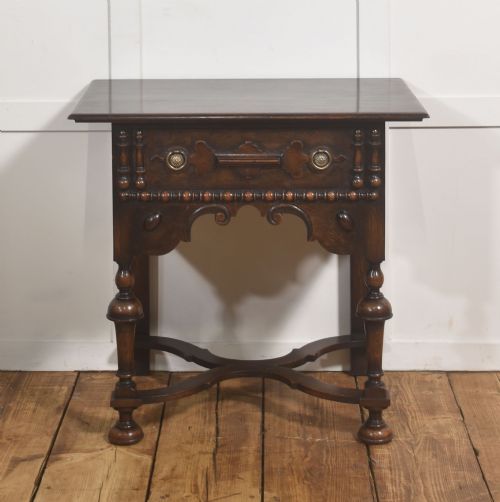
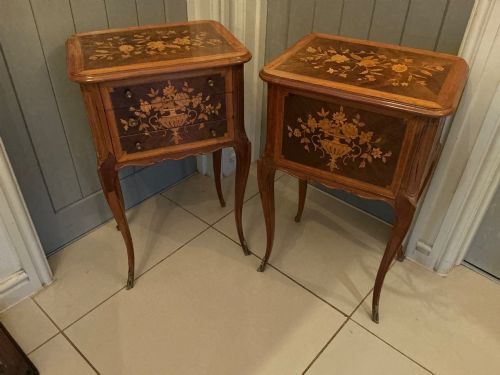
Vintage Accent Side Table
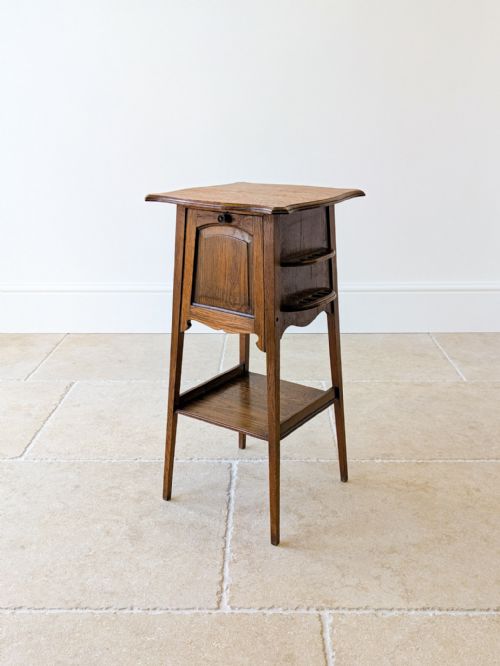
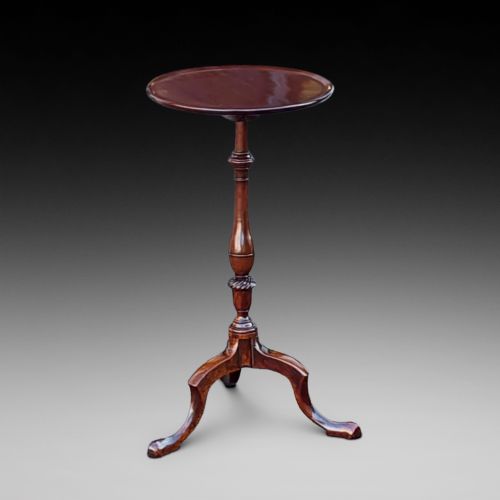
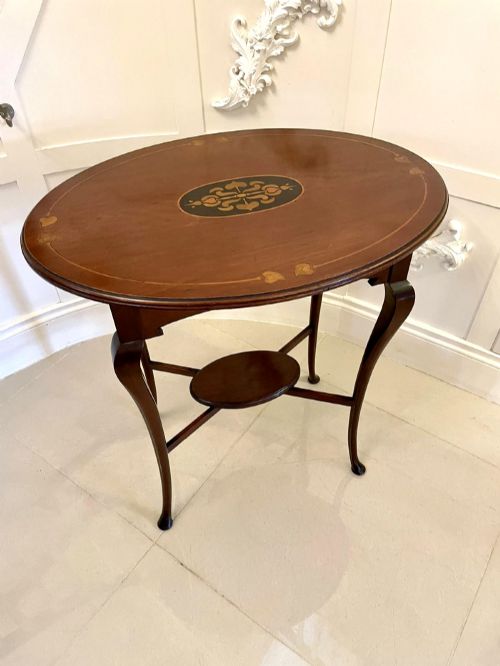
A vintage accent side table is a compact surface that brings period character and practical placement to a room.
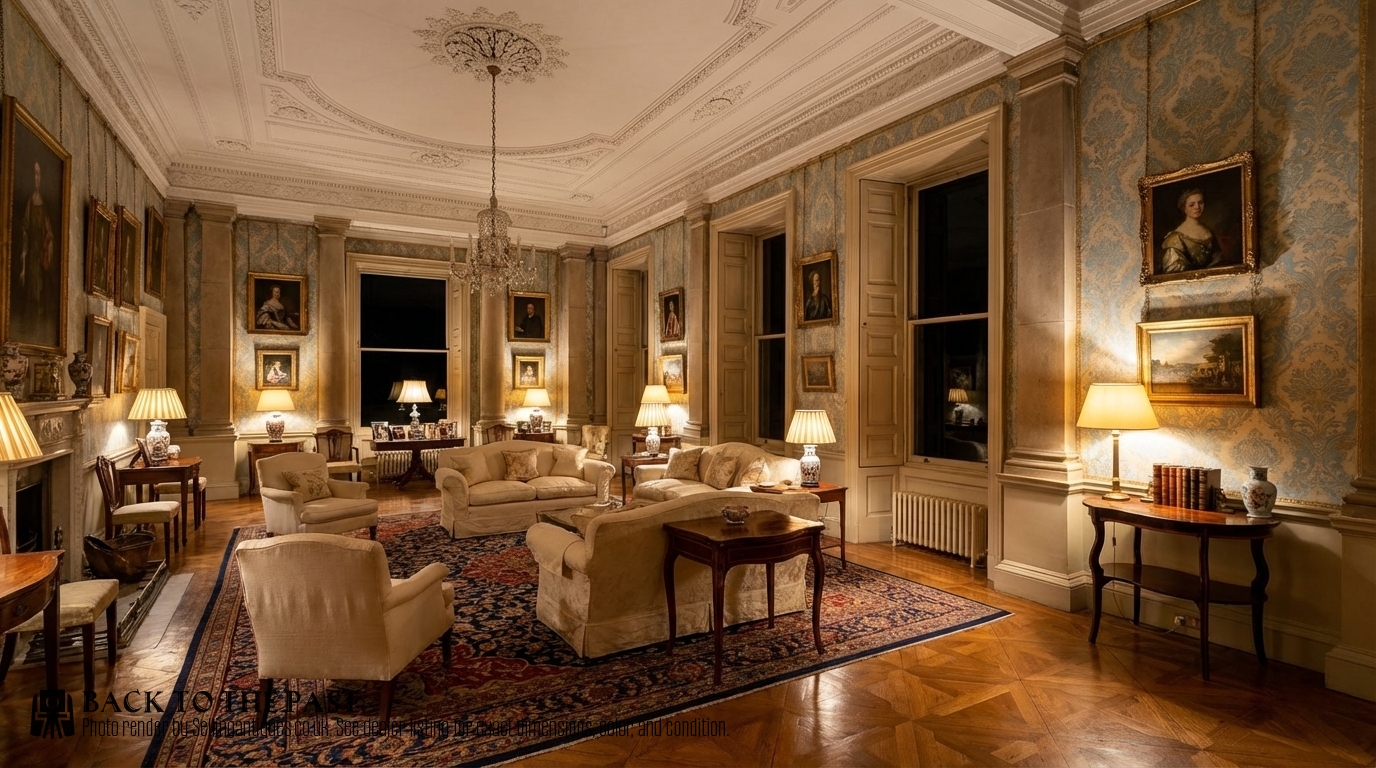
Vintage Accent Side Table
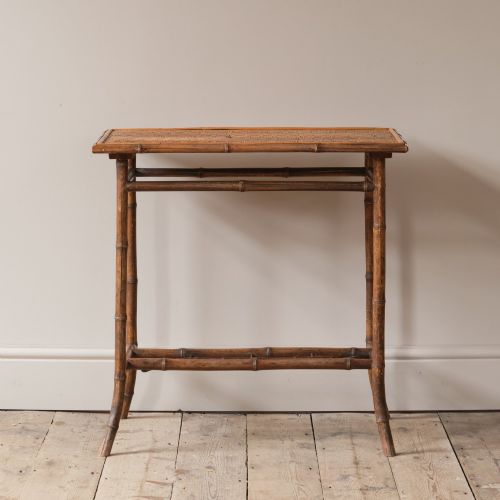
A vintage accent side table serves as a movable surface for lamps, books, and decorative objects within a room.
The selections here encompass forms such as occasional tables, nesting sets, lamp tables, wine tables, and Pembroke tables.
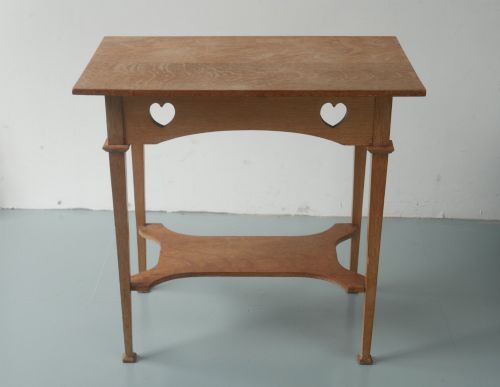
Originating across the nineteenth century, the Edwardian era, and the nineteen-twenties, these pieces display diverse regional and stylistic roots.
Materials and construction
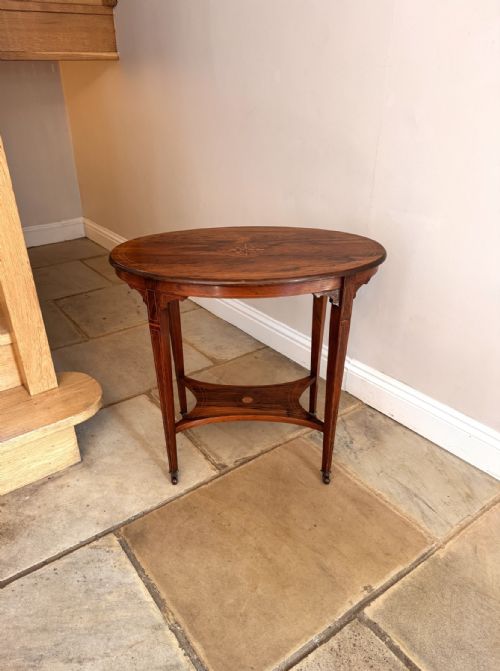
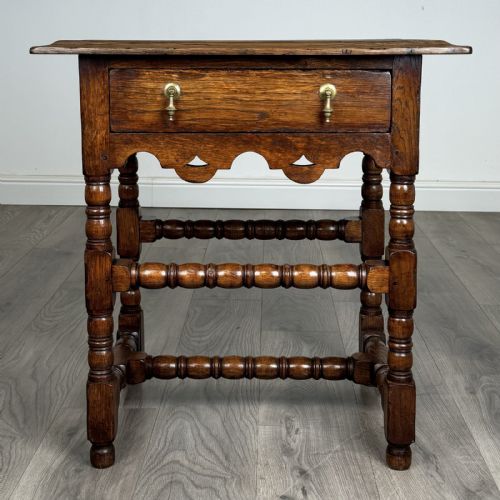
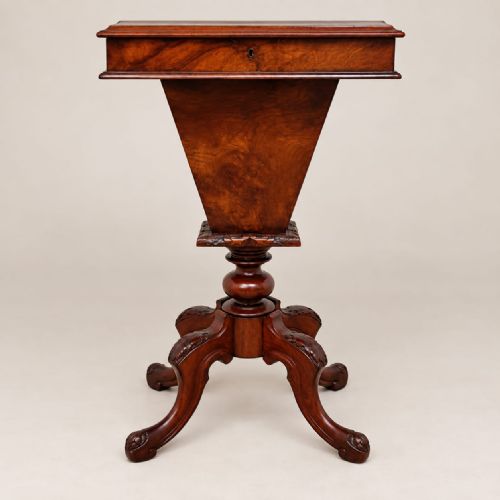
Cabinetmakers utilised dense timbers such as oak, mahogany, walnut, yew, and beech, often applying veneers and marquetry inlay for decorative surface patterns.
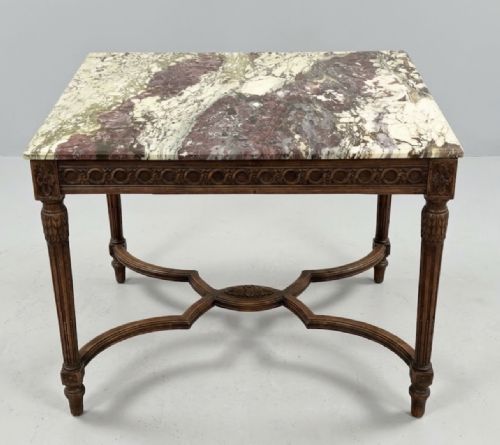
Metal elements including brass, ormolu, and silver-plating appear alongside marble tops and glass inserts to form contrasting textures.
Listings span multiple decades, incorporating Edwardian, Victorian, and nineteen-twenties periods alongside materials like oak, mahogany, marble, and ormolu.
Judging construction and design
Quality rests upon the selection of timber, the precision of marquetry or inlay work, and the stability of joints and pedestals.
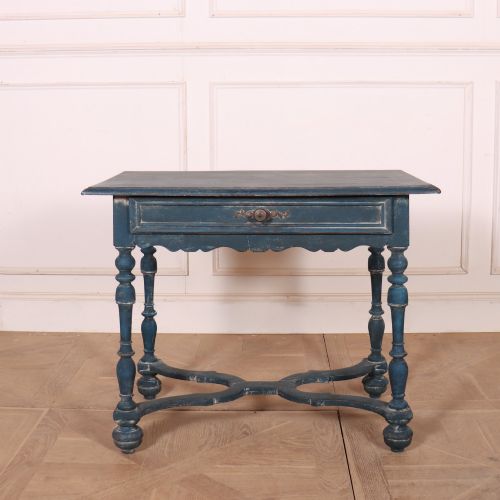
Superior examples display careful hand-carving, original painted finishes like scumble or lacquer, and integrated mounts of brass or gilded metal.
The Vintage Accent Side Table Glossary
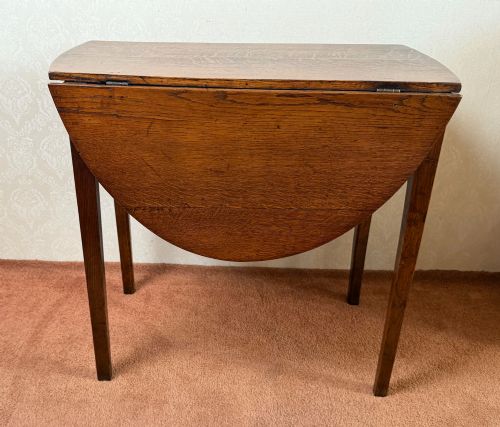
- Pembroke table
- A drop-leaf table with hinged flaps on the sides, designed to be easily stored or expanded.
- Marquetry
- Decorative inlay work using various coloured wood veneers to form pictorial or geometric patterns on a surface.
- Ormolu
- Gilded bronze mounts applied to furniture edges and legs, common in French cabinetmaking.
- Étagère
- A set of open shelves for displaying small objects, often freestanding and tiered.
- Tilt-top table
- A pedestal table with a hinged top that pivots vertically to save space when not in use.
Vintage Accent Side Table: Frequently Asked Questions
Where should I place a side table?
These tables sit easily beside armchairs, sofas, or beds to hold lamps and daily items without crowding the floor.
Their modest footprints allow them to move between rooms as functional surfaces.
How do I identify Edwardian pieces?
Edwardian items often utilise lighter mahoganies and oaks, sometimes incorporating simple inlay or satinwood banding.
They reflect the domestic tastes of the early twentieth century, prioritising lighter proportions than heavy Victorian designs.
What is a nest of tables?
A nest comprises three or four graduated tables that slide neatly beneath one another when not in use.
This format provides flexible surface space for entertaining while occupying the footprint of a single small table.
How do I care for antique wood?
Maintain timber surfaces by dusting with a dry cloth and avoiding direct exposure to heat sources or strong sunlight.
Occasional waxing protects the polish and preserves the grain without damaging the historic finish.