



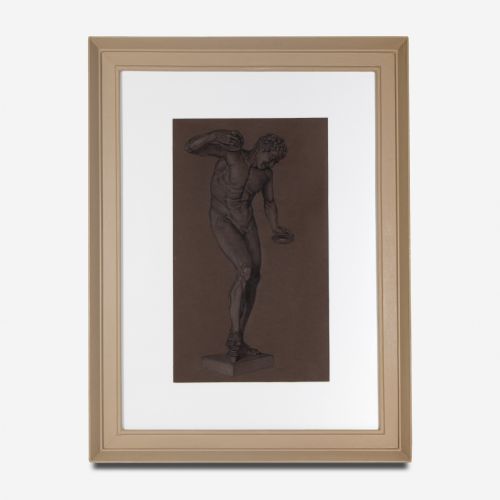


Vintage Academic Sketch
Vintage academic sketch pieces are traditional life studies and portraits valued for their direct line and tonal discipline.
Vintage Academic Sketch
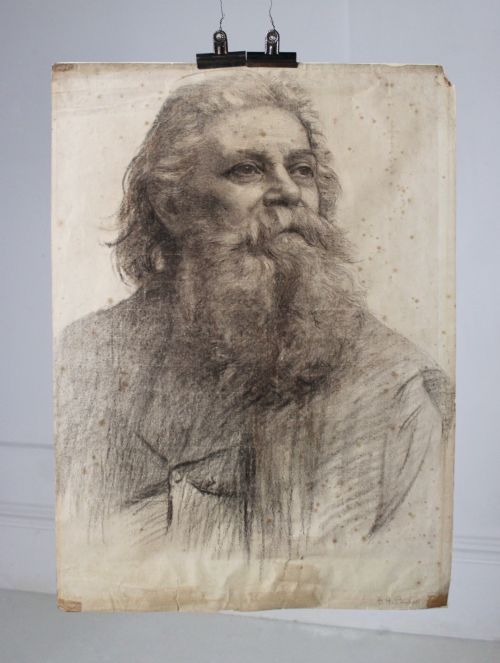
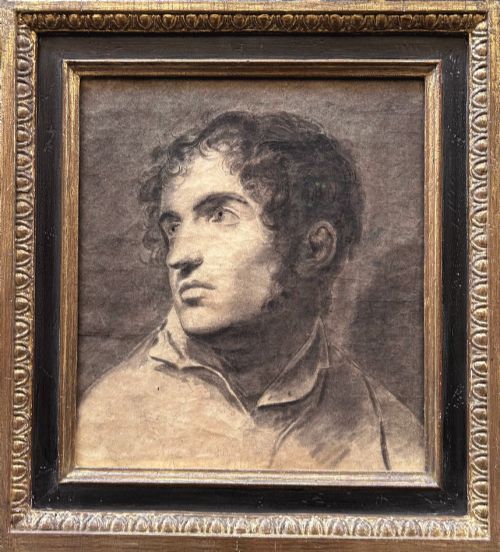
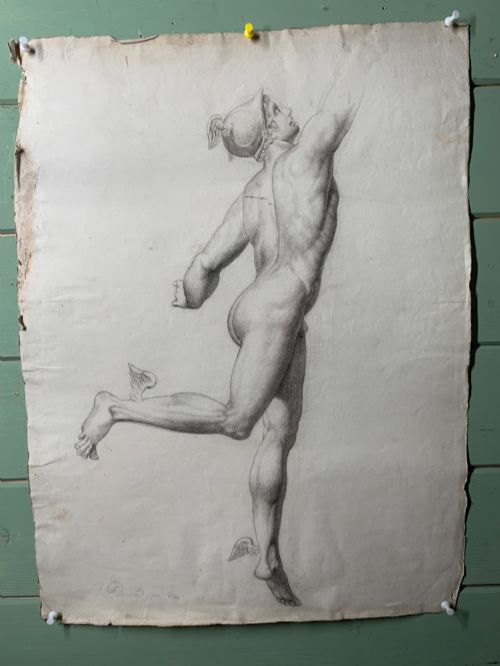
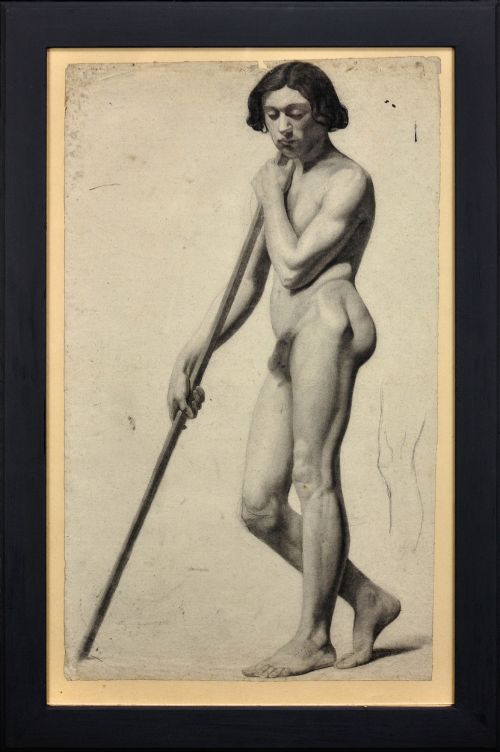
A vintage academic sketch represents rigorous draughtsmanship from the eighteenth, nineteenth, and twentieth centuries, capturing human forms, classical subjects, and portrait sitters. These works frequently record formal life drawing sessions, studio practices, and portraiture executed within traditional art school settings.
The selections available here rely heavily on works originating from British, French, and German schools, alongside broader continental European traditions. Buyers encounter varied formats including framed individual sheets, paired life studies, and multi-piece studio collections.
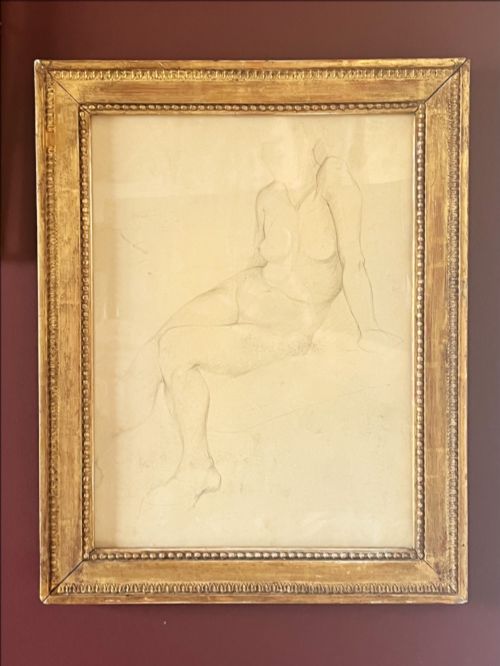
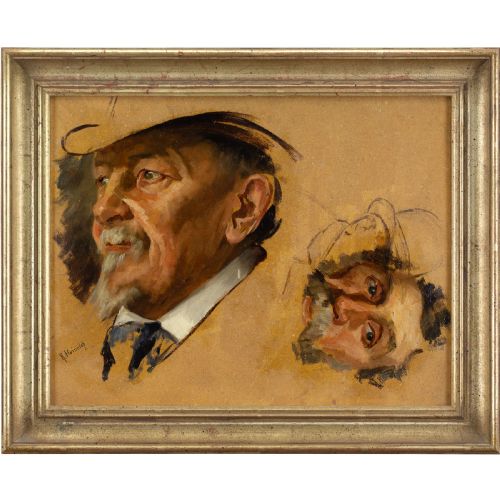
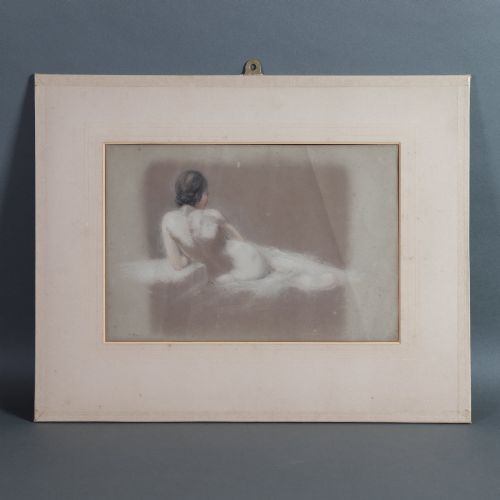
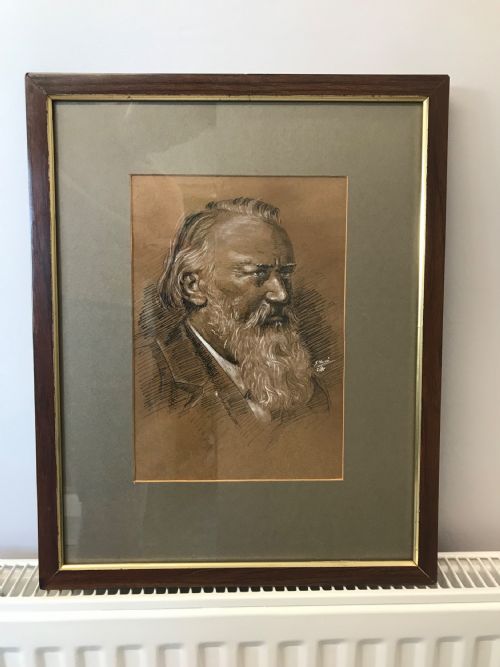
Figurative subjects dominate these offerings, specifically male and female nude life studies alongside detailed portrait heads of composers, explorers, and local figures. Works span neoclassical and Victorian sensibilities through to modern British interpretations.
Materials and Technique
Draftsmen utilised dry media such as graphite, charcoal, chalk, and sanguine upon paper surfaces, often selecting toned paper to build highlights with white chalk. Pen, ink, wash, and gouache frequently appear in finished portrait studies alongside mixed media applications.
Artists built form through careful shading, cross-hatching, and tonal layering, prioritising anatomical accuracy and light source definition. Many surviving examples are preserved behind glass within period wood frames, including antique gilt moulding.
Materials documented in these listings include charcoal, chalk, graphite, ink, wash, gouache, and oil upon paper, glass, and wood.
Evaluating the Work
Quality rests upon the sureness of the line, the structural understanding of human anatomy, and the sensitivity of tonal graduation across the paper. Stronger examples display confident handling of shadow and contour that reveals the artist's direct observation.
The survival of the original medium without excessive fading or paper degradation affects visual impact. Provenance and attribution to documented artists or recognised schools further distinguish individual sheets within the broader selection.
William Etty·Augustus John·Henry Arthur Roberts·Winifred Eugene Ballard·Ernest Borough Johnson·George Richmond·Cecil CP Lawson
The Vintage Academic Sketch Glossary
- Academic Realism
- A style of painting and drawing produced under the influence of European academies of art, emphasising precise anatomical proportion and historical subjects.
- Sanguine
- A chalk of a reddish-brown colour used extensively for drawing portraits and figures during the eighteenth and nineteenth centuries.
- Life Study
- A drawing or painting of the human figure taken directly from a live model, serving as a foundational exercise in academic training.
- Gouache
- An opaque water-based paint often combined with ink and wash in portrait studies to add solid highlights.
Vintage Academic Sketch: Frequently Asked Questions
What is an academic sketch?
An academic sketch is a preparatory drawing or formal study created within a traditional art training environment, focusing on anatomy and tonal accuracy.
These pieces record the rigorous visual training artists underwent, frequently capturing nude life models or portrait sitters.
How should I frame these drawings?
These works require preservation behind glass with acid-free mounting to protect delicate charcoal, graphite, and chalk media from atmospheric damage.
Displaying them away from direct sunlight prevents the paper and pigments from fading over time.
How are periods identified?
Periods are determined through paper characteristics, framing styles, artistic techniques, and documented signatures or inscriptions on the reverse of the sheet.
Stylistic markers such as Victorian realism or Edwardian portrait conventions also help narrow down the date of creation.
Where were these sketches made?
They originated primarily in formal European art schools, private studios, and academy workshops across Britain, France, and Germany.
Artists produced them during instructional life-drawing sessions or as preparatory studies for larger oil paintings.