

Vintage 1950s Jewellery
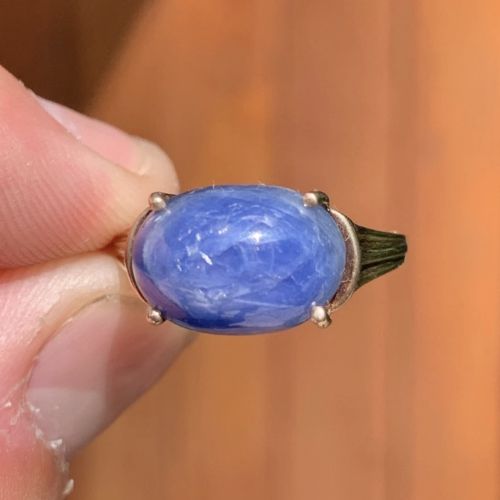
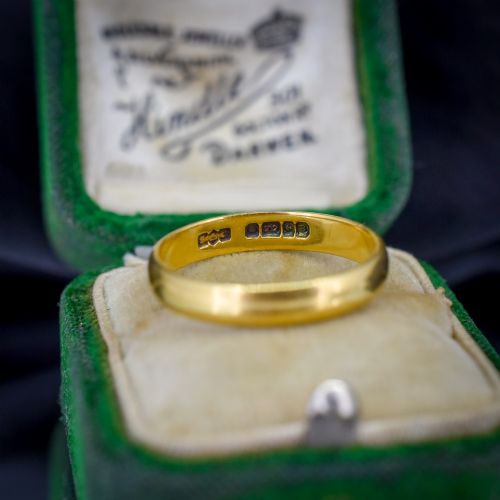
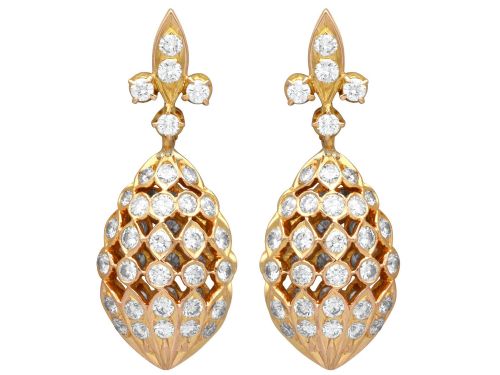
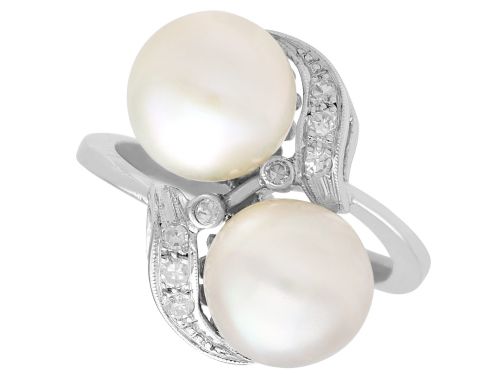
When exploring vintage 1950s jewellery, buyers discover mid-century rings, necklaces, and brooches that combine classic gemstone settings with mid-century modern design.
Vintage 1950s Jewellery
When searching for vintage 1950s jewellery, collectors encounter an array of rings, necklaces, bracelets, and brooches from the mid-century period. These items span styles from mid-century modern and British jewellery to Danish modern and art deco revival designs.
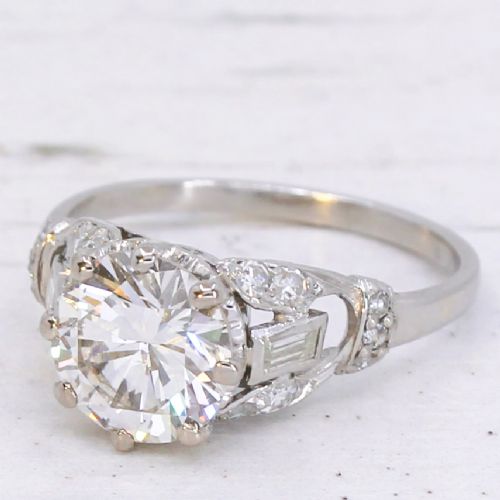
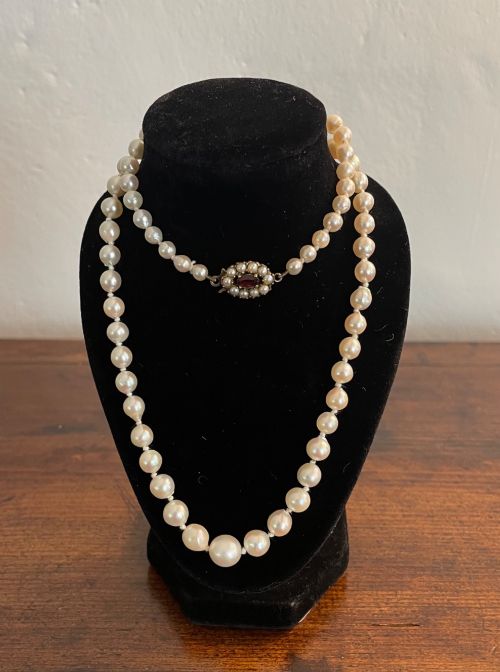
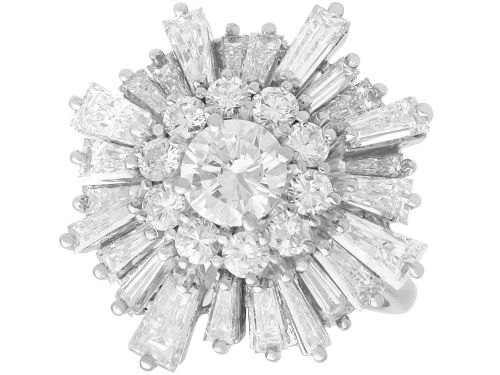
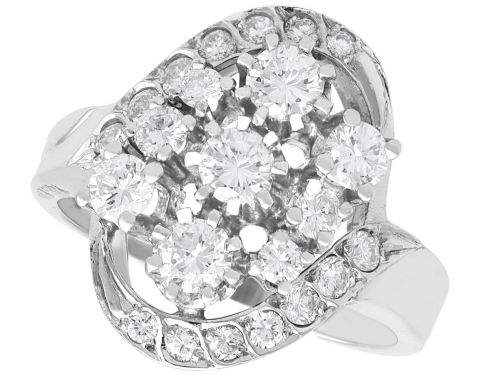
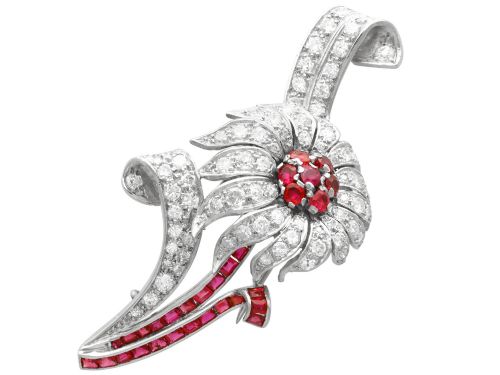
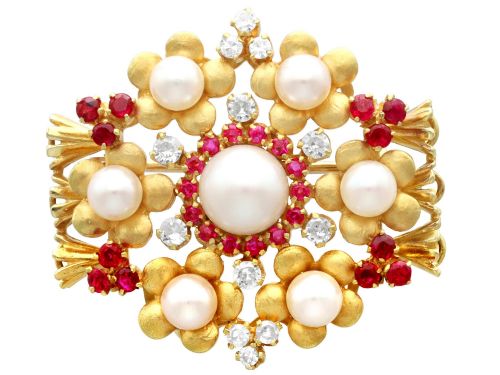
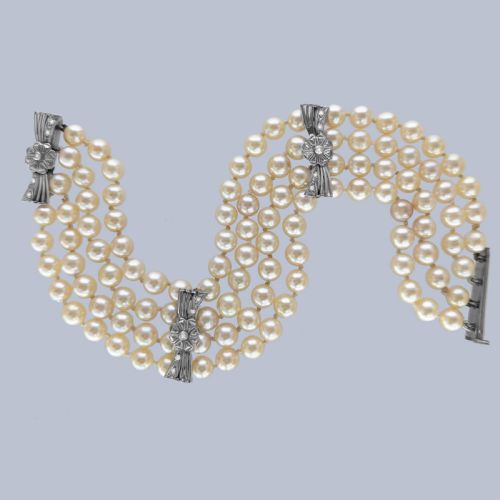
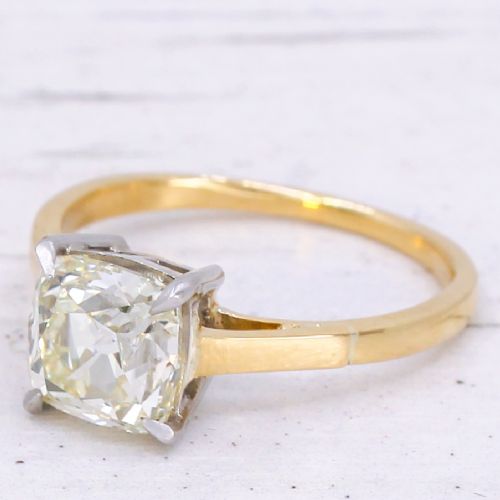
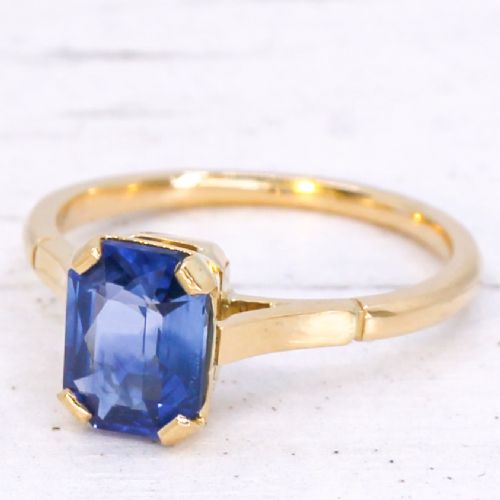
The most common items on this page include diamond cluster rings, cultured pearl necklaces featuring diamond and gold clasps, and gemstone drop brooches. Pieces frequently utilise precious metals such as platinum, white gold, and yellow gold alongside sapphires, rubies, and emeralds.
How They Were Made
Maker workshops constructed these pieces primarily in 18ct white gold, yellow gold, 9ct gold, and platinum, frequently pairing them with diamonds, cultured pearls, and coloured gemstones. Artisans shaped metals into organic forms, floral motifs, and geometric spray designs typical of the era.
Techniques relied on traditional claw and cluster settings to secure central stones, alongside detailed granulation, filigree, and enamel work. Jewellers also incorporated specialised clasps into multi-strand pearl necklaces and strung beads on durable silk or wire.
Vintage 1950s Jewellery Retail Price Guide 2026
Typical asking prices for vintage 1950s jewellery among the pieces listed under this phrase on Sellingantiques today, from the lower quarter to the upper quarter. They describe what is for sale here now, not the wider market.
What Varies in Quality
The calibre of these pieces depends upon the weight, cut, and clarity of the central diamonds and the origin of coloured stones such as unheated Ceylon sapphires or Colombian emeralds. Superior items feature substantial gold or platinum mountings paired with balanced gemstone proportions.
Craftsmanship standards separate standard commercial output from finer workshop productions, visible in the precision of stone setting and the structural integrity of clasps and pin stems. Maker attribution and original certificates further distinguish exceptional survivals from anonymous items.
Smith and Pepper·Paris House London·Christian Dior
The Vintage 1950s Jewellery Glossary
- Parure
- A matching set of jewellery designed to be worn together, typically consisting of a necklace, earrings, and a brooch.
- Cluster Ring
- A ring featuring a central gemstone surrounded by a cluster of smaller accent stones, most commonly diamonds.
- Cultured Pearl
- An oyster-produced pearl grown through human intervention by inserting a nucleus into the mollusc.
- Old Cut
- A historic diamond cut featuring a small table, high crown, and large open culet, preceding modern brilliant cuts.
- Solitaire
- A piece of jewellery featuring a single mounted gemstone without accompanying side stones.
Vintage 1950s Jewellery: Frequently Asked Questions
How do I identify 1950s jewellery?
Pieces from this decade often display mid-century modern styling, floral cluster motifs, or organic shapes executed in platinum and yellow gold.
Assaying hallmarks, maker marks, and specific gemstone cuts help confirm the mid-century production period.
Are pearl necklaces from this era durable?
Multi-strand cultured pearl necklaces feature secure gold or platinum clasps set with diamonds or gemstones, designed for regular wear.
Many surviving necklaces have been recently restrung to maintain the strength of the strands.
What metals are typical for mid-century rings?
Jewellers predominantly utilised 18ct white gold, yellow gold, 9ct gold, and platinum for engagement rings and dress rings.
Combinations of white gold and yellow gold frequently appear within multi-stone cluster and cocktail ring designs.
How were 1950s brooches worn?
Brooches and spray pins served as versatile accessories pinned to lapels, dresses, and formal evening wear during the decade.
Designs incorporated platinum and gold to support substantial rubies, sapphires, aquamarines, and diamond clusters.