

Vintage 1950s Gold Ring
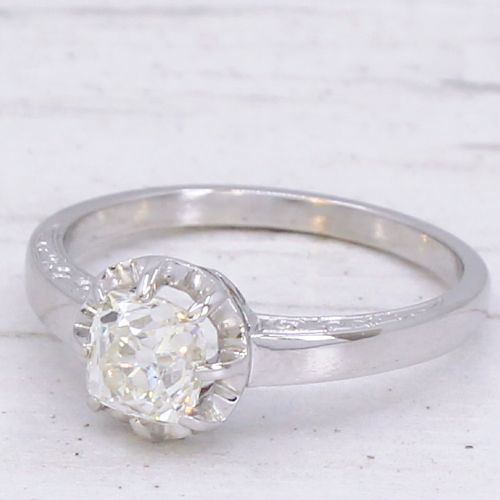
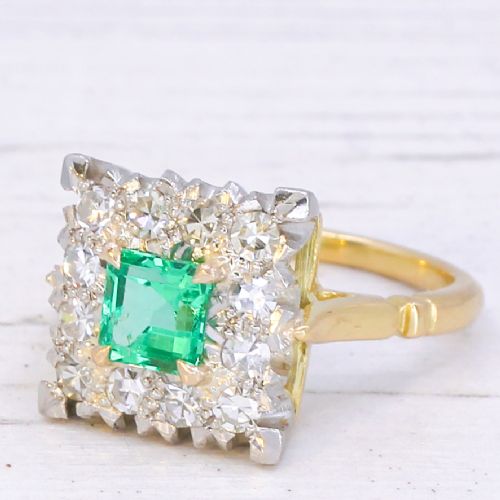
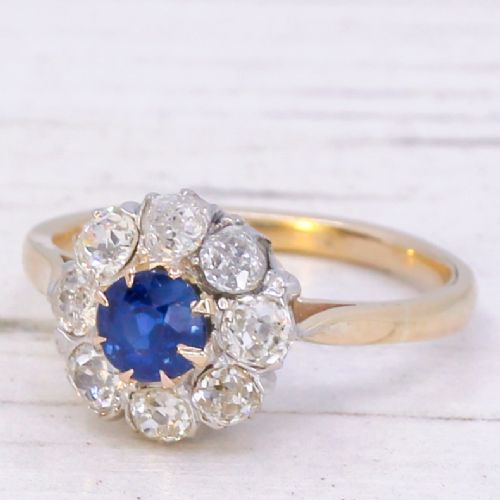
When you search for a vintage 1950s gold ring, you find mid-century pieces defined by heavy yellow and white gold settings, substantial diamond clusters, and striking coloured gemstones.
Vintage 1950s Gold Ring
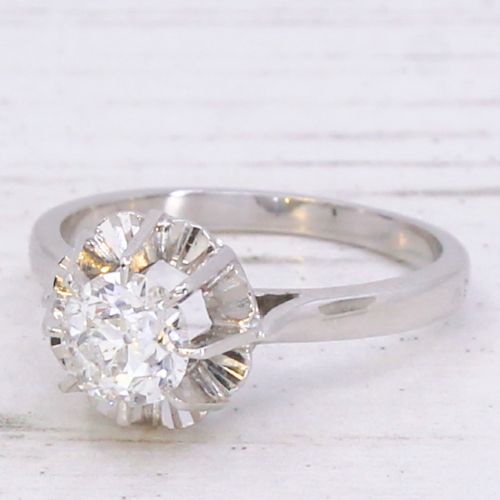
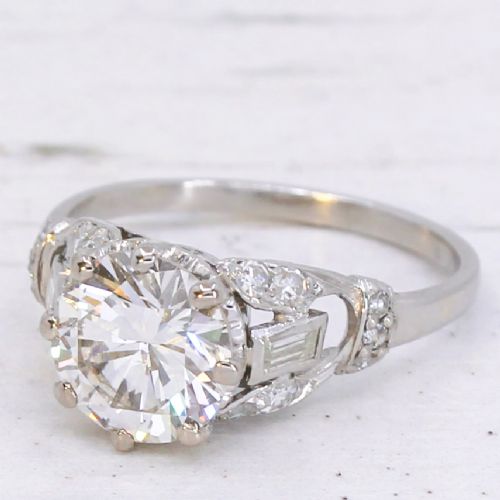
A vintage 1950s gold ring encompasses a diverse array of fine jewellery originating from the mid-century period, including engagement rings, cocktail rings, and plain wedding bands. You are most likely to encounter diamond solitaires and cluster configurations alongside substantial gemstone pieces set in yellow, white, or rose gold.
The aesthetic bridges traditional craftsmanship and mid-century modern design, often drawing on earlier Art Deco motifs or exhibiting voluminous, sculptural forms such as the bombé style. These pieces reflect the post-war shift toward expressive, substantial jewellery designed for daily wear or formal occasions.
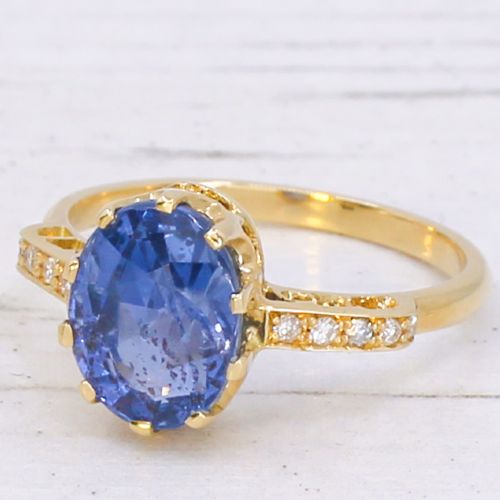
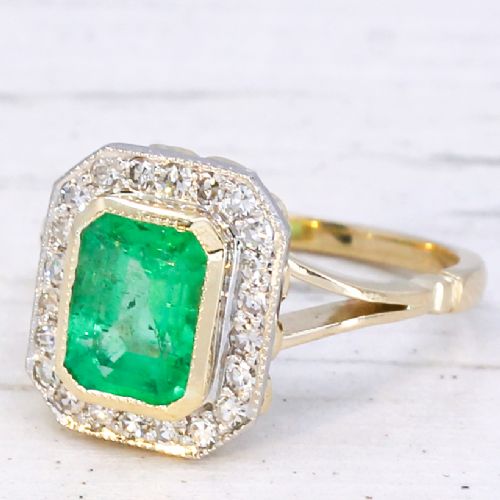
Origins span British, French, and American workshops, introducing regional variations in stone selection and metal purity. Plain stacking wedding bands sit alongside elaborate aquamarine, emerald, ruby, and sapphire creations supported by platinum or multi-carat diamond entourages.
Materials and construction methods
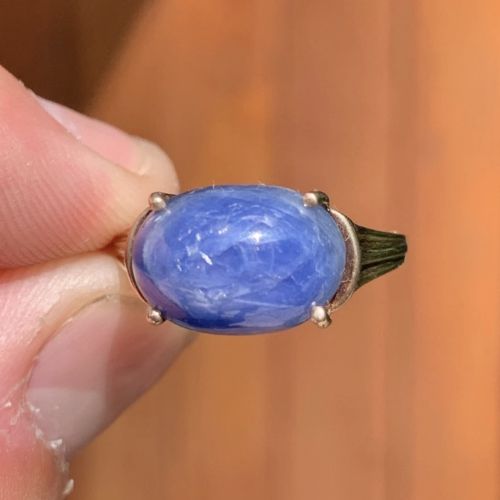
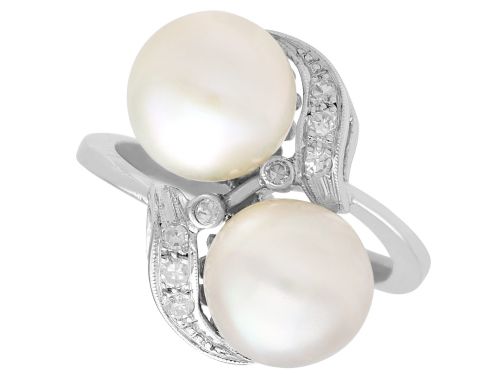
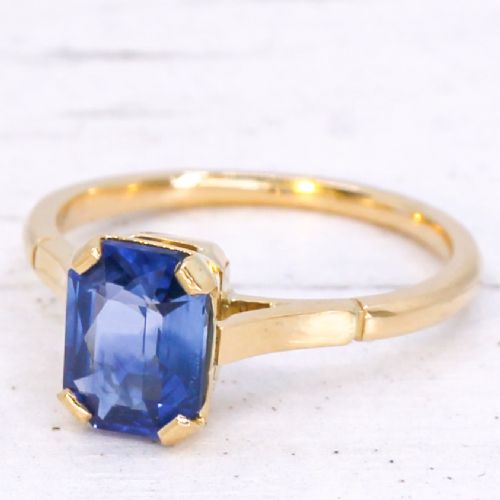
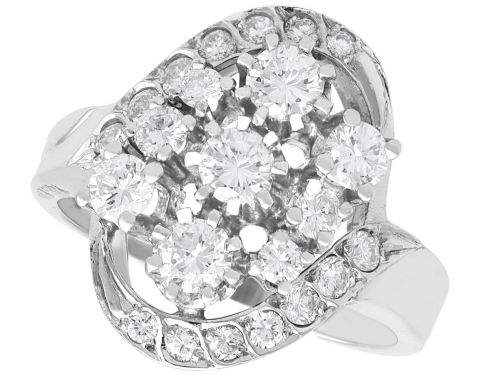
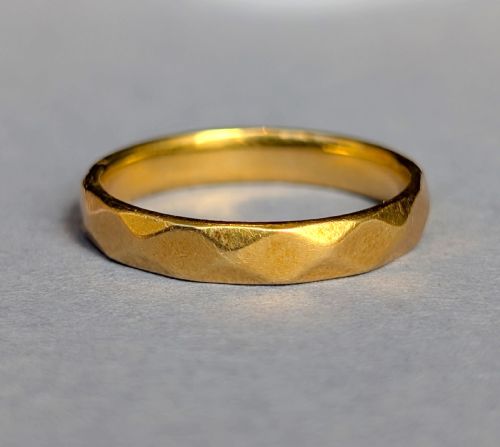
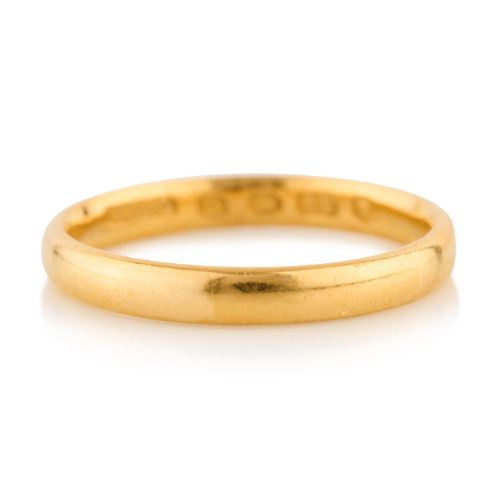
Makers utilised various gold purities, predominantly 18ct yellow and white gold, alongside 9ct, 10ct, 14ct, and high-purity 22ct gold, frequently pairing them with platinum for secure stone settings. Gemstones include old cut, transitional cut, and modern brilliant cut diamonds, alongside substantial Ceylon sapphires, Colombian emeralds, pearls, and turquoise.
Construction techniques emphasise robust claw settings, cluster arrangements, and scroll panel designs. Master jewellers balanced the weight of large central stones with intricate pavé work, intricate gallery wire, and solid shank foundations characteristic of mid-century manufacturing.
Vintage 1950s Gold Ring Retail Price Guide 2026
Typical asking prices for vintage 1950s gold ring among the pieces listed under this phrase on Sellingantiques today, from the lower quarter to the upper quarter. They describe what is for sale here now, not the wider market.
Listings feature yellow gold, white gold, and platinum metals alongside emerald, sapphire, diamond, pearl, and turquoise materials.
Distinguishing quality across the selection
Quality rests upon the proportion and natural origin of the central gemstones, particularly unheated sapphires or emeralds possessing minor oil treatments alongside well-matched diamond entourages. The precision of the hand-finishing on the gold or platinum metalwork dictates the overall refinement of the piece.
The integrity of the structural mountings and the originality of the cuts, such as preserved old cut diamonds, elevate an item. Heavier gauge metal and crisp casting or forging details separate standard commercial productions from superior studio works.
Kutchinsky
The Vintage 1950s Gold Ring Glossary
- Bombé ring
- A style characterised by a rounded, domed profile that projects outward from the finger, often densely paved with diamonds and coloured stones.
- Old cut diamond
- A diamond cut by hand before modern brilliant standards, featuring a smaller table, higher crown, and distinct culet facet that produces a softer candlelit glow.
- Transition cut
- A diamond facet arrangement bridging older antique cuts and modern brilliant cuts, prevalent during the mid-century period.
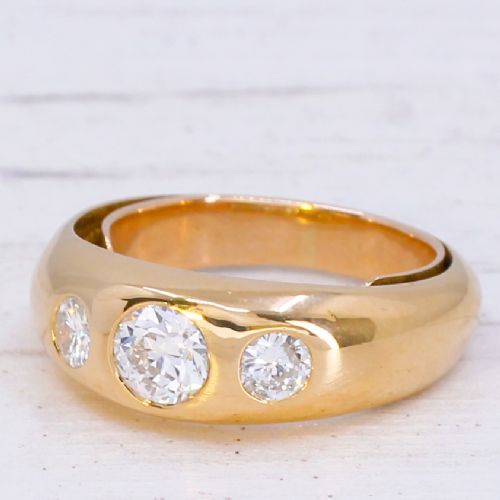
- Gypsy ring
- A design where stones are flush-set directly into the thick metal band, creating a smooth, continuous exterior surface.
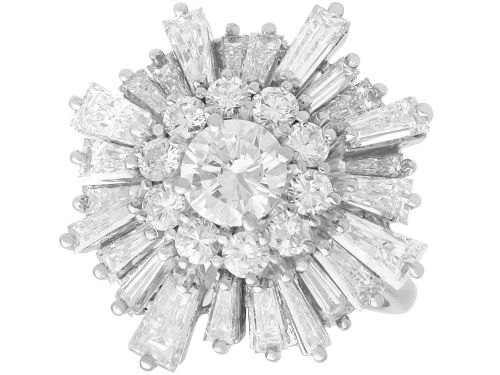
- Ballerina ring
- A cluster setting featuring a central stone encircled by tapered baguette-cut diamonds that radiate outward like a dancer's tutu.
Vintage 1950s Gold Ring: Frequently Asked Questions
How do I style a 1950s wedding band?
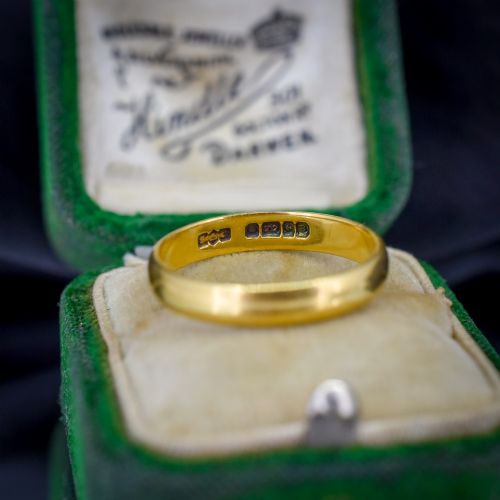
Plain 22ct yellow gold wedding bands work well worn alone for a minimalist look or stacked alongside engagement rings.
Their substantial weight allows them to pair comfortably with other mid-century bands of varying widths.
What defines a mid-century cocktail ring?
Cocktail rings from this era feature oversized central gems, such as aquamarines or emeralds, surrounded by diamond clusters.
They were designed for evening wear, prioritising visual impact and sculptural presence on the hand.
Are 1950s engagement rings durable?
These pieces utilise robust gold and platinum settings designed to secure large stones through daily wear.
Heavier shanks and thick claws provide the structural stability expected in mid-century fine jewellery.
How can I identify a 1950s diamond cut?
Many rings from this decade retain old cut or transitional cut diamonds with deeper pavilions and broad facets.
These cuts pre-date standard modern brilliant proportions, offering a distinct visual depth under indoor lighting.