

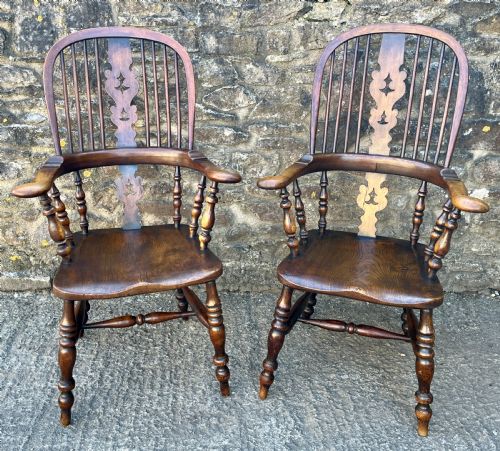


Victorian Yew Chair
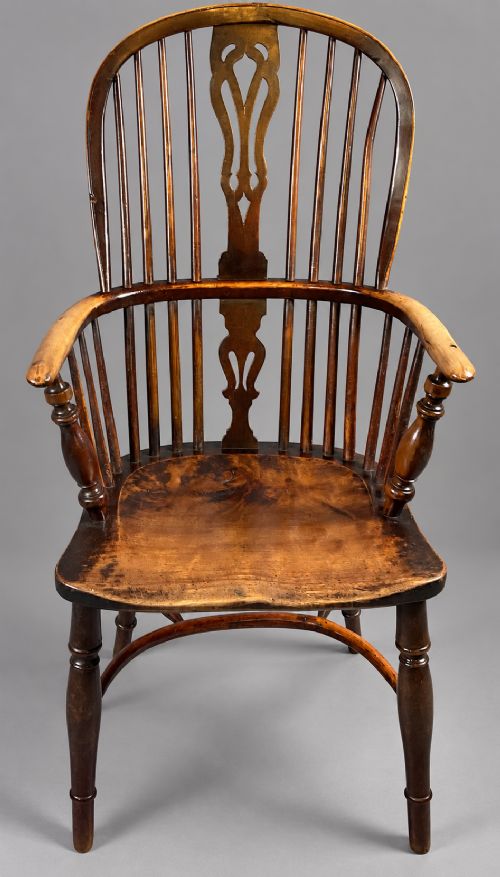
When you handle a victorian yew chair, you hold a dense, figured timber shaped by country makers into a sturdy seat built to last generations.
Victorian Yew Chair
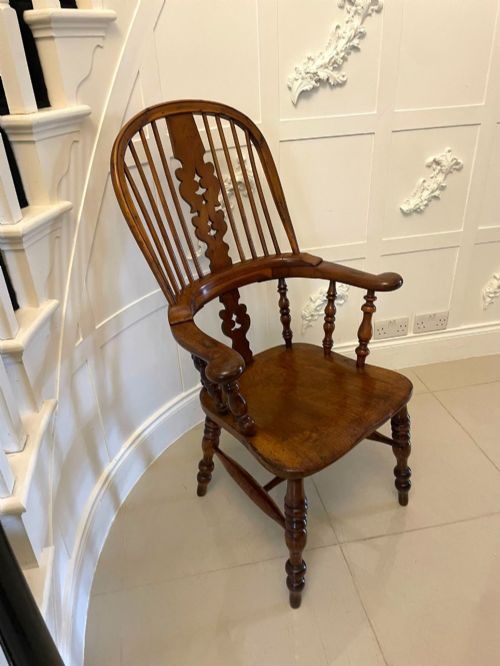
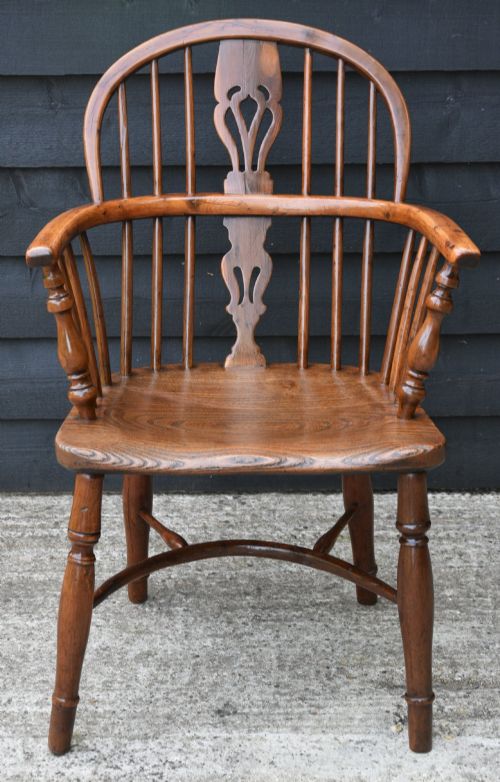
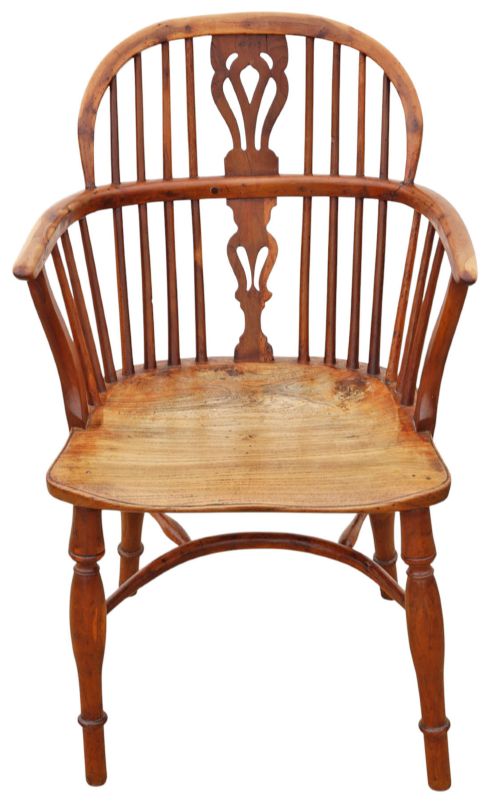
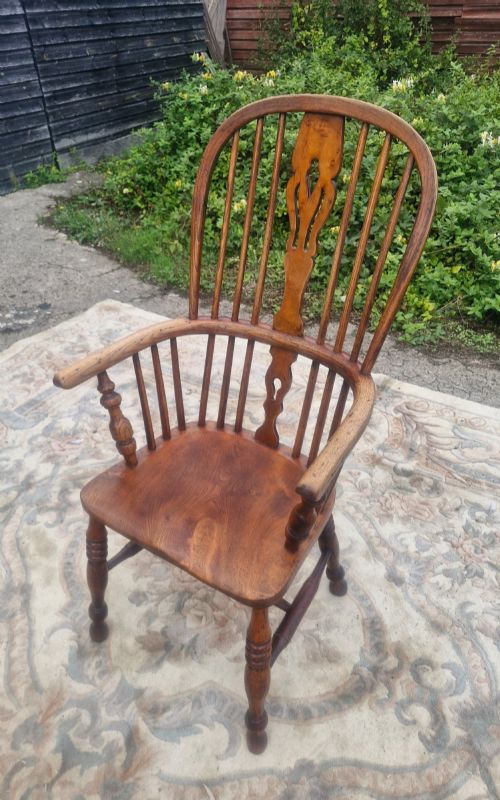
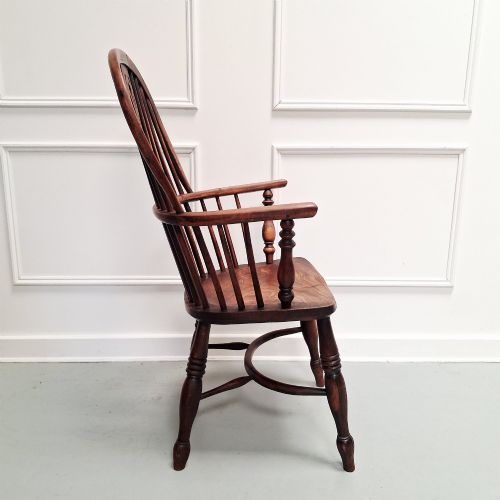
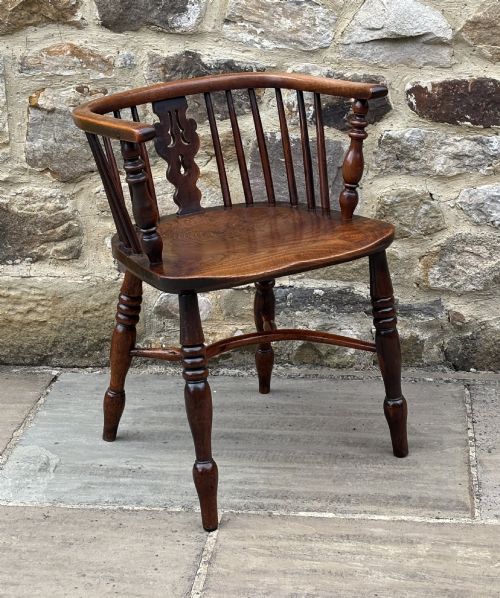
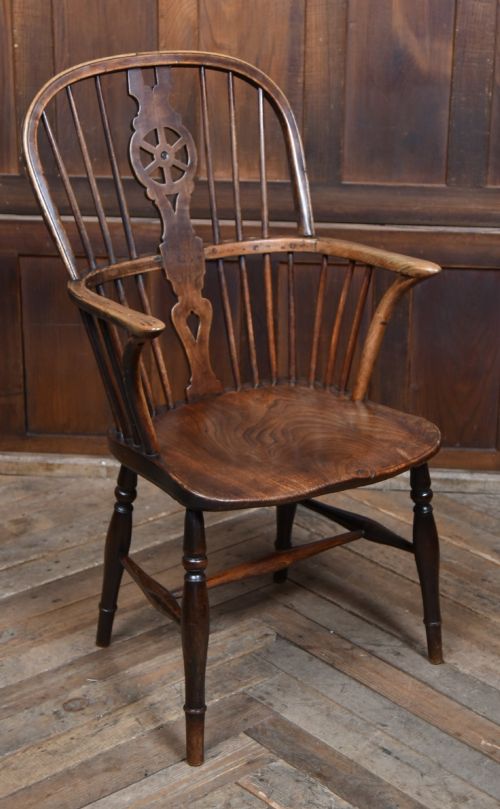
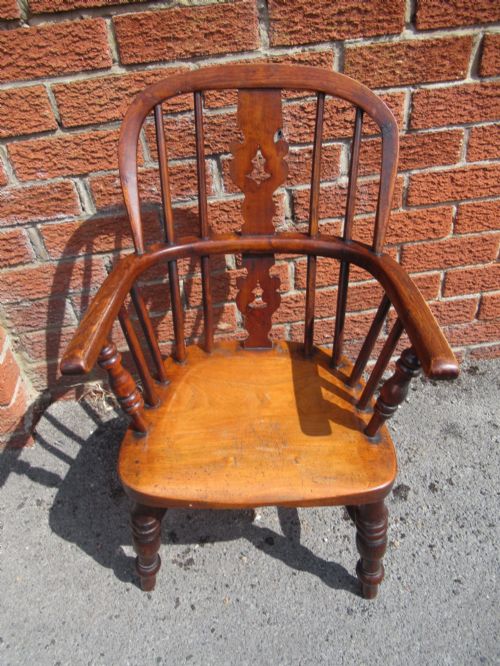
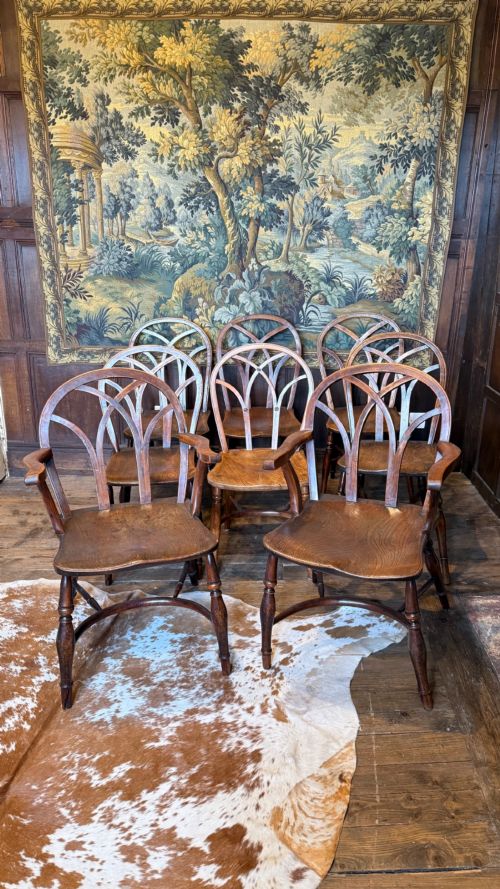
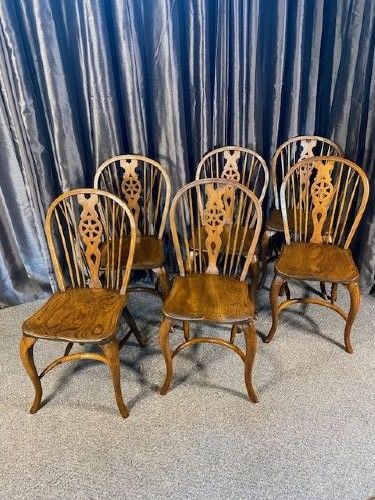
A victorian yew chair typically takes the form of a Windsor armchair, featuring high backs, low backs, broad arms, or wheel-back designs intended for daily use in English country homes and provincial settings.
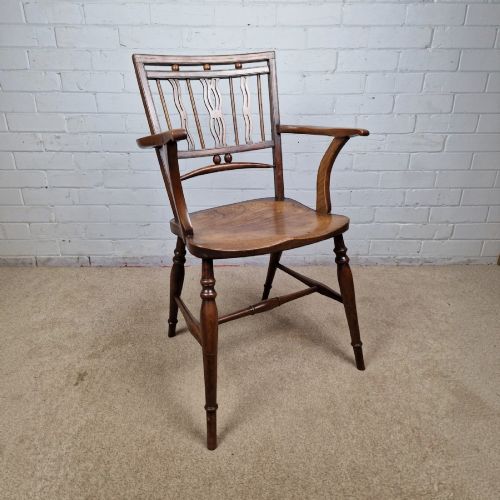
The evidence shows numerous regional variations, including captain's chairs, rocking chairs, child's chairs, and sets of dining chairs originating primarily from the nineteenth century.
Makers utilised local woods to construct these provincial forms, combining sturdy structural timbers with richly figured yew wood to create resilient seating with distinct regional characteristics.
Distinctions in quality
The quality of a piece is largely determined by the intensity and figuring of the yew grain, alongside the depth of the timeworn patina developed over generations of handling.
Listings demonstrate that 19th-century makers frequently combined yew, elm, and ash within a single chair framework.
J SPENCER·Prior
The Victorian Yew Chair Glossary
- Windsor chair
- A wooden chair constructed with a thick solid seat into which the legs and back spindles are separately bored and wedged. This design originated in rural England and relies on stick-furniture construction.
- Crinoline stretcher
- An arched or curved wooden brace connecting the legs of a chair to provide rigidity. It often takes a sweeping hoop shape reminiscent of a crinoline petticoat.
- Broad arm
- An expanded, flat wooden armrest integrated into an armchair design. These wider arms provide a comfortable surface for writing or resting.
- Carver
- A traditional term for an armchair, frequently used to describe larger elbow-chairs designed to sit at the head of a dining table.
Victorian Yew Chair: Frequently Asked Questions
What is a crinoline stretcher?
A crinoline stretcher is a bent-wood brace that connects the legs of a chair to prevent them from wobbling under heavy use. It adds crucial structural stability to stick-built seating.
In many provincial pieces, this component forms a distinctive curved loop beneath the seat that aids in dating the framework.
Why are elm and yew paired?
Makers paired elm for seats because its interlocking grain resists splitting when bored with numerous holes. Yew was chosen for upper sections due to its striking figure and natural resilience.
This combination balanced practical durability with decorative visual appeal in daily domestic environments.
How do I care for yew wood?
Maintain yew wood furniture by keeping it away from direct heat sources and sudden humidity changes that can cause timber to split. Regular dusting and occasional applications of appropriate wax preserve the surface.
Avoid harsh chemical cleaners that strip the historic patina accumulated over the nineteenth century.
Are these chairs comfortable?
These chairs are surprisingly comfortable because the solid seats are deeply dished and carved to fit the human form. The angled spindles and steam-bent backbows offer supportive posture for sitting.
Ergonomic design principles were well understood by regional makers who prioritised practical utility.