

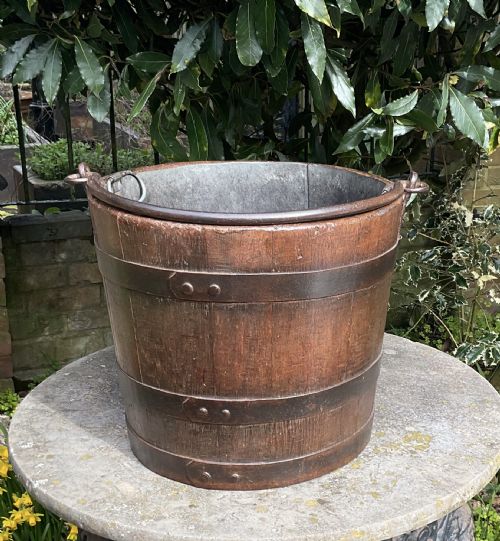


Victorian Wooden Wine Bucket
A victorian wooden wine bucket brings sturdy craft and historic charm to the table, offering a practical vessel for cooling bottles.
Victorian Wooden Wine Bucket
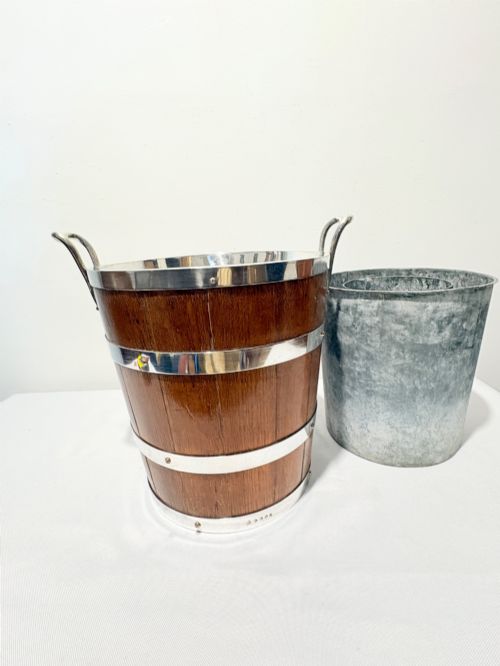
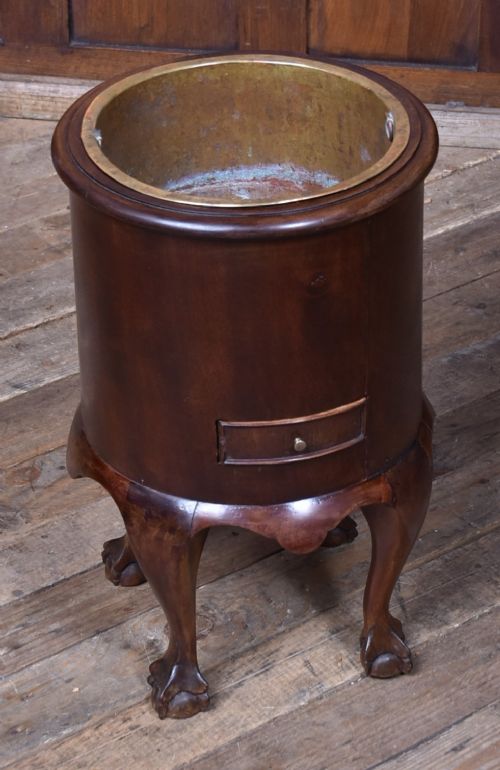
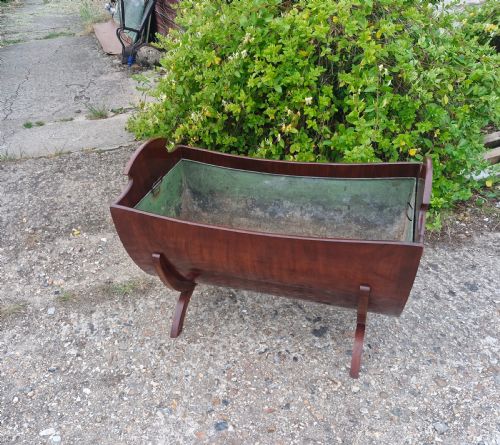
A victorian wooden wine bucket combines utilitarian purpose with period craftsmanship, originating primarily from the nineteenth century and the Edwardian era. These pieces frequently appear in forms such as champagne coolers, log baskets, peat buckets, and jardinieres.
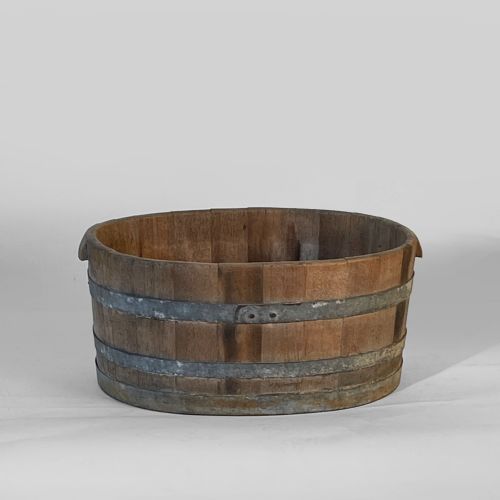
Most examples found on this page display traditional coopered construction, utilising tight wooden staves bound with metal hoops. Buyers encounter pieces fashioned from oak, mahogany, and walnut, often fitted with internal metal or ceramic liners.
Beyond holding wine, many of these versatile vessels served multiple domestic duties in country houses, functioning as washing tubs, oyster buckets, and planters. The surviving items reflect both formal dining rooms and rustic farmhouse settings.
How they were made
The construction relies heavily on traditional cooperage, where skilled artisans shaped wooden staves of oak, mahogany, or walnut to form watertight or durable vessels. These staves were then secured together using tight metal bands, typically fashioned from brass or iron.
Many items incorporate contrasting metalwork, featuring brass binding, spindle work, or silver-plated handles and rims to elevate their decorative appeal. Internal practicality was maintained through the addition of zinc, metal, or creamware liners to protect the wood from moisture.
What varies in quality
The standard of a victorian wooden wine bucket depends on the selection of timber and the precision of the cooperage. Finely figured mahogany and well-grained oak display superior cabinet-making skills compared to simpler utilitarian items.
Quality also rests in the original hardware, such as robust brass binding and intact internal liners made of ceramic or metal. Retaining original components distinguishes a high-grade decorative piece from one that has undergone substantial replacement of its fittings.
The Victorian Wooden Wine Bucket Glossary
- Coopered
- A method of construction where curved wooden staves are fitted together and bound with hoops to create a round vessel. This technique was essential for making watertight tubs and buckets.
- Jardiniere
- An ornamental pot or stand designed to hold plants or flowers. In this context, wooden buckets often served this decorative purpose within Victorian interiors.
- Creamware
- A fine, cream-coloured earthenware developed in the eighteenth century. Some buckets utilise liners made from this ceramic material.
- Spindle
- A turned piece of wood forming part of a decorative gallery or barrier on certain bucket designs. It adds an architectural detail to the object.
Victorian Wooden Wine Bucket: Frequently Asked Questions
How were these wooden buckets originally used?
These vessels primarily served as wine and champagne coolers during formal dining, packed with ice or cold water. They also doubled as log baskets near fireplaces or as general utility tubs in country houses.
Over time, many adapted to new domestic roles, including serving as planters or indoor jardinieres for household greenery.
Are the metal liners inside original?
Many pieces retain their original metal or ceramic liners, which protected the wooden staves from dampness and ice. Finding an intact creamware or zinc liner adds to the authenticity of the object.
Some examples show replacements fitted during later decades to maintain their practical utility in the home.
How do I care for a wooden bucket?
Keep these items away from direct heat sources and radical humidity changes to prevent the timber staves from shrinking or cracking. Dust the wood gently and apply suitable wax periodically to nourish the surface.
Avoid leaving standing water directly on unprotected wood if the original waterproof liner is missing.
What woods were commonly used?
Cabinet makers predominantly utilised oak and mahogany for their strength, durability, and rich grain patterns. Walnut also appears among finer decorative examples intended for prominent display.
These timbers were selected for their ability to withstand the demanding conditions of holding ice, water, and fuel.