


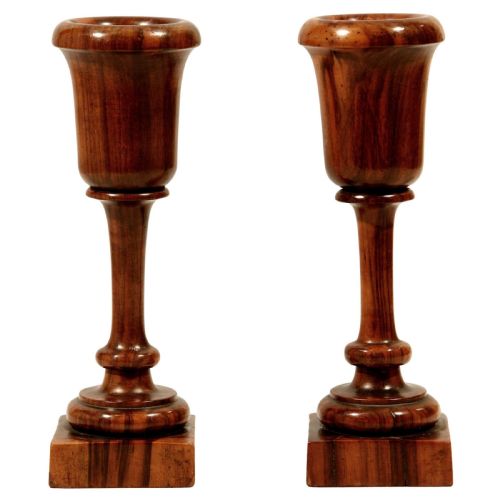
Victorian Wooden Vessel
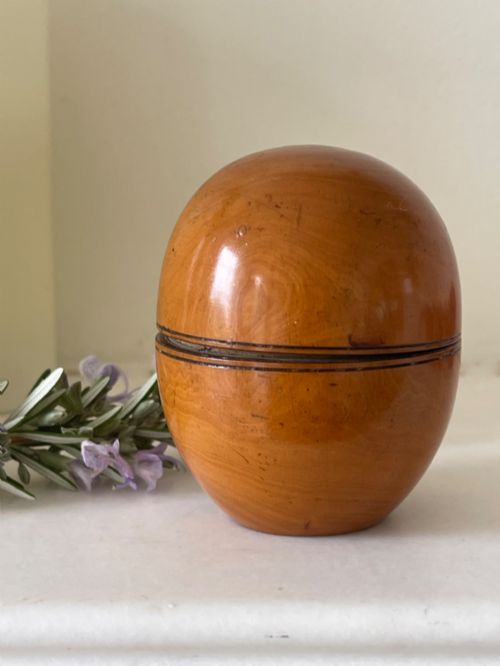
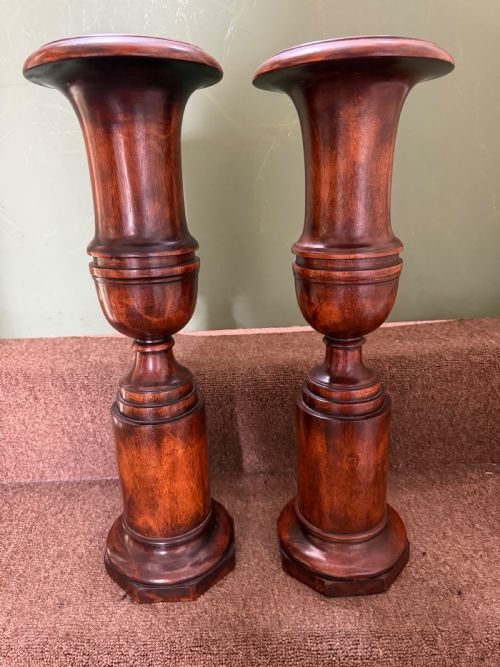
These pieces gather the functional and decorative turned wood items known as a victorian wooden vessel, shaped by nineteenth-century turners and coopers.
Victorian Wooden Vessel
A victorian wooden vessel encompasses a broad range of utilitarian and ornamental turned objects produced during the nineteenth century. Buyers searching this phrase most frequently encounter coopered oak buckets, turned walnut goblets, carved treen bowls, and lignum vitae spill vases.
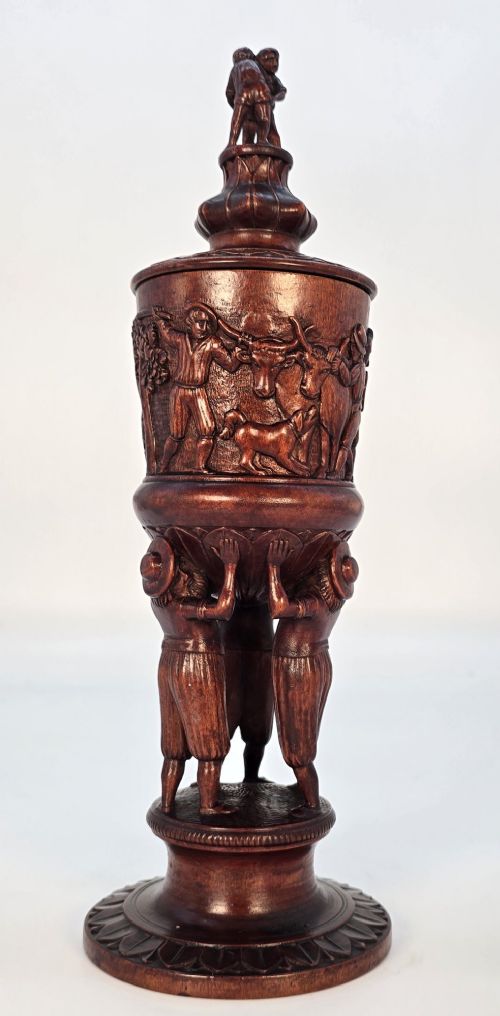
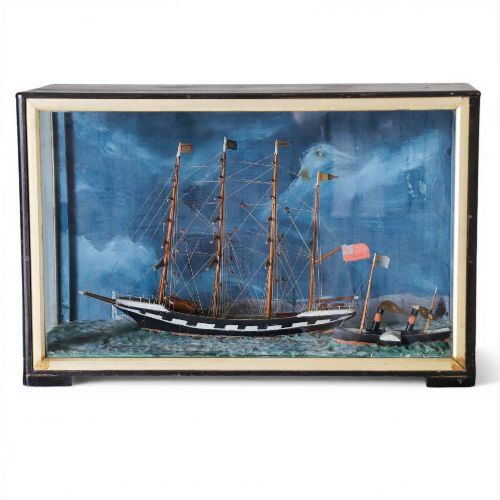
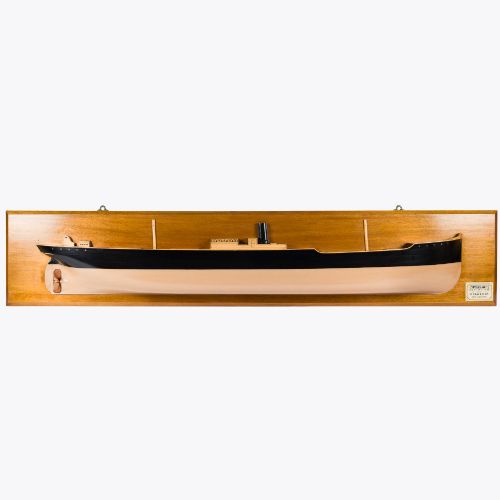
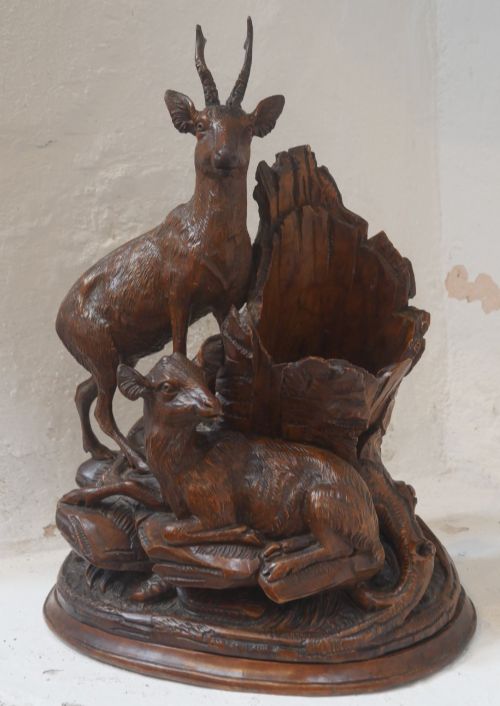
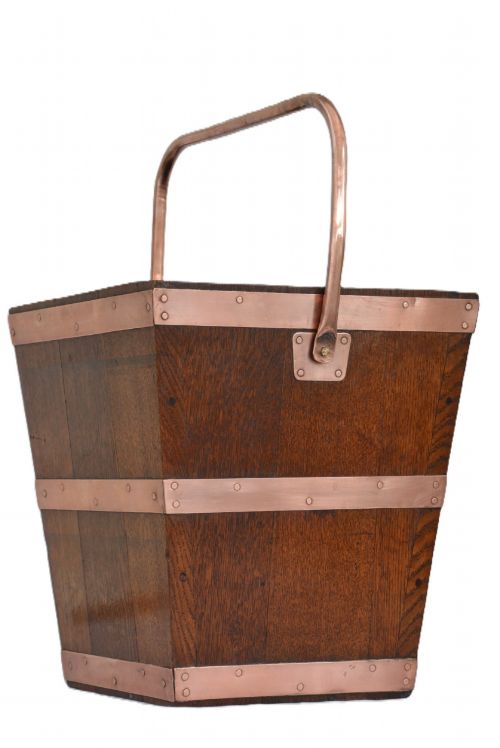
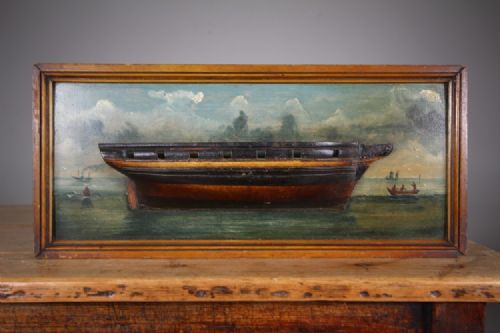
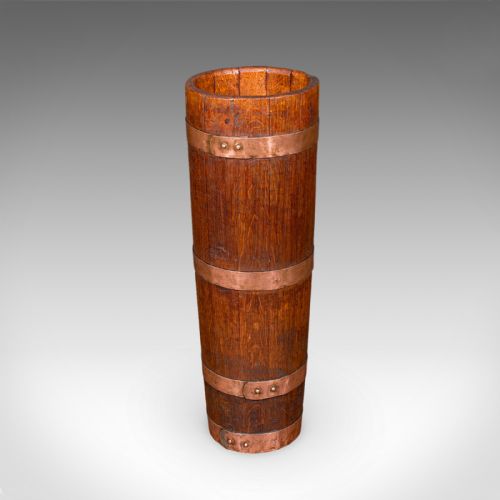
The domestic interior supplied the primary setting for these items, from dairy bowls in sycamore to coal and umbrella stands in oak bound with brass. Maritime influences also emerge strongly through turned nautical components and intricately carved vessels originating from Swiss workshops and Black Forest carvers.
Makers utilised dense native and exotic timbers to construct receptacles meant for daily service or display. The resulting forms balance strict utility with the ornamental turning traditions of the period.
Materials and construction
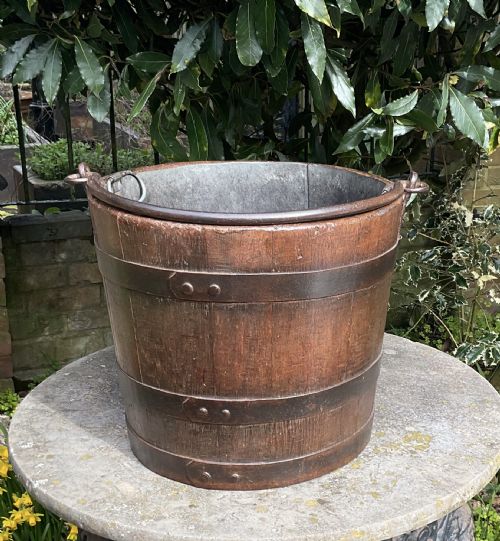
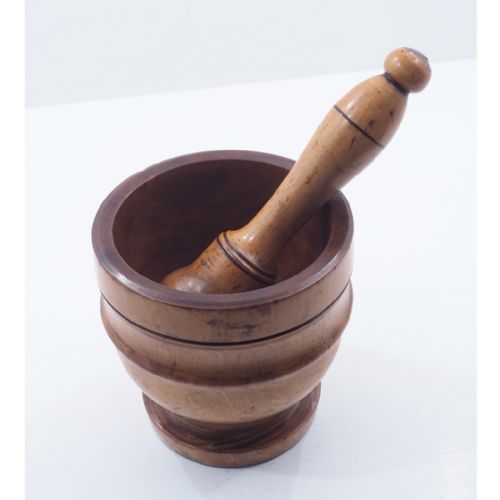
Coopers shaped staves of oak and teak, holding them tight with heavy brass and iron bands to construct water-tight buckets, jugs, and barrel bins. Turners mounted walnut, sycamore, and lignum vitae on lathes to pare down solid blocks into smooth urns, goblets, and chalices.
Carvers applied hand chisels to softer woods like sycamore and lime for detailed figurative work and intricate treen items. Natural patinas developed from decades of handling and wax polishing, preserving the grain without modern synthetic finishes.
Listings demonstrate a strong presence of nineteenth-century oak, walnut, and sycamore, incorporating brass and iron hardware across diverse utilitarian forms.
Judging the execution
Quality rests upon the precision of the initial turning and the structural integrity of the joinery. A well-executed coopered vessel maintains tight stave joints without reliance on modern adhesives, while turned items display balanced wall thickness and clean proportions.
The choice of timber dictates much of the character, with dense hardwoods showing crisp detail retention in carved elements. Surfaces bearing a warm, undisturbed patina reflect careful historic maintenance rather than over-zealous cleaning.
W. Grey & Co
The Victorian Wooden Vessel Glossary
- Coopered
- Constructed from curved wooden staves bound together with metal hoops, much like a traditional barrel. This technique ensured vessels held liquids or heavy dry goods securely.
- Treen
- Small, useful wooden household objects made by turning or carving. Collectors prize these pieces for their tactile qualities and domestic utility.
- Lignum vitae
- A remarkably dense and heavy self-lubricating timber sourced from tropical trees. Turners favoured it for items requiring high durability and fine detail.
- Patina
- The deep surface sheen and colour acquired by timber through age, handling, and regular polishing. A rich patina indicates long-term care and organic wear.
- Spill vase
- A small upright container placed on mantelpieces to hold thin wooden spills used for lighting fires or candles. They typically display precise lathe-turned profiles.
Victorian Wooden Vessel: Frequently Asked Questions
What defines a victorian wooden vessel?
These items comprise turned, carved, or coopered wooden objects produced during the nineteenth century for domestic, maritime, or decorative purposes. They range from utilitarian dairy bowls and umbrella stands to delicate chalices and urns.
Materials are predominantly hardwoods such as oak, walnut, sycamore, and lignum vitae, frequently accented with brass mountings or iron bands.
How were coopered vessels used?
Coopered items served heavy-duty domestic roles, holding coal, peat, water, or dry goods like oysters. The stave-and-hoop construction provided the structural strength required for daily service in nineteenth-century households.
Larger versions stood in hallways as umbrella stands or log bins, while smaller jugs functioned directly in kitchens and living spaces.
How should I clean my wooden vessel?
Maintenance requires only occasional application of natural beeswax to nourish the timber and preserve the historic patina. Harsh chemical cleaners and excessive water must be avoided to prevent grain raising and splitting.
Keeping pieces away from direct heat sources and dramatic humidity shifts protects the original wood from shrinking and cracking.
How do I tell treen from decorative vessels?
Treen specifically designates small, functional items of treenware such as spice grinders, nutmeg graters, and small bowls designed for intimate manual use. Decorative vessels generally encompass larger turned urns, chalices, and display pieces intended primarily for visual effect.
Both categories share lathe-turning and hand-carving techniques common to nineteenth-century woodwork.