



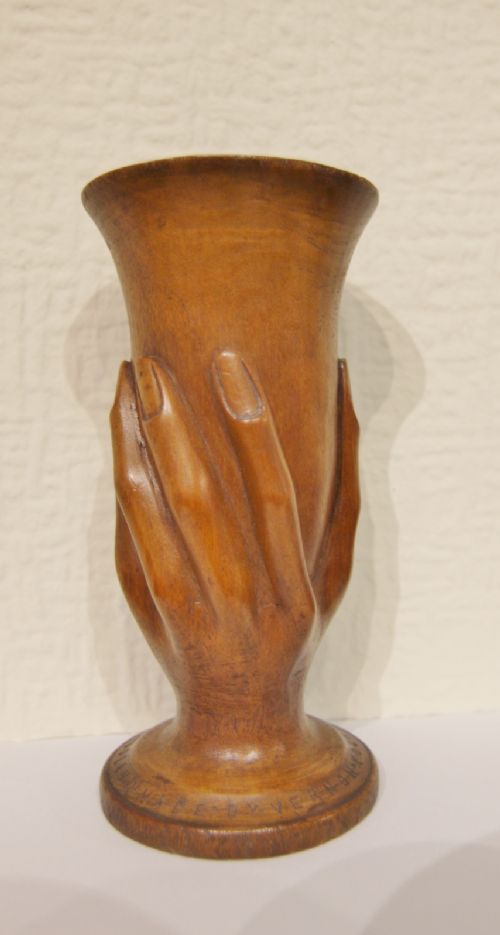


Victorian Wooden Vases
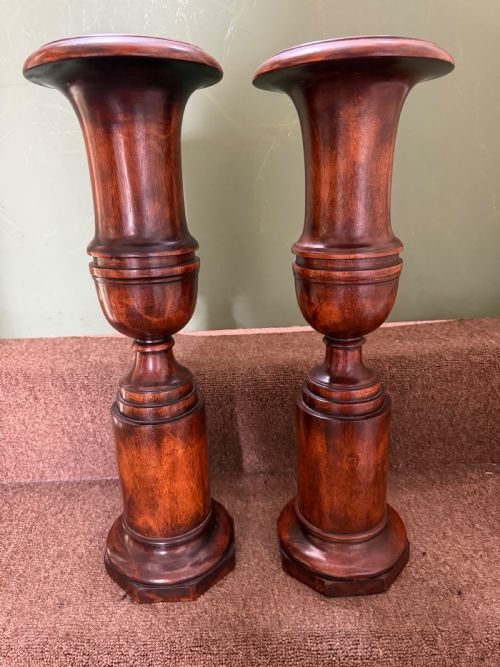
Victorian wooden vases are turned and carved vessels shaped from hardwood and walnut, offering warmth and natural grain to a room.
Victorian Wooden Vases
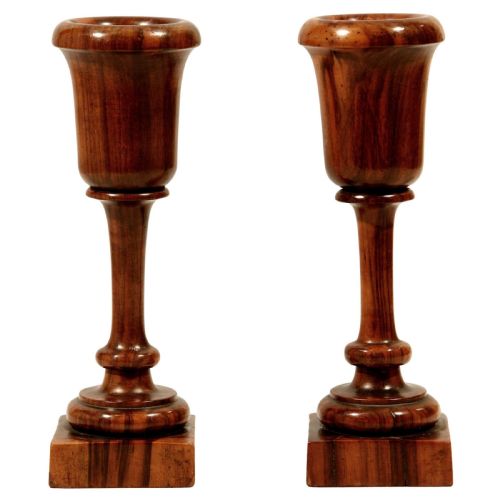
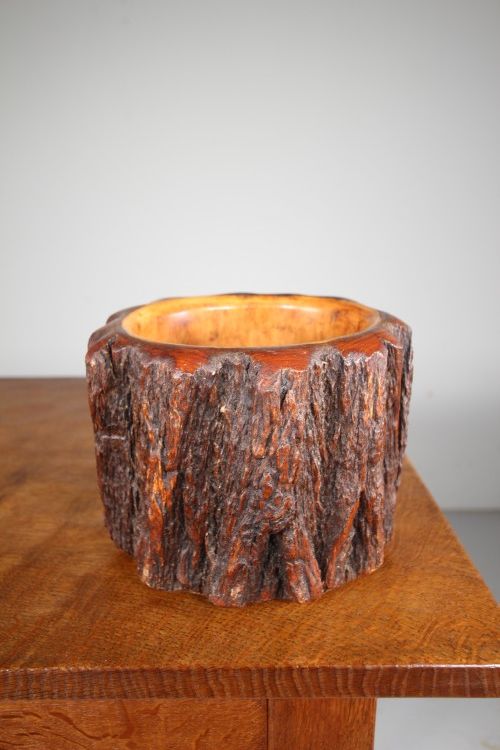
Buyers frequently encounter turned oak and lignum vitae spill vases alongside decorative treen items. These functional forms served hearthside purposes before transitioning into purely decorative display objects.
How they were made
Craftsmen shaped these vessels using traditional turning and carving techniques on dense timbers such as walnut, oak, mahogany, and lignum vitae. The natural figure of the hardwood dictates the visual weight and surface texture of each turned profile.
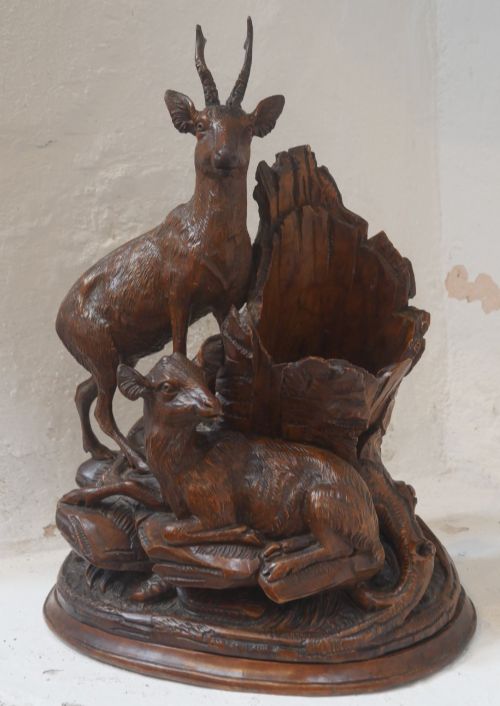
Makers utilised lathe-turning for symmetrical urn forms and detailed collars, while regional workshops employed hand-carving for decorative motifs and folk art elements.
The documented forms span turned urns, spill vases, and treen vessels across the Victorian era.
What varies in quality
Quality rests in the crispness of the turning and the choice of timber, where tightly figured walnut or dense lignum vitae elevates a piece above standard utilityware. Superior examples display balanced proportions and a deep, honest lustre achieved through traditional polishing.
The precision of the collar details and the stability of the turned stem distinguish finer workshop production from simpler domestic items. Hand-carved elements reveal the sculptorial competence behind the piece, shifting the object from basic treen to accomplished decorative art.
The Victorian Wooden Vases Glossary
- Treen
- Small handmade wooden objects for domestic use. This category includes turned vessels, small bowls, and spill holders.
- Spill vase
- A small receptacle designed to hold thin wooden spills used for lighting fires and candles. These are frequently turned from dense hardwoods.
- Lignum vitae
- An extremely heavy and dense hardwood sourced from tropical trees. It is prized by turners for its fine grain and ability to take a sharp, crisp profile.
- Neoclassical
- A style drawing inspiration from classical antiquity, marked by balanced proportions and restrained ornament. In woodware, this appears in clean turned urn silhouettes.
Victorian Wooden Vases: Frequently Asked Questions
What is a spill vase?
A spill vase is a small receptacle designed to hold thin wooden spills that transferred flames from the hearth to lamps and pipes. They sat near fireplaces for daily domestic convenience.
Over time, these turned wooden vessels survived as decorative objects, prized for their compact forms and warm timber grains.
How do I care for wooden vases?
Keep wooden vessels away from direct sunlight and sudden temperature shifts to prevent the timber from splitting. Dust them gently with a dry cloth.
Avoid applying modern liquid polishes, as traditional beeswax formulations preserve the historical finish and natural lustre of the wood.
What woods were commonly used?
Turners utilised dense hardwoods such as walnut, oak, mahogany, and lignum vitae for nineteenth-century vases. These timbers provided the structural integrity needed for precise lathe work.
Each wood species brings a distinct weight and grain pattern, influencing the visual character of the finished turned vessel.
How are periods identified?
Periods are determined through a combination of turning styles, timber selection, and tool marks left by the maker. Neoclassical profiles and dense lignum vitae often point toward mid-nineteenth-century production.
Comparing the proportion, finish, and wear patterns against dated examples helps narrow down the decade of manufacture.