




Antique Stem Vases
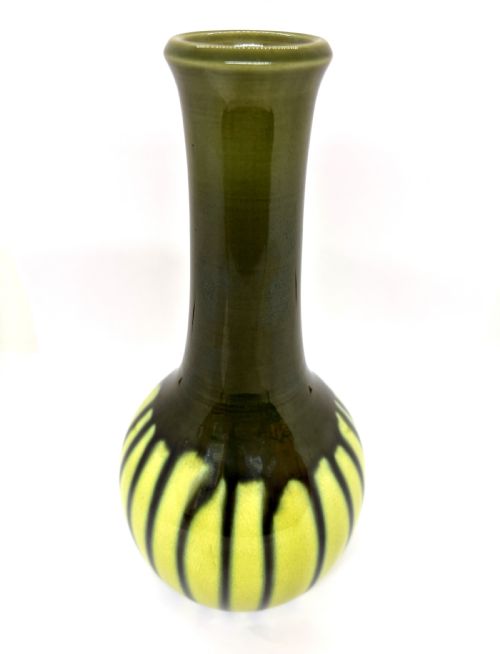
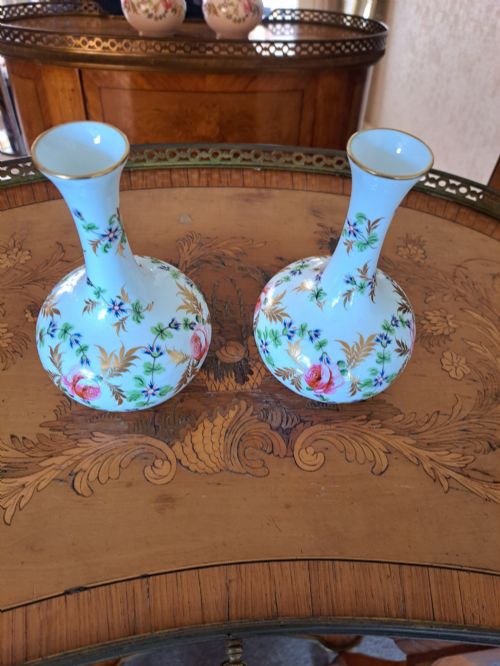
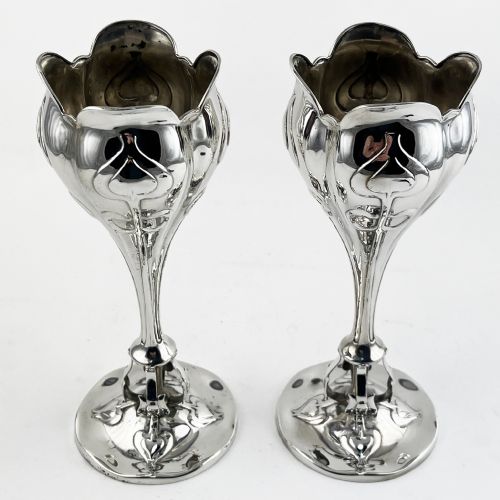
Antique stem vases hold a single bloom or narrow posy with upright elegance, spanning Victorian glass, Edwardian silver, and Japanese bronze.
Antique Stem Vases
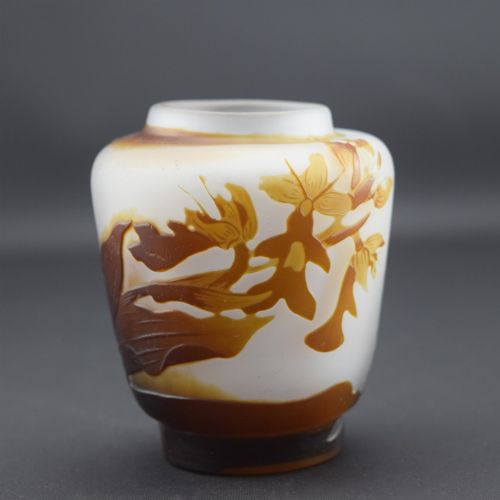
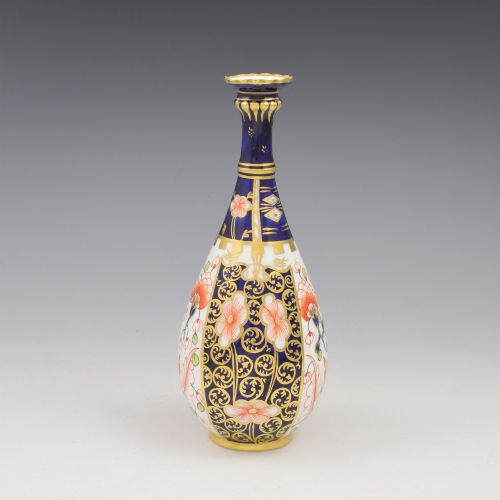
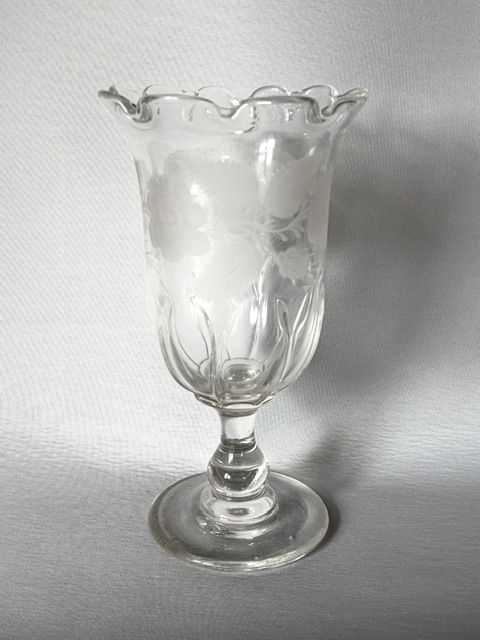
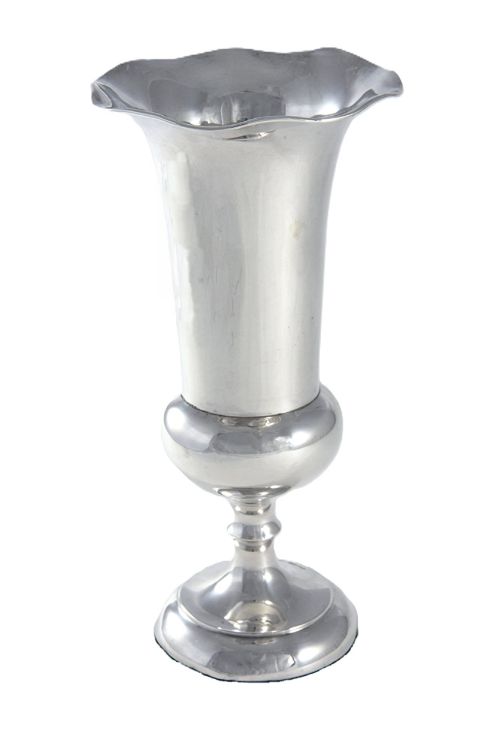
Antique stem vases comprise slender vessels designed to elevate single flowers, slender stems, or small posies above a table or mantelpiece. When searching for antique stem vases, collectors encounter forms ranging from tall glass flutes and celery vases to turned wood spill holders and bronze baluster urns. The selection spans the nineteenth century through the Edwardian period, incorporating domestic British output alongside continental glass and Japanese metalwork.
Makers and makers' regions include Victorian and Edwardian British silversmiths, Bohemian glasshouses, and Japanese Meiji period metalworkers. Domestic items often take the form of sterling silver or silver-plated bud vases and etched celery vessels, whilst continental examples showcase Venetian-inspired green glass and Bohemian techniques. Japanese contributions bring bronze and mixed metal baluster urns into the category, reflecting diverse global manufacturing traditions of the era.
What varies in quality
Quality rests upon the crispness of the casting, the depth of glass cutting, and the purity of the metal or timber used. Superior examples display balanced proportions, clean hallmarks where applicable, and masterly execution in decorative details such as gilding or mixed metal work. Lesser specimens show heavier, less refined moulding or loss of finish across the surfaces.
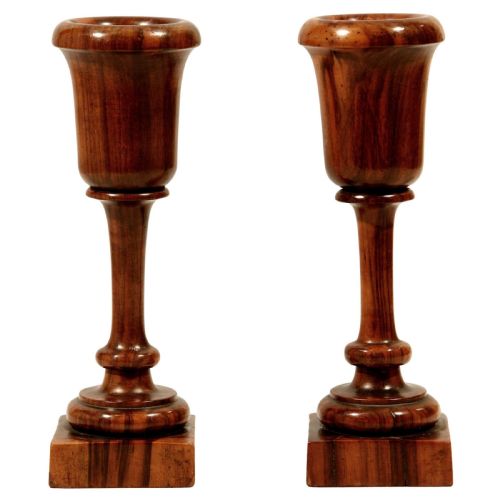
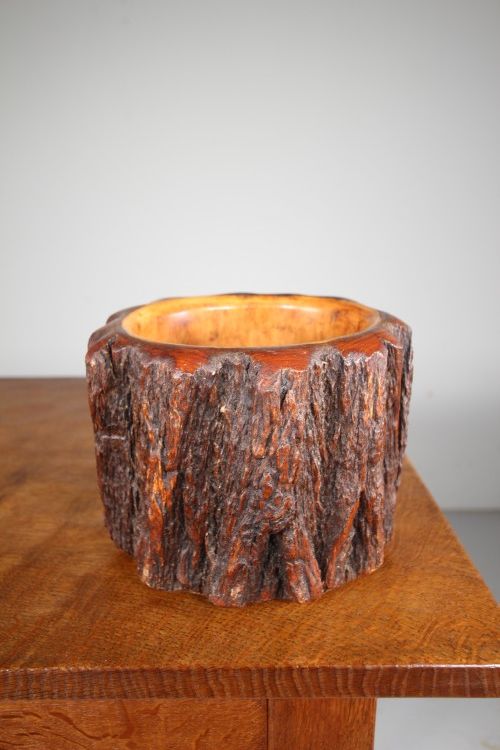
Turned wood spill vases bring nineteenth-century hearth utility to the flower table.
Burmantoft's Pottery·Crown Derby·James Powell
The Antique Stem Vases Glossary
- Celery vase
- A tall nineteenth-century vessel originally intended for holding celery on the dining table, often repurposed as a large stem vase. These pieces feature deep bowls supported on a distinct stem and foot.
- Posy vase
- A small vessel engineered to hold a short arrangement of flowers rather than a single long stem. They frequently appear in silver, ceramic, or glass during the Edwardian era.
- Spill vase
- A narrow container designed to hold wooden spills used for lighting fires or candles. Turned wood and ceramic examples often double as stem holders.
- Meiji era
- The period of Japanese history lasting from 1868 to 1912, known for exceptional bronze and mixed metal decorative arts exported to the West. Pieces from this time display intricate patination and metal inlay.
- Treen
- Small handmade wooden household objects turned or carved from a single piece of timber. Lignum vitae and oak spill vases fall under this traditional umbrella term.
Antique Stem Vases: Frequently Asked Questions
What is an antique stem vase used for?
These vessels serve to display single flowers, slender posies, or decorative dried stems with focused height. Their narrow profiles keep blooms upright without requiring a wide arrangement.
Historically, larger variations such as celery vases fulfilled dining table duties before finding new life as floral displays. Today, collectors use them on windowsills, mantels, and side tables to showcase individual botanical specimens.
How do I date an antique silver stem vase?
Dating relies heavily upon the assay office marks, maker's stamps, and date letters stamped directly into the silver metal. These official hallmarks provide the exact year of manufacture and certification.
Stylistic cues such as Edwardian proportions or Art Nouveau whiplash lines offer secondary confirmation when marks are rubbed. Comparing the base construction with documented period pieces narrows down the decade of production.
Are Japanese Meiji vases considered stem vases?
Meiji period bronze and mixed metal urns enter the stem vase category when their proportions feature a narrow neck rising from a substantial baluster body. Japanese artisans produced these tapered forms to hold single tall branches or blooms.
Their inclusion broadens the stylistic range beyond traditional British silver and glass. The refined metal patination distinguishes them clearly from European earthenware.
How do I clean antique glass stem vases?
Cleaning requires warm water and mild soap applied with a soft cloth to protect delicate surfaces and historic glass. Harsh abrasives or modern chemical cleaners will strip thin gilding and scratch old material.
Careful handling around slender stems and fragile rims prevents accidental breakage during maintenance. Thorough drying with a lint-free cloth preserves the clarity of etched and cranberry glass.