


English Turned Wood
English turned wood pieces are lathe-shaped domestic items and structural furniture components that offer tactile grain patterns and enduring joinery for traditional interiors.
English Turned Wood
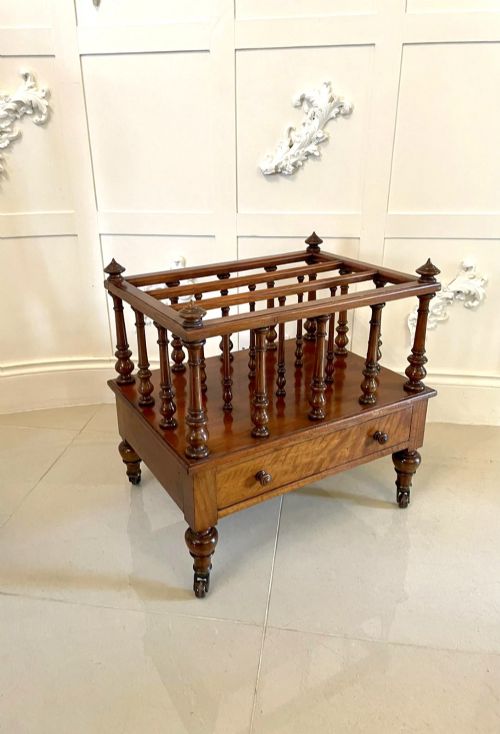
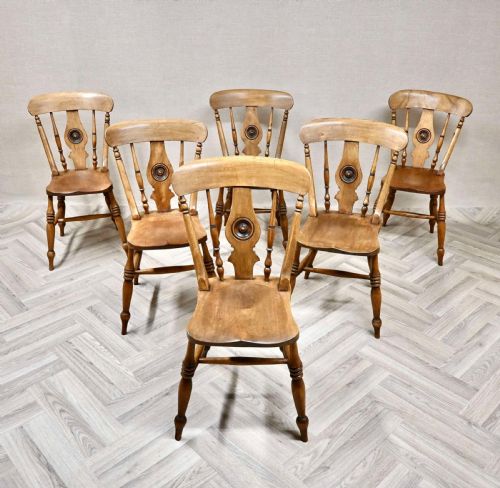
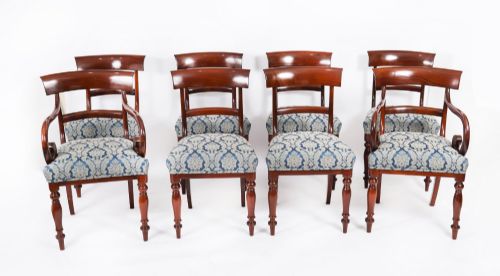
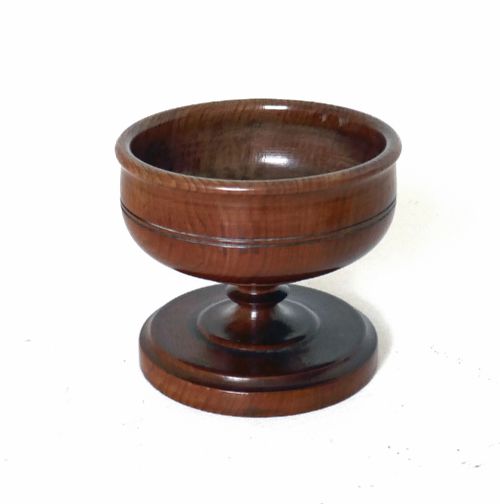
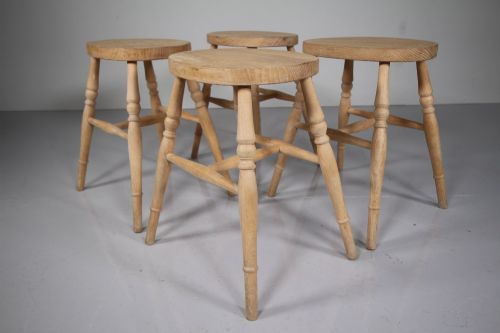
English turned wood encompasses both small domestic treen objects shaped on a lathe and structural furniture elements such as chair legs, stretchers, and spindle backs. These pieces span utility items like drinking goblets, salt cellars, and spice grinders alongside seating forms like Windsor armchairs and tavern stools.
Regional British country styles heavily influence the corpus, ranging from Georgian and Regency forms to Victorian farmhouse adaptations. The items reflect daily domestic utility and rural craftsmanship from periods spanning the seventeenth through the nineteenth centuries.
How they were made
Makers utilised native hardwoods such as elm, ash, beech, yew wood, and fruitwood, selecting timbers based on their tensile strength and response to the lathe. Dense fruitwoods and boxwood were turned thin for small vessels and treen, while tougher combinations like ash frames with elm seats formed robust country chairs.
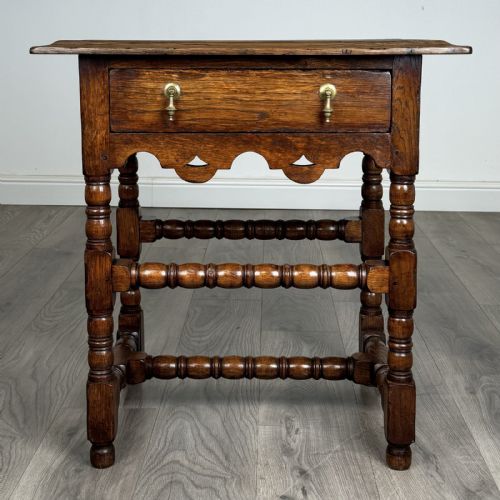
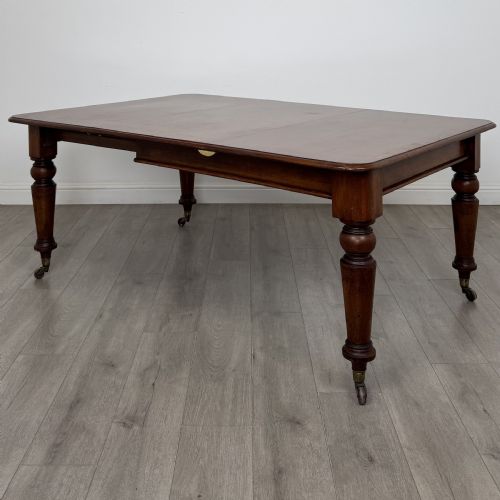
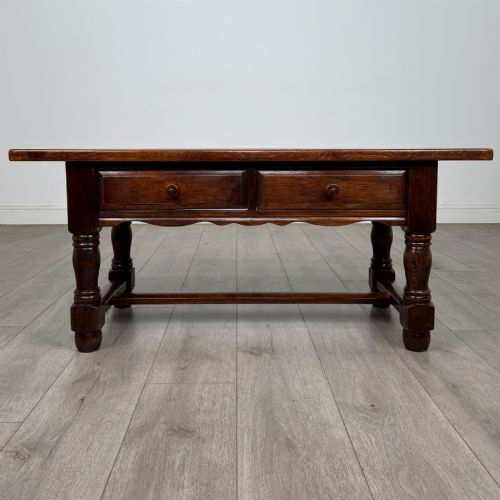
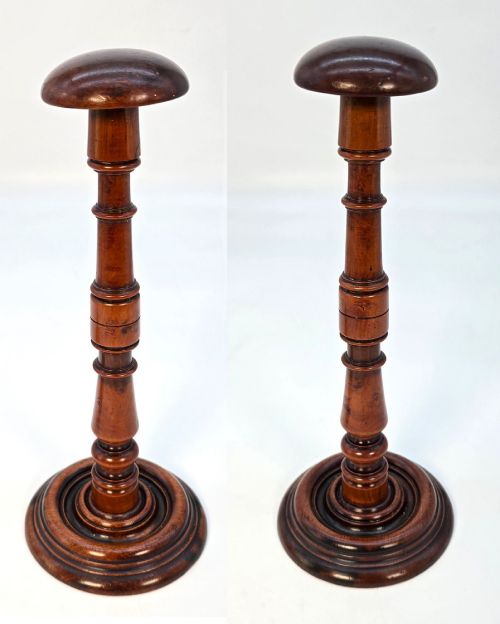
Lathe turning shaped the cylindrical components, bobbin details, and ring-turned rings seen on legs, stretchers, and small decorative wares. Hand tools finished the surfaces, often leaving subtle tool marks and grain variations that define the individual character of each turned object.
Listings feature native hardwoods including elm, ash, beech, oak, yew wood, and various fruitwoods across 18th-century and 19th-century periods.
What varies in quality
Quality in English turned wood depends on the crispness of the lathe work and the preservation of the original timber surface. Clean, sharply defined bobbin or ring turnings that retain their original profiles without heavy sanding or wear represent superior examples.
The choice and figuring of the timber significantly affect desirability, with richly patinated yew wood, figured fruitwood, and contrasting ash-and-elm combinations commanding attention. Surface depth and untouched patination elevate a piece from basic utility to a collected object.
J Spencer
The English Turned Wood Glossary
- Treen
- Small handmade wooden household objects created before the widespread use of plastics. These items include cups, spice grinders, and salt cellars shaped by turning.
- Bobbin turning
- A form of lathe decoration featuring a series of rounded, spool-like shapes carved sequentially along a length of wood. This style is frequently found on seventeenth-century and revival furniture frames.
- Windsor chair
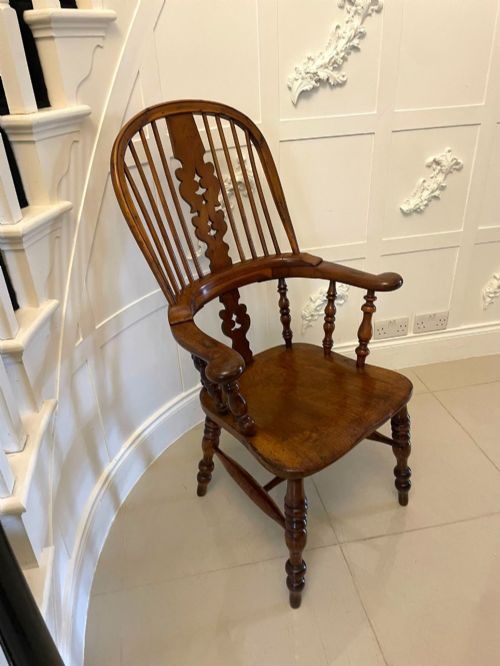
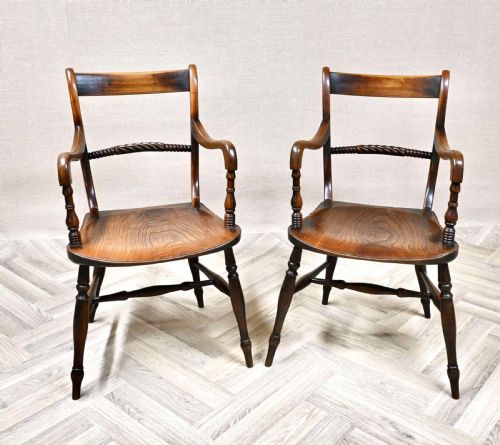
- A traditional seating form characterised by a solid wooden seat into which the legs and back spindles are directly fitted. These chairs often incorporate steam-bent hoops and turned components.
- Patina
- The surface sheen and colour developed over decades through handling, waxing, and ageing. It provides a visual record of a piece's history.
- Ring-turned
- A decorative technique involving parallel horizontal grooves cut into the wood on a lathe. This creates raised ridges and concave channels along legs and spindles.
English Turned Wood: Frequently Asked Questions
What is treen?
Treen encompasses small wooden objects made for daily domestic use, such as drinking goblets, spice containers, and mortars. These items were shaped on a lathe and handled constantly.
They reflect historical woodworking skills and regional timber choices, serving practical household roles before modern manufacturing.
Where were these chairs used?
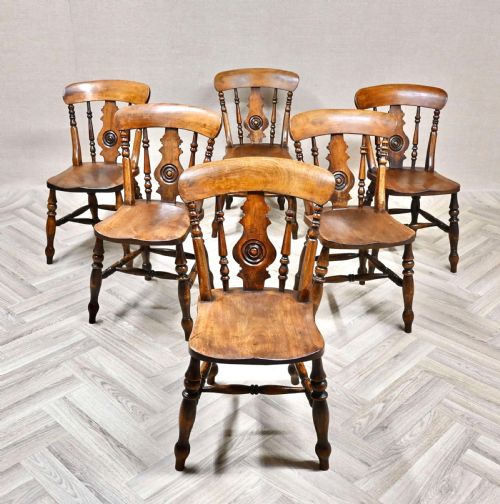
These chairs served in rural farmhouses, country cottages, and taverns across England. Their sturdy construction suited daily domestic life and heavy use.
Over time, robust timbers like ash and elm ensured these seating forms survived centuries of regular service.
What is bobbin turning?
Bobbin turning is a decorative lathe technique that produces a sequence of rounded, spool-like wooden shapes along a shaft or leg. It gained popularity during the seventeenth century.
Furniture makers utilised this method on side chairs and table frames to add texture and visual rhythm to structural supports.