



Victorian Wooden Vanity Box
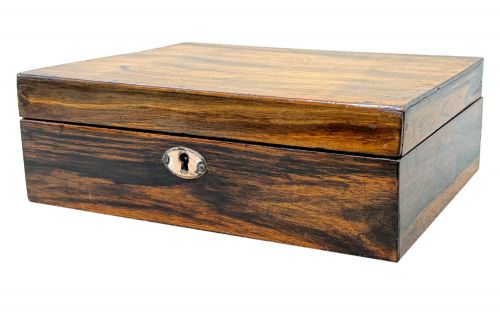
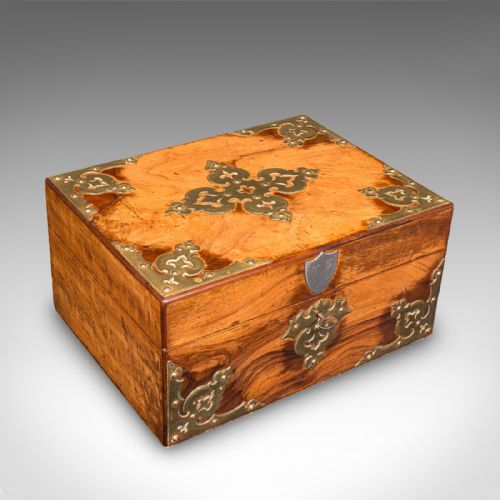
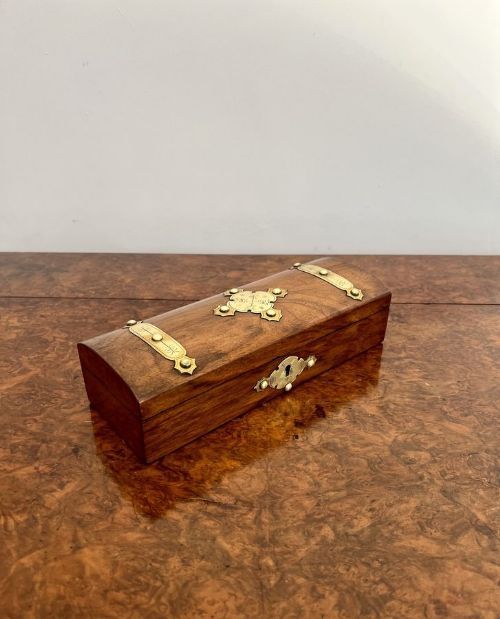
A Victorian wooden vanity box is a compact chest for travel and dressing, offering fitted compartments that appeal to collectors of period craftsmanship.
Victorian Wooden Vanity Box
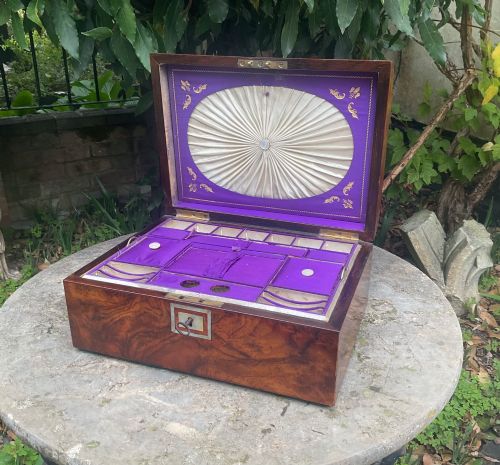
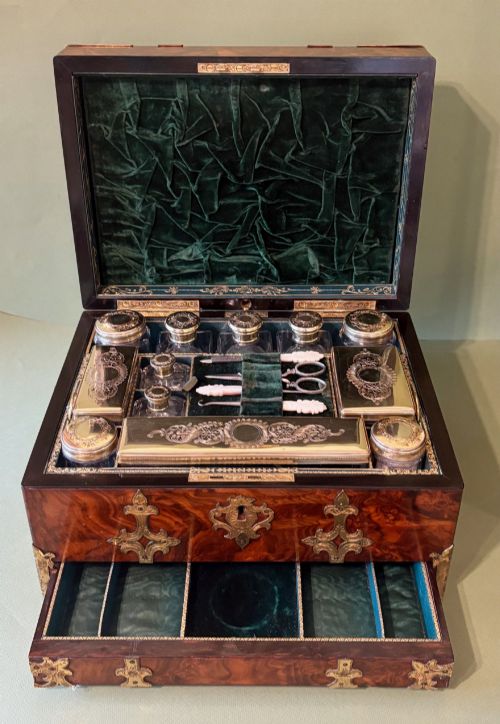
A Victorian wooden vanity box serves to hold jewellery, cosmetics, and writing equipment during travel and daily dressing. The search for a victorian wooden vanity box brings up fitted cases from the nineteenth century designed with compartments for bottles, trays, and mirrors.
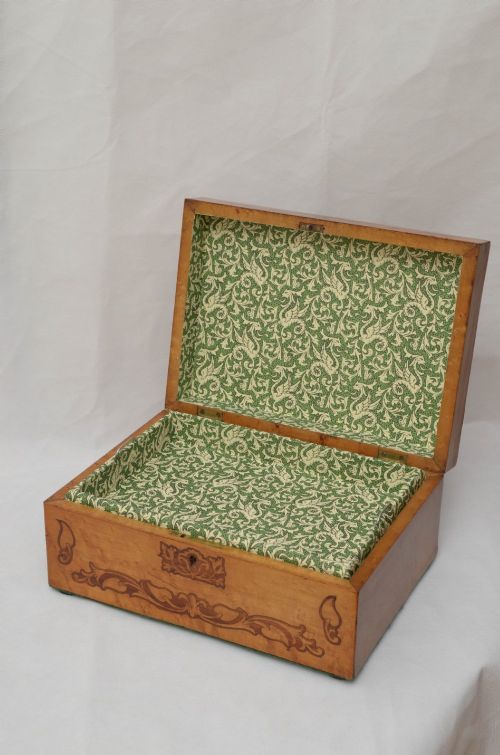
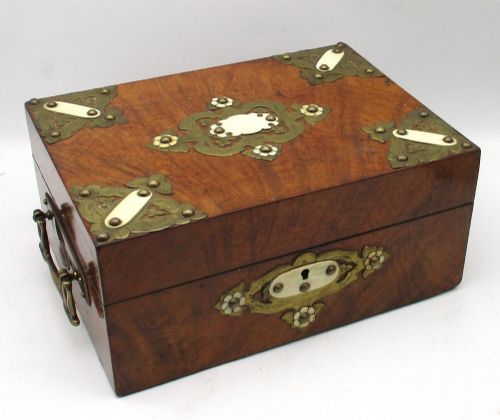
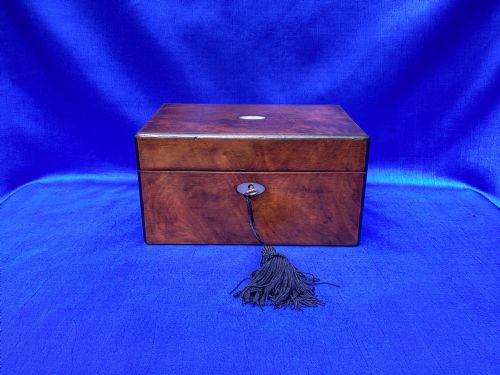
Most examples date from the mid to late nineteenth century, appearing in forms such as jewellery cabinets, sewing boxes, and dressing cases. Woods like rosewood, walnut, and coromandel dominate the selection, often accented with brass and mother-of-pearl.
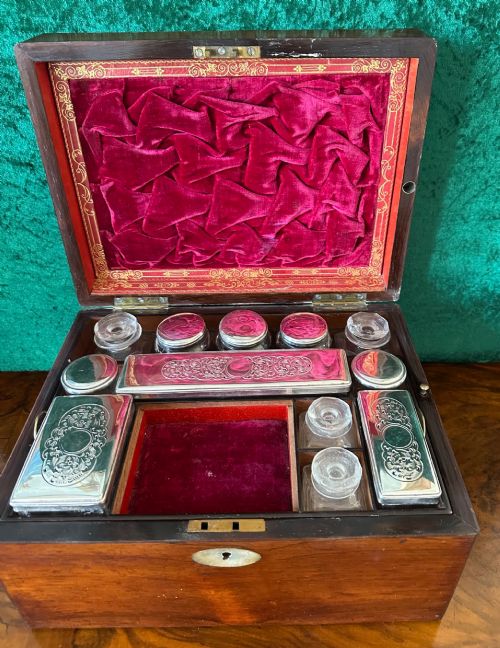
Makers utilised various styles spanning the Victorian era, alongside occasional Regency, William IV, and Arts and Crafts examples. Interiors frequently retain velvet linings and specialised slots for scent bottles or ring rolls.
How they were made
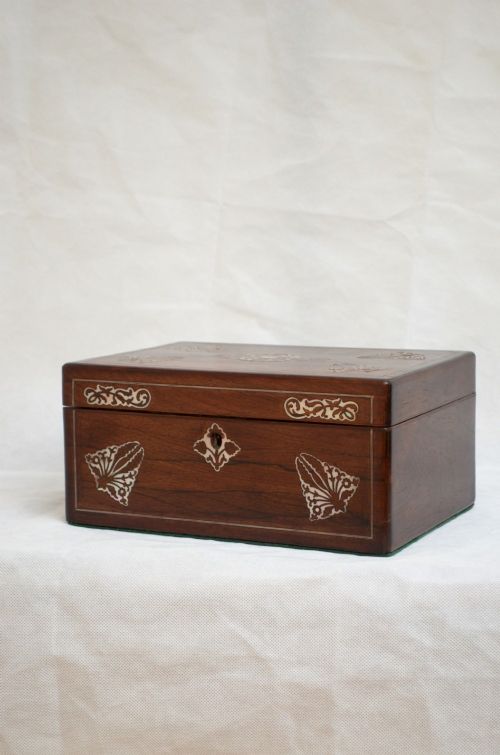
Cabinet makers built these boxes using dense timbers such as rosewood, walnut, burr walnut, and coromandel, often framing them with brass binding for structural strength. Surfaces frequently display intricate marquetry, parquetry, or tulipwood inlay alongside mother-of-pearl escutcheons and plaques.
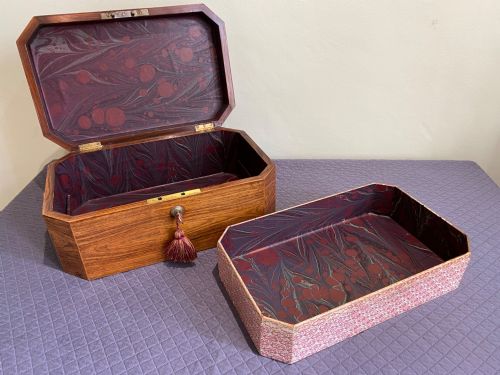
Interiors rely on precision joinery to create removable trays, secret drawers, and fitted compartments lined in velvet or silk. Glass scent bottles with brass or silver-plated caps integrate directly into the wooden framework of dressing cases.
What varies in quality
Quality rests on the selection of timber and the precision of the exterior inlays, such as fine brass stringing or well-matched burr walnut veneers. Superior examples maintain intact internal fittings, including original velvet linings, operable locks with working keys, and complete sets of matching glass bottles.
Construction standards differ between standard production boxes and pieces built for exhibition or luxury retailers, visible in the tightness of the mitre joints and the complexity of the hidden spring drawers.
H Mitchell
The Victorian Wooden Vanity Box Glossary
- Coromandel
- A dense, heavy timber from Asia featuring dark brown graining with contrasting streaks. It was prized by nineteenth-century cabinet makers for luxury dressing boxes.
- Burr walnut
- A figured wood grain formed from walnut tree growths, producing swirling patterns. It appears frequently on high-end Victorian veneered boxes.
- Escutcheon
- A protective plate surrounding a keyhole, usually made of brass or mother-of-pearl on these boxes. It prevents the wood from splitting around the lock.
- Parquetry
- A geometric mosaic of wood pieces used for decorative surfaces on lids and panels. It creates patterned motifs through contrasting timber tones.
Victorian Wooden Vanity Box: Frequently Asked Questions
What is a Victorian wooden vanity box?
A Victorian wooden vanity box is a portable case constructed from hardwoods like rosewood, walnut, or coromandel, designed to hold personal grooming items, jewellery, and writing materials.
These pieces typically feature hinged lids, brass mounts, and complex internal layouts including removable trays, mirrors, and glass scent bottles.
How were dressing boxes used?
Dressing boxes served affluent travellers and homeowners as portable stations for personal care, organising cosmetics, brushes, and jewellery in dedicated slots.
Many incorporated writing slopes or compartments for letters, making them central items for daily correspondence and grooming routines in nineteenth-century bedrooms.
What woods are common in these boxes?
Rosewood and walnut appear most frequently in nineteenth-century examples, often selected for their rich grain and deep natural tones.
Coromandel and burr walnut indicate finer quality pieces, frequently paired with brass inlay, mother-of-pearl, and tulipwood banding.
How do I identify the period of a box?
Dating relies on timber choices, construction techniques, and decorative styles corresponding to periods like the Victorian era, Regency, or Arts and Crafts movement.
Interior hardware, lock mechanisms, and the presence of specific motifs help narrow the decade of manufacture within the nineteenth century.