


Victorian Wooden Timekeeper
These Victorian wooden timekeeper examples are practical and handsome objects, combining period timber cases with reliable mechanical movements.
Victorian Wooden Timekeeper
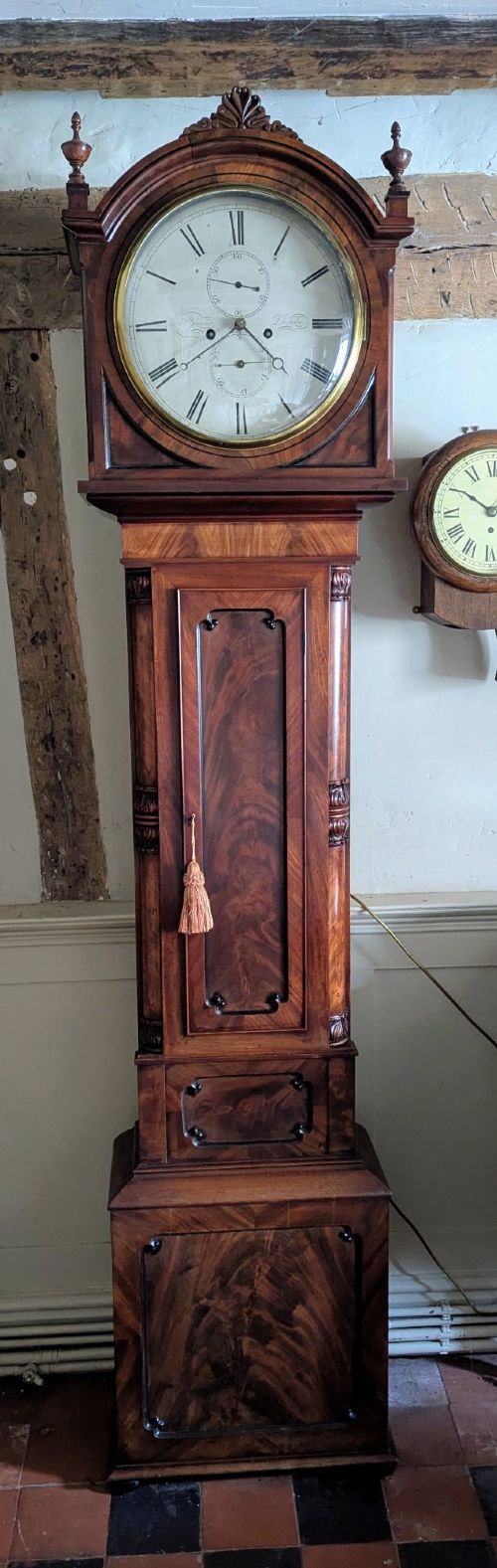
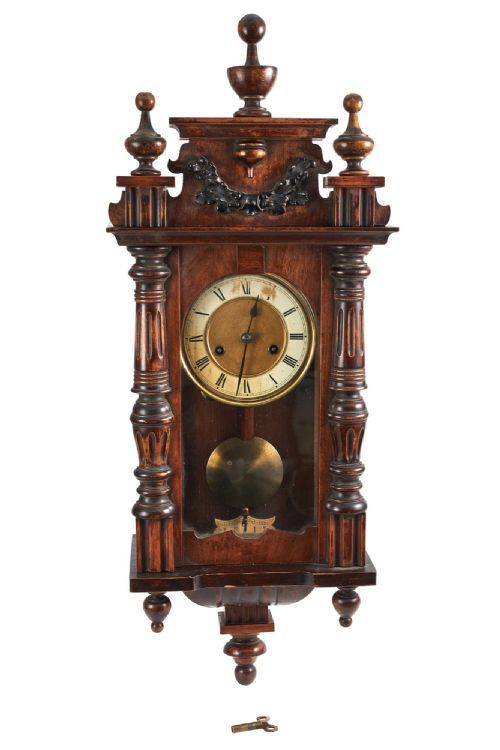
When you search for a Victorian wooden timekeeper, you are looking at clocks and pocket watches housed in timber cases dating primarily from the nineteenth century. The selection spans domestic regulators, longcase grandfather clocks, and wall bracket dials.
You are most likely to meet wall clocks and mantel clocks on this page, alongside occasional pocket watches. Cases are fashioned from woods including mahogany, walnut, rosewood, and satin wood, reflecting the domestic tastes of the period.
The objects range from simple dial clocks intended for domestic or commercial spaces to more ornate inlaid mantel and desk pieces. Each piece carries the distinct hallmarks of nineteenth-century horology, whether dating from the eighteen-fifties or the nineteen-thirties.
How they were made
Maker's workshops built these timekeepers using dense cabinet timbers such as mahogany and walnut, frequently incorporating brass bezels, silvered dials, and glass viewing covers. Inlaid decoration in contrasting woods added visual interest to the exterior cases of mantel and wall clocks.
Movements relied on mechanical ingenuity, such as fusee movements driven by chains or wires to maintain even tension as the mainspring unwound. Dials featured enamelled surfaces with clear numerals, protected behind hinged glass doors set into brass or wooden bezels.
Some clocks feature small velvet linings inside their wooden desk cases to keep pocket watches resting comfortably.
What varies in quality
The distinction between standard and superior pieces rests on the precision of the case carpentry and the reputation of the maker. Master horologists signed their work on the dial or movement, elevating pieces by makers such as Dent of London or Piggin Norwich.
Material selection and decorative enrichment also define the hierarchy, with satin wood and rosewood cases featuring intricate brass inlay sitting above plain utility timepieces. The crispness of the dial enamel and the complexity of the fusee movement further separate everyday domestic clocks from high-end examples.
Piggin Norwich·Dent of London·Walker and Hall
The Victorian Wooden Timekeeper Glossary
- Fusee
- A conical pulley used in a clock movement to equalize the torque of the mainspring as it winds down. This mechanism helps the timekeeper maintain consistent accuracy throughout its running period.
- Regulator
- A high-precision clock designed to keep exceptionally accurate time. These were often used as reference standards to set other timepieces in a household or workshop.
- Bracket clock
- A portable clock originally designed to sit on a bracket on the wall. Over time, the term came to describe shelf or mantel clocks enclosed in substantial wooden cases.
- Dial clock
- A wall-mounted clock featuring a prominent circular face and a short drop case. These were common in offices, schools, and domestic hallways during the Victorian era.
Victorian Wooden Timekeeper: Frequently Asked Questions
What is a fusee clock?
A fusee clock uses a conical pulley connected to the mainspring by a chain or cord. This clever mechanism ensures even power delivery to the gear train as the spring unwinds.
Such movements are prized by collectors for their mechanical ingenuity and association with higher-quality British horology from the period.
How do I wind a mantel clock?
Wind the clock using the appropriate key inserted into the winding square on the dial face. Turn it gently until you feel resistance, taking care not to overwind the mainspring.
Most mechanical timekeepers require a steady routine to keep the pendulum swinging and the hands moving accurately across the enamelled dial.
Where were wall clocks used?
Wall clocks with wooden frames and brass bezels hung in kitchens, hallways, offices, and libraries to provide clear visibility. Their sturdy construction suited busy domestic and commercial environments.
Simpler dial clocks focused on legibility, while decorative bracket clocks doubled as prominent interior furnishings.
How do I date a wooden clock?
Dating relies on examining the timber species, case style, dial construction, and any signature left by the maker. Mahogany and rosewood popularity shifted across the decades alongside changing interior design fashions.
Movements also evolved, offering clues through their gear arrangement and escapement type to narrow down the decade of manufacture.