





Victorian Wooden Sewing Box
A victorian wooden sewing box brings tactile warmth and precise compartment design into a modern room, holding small treasures with quiet dignity.
Victorian Wooden Sewing Box
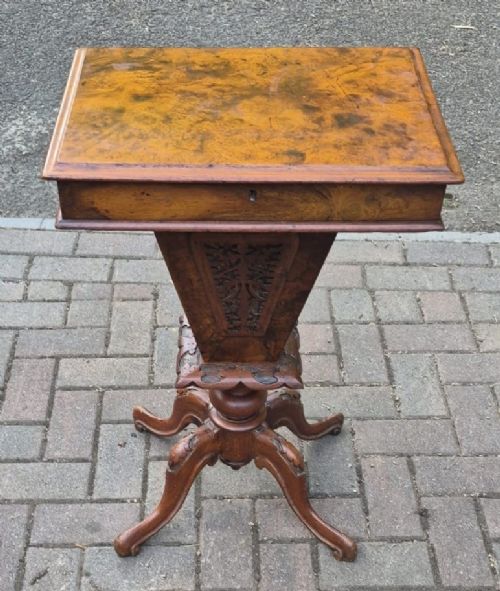
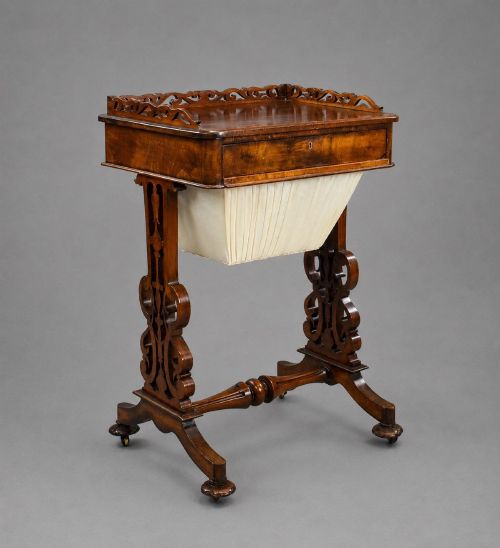
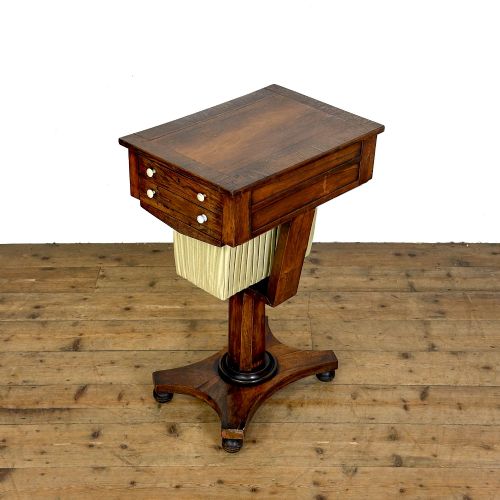
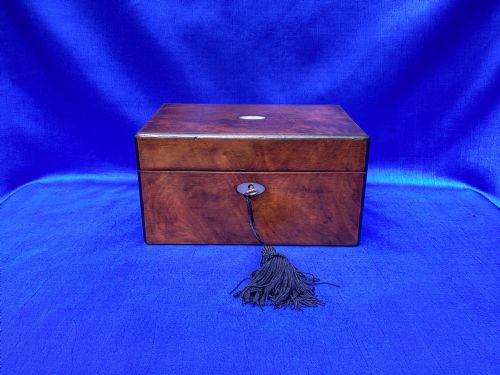
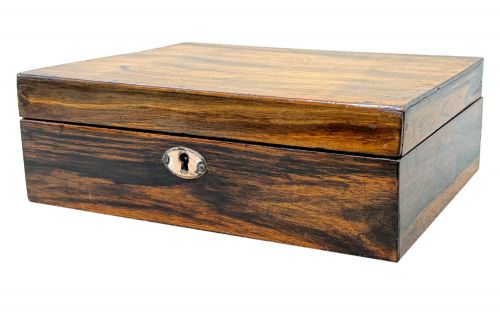
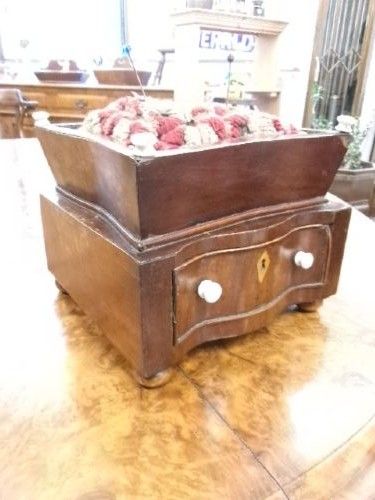
A victorian wooden sewing box encompasses portable desktop workboxes and substantial freestanding work tables designed to organise needles, threads, and textiles during the nineteenth century. The selection ranges from compact rosewood and walnut boxes to larger occasional sewing tables fitted with drawers and hanging silk catch bags.
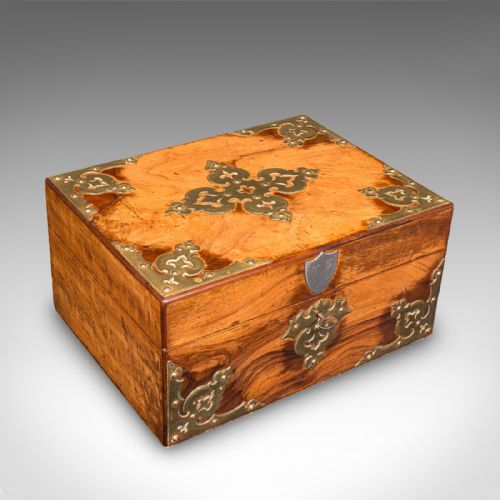
Makers of the period utilised rich timbers such as mahogany, coromandel, and burr walnut to construct vessels that doubled as decorative ornaments on parlour tables. Smaller portable cases often feature internal lift-out trays lined with velvet or satin, while larger formats stand on carved pedestals or slender legs.
How they were made
Cabinet makers constructed carcass frames in solid mahogany, rosewood, or walnut, frequently applying decorative veneers like burr walnut or coromandel to exterior surfaces. Artisans incorporated intricate detail through mother-of-pearl inlay, brass stringing, and the minute wooden mosaic technique known as Tunbridge ware.
Internal components relied on precise joinery to create fitted compartments, miniature lidded sections, and pin cushions. Brass hardware including escutcheons, hinges, and lock plates secured the lids of portable cases, while larger tables integrated turned legs and fabric storage bags.
The material selection across these objects includes mother-of-pearl, fabric, and specialised Tunbridge ware wooden mosaic work.
What varies in quality
The distinction between standard examples and top-tier workboxes lies in the complexity of internal fittings and the ambition of exterior decoration. Superior pieces display meticulous mother-of-pearl pictorial inlay, complex Tunbridge ware geometric mosaics, or comprehensive original velvet-lined interior trays.
Timber selection heavily influences the standing of a box, with richly figured burr walnut and exotic coromandel commanding greater regard than plain mahogany. The integrity of the original polish and the survival of functioning brass locks further elevate the stature of an individual piece.
The Victorian Wooden Sewing Box Glossary
- Tunbridge ware
- A form of nineteenth-century decorative woodworking originating from Kent, characterised by intricate mosaics built from tiny tinted wood blocks to form pictorial or geometric motifs. These micro-mosaic designs frequently adorn the lids of quality boxes and trinket cases.
- Coromandel
- A dense, heavy tropical hardwood prized for its dark brown colour and striking black grain patterns. Cabinet makers utilised this luxurious timber for high-status Victorian work boxes.
- Burr walnut
- Wood taken from the warted excrescence on a walnut tree, yielding swirling, highly figured grain patterns. It was sliced into thin veneers to wrap the exterior surfaces of premium nineteenth-century furniture.
- Work table
- A multi-functional item of nineteenth-century furniture combining a table top with an integrated drawer and a suspended fabric bag for storing needlework. These pieces served ladies in the parlour for sewing and writing tasks.
- Escutcheon
- A flat plate of brass or bone surrounding a keyhole to protect the surrounding wood from wear. In quality boxes, these plates are often engraved or inlaid flush with the timber surface.
Victorian Wooden Sewing Box: Frequently Asked Questions
How were nineteenth-century sewing boxes used?
These boxes stored needles, threads, bodkins, and thimbles necessary for domestic mending and decorative embroidery. Ladies kept them in the parlour or bedroom to maintain order over intricate needlework projects.
Portable versions travelled with owners on visits or journeys, providing a secure mobile workstation for textiles. Larger freestanding tables stayed in one room, offering both a work surface and storage underneath.
What is Tunbridge ware?
Tunbridge ware is a specialised form of decorative woodwork featuring microscopic mosaics made from many different natural wood species. Craftsmen glued thousands of tiny tinted wooden prisms together to create detailed geometric patterns and pictorial scenes.
These mosaics were sliced thinly and applied as veneer to the lids of boxes and small desk accessories. The town of Tunbridge Wells in Kent became the primary centre for this meticulous craft.
How do I date a Victorian sewing box?
Dating relies on examining the timber choices, construction methods, hardware styles, and decorative motifs present on the piece. Earlier nineteenth-century examples often favour solid mahogany or rosewood, while mid-century pieces frequently showcase burr walnut veneers and mother-of-pearl inlay.
Interior paper linings, lock mechanisms, and key escutcheon shapes also shift across the decades from the 1850s through the late 1890s. Comparing these physical characteristics against documented historical styles clarifies the period of manufacture.
Can I use an antique sewing box today?
Antique sewing boxes adapt readily to modern storage needs for jewellery, small trinkets, stationery, or sewing supplies. Their compartmentalised trays keep delicate items separated and protected from dust.
Placing them on dressing tables or sideboards adds warmth and historical texture to contemporary interiors. Gentle handling preserves the nineteenth-century linings and exterior polished finishes for daily use.