




Victorian Wooden Scuttle
A Victorian wooden scuttle is a fireside fuel container built to keep coal or logs tidy beside the hearth.
Victorian Wooden Scuttle
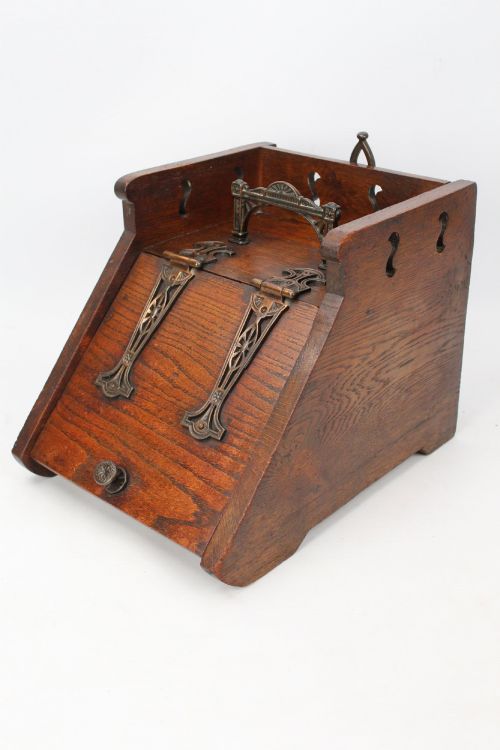
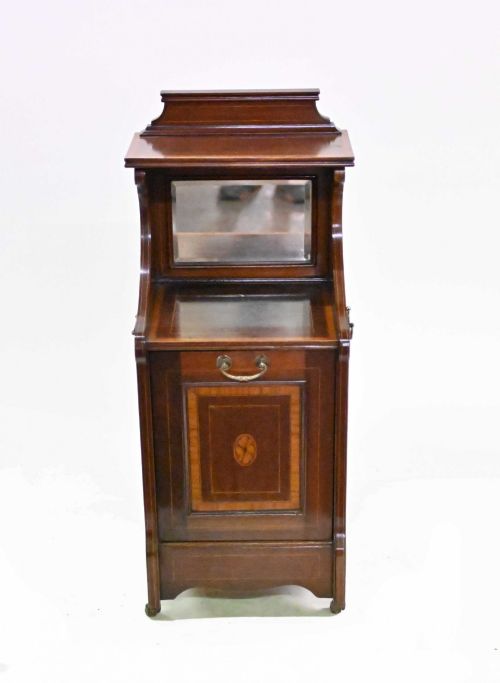
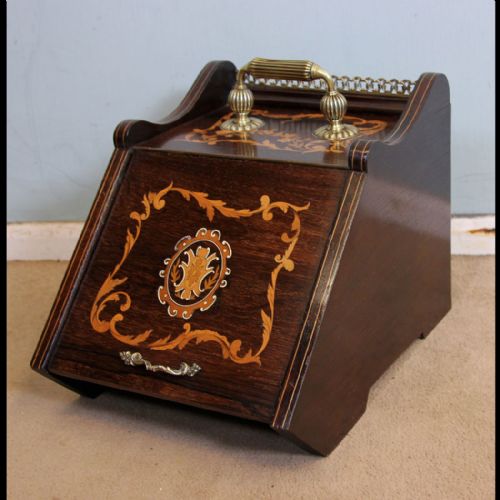
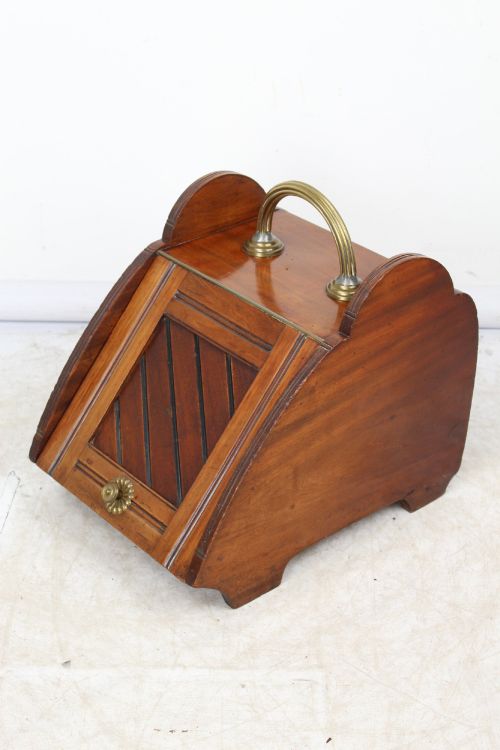
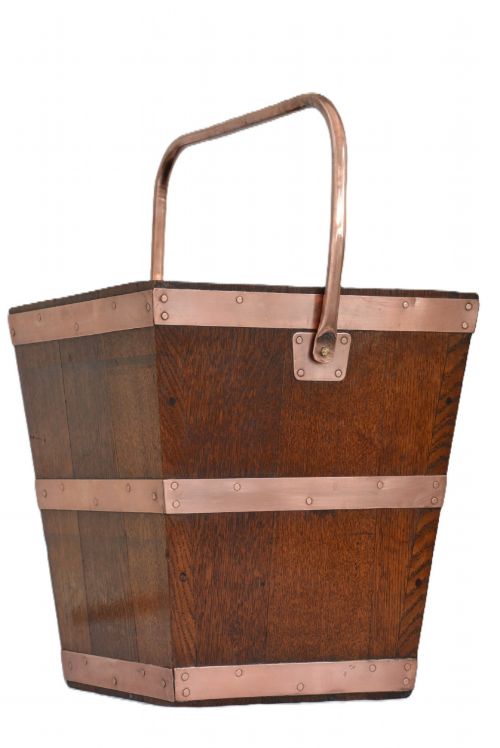
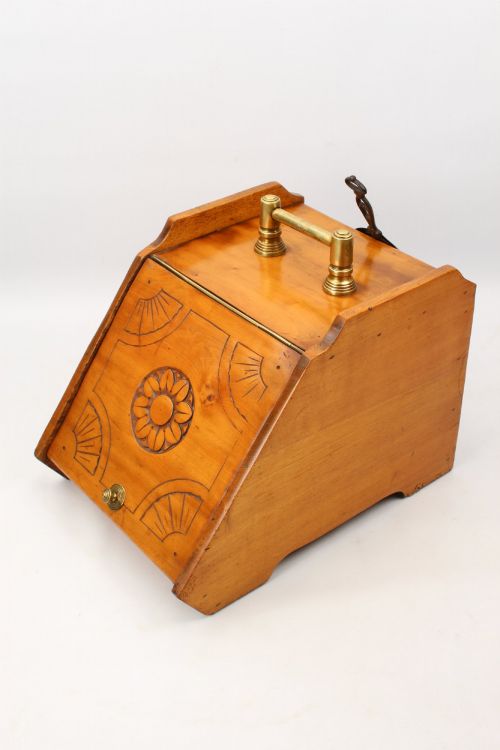
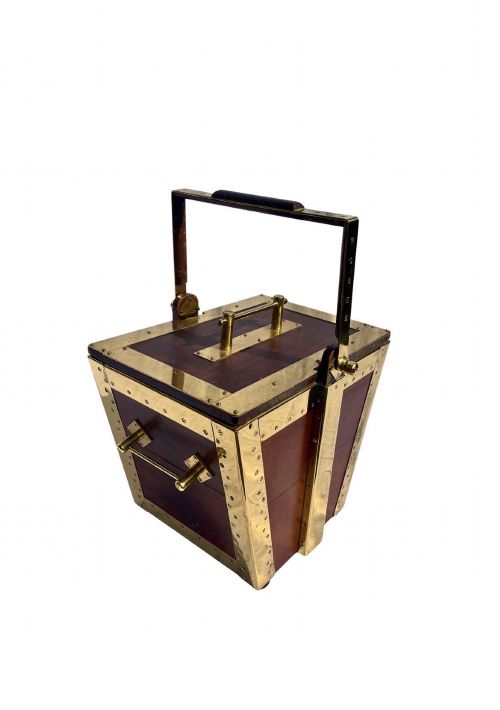
A Victorian wooden scuttle combines practical hearthside fuel storage with the decorative cabinet-making standards of the nineteenth century. These items appear primarily as hinged coal boxes, purdoniums, and coopered buckets designed to hold coal, logs, or peat beside the fireplace.
Most examples on this page date from the Victorian and Edwardian eras, spanning the mid-nineteenth century up to around nineteen hundred. Oak, mahogany, walnut, and rosewood form the principal wooden bodies, frequently accompanied by original metal liners and matching shovels.
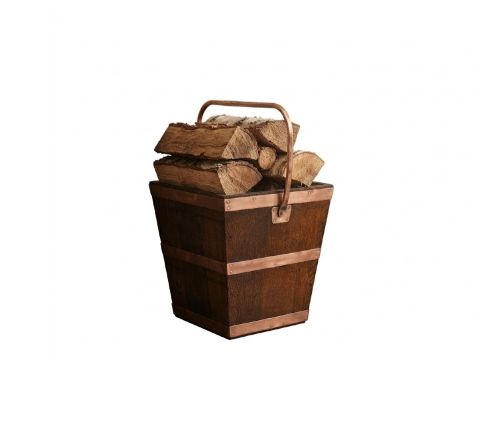
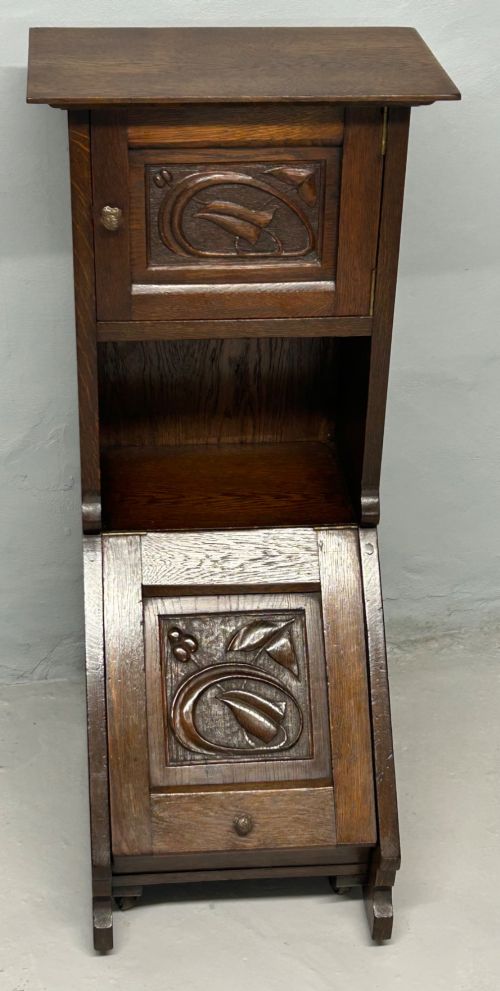
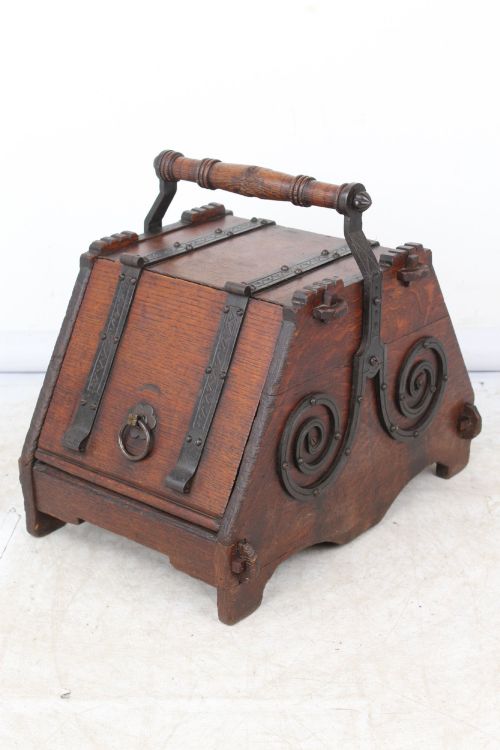
Makers drew on diverse design influences ranging from Arts and Crafts simplicity and Gothic Revival severity to ornate Rococo Revival curves. Certain pieces take specific forms such as side cabinet coal shuttles, triangular fireside bins, or coopered staved buckets with armorial crests.
Materials and construction methods
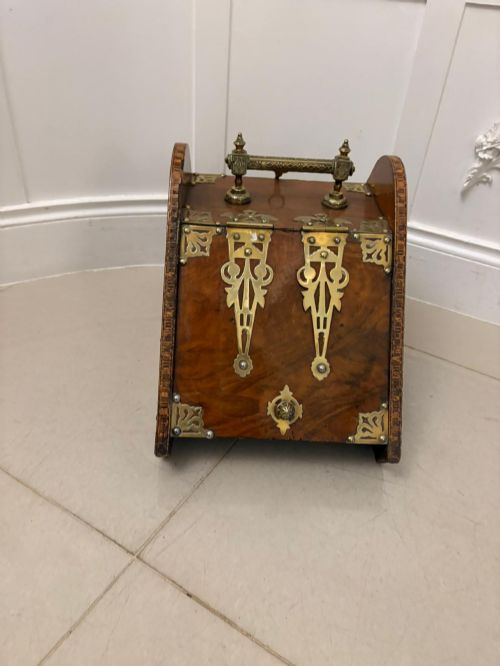
Cabinet makers utilised dense hardwoods like mahogany, oak, walnut, and rosewood, often enhancing the timber through intricate carving, inlay, or pollard grain selection. Metal components in brass, iron, or silver plate provide functional reinforcement through hinges, handles, drop handles, and decorative mounts.
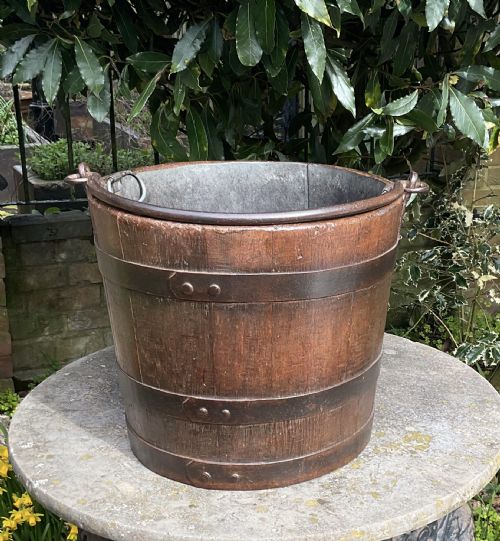
Coopered examples utilise traditional staved construction bound with metal hoops, creating robust cylindrical or oval vessels designed to withstand heavy daily use. Many retain internal metal liners and dedicated scoops or shovels specifically fitted to the compartment.
Victorian Wooden Scuttle Retail Price Guide 2026
Typical asking prices for victorian wooden scuttle among the pieces listed under this phrase on Sellingantiques today, from the lower quarter to the upper quarter. They describe what is for sale here now, not the wider market.
Some nineteenth-century households hid their fuel inside biscuit boxes and tea stoves, proving Victorians loved disguising practical chores as polite parlour conversation.
Distinctions in quality and execution
The standard of a Victorian wooden scuttle rests on the grade of timber selected by the cabinet maker and the crispness of any carving or marquetry inlay. Superior examples show thoughtful proportion, harmonious brass mounts, and well-fitted internal metal liners that remain intact.
Design ambition separates basic utility items from exceptional pieces, with notable variations visible in metamorphic opening mechanisms or specific stylistic touches associated with workshops like Liberty or designers such as Christopher Dresser.
Christopher Dresser·Liberty
The Victorian Wooden Scuttle Glossary
- Purdonium
- A specialised fireside coal box featuring a forward-tilting drawer or hopper rather than a standard top-hinged lid. This drop-front mechanism allows easy access to the fuel storage compartment.
- Coopered
- A method of construction where tapered wooden staves are joined edge-to-edge and bound with metal hoops, historically used for water vessels and robust storage buckets.
- Metamorphic
- Describing furniture or household accessories that transform into another form or reveal hidden compartments through clever mechanical linkages.
- Ormolu
- Gilded bronze or brass mounts applied to wooden furniture and decorative objects for enrichment during the nineteenth century.
- Armorial crest
- A heraldic design engraved or painted onto metal mounts or wooden surfaces, often denoting naval or family provenance.
Victorian Wooden Scuttle: Frequently Asked Questions
How were these boxes used?
These containers sat beside the fireplace to hold coal, logs, or peat within easy reach of the hearth. The accompanying metal scoop or shovel allowed clean transfer into the fire.
Many designs incorporated internal zinc or metal liners to protect the surrounding timber from moisture, dirt, and coal residue during daily handling.
How do I care for the wood?
Maintain the timber by keeping the piece away from direct heat sources and sudden temperature fluctuations that can dry out old wood. Regular dusting and occasional application of appropriate furniture wax preserve the finish.
Take care when removing the metal liner for cleaning to avoid scratching the internal wooden walls of the container.
How can I tell the period?
Dating relies on observing construction techniques, timber choices, and stylistic vocabulary such as Gothic Revival detailing or Arts and Crafts simplicity. Mid-nineteenth-century examples often feature heavy mahogany or walnut, while later items may show lighter oak or inlaid rosewood.
Hardware style, including the weight of the brass mounts and the manufacturing method of the metal liner, also helps establish the era of production.