
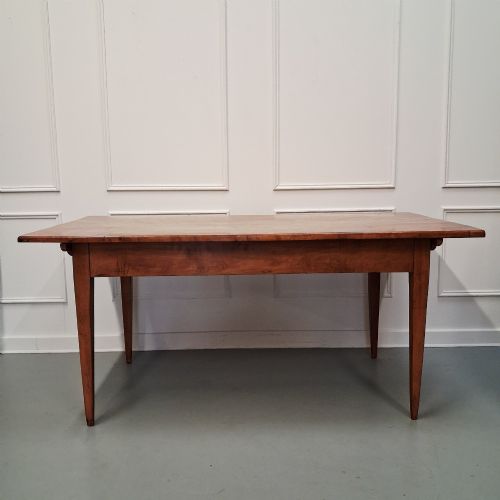
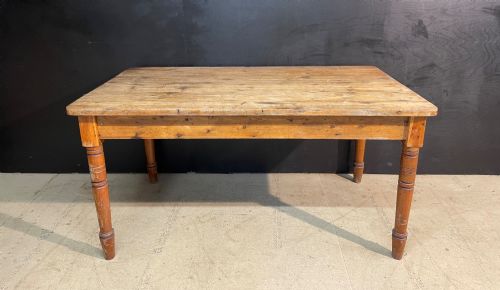
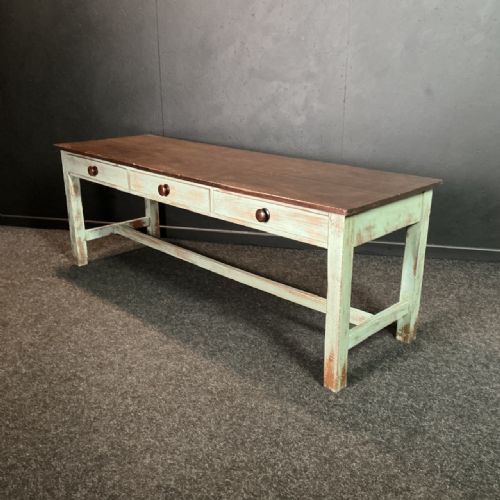
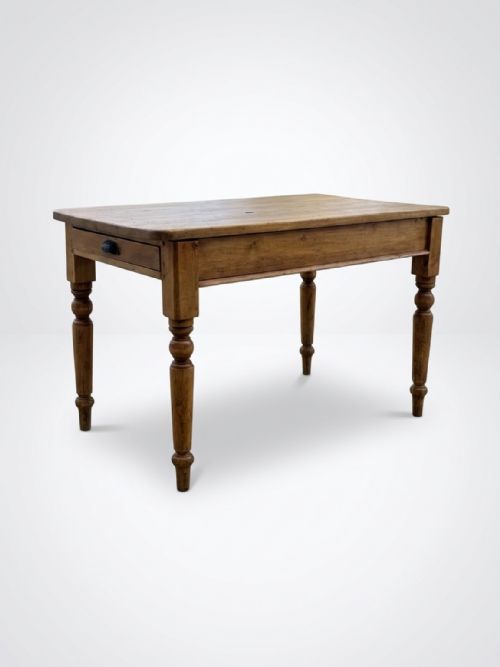


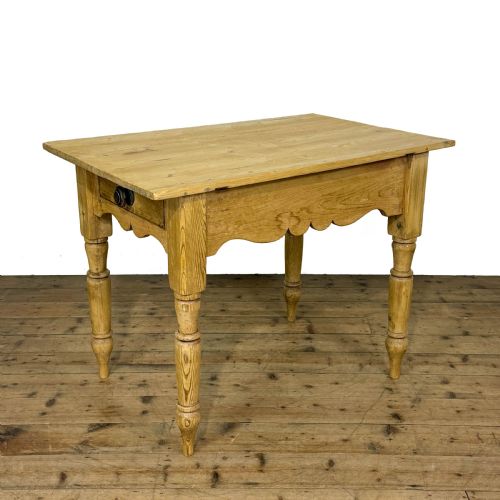
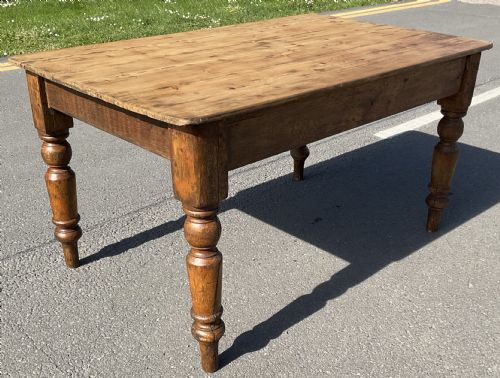
Victorian Wooden Prep Table
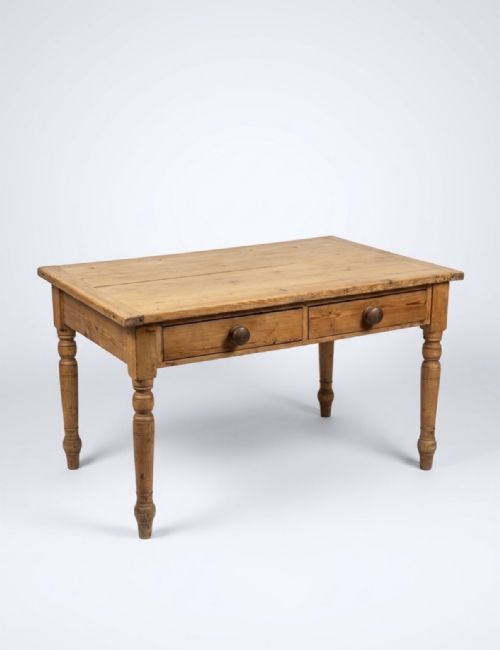
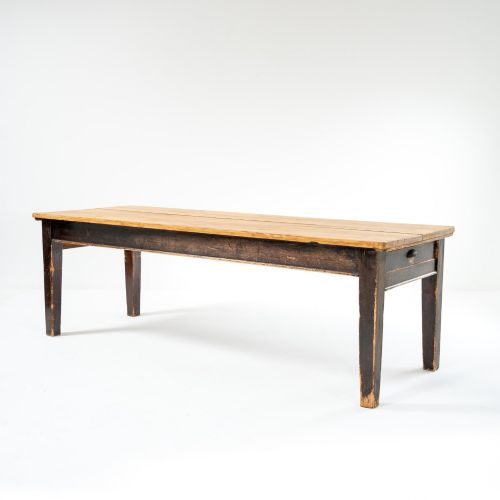
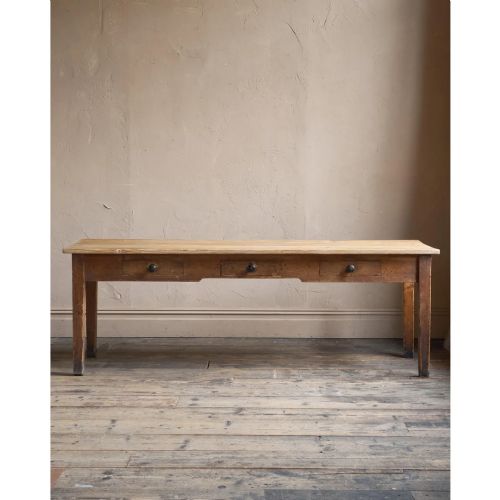
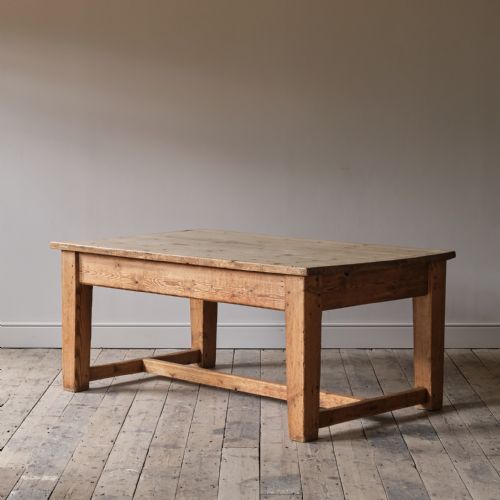
A victorian wooden prep table brings utility and history to a room, offering a sturdy workspace shaped by decades of functional domestic use.
Victorian Wooden Prep Table
A victorian wooden prep table is a utilitarian form designed for heavy tasks in kitchens, dairies, sculleries, and country houses. These pieces typically display straightforward proportions and honest construction suited for daily service.
Many examples date from the nineteenth century, encompassing periods from around eighteen fifty through to nineteen thirty. Regional origins include English, Scottish, and Welsh workshops, often reflecting local domestic traditions.
How They Were Made
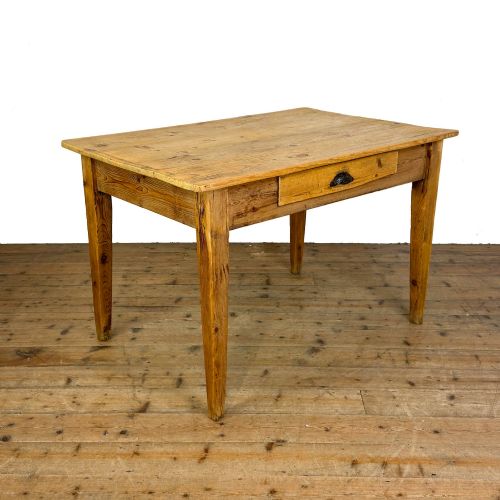
Makers relied primarily on solid pine, pitch pine, and fruitwood for the main bodies and tops, occasionally pairing elm tops with pine frames. Square section supports and sturdy legs provided the necessary stability for demanding kitchen and dairy work.
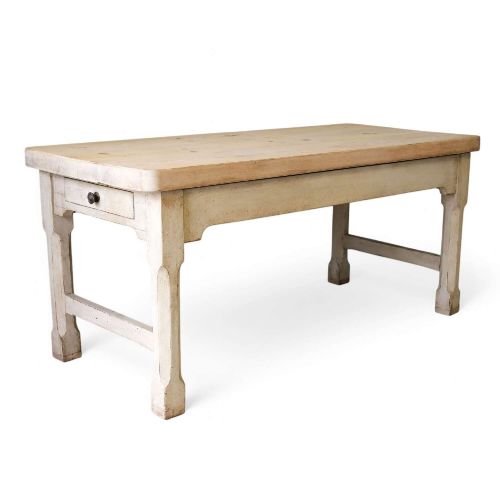
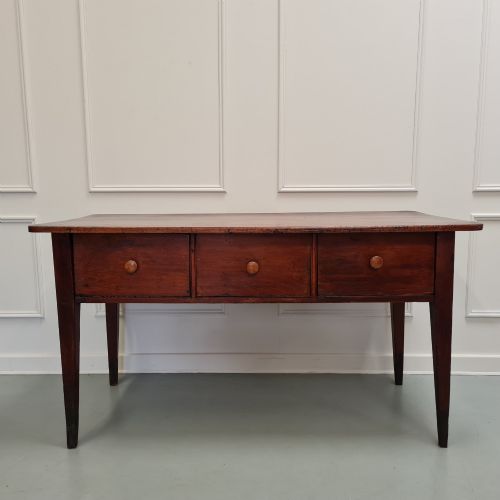
Surfaces frequently show the effects of scrubbing or historical paint layers, including original painted legs or later applied finishes. Drawers incorporated standard nineteenth-century joinery to house utensils and tools close to the work surface.
Listings span the nineteenth and early twentieth centuries, featuring pine, pitch pine, fruitwood, and painted timber in styles ranging from rustic farmhouse to Gothic revival.
What Varies in Quality
The distinction between standard utility items and finer examples lies in the selection of timber and the preservation of original surfaces. Tables featuring denser woods like satin birch or fruitwood stand apart from basic pine workshop furniture.
The integrity of the scrubbed top versus remaining layers of old paint determines the visual character of each piece. Retaining original painted legs or undisturbed structural supports elevates the historical honesty of the furniture.
The Victorian Wooden Prep Table Glossary
- Scrub top
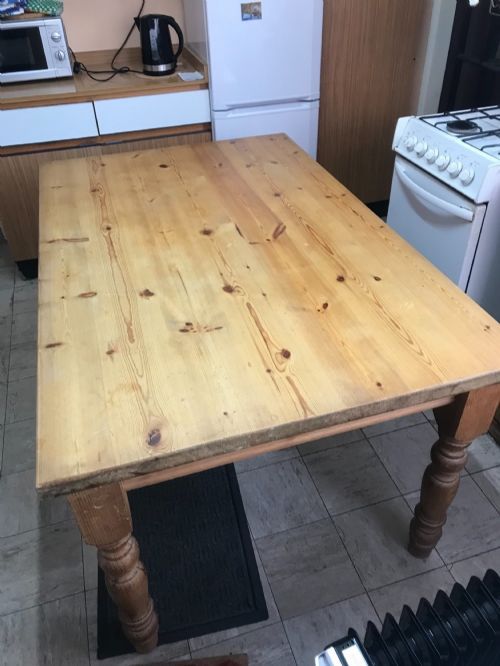
- A bare wooden tabletop designed to be vigorously cleaned with water and a brush after food preparation. This frequent washing leaves the grain raised and pale.
- Pitch pine
- A heavy, resinous softwood derived from North American pine species, prized for its durability and prominent grain patterns. It provided superior strength in demanding kitchen and utility settings.
- Dairy table
- A specialised work table used in milk processing and cheese making, often featuring slatted shelves or scrubbed tops for hygiene. These tables were built to withstand damp environments.
- Harvest table
- An elongated dining or work table traditionally used for communal farm meals during busy seasonal gatherings. They accommodate multiple diners along their length.
- Bread prep table
- A heavy utilitarian table constructed specifically for dough kneading and baking preparation. They prioritized maximum stability and solid timber surfaces.
Victorian Wooden Prep Table: Frequently Asked Questions
What is a prep table?
A prep table is a utilitarian piece of furniture built for food preparation, baking, and domestic labour in nineteenth-century kitchens and larders. They prioritized heavy-duty stability and accessible work surfaces over decorative refinement.
Unlike formal dining tables, these pieces were tools of daily work, often showing the stains, scrub marks, and wear of active use.
How do I clean a scrub top?
Scrub tops are traditionally maintained using warm water, a stiff brush, and natural soap rather than modern chemical polishes. This preserves the pale, weathered appearance characteristic of working pine furniture.
Avoid soaking the wood excessively, and allow the surface to dry naturally to prevent warping or splitting of the boards.
Where were these tables used?
These tables served in domestic hubs such as farmhouses, country house sculleries, dairies, and institutional kitchens. Their robust construction allowed them to handle heavy tasks like kneading dough and butchery.
Today, their practical dimensions make them popular as kitchen islands, sideboards, or everyday dining tables in modern homes.
How do I date a pine table?
Dating relies on examining construction methods, tool marks, timber choice, and the presence of handmade nails or early screw types. The wear patterns and accumulation of paint layers also offer clues to age.
Nineteenth-century examples typically display hand-planed boards and simple jointing that reflect the period of active rural production.