
Victorian Wooden Plinth
A victorian wooden plinth provides a sturdy, elevated stage for sculpture, urns or ornaments, bringing architectural dignity to interior spaces.
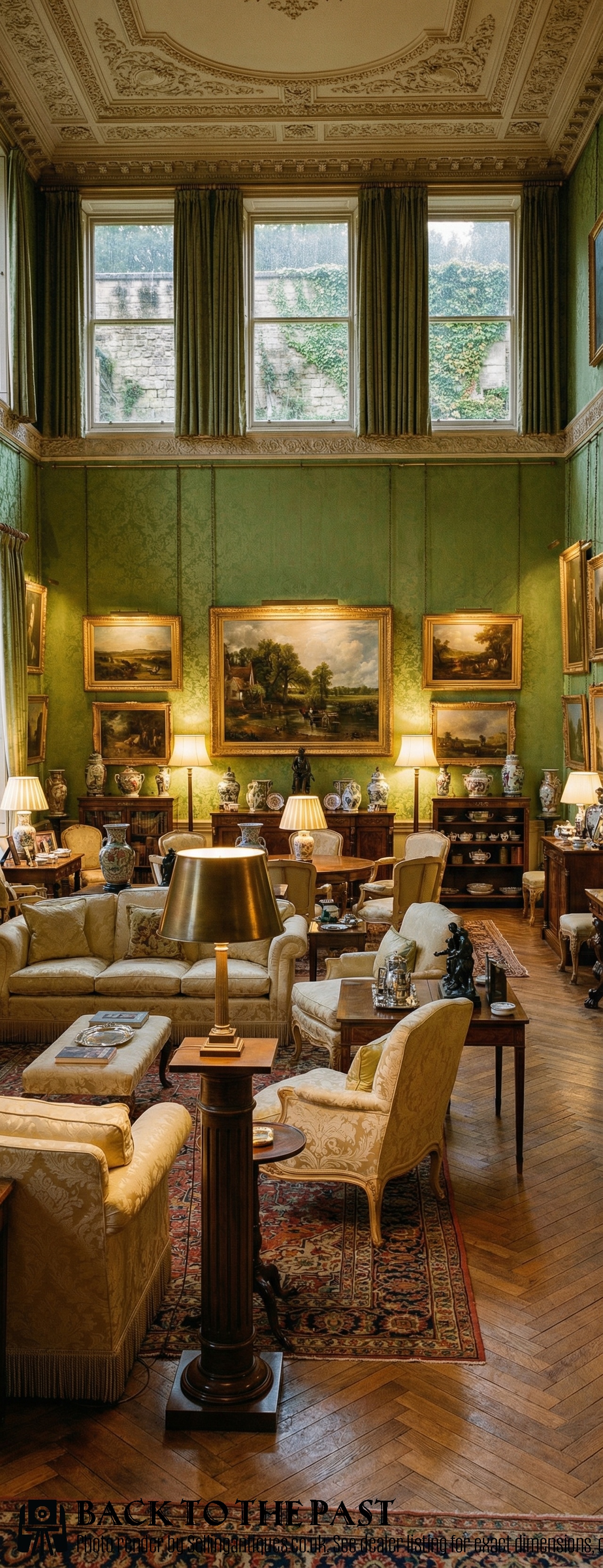
Victorian Wooden Plinth
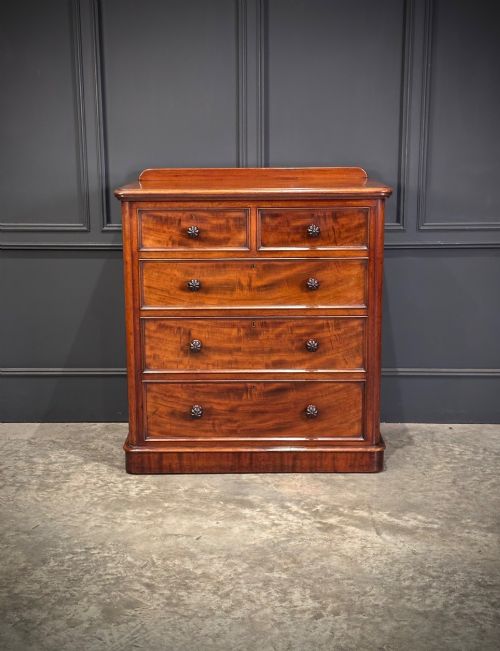
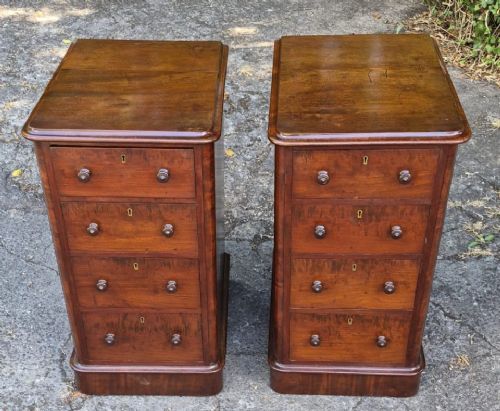
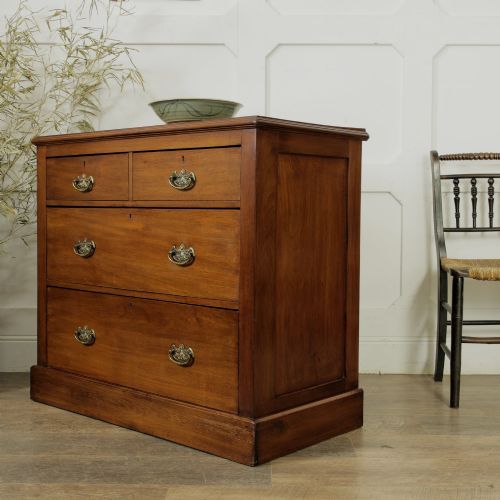
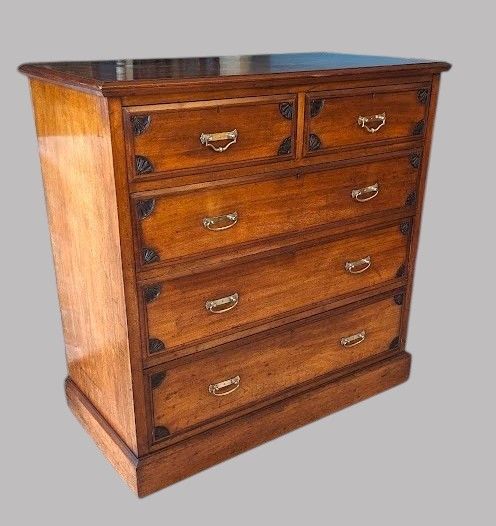
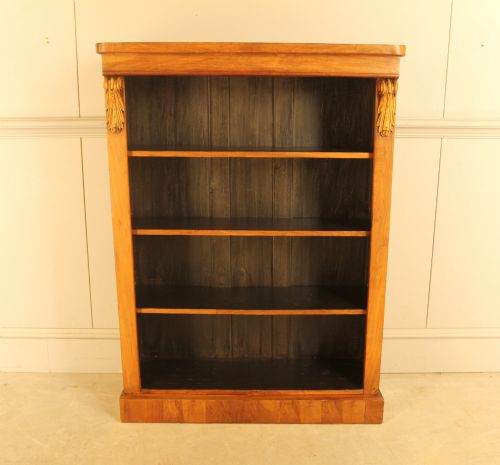
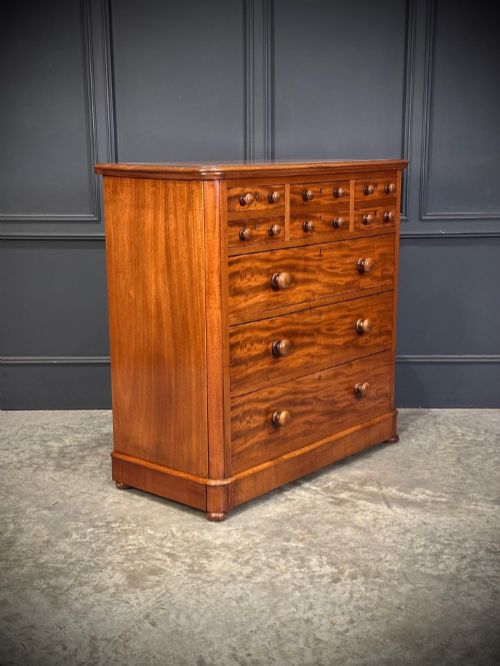
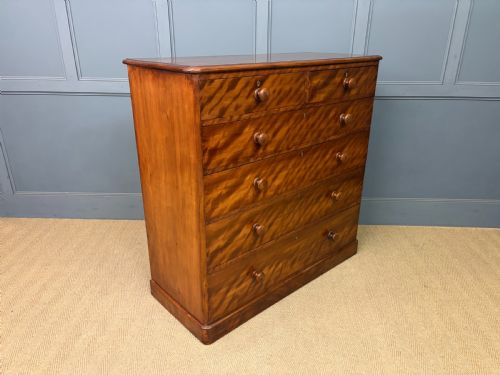
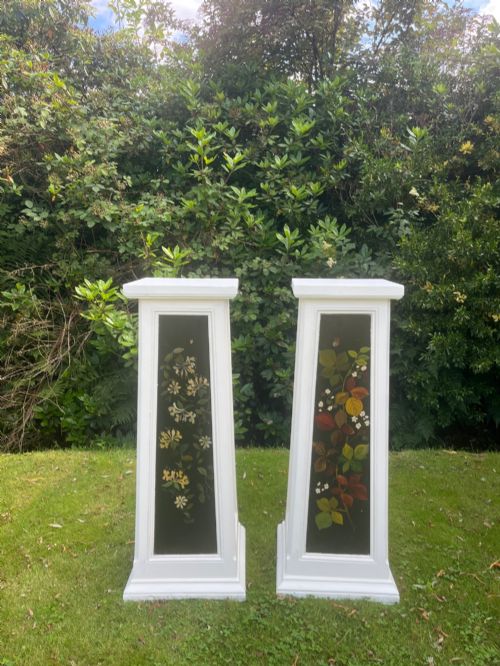
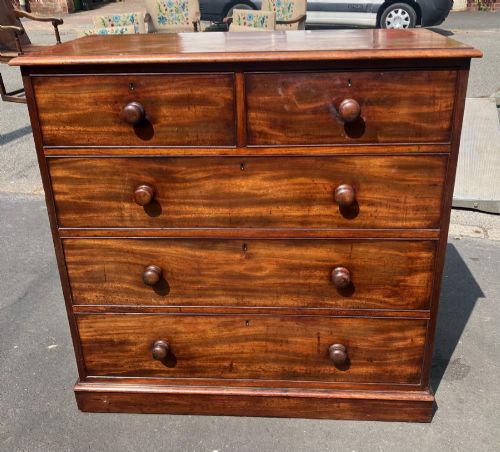
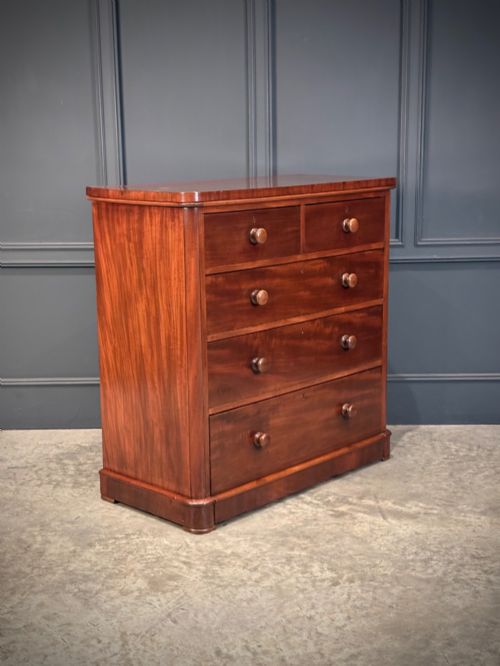
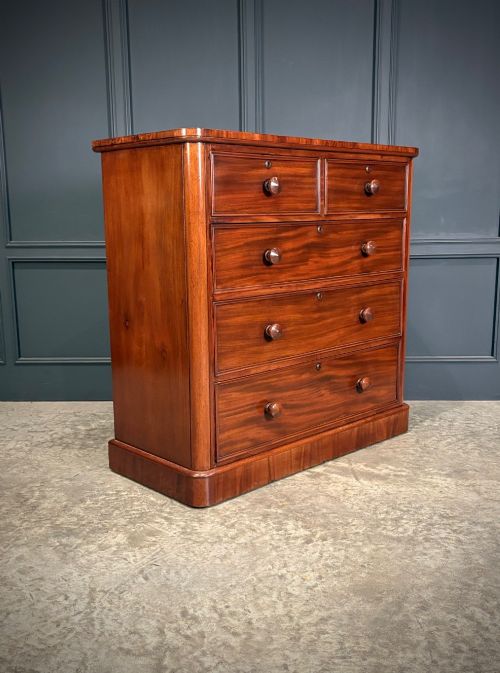
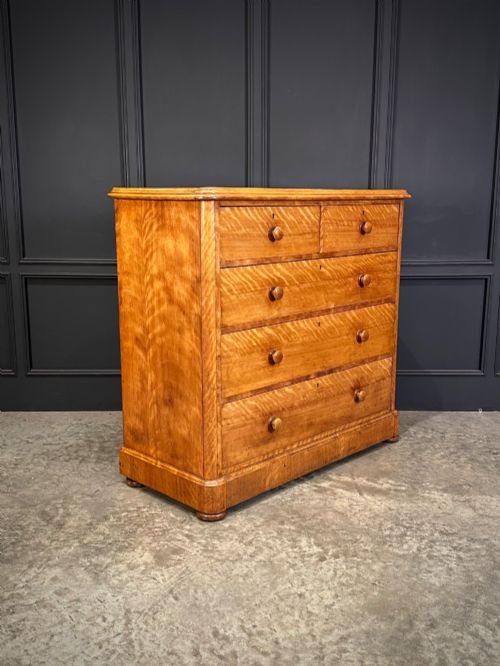
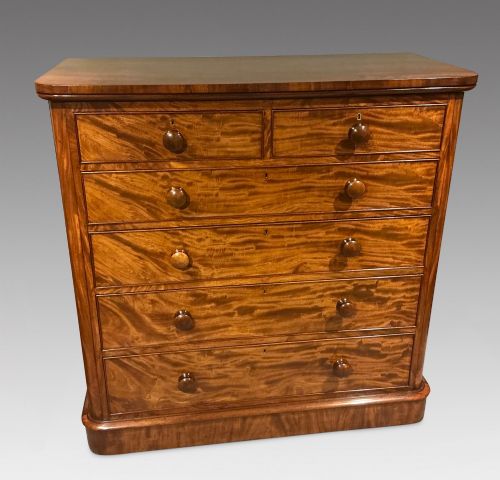
A victorian wooden plinth takes several forms, appearing as standalone columns, painted pedestals, bust stands and substantial architectural bases attached to furniture like chests of drawers. These pieces emerge from the nineteenth century, spanning decades from the middle years through to the late Victorian era and the turn of the twentieth century.
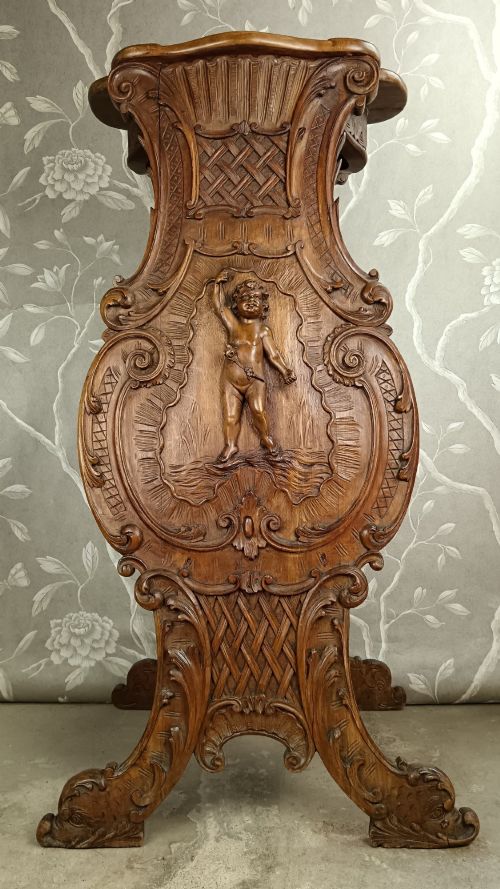
Buyers encounter pedestals and columns rendered in solid woods alongside painted turned wooden columns and walnut pedestal cabinets. The selection reflects diverse historical revivals, ranging from Gothic Revival and Italian Renaissance Revival to Aesthetic Movement and Victorian Neoclassical styles.
Most examples serve to display decorative objects, fine art, or natural history items at eye level. The construction adapts to various interior settings, utilising woods chosen for both structural support and visual grain pattern.
Materials and Construction
Cabinet makers and joiners utilised a variety of timbers including mahogany, walnut, satinwood, oak and pine, frequently selecting dense hardwoods for stability. Flame mahogany veneer and contrasting grain patterns added decorative surface appeal to pedestals and associated cabinetry.
Turned elements, carved details and structural joints required precise hand woodworking techniques. Painted finishes and grain painting also appear on pine and mixed timber columns, altering the visual texture of the wood.
Design styles span from Gothic Revival and Italian Renaissance Revival to the Aesthetic Movement and Victorian Neoclassical.
Assessing Quality and Execution
Superior examples demonstrate meticulous timber selection, displaying rich grain figures like flame mahogany or figured walnut across prominent surfaces. The precision of hand-turned columns and the crispness of carved details distinguish finer pieces from simpler utility items.
Structural integrity relies on sound joinery and heavy timbers that support weight without shifting. The depth of finish and the preservation of original surfaces dictate the visual impact of each stand or column.
Heal & Son·Gillow & Co.·Mawer & Stephenson·Holland & Sons
The Victorian Wooden Plinth Glossary
- Plinth
- A heavy base or lower block supporting a column, statue, or piece of furniture. It elevates the object above floor level to create visual prominence.
- Pedestal
- An upright architectural support or stand used to display busts, urns, or decorative items. These freestanding columns often feature shaped capitals and bases.
- Flame Mahogany
- A wood veneer cut from timber fork joints where branch and trunk meet, producing a distinct flickering flame pattern. This decorative surface denotes higher status cabinet making.
- Aesthetic Movement
- A late nineteenth-century design style emphasising visual beauty and artistic reform over heavy historicism. Pieces from this movement often incorporate simpler lines and refined ornamentation.
Victorian Wooden Plinth: Frequently Asked Questions
What was the original purpose of a wooden plinth?
These wooden supports functioned primarily to elevate sculptures, decorative urns, and portrait busts within nineteenth-century drawing rooms and libraries. By raising the object off the floor, makers ensured the piece caught natural light and commanded attention.
They also served as structural bases for larger furniture forms, or as standalone display columns in grand domestic interiors.
How do I style a pedestal in a modern room?
A standalone pedestal creates a strong vertical focal point in an empty corner or framing a doorway. Place a ceramic vessel, a bronze figure, or a contemporary sculpture on top to balance the antique wood with modern objects.
The neutral tones of mahogany, walnut, and painted pine allow these columns to anchor minimalist spaces or complement eclectic collections.
How can I tell a Victorian pedestal from a later piece?
Nineteenth-century pieces typically show traditional construction methods, such as hand-cut joinery, solid timber cores, and aged patina accumulated across decades of handling. The choice of primary woods like dense mahogany and walnut aligns with Victorian workshop practices.
Stylistic cues, including Italian Renaissance Revival carvings or Aesthetic Movement turnings, root these objects firmly in the nineteenth century.
Are painted wooden columns original to the period?
Painted and grain-painted finishes were frequently employed during the nineteenth century to imitate costlier timbers or to match specific interior decorative schemes. Pine and secondary woods often received painted treatments to create uniform display surfaces.
Examining the wear patterns and the underlying wood helps determine the age of the painted surface.