



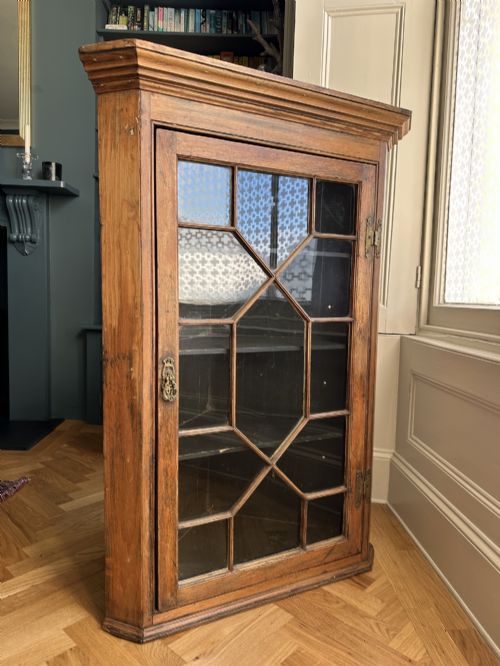


Victorian Wooden Glazed Cupboard
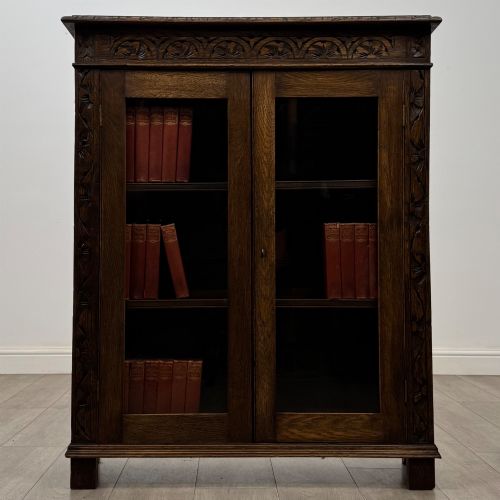
A victorian wooden glazed cupboard brings warmth and display space to a room, holding books or china behind clear glass panels.
Victorian Wooden Glazed Cupboard
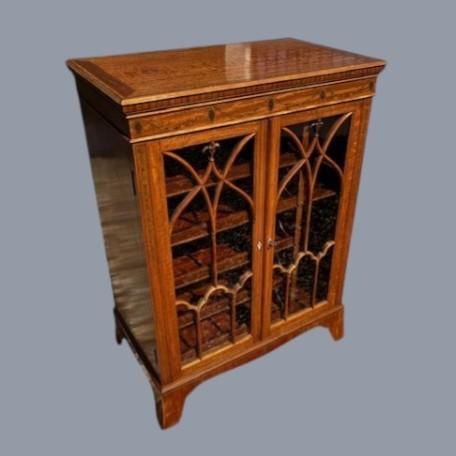
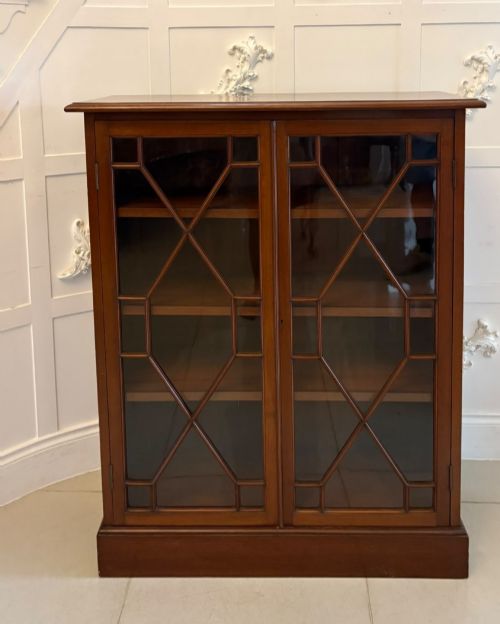
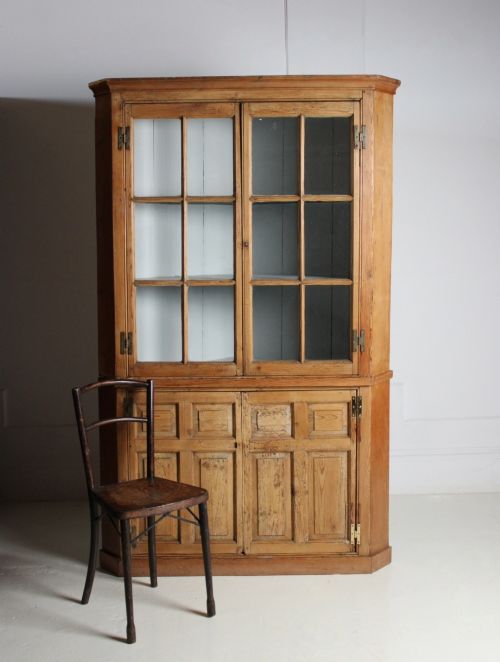
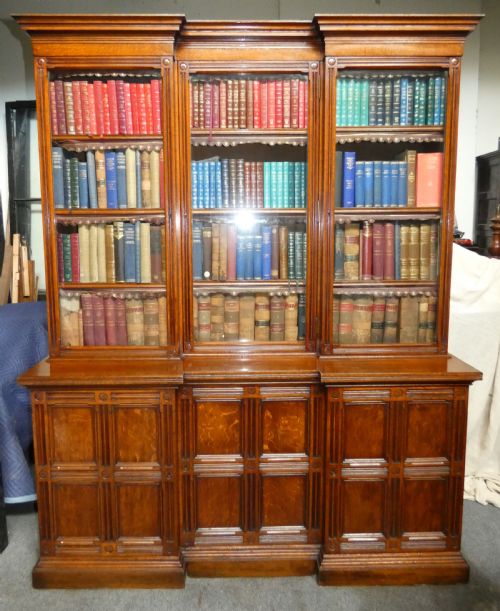
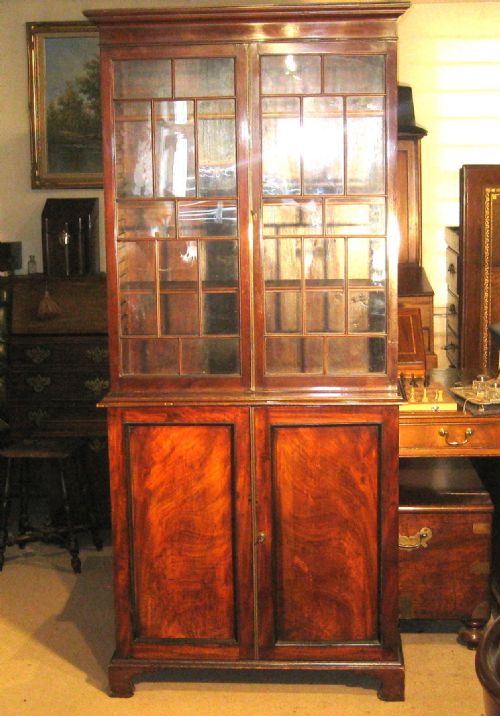
A victorian wooden glazed cupboard appears across this page in various formats, most frequently as library bookcases, display cabinets, and corner units. These pieces originate primarily from the nineteenth century, spanning from early periods around eighteen fifty through to late Victorian examples.
Makers produced these cabinets for different domestic spaces, resulting in tall breakfront bookcases for reception rooms alongside smaller pine corner cupboards for country houses. Regional variations emerge through Welsh and Irish examples, while kitchen dressers and side cabinets provide alternative storage formats with glazed upper sections.
Materials and Construction
Cabinetmakers relied heavily on timbers such as mahogany, oak, pine, and walnut, often employing flame mahogany veneers or satinwood inlay for decorative contrast. Structural stability relied on solid timber carcases joined with traditional methods, while brass hardware secured doors and housed internal shelving.
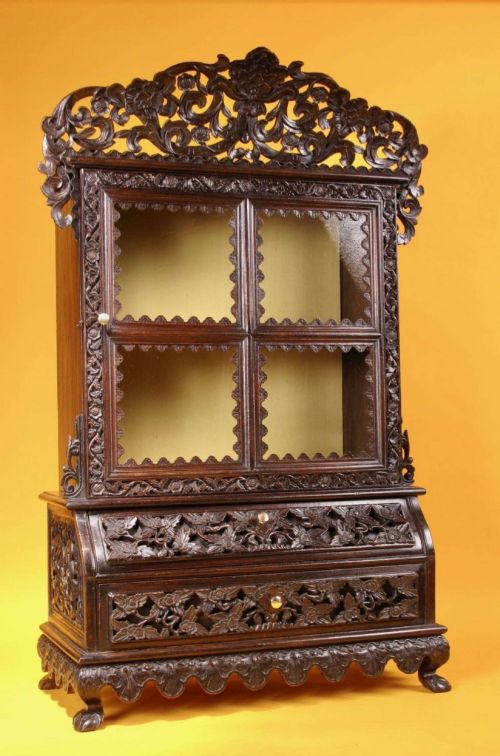
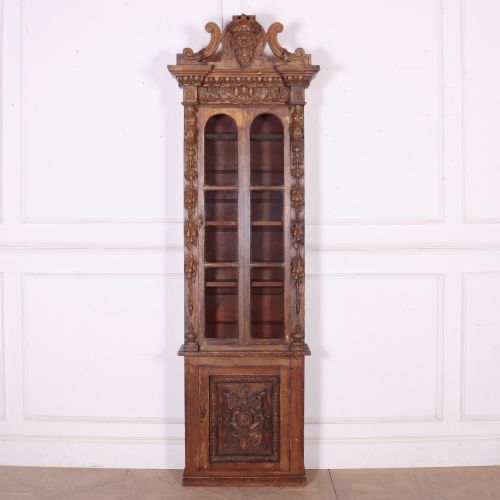
Glazing techniques utilised transparent glass panes set into wooden frames to protect contents from dust while maintaining visibility. Secondary treatments ranged from scrumbled painted finishes on pine to carved ornamentation reflecting Gothic Revival and Renaissance Revival influences.
Victorian Wooden Glazed Cupboard Retail Price Guide 2026
Typical asking prices for victorian wooden glazed cupboard among the pieces listed under this phrase on Sellingantiques today, from the lower quarter to the upper quarter. They describe what is for sale here now, not the wider market.
Period styles span Georgian, Victorian, Edwardian, Gothic Revival, and Arts and Crafts.
Gradations of Excellence
Quality separates simple utility furniture from ambitious architectural pieces through the selection of timber, such as figured flame mahogany or finely carved walnut. Master cabinetmakers invested time in precise joinery, balanced proportions, and detailed inlay work rather than relying solely on applied ornamentation.
The Victorian Wooden Glazed Cupboard Glossary
- Breakfront
- A piece of furniture featuring a central section that projects forward from the flanking sections. This configuration creates architectural depth in large bookcases and cabinets.
- Scrumbling
- A decorative painting technique involving a translucent top layer dragged over a lighter base coat. It creates a mottled, textured finish often found on nineteenth century pine furniture.
- Gothic Revival
- An architectural and decorative style drawing inspiration from medieval design. It manifests in pointed arches, heavy carving, and structural tracery.
- Statinwood
- A pale, hard timber used extensively for contrasting inlay work and stringing on dark woods like mahogany. It produces a luminous, reflective quality when polished.
Victorian Wooden Glazed Cupboard: Frequently Asked Questions
What periods do these cupboards cover?
The pieces span the nineteenth century, encompassing early Victorian examples from eighteen fifty up to late Victorian productions near eighteen ninety.
Occasional pieces stretch into adjacent eras, including Georgian items and early twentieth century Edwardian or nineteen twenty items.
How were these cabinets originally used?
Owners utilised them primarily as library bookcases or display cabinets for housing books, ceramics, and valued possessions.
Specialised variants also served specific domestic functions, including kitchen dressers for tableware, music cabinets, and corner cupboards for maximising room space.
What woods appear most frequently?
Mahogany, oak, pine, and walnut form the primary structural materials across the collection, appearing in both solid construction and veneered formats.
Secondary materials include glass for doors, brass for fittings, and occasional satinwood details for decorative inlay work.
How do revival styles influence the designs?
Cabinetmakers incorporated historical motifs such as Gothic Revival tracery and Renaissance Revival carving into nineteenth century carcases.
These stylistic choices connected domestic furniture to broader architectural movements of the Victorian period.