

Large Victorian Library Cabinet
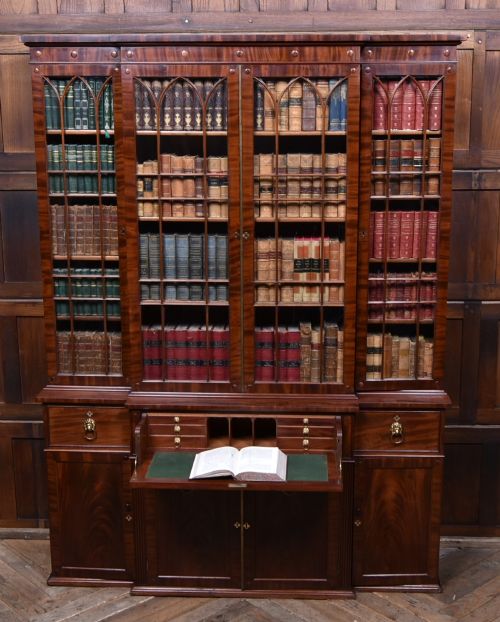
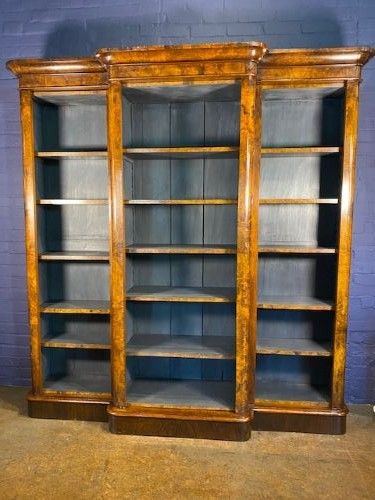
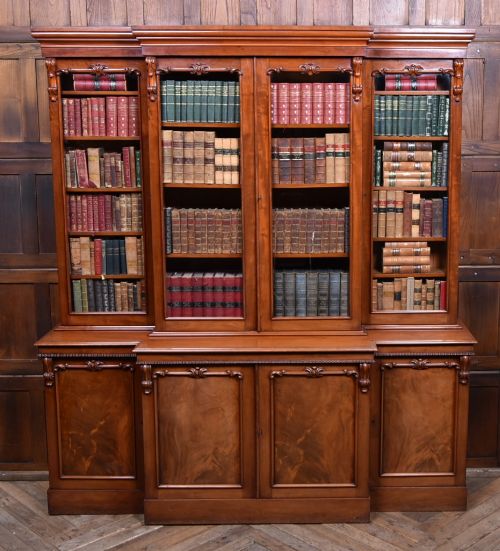
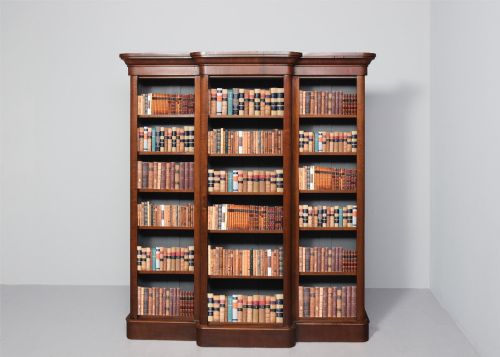
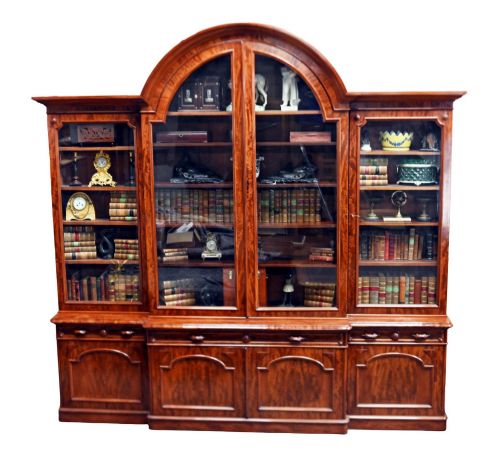
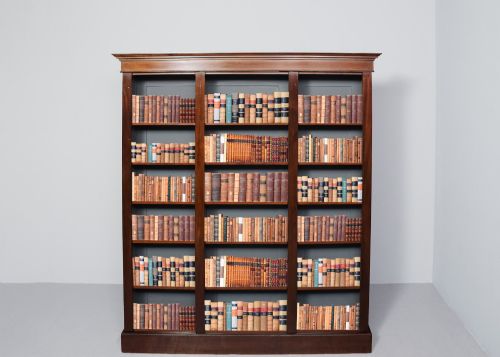
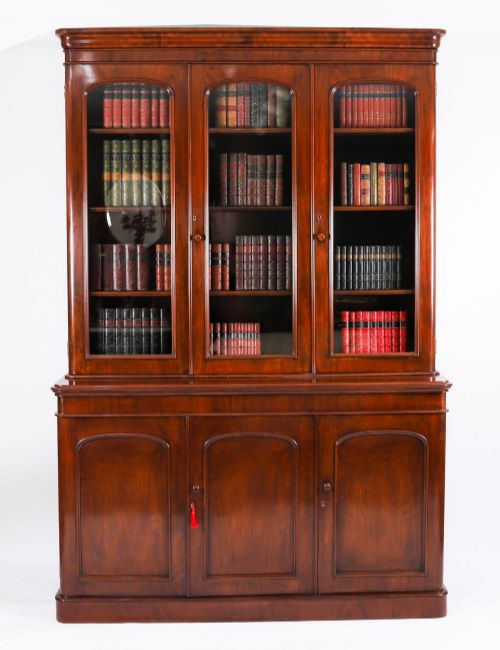
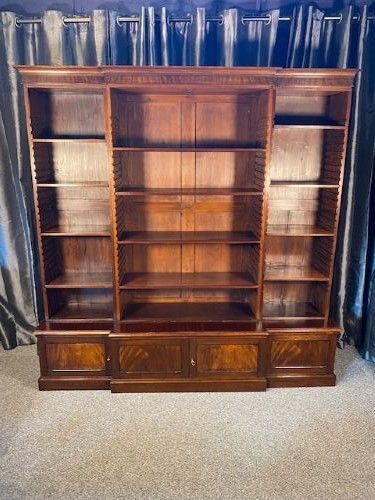
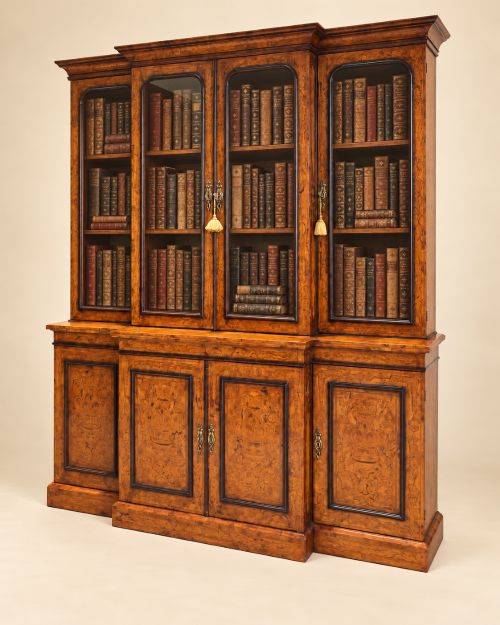
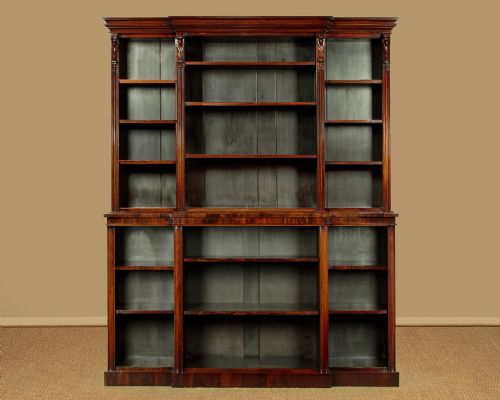
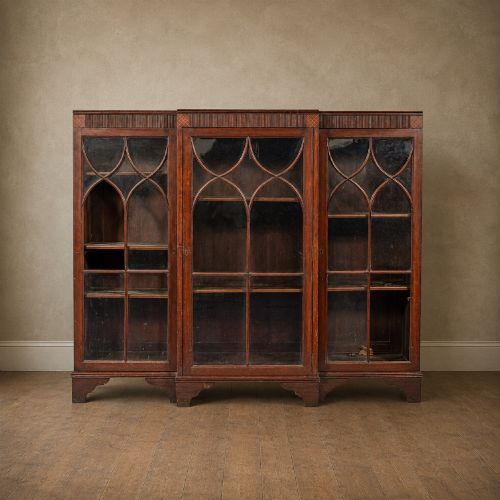
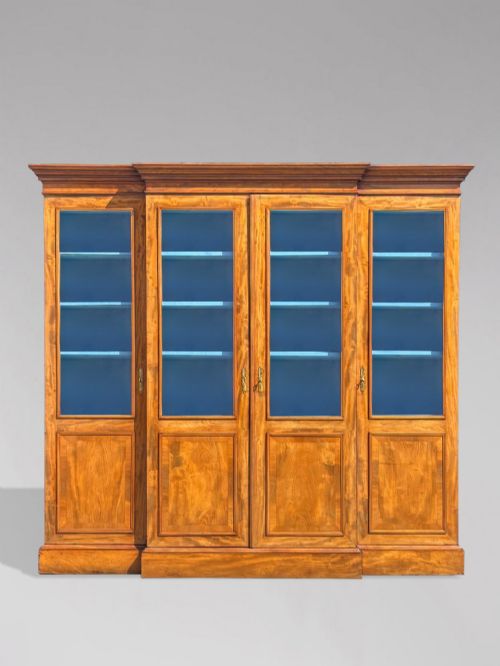
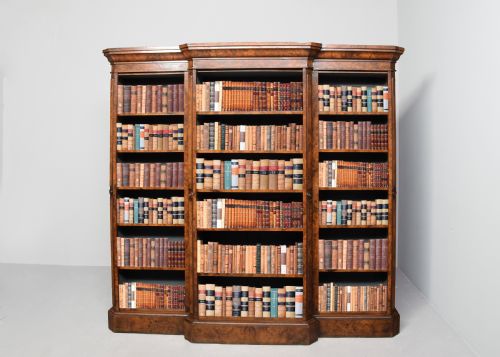
A large victorian library cabinet anchors a room with profound weight, storing leather-bound volumes behind glazed or open timber shelving.
Large Victorian Library Cabinet
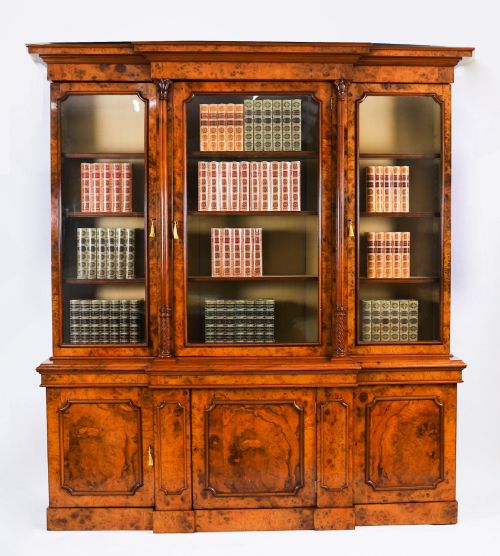
A large victorian library cabinet is a substantial storage piece designed to house extensive book collections, frequently constructed with breakfront sections and adjustable shelving.
The version most commonly met on this page is built from mahogany, oak, or walnut, often featuring glazed upper doors or open shelves dating from the mid to late nineteenth century.
These grand pieces served as the architectural focal point for private studies and libraries, reflecting the scholarly ambitions and domestic scale of the period.
Materials and Construction
Cabinetmakers utilised dense timbers such as mahogany, oak, and walnut, frequently enhancing surfaces with figured veneers, burr walnut, or pollard oak.
Structural integrity relied on heavy joinery, brass hardware, and glass panes set into timber frames for glazed display doors.
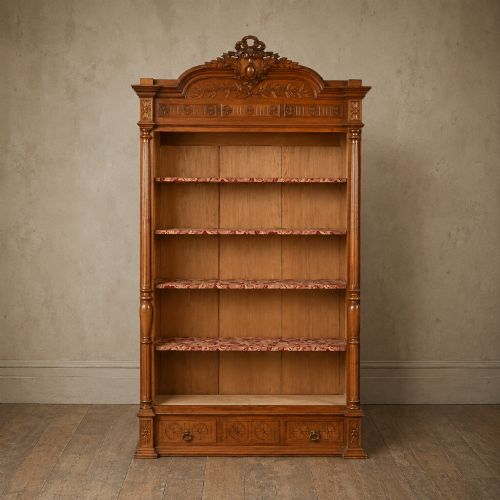
Carved ornamentation, inlay, and ebonised details were applied by hand to define the Gothic Revival and Continental styles of the era.
Large Victorian Library Cabinet Retail Price Guide 2026
Typical asking prices for large victorian library cabinet among the pieces listed under this phrase on Sellingantiques today, from the lower quarter to the upper quarter. They describe what is for sale here now, not the wider market.
The inventory records regional English and Continental workshops alongside documented London cabinetmakers from the Victorian era.
Distinctions in Quality
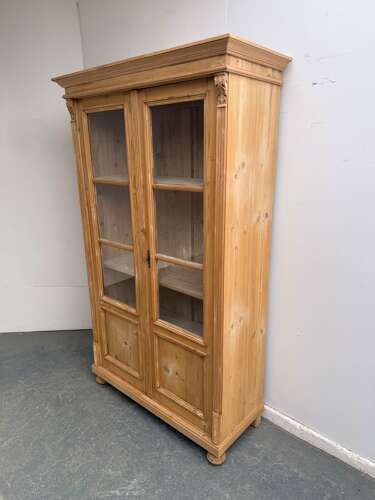
Quality rests upon the selection of timber, where figured grains, burr walnut, and pollard oak elevate a piece above standard domestic pine or plain oak.
The sophistication of the hand-carved ornamentation and the presence of documented makers' signatures separate standard workshop production from exceptional cabinet work.
Howard & Sons·Gillows
The Large Victorian Library Cabinet Glossary
- Breakfront
- A cabinet design where the central section projects forward from the flanking wings. This configuration adds architectural depth to large library pieces.
- Secretaire
- A desk component integrated into the cabinet furniture, often featuring a drop-down writing flap concealing small drawers and pigeonholes.
- Pollard Oak
- Timber taken from trees that were pollarded, producing a dense, knotty grain pattern highly prized for decorative cabinet fronts.
- Gothic Revival
- An architectural and decorative style popular in the nineteenth century, characterised by pointed arches, tracery, and heavy carved details.
Large Victorian Library Cabinet: Frequently Asked Questions
How are adjustable shelves configured inside these cabinets?
Most large library cabinets use traditional wooden rack-and-pinion supports or metal ratchets inset into the interior sides. This allows the heavy timber shelves to be repositioned easily for volumes of varying heights.
Buyers should check that all original shelf supports remain intact to maintain the functionality of the bookcase.
Do these library cabinets dismantle for transport?
Due to their imposing scale, many nineteenth-century breakfront cabinets separate into distinct modular sections. The upper glazed bookcase typically lifts off a lower base cabinet, and the wings often detach from the central section.
Professional removal is recommended to manage the heavy timber components and glass doors safely during relocation.
What is the difference between open and glazed library cabinets?
Open bookcases provide direct, unobstructed access to books and highlight fine bindings across multiple tiers. Glazed cabinets utilise glass-panelled doors to protect valuable texts from dust and atmospheric changes.
Both formats were used extensively in Victorian libraries depending on the owner's preference for display versus preservation.
How do you identify a Victorian Gothic Revival library piece?
Victorian Gothic Revival pieces are distinguished by architectural motifs such as lancet arches, trefoils, and heavy, intricate carved foliage. These cabinets often utilise dark oak and display a monumental, structural presence.
Such details reflect the mid-nineteenth-century fascination with medieval design principles.