


Victorian Wooden Games
Victorian wooden games bring parlour entertainment home through mahogany chess tables, carved caskets and boxed sets.
Victorian Wooden Games
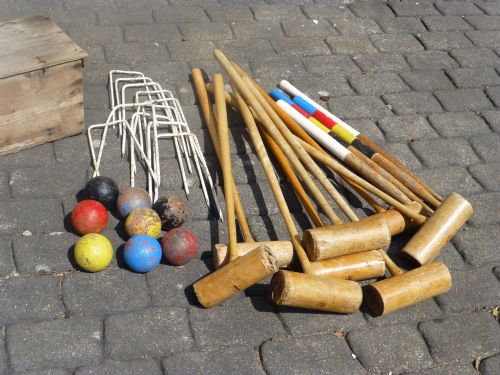
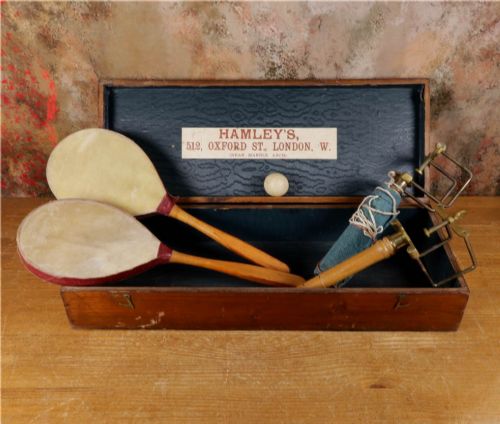
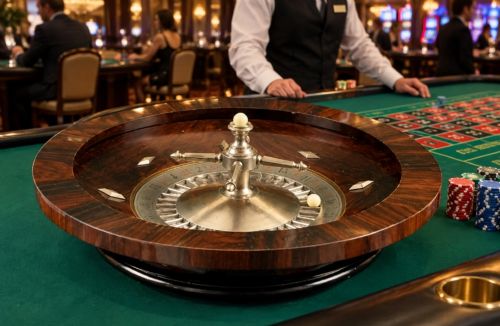
Victorian wooden games encompass everything from fold-out chess boards and roulette wheels to boxed dominoes, croquet sets and intricate puzzles designed for domestic amusement. These pieces formed the centrepiece of nineteenth-century social gatherings, often combining furniture with functional play surfaces.
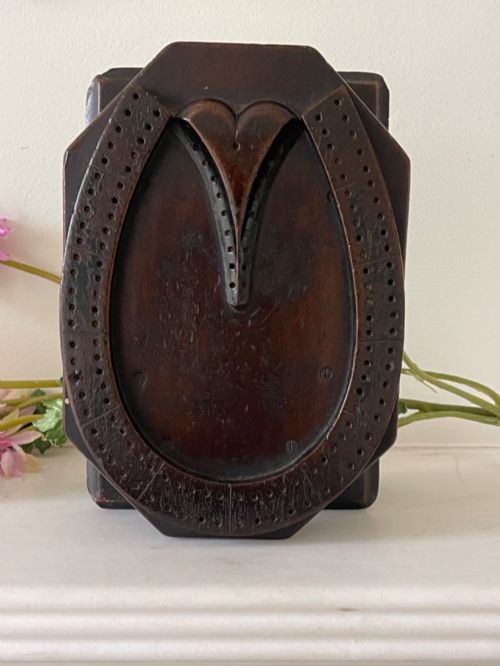
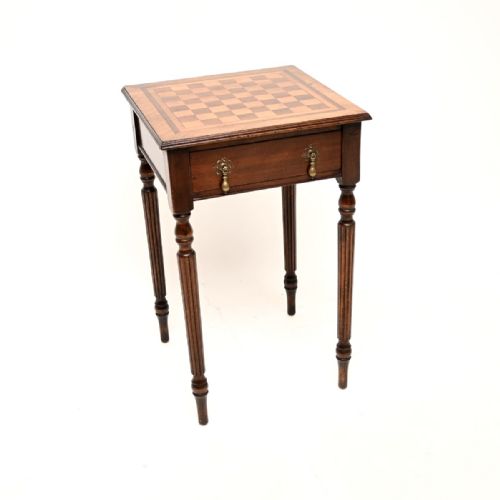
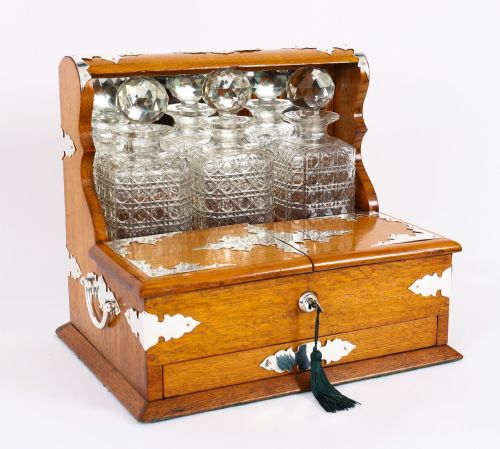
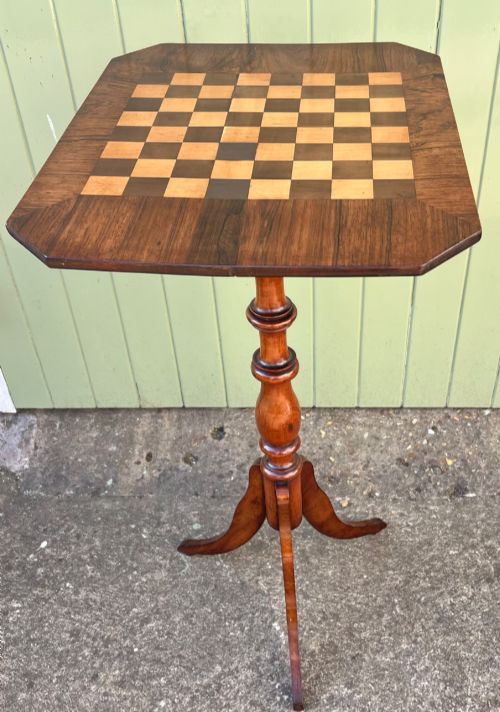
The selection on this page centres on items originating across the nineteenth century, including walnut games tables, rosewood caskets and boxwood chess sets. Forms range from portable treen cup-and-ball toys to substantial mahogany bagatelle tables and fitted tantalus games compendiums.
Materials and Construction
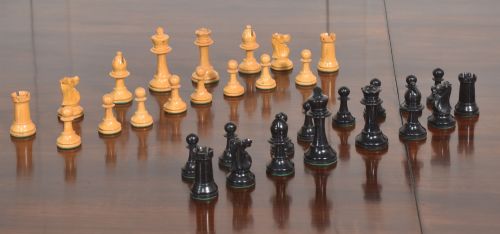
Cabinet makers utilised dense hardwoods such as mahogany, walnut, rosewood and oak to build durable folding tables, boxes and board frames. Contrasting timbers like boxwood and ebonised wood provided the distinct light and dark squares required for chess and backgammon sets.
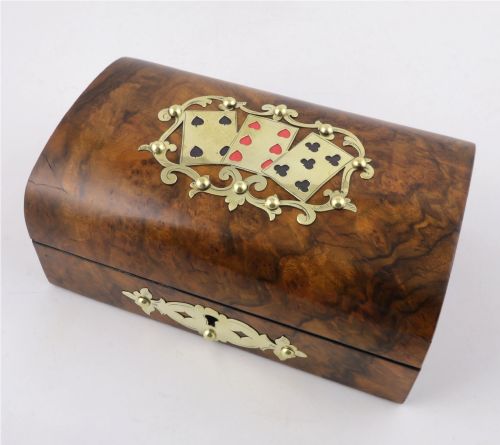
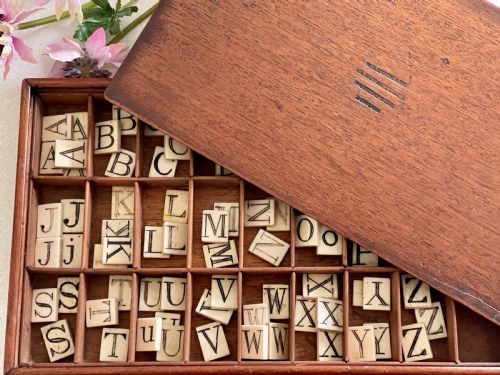
Detailing often involved brass hardware, inlaid veneers, and hand-carved ornamentation characteristic of Black Forest production or folk art traditions. Smaller items integrated bone for domino components and turned wood for bilboquet sets and puzzles.
Victorian Wooden Games Retail Price Guide 2026
Typical asking prices for victorian wooden games among the pieces listed under this phrase on Sellingantiques today, from the lower quarter to the upper quarter. They describe what is for sale here now, not the wider market.
Assessing Quality
Quality rests upon the selection of timber and the precision of the joinery in folding mechanisms, sliding box lids and inlaid playing surfaces. Finer examples display meticulous hand-carving, such as the elaborate foliage on Black Forest boxes and tables, alongside integrated brass locks and hinges.
Completeness dictates the standing of portable sets, where retaining original pine storage boxes, matching bone pieces or instruction manuals elevates the object. The integration of multi-use furniture, combining decanters with hidden compartments and games compendiums, demonstrates higher manufacturing ambition.
Jaques·Hamleys Gossima·F.H.Ayres Ltd·Edward Gerrard and Sons·Gillow
The Victorian Wooden Games Glossary
- Treen
- Small handmade wooden objects for domestic or playful use. This category includes items like bird calls, cup-and-ball toys and small turned containers.
- Staunton
- A standard design of chess piece introduced in the mid-nineteenth century. These pieces feature heavily weighted bases and recognisable, distinct shapes for each rank.
- Tantalus
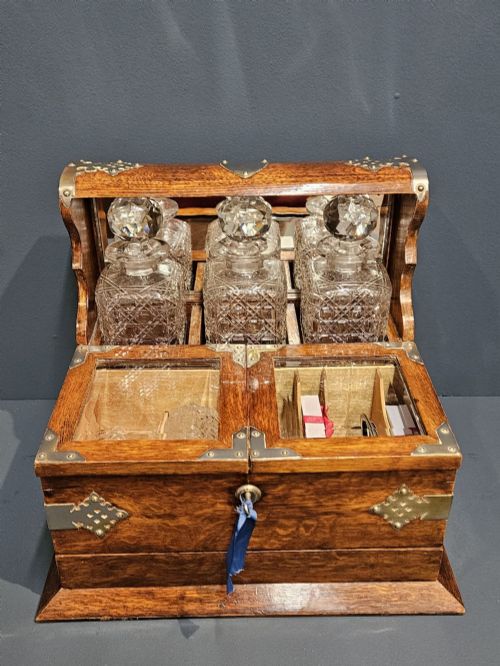
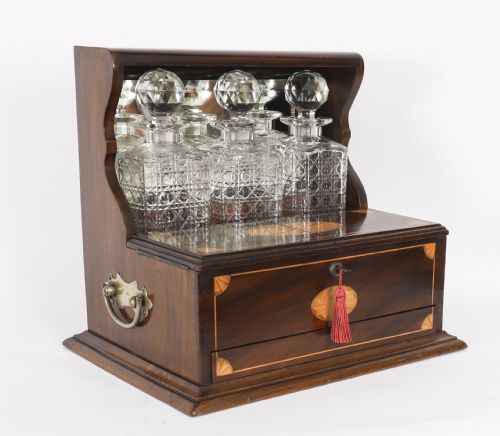
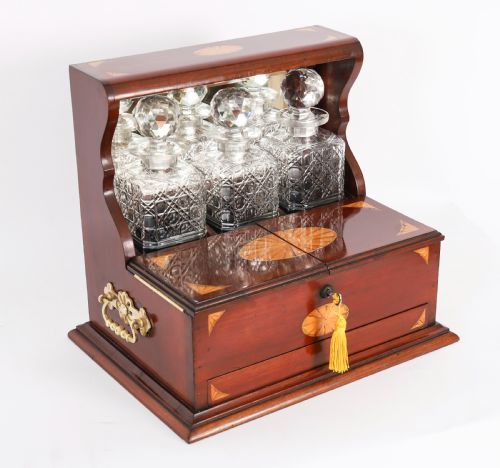
- A locking wooden stand holding decanters of spirits. Many nineteenth-century versions combine this barware function with fold-out games compendiums.
- Bagatelle
- A precursor to modern billiards played on a long wooden table with cues and balls. Players aim to sink balls into numbered cups set into the board.
- Bilboquet
- A traditional cup-and-ball game requiring the player to catch a wooden ball attached by string onto a spiked handle or cup.
Victorian Wooden Games: Frequently Asked Questions
What games did Victorians play indoors?
Victorians engaged in a wide variety of parlour pastimes, including chess, backgammon, dominoes, roulette and card games. Many households used multi-functional games tables or fitted compendiums to store the necessary equipment.
These activities formed a central part of evening entertainment, bringing family and guests together around the drawing room table for competitive matches and social interaction.
How do I identify a Victorian chess set?
Nineteenth-century chess sets often feature the distinct Staunton design in contrasting boxwood and ebonised wood. Older sets may display hand-carved detailing or specific regional styles.
Examining the turning work on the pawns and kings, along with the finish of the wood, helps determine the period of manufacture.
What is a games compendium?
A games compendium is a fitted box containing the equipment for multiple different pastimes, such as chess, checkers, backgammon and dice. They were designed to save space while offering variety.
These boxes often feature folding boards that double as lids, alongside nested trays holding bone markers, playing cards and wooden pieces.
How were games tables used?
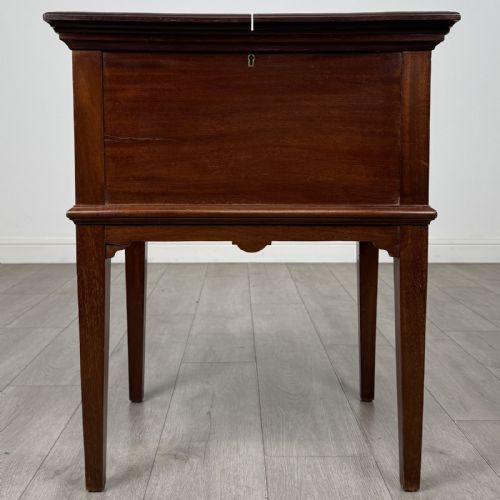
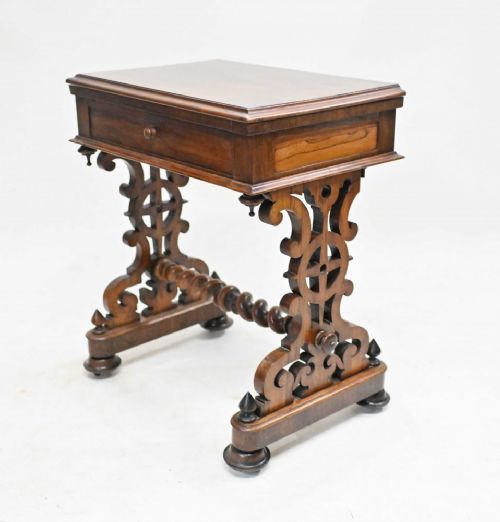
Games tables served dual purposes in the nineteenth-century home, functioning as writing or occasional tables when closed. Opening the top revealed inlaid checkerboards, backgammon layouts or hidden storage compartments for pieces.
Owners placed these against drawing room walls and moved them into the centre of the room when guests arrived for an evening of play.