


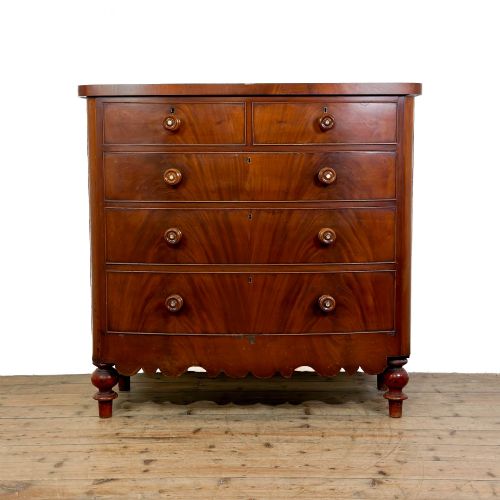
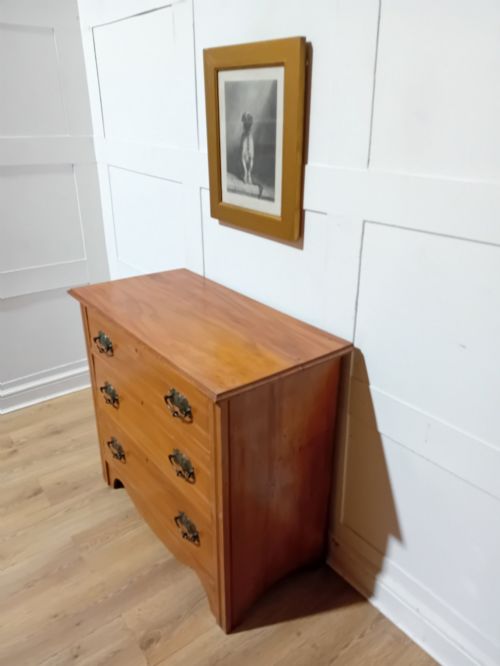
Victorian Wooden Bureau
These pieces are a victorian wooden bureau, solid desks and chests that offer practical storage and writing space with nineteenth-century character.
Victorian Wooden Bureau
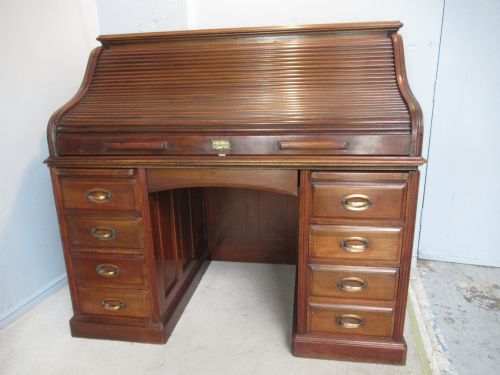
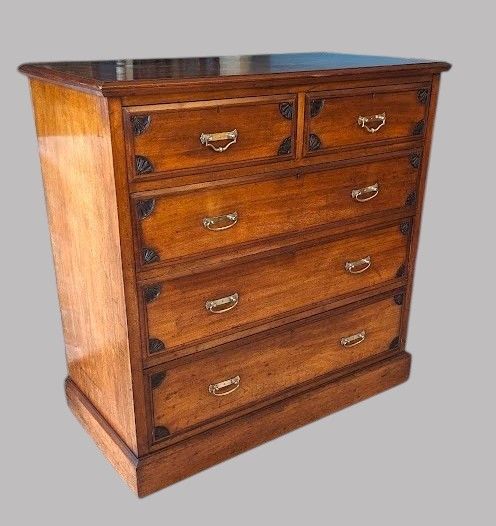
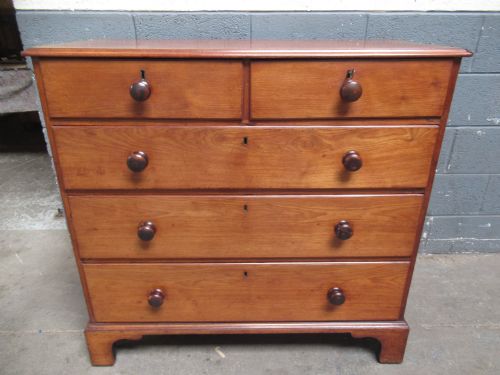
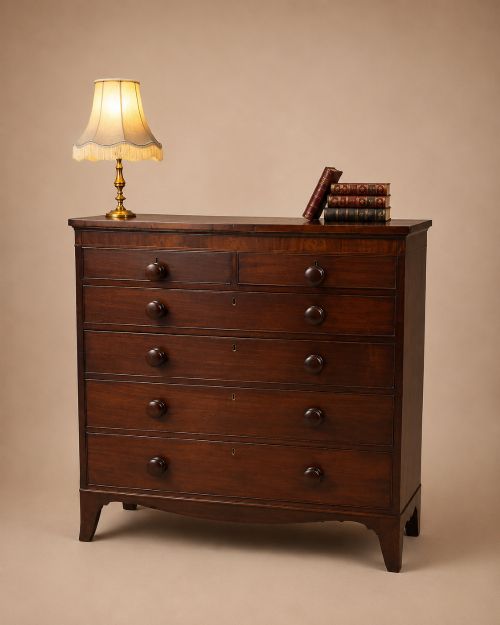
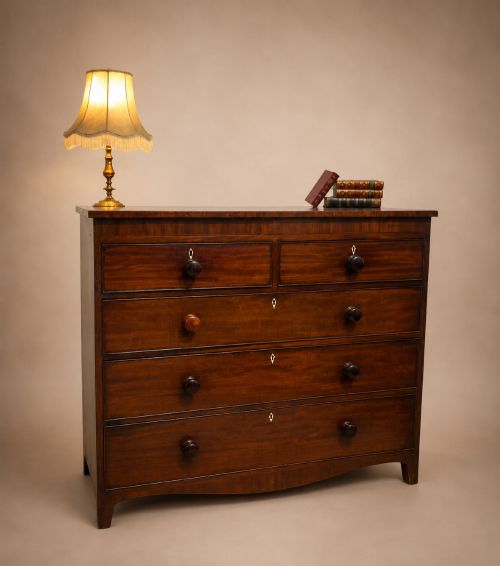
When searching for a victorian wooden bureau, buyers encounter various forms of nineteenth-century furniture designed for storage and writing. The selection here spans multiple periods and styles, with nineteenth-century mahogany chests of drawers and writing desks appearing frequently alongside pine storage pieces and walnut roll-top desks.
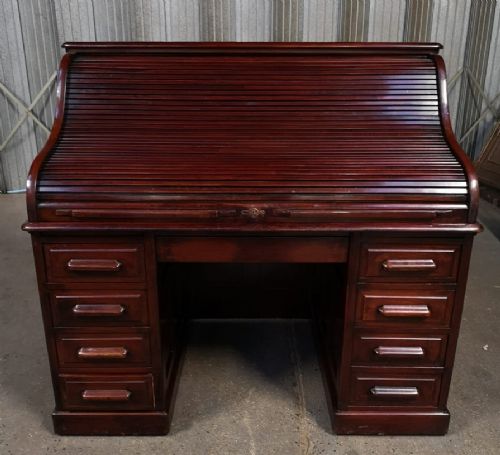
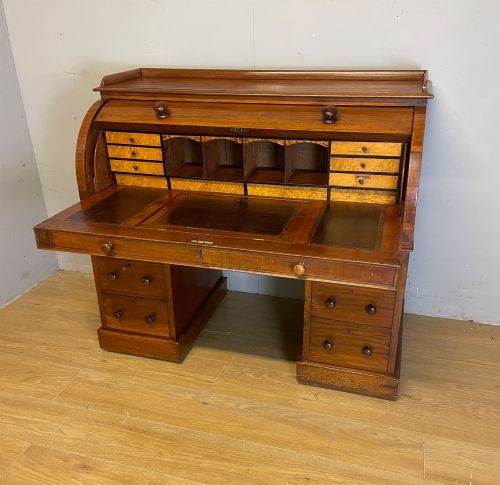
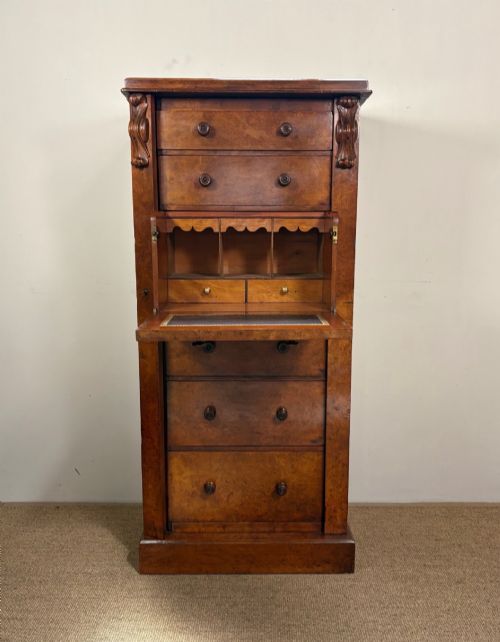
Beyond standard chests of drawers, the offerings include specialised writing furniture such as pedestal desks, Davenport desks, cylinder desks, and secretaire chests. These pieces originate from the Victorian era as well as the Edwardian period, incorporating influences like Sheraton style, Arts and Crafts, and Biedermeier.
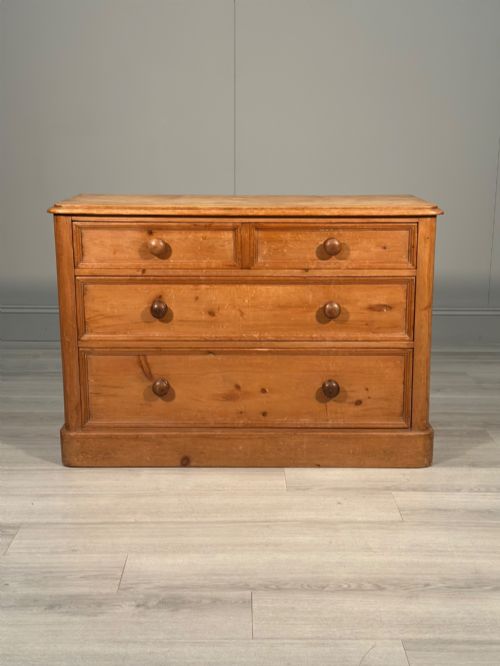
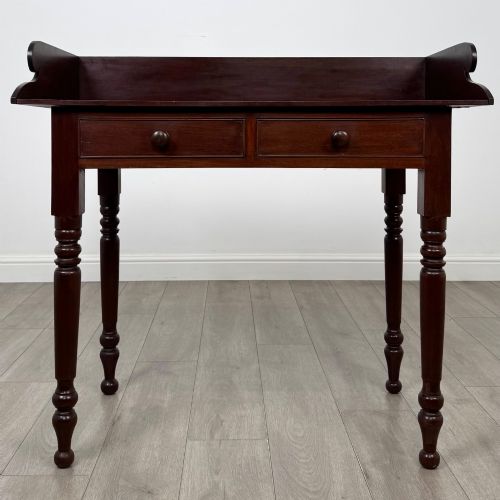
The dominant material across these listings is mahogany, complemented by walnut, burr walnut, pine, oak, and maple. Buyers will find variations ranging from large library bookcases and pedestal desks down to smaller bow-fronted chests and compact writing tables.
Materials and construction methods
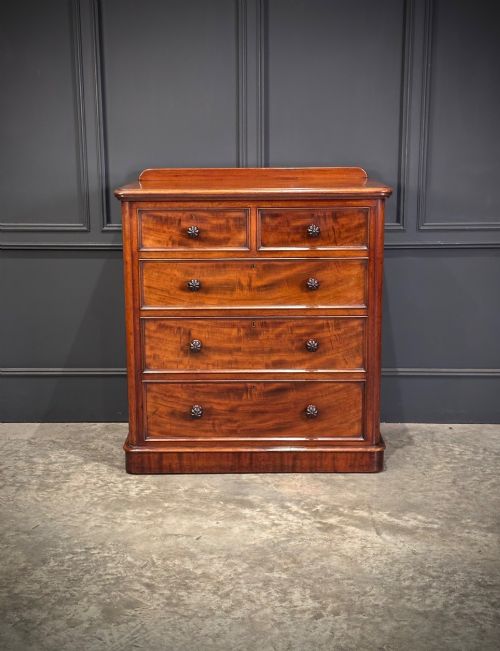
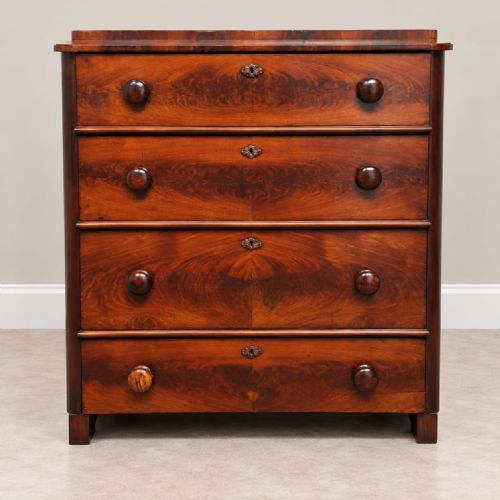
Cabinet makers utilised solid timbers such as mahogany, oak, and pine for structural integrity, often applying flame mahogany or burr walnut veneers to primary display surfaces for visual depth. Brass hardware, including handles and key escutcheons, provides functional and decorative accents.
Writing desks and cylinder desks integrate specialised mechanical compartments, drop-front writing surfaces, and leather inserts. Secondary surfaces often employ secondary softwoods, while specialised finishes like original paint, wax, and ebonising complete the exterior treatment.
Several pieces retain original wax and paint finishes from nineteenth-century workshops.
Distinctions in construction and finish
The degree of refinement in timber selection and veneer matching elevates certain pieces above standard utility furniture. Highly figured burr walnut, flame mahogany veneers, and intricate inlay work distinguish exceptional desks from plain pine or oak storage chests.
Joinery execution and the preservation of original surfaces, hardware, and leather writing inserts dictate the standing of individual examples. Pieces retaining original paint or specialised internal mechanisms demonstrate superior integrity compared to altered or heavily restored items.
HARRIS LEBUS of TOTTENHAM·Maple & Co
The Victorian Wooden Bureau Glossary
- Davenport
- A small compact writing desk featuring a sloping top with a leather writing surface and drawers accessed from the side. This form became popular during the nineteenth century for use in smaller reception rooms.
- Cylinder desk
- A desk featuring a curved, quarter-circle wooden shutter that rolls back to reveal writing surfaces and pigeonholes. These items require precise joinery to ensure smooth operation of the rolling mechanism.
- Pedestal desk
- A large freestanding desk comprising a flat top supported by two banks of drawers. They often incorporate inset leather writing surfaces and panelled construction.
- Secretaire chest
- A chest of drawers where the top drawer pulls down to reveal a fitted writing desk with small compartments and pigeonholes. It combines the storage capacity of a chest with the utility of a desk.
- Burr walnut
- Wood taken from a walnut tree growth or burl, yielding intricate, swirling grain patterns. Cabinet makers used veneers of this material to decorate the primary drawer fronts and surfaces of high-status Victorian furniture.
Victorian Wooden Bureau: Frequently Asked Questions
What is a cylinder desk?
A cylinder desk encloses its writing surface beneath a curved wooden shutter that slides back into the body of the piece.
This mechanism conceals internal pigeonholes and small drawers when closed, offering a tidy appearance for a study or library.
How do I identify a Davenport?
A Davenport is a compact Victorian desk recognizable by its sloping, leather-lined writing lid and side-opening drawers.
They were designed for letter writing in tight spaces and often feature decorative woodwork or small stationary compartments on top.
Are these pieces made of solid wood?
Most pieces combine solid structural framing with selected decorative veneers applied to primary surfaces.
Mahogany, oak, and pine provide the sturdy carcasses, while figured woods like burr walnut or flame mahogany appear as surface veneers.
Where should I place a pedestal desk?
Pedestal desks are designed to stand freestanding within a room rather than pushed flat against a wall.
Their finished backs and twin drawer pedestals allow them to serve as the central anchor of a home office or library.