

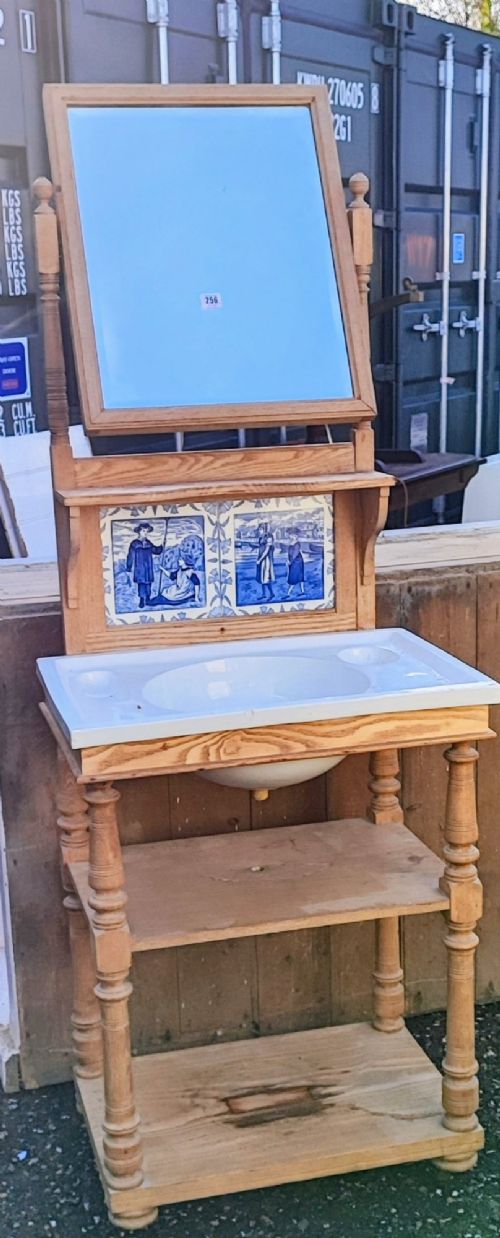
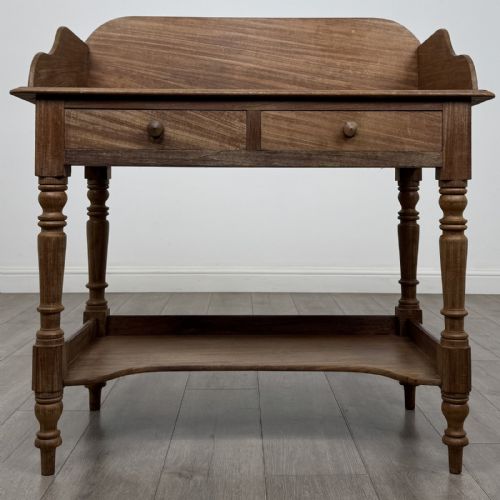
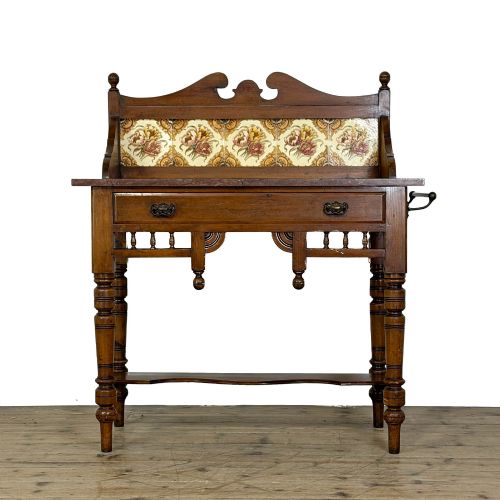
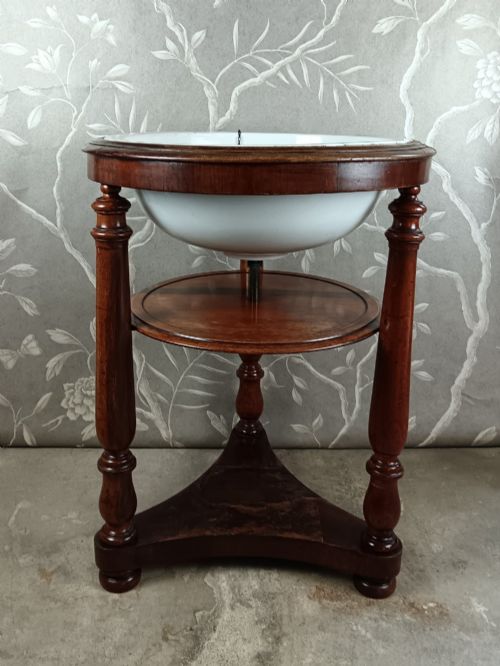
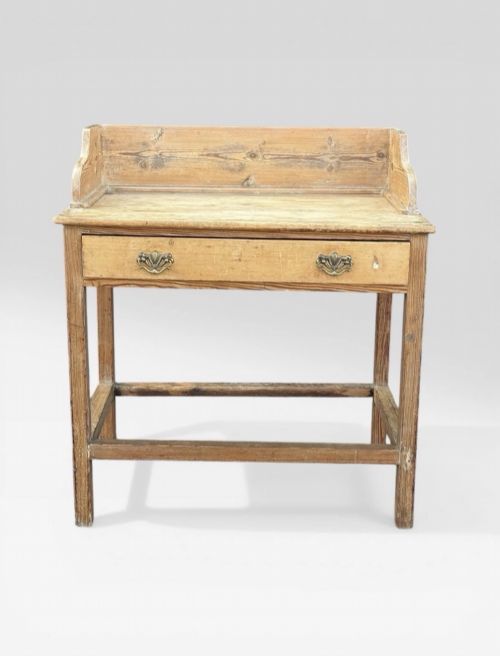
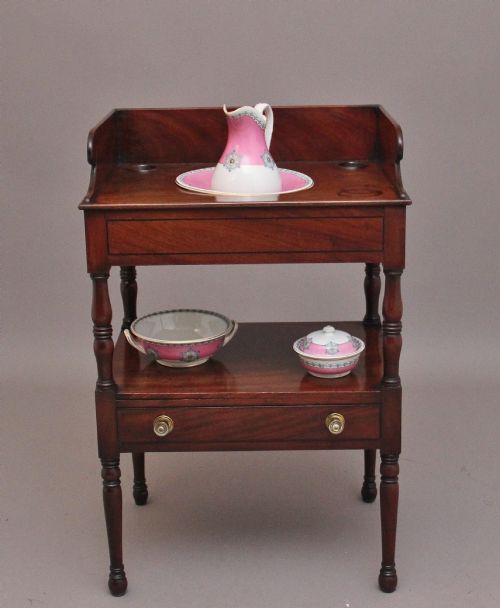


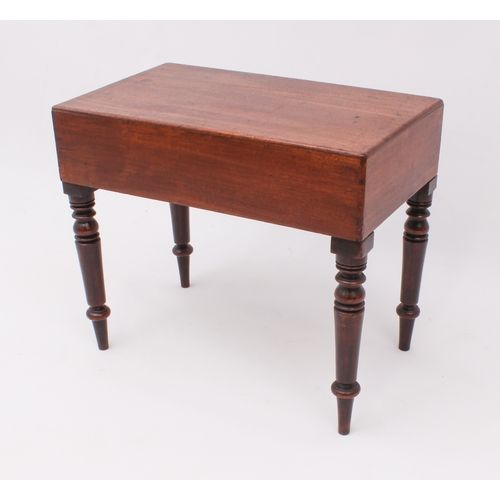


Victorian Wooden Basin Stand
These Victorian wooden basin stand examples offer practical historic utility and sturdy craft, forming a useful addition to a traditional bedroom.
Victorian Wooden Basin Stand
A victorian wooden basin stand provides a sturdy surface for personal washing implements and water jugs within domestic chambers. These practical items appear across the nineteenth century, bridging periods from early Victorian designs through to Edwardian examples.
Buyers meet various regional and formal interpretations on this page, ranging from rustic pine side tables to refined mahogany campaign pieces. The selection includes gallery-backed washstands alongside cabinet formats and converted forms.
Makers utilised resilient timbers such as mahogany and pine, frequently incorporating marble tops or painted faux finishes to protect the wood from daily splashes. Such varied forms reflect the specific domestic requirements of period households.
How they were made
Carpenters constructed these washstands primarily from solid mahogany, pine, and satinbirch, selecting timber for its density and grain. Surfaces frequently received painted finishes, including faux marble or original grain effects to guard against moisture.
Workshops integrated brass hardware and ceramic elements alongside inset marble tops to create durable hygienic surfaces. Raised galleries and three-quarter upstands protected surrounding walls from water damage during daily use.
Victorian Wooden Basin Stand Retail Price Guide 2026
Typical asking prices for victorian wooden basin stand among the pieces listed under this phrase on Sellingantiques today, from the lower quarter to the upper quarter. They describe what is for sale here now, not the wider market.
Some nineteenth-century washstands doubled as discreet bidets, proving that Victorian practicality had a very specific seat for everything.
What varies in quality
Construction methods determine the structural integrity of each piece, distinguishing utilitarian pine washstands from finely turned mahogany or inlaid satinwood furniture. Cabinetwork detail and the retention of original timber surfaces influence the overall standard.
The integration of superior fitted materials, such as heavy marble slabs and intact brass mounts, elevates specific pieces above simpler country variants. Surviving original paintwork or specialised campaign fittings likewise mark out the finer examples.
Gillows
The Victorian Wooden Basin Stand Glossary
- Gallery
- A raised wooden border running along the back and sides of a washstand top to prevent water from splashing onto the wall.
- Campaign washstand
- A portable form of furniture designed for travel, often featuring clever folding mechanisms and compact proportions.
- Faux marble
- A painted surface treatment mimicking the appearance of real stone, frequently applied to pine tops for practical water resistance.
- Satinbirch
- A pale, lustrous timber utilised during the Victorian period for cabinet fronts and decorative furniture surfaces.
- Bidet
- A low basin stand designed for personal hygiene, appearing within nineteenth-century bedroom furnishings.
Victorian Wooden Basin Stand: Frequently Asked Questions
What is a victorian wooden basin stand used for?
These stands originally held basins, ewers, and washing accessories in bedrooms before modern indoor plumbing became standard.
Today, owners utilise them as hallway tables, bathroom vanity supports, or decorative side furniture in period interiors.
How do I identify a campaign washstand?
Campaign pieces typically feature modular construction, recessed brass handles, and portable designs meant for easy disassembly.
Such items reflect nineteenth-century travel requirements and military life abroad.
Are marble tops original to these pieces?
Many Edwardian and late Victorian washstands incorporate fitted marble slabs designed to resist water damage during washing.
Pine and mahogany variants without stone tops often rely on painted or varnished wooden surfaces instead.
How do I care for antique timber washstands?
Maintain the wood by applying appropriate wax polish and avoiding excessive moisture exposure on vulnerable antique surfaces.
Protect marble tops from acidic substances to preserve the original stone finish.