



Victorian Washstand Gallery Back
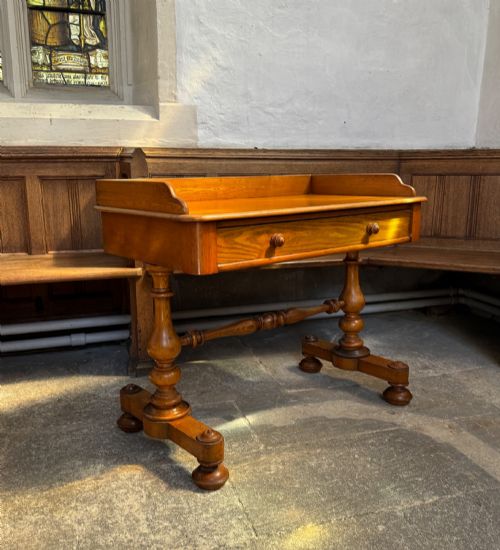
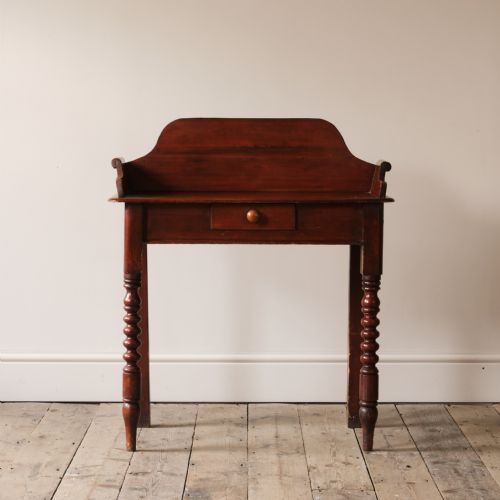
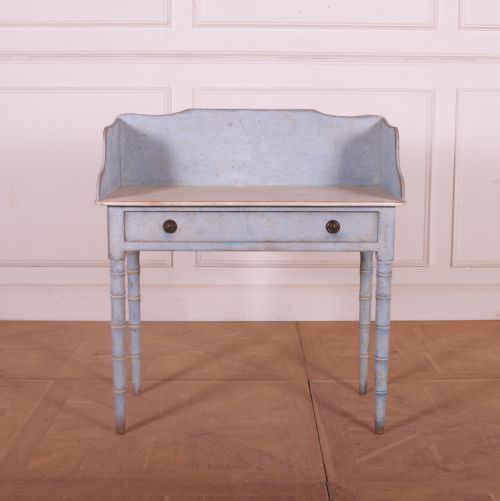
A Victorian washstand gallery back protects the wall behind the basin, uniting practical utility with period charm.
Victorian Washstand Gallery Back
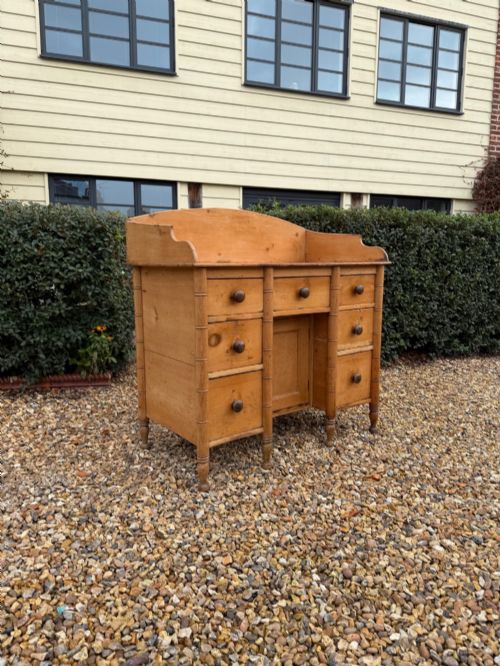
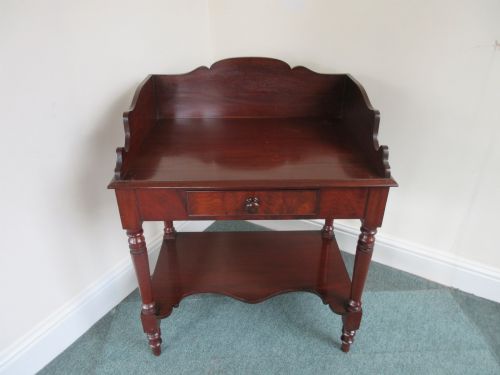
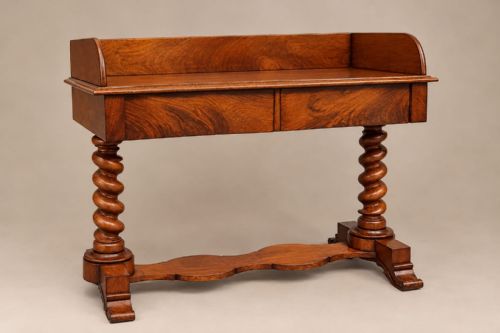
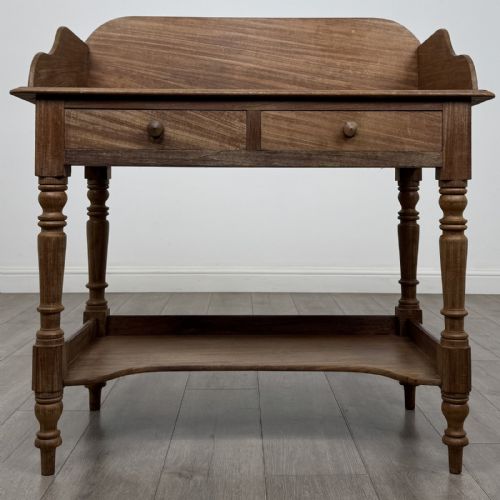
A Victorian washstand gallery back sits atop nineteenth-century chamber furniture to guard walls from splashes during morning ablutions. These architectural rear splashbacks appear predominantly on washstands fashioned from pine, mahogany, pitch pine, and walnut.
The inventory on this page spans simple country pine pieces alongside refined mahogany and walnut iterations. Buyers frequently encounter raised timber surrounds, three-quarter frameworks, and tiled panels designed to hold water jugs and basins securely.
Beyond standard washstands, related forms on this page include nineteenth-century side tables, chests of drawers, and side cupboards featuring matching rear timber protections. These items reflect the domestic routines of the Victorian era before plumbed bathrooms became standard in homes.
How they were made
Cabinet makers constructed these washstands using solid timbers such as mahogany, walnut, and pine, often finished with painted faux marble surfaces or genuine stone tops. Selected examples incorporate decorative tiles into the gallery back to resist moisture while adding colour to the bedroom.
Joinery techniques from the nineteenth century governed the assembly of drawers, turned legs, and structural frames supporting the gallery back. Makers utilised brass hardware for drawer pulls and cupboard fixtures, ensuring durability alongside visual character.
Victorian Washstand Gallery Back Retail Price Guide 2026
Typical asking prices for victorian washstand gallery back among the pieces listed under this phrase on Sellingantiques today, from the lower quarter to the upper quarter. They describe what is for sale here now, not the wider market.
The inventory records side tables, chests of drawers, and side cupboards alongside traditional washstands.
What varies in quality
The hierarchy of quality rests upon the choice of timber and the sophistication of the gallery construction. Dense hardwoods like mahogany and walnut command higher regard than standard pine, though well-figured pitch pine and original grain finishes hold distinct appeal.
Execution of decorative details such as serpentine fronts, integrated tile work, and finely turned supports separates standard utility washstands from finer chamber pieces. The retention of original painted faux marble tops and brass fittings significantly elevates the integrity of the piece.
The Victorian Washstand Gallery Back Glossary
- Gallery back
- A raised timber, marble, or tiled barrier attached to the rear edge of a washstand or side table to protect the wall. This feature defines the silhouette of nineteenth-century chamber furniture.
- Pitch pine
- A resinous North American softwood utilised by Victorian cabinet makers for its durability and strong grain patterns. It provides a robust alternative to standard pine.
- Faux marble
- A painted surface finish applied by nineteenth-century artisans to imitate expensive stone on wooden tabletops. It offered a practical and washable surface for daily ablutions.
- Serpentine front
- A furniture facade featuring a gently undulating contour with a convex centre flanked by concave curves. This shaping demonstrates advanced carpentry in Victorian pieces.
Victorian Washstand Gallery Back: Frequently Asked Questions
What is a washstand gallery back?
A washstand gallery back is the raised upright section attached to the rear of a nineteenth-century washing table. It served the practical purpose of shielding wallpaper and plaster from water splashes.
Today, this architectural feature provides a decorative frame that distinguishes washstands and side tables from standard domestic furniture of the period.
How were Victorian washstands used?
Victorian washstands held basins, ewers, soap dishes, and water pitchers before plumbed indoor bathrooms became common in private residences. They occupied bedrooms and dressing rooms for daily hygiene routines.
In modern interiors, buyers repurpose these pieces as hallway consoles, bathroom vanity bases, or decorative side tables.
What woods were used for washstands?
Cabinet makers built washstands from a variety of timbers depending on the intended room and budget. Common materials include domestic pine, resinous pitch pine, and imported hardwoods like mahogany and walnut.
Some pieces feature painted surfaces or applied faux finishes to mimic costlier materials like marble.
How do I identify a Victorian gallery back?
Victorian gallery backs typically consist of three-sided wooden frames, raised timber boards, or tiled panels secured to the rear surface of the furniture. They reflect nineteenth-century construction methods and joinery.
Examining the wood species, fixing methods, and overall proportions helps confirm the period of the piece.