

Victorian Wood Shelving
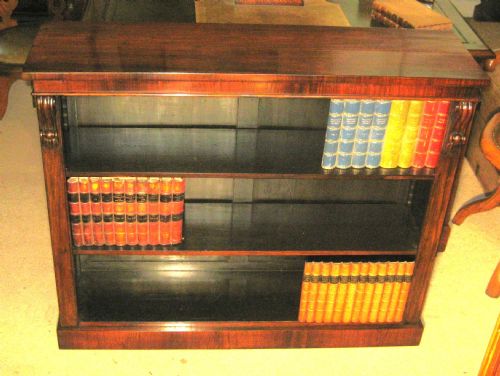
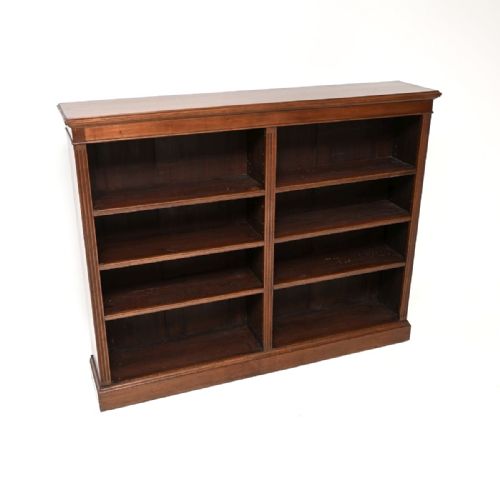
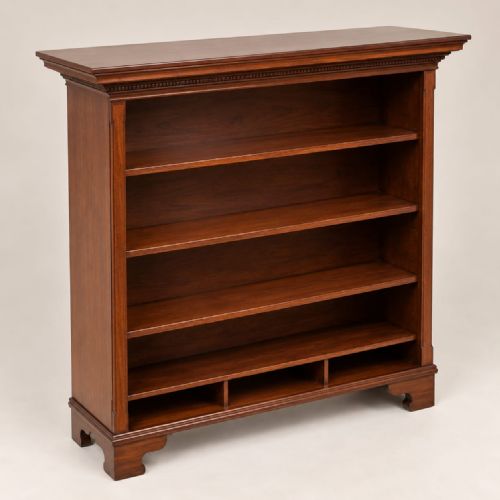
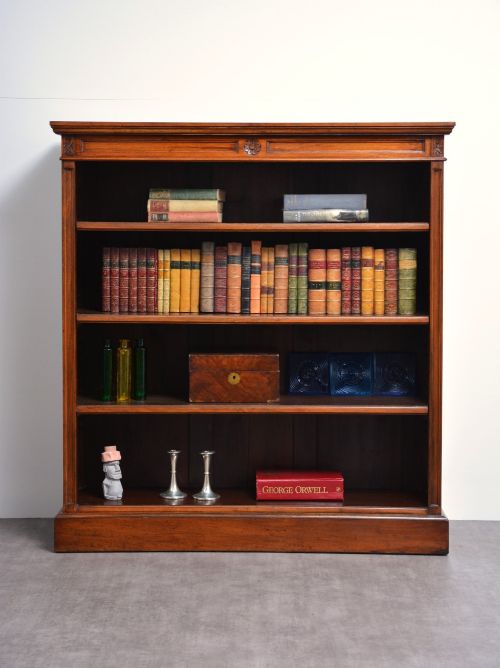
Victorian wood shelving brings functional display and practical storage to a room through open bookcases, hanging shelves, and tiered whatnots.
Victorian Wood Shelving
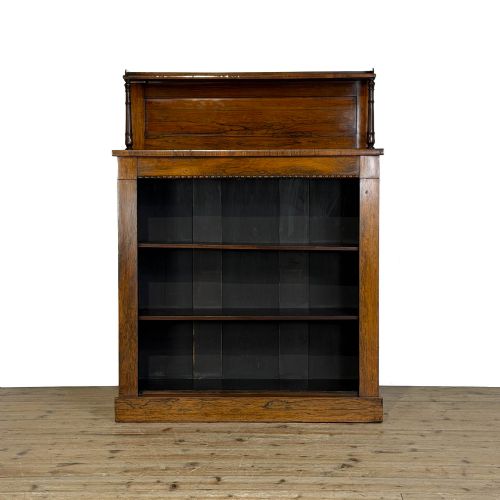
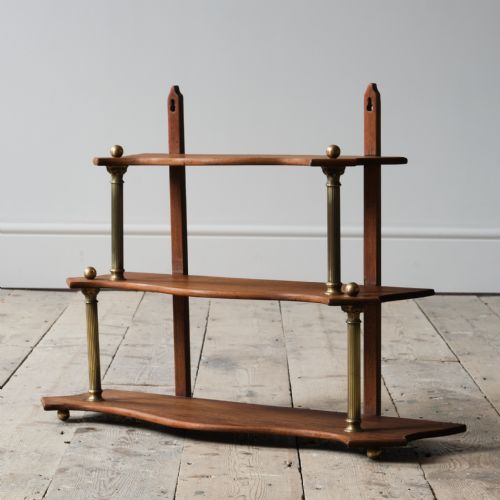
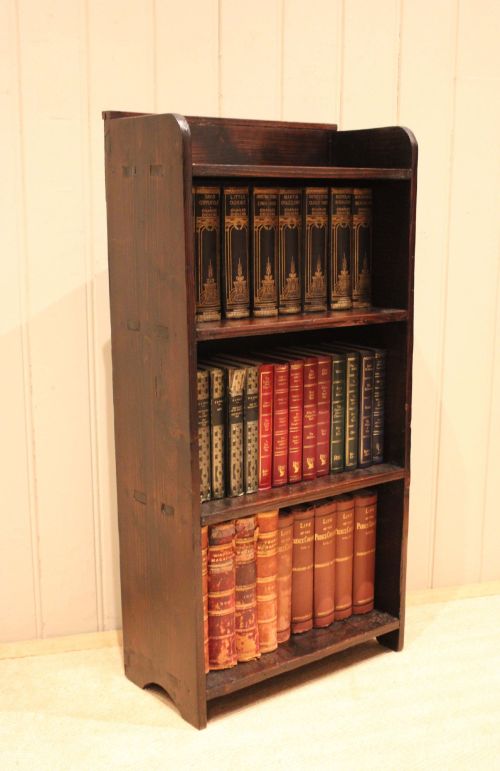
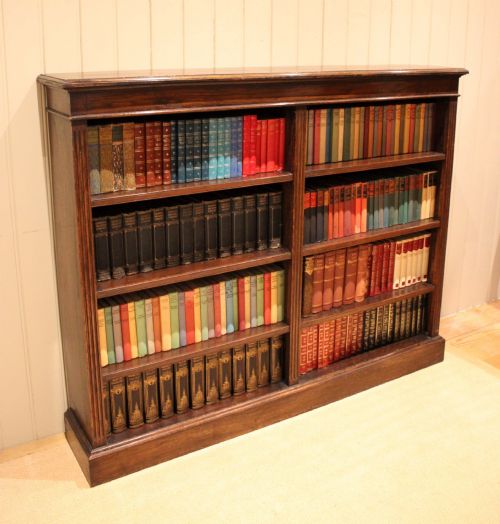
Victorian wood shelving encompasses open bookcases, wall hanging shelves, corner cabinets, and whatnots designed for domestic display and storage. Buyers searching for victorian wood shelving will encounter mostly open mahogany and walnut bookcases, alongside rosewood, oak, and pine pieces.
The selections range from compact wall-mounted brackets and tiered étagères to large library bookcases with adjustable shelves. Pieces date from the nineteenth century, including specific decades from the eighteen-forties through the nineteen-twenties, reflecting both domestic and Anglo-Indian production.
How victorian wood shelving was made
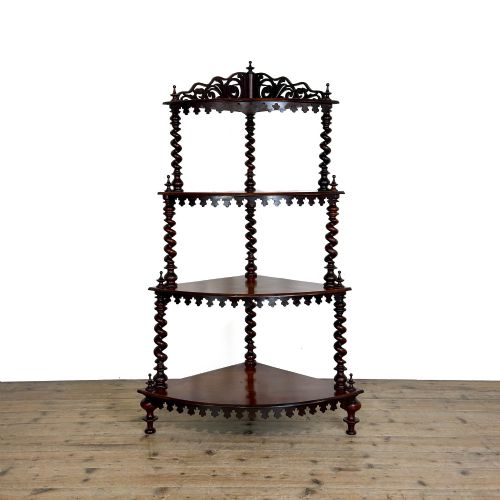
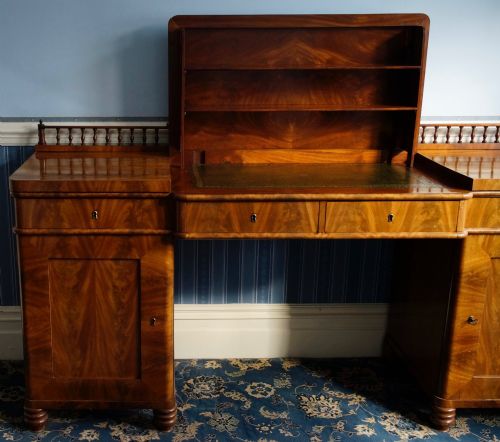
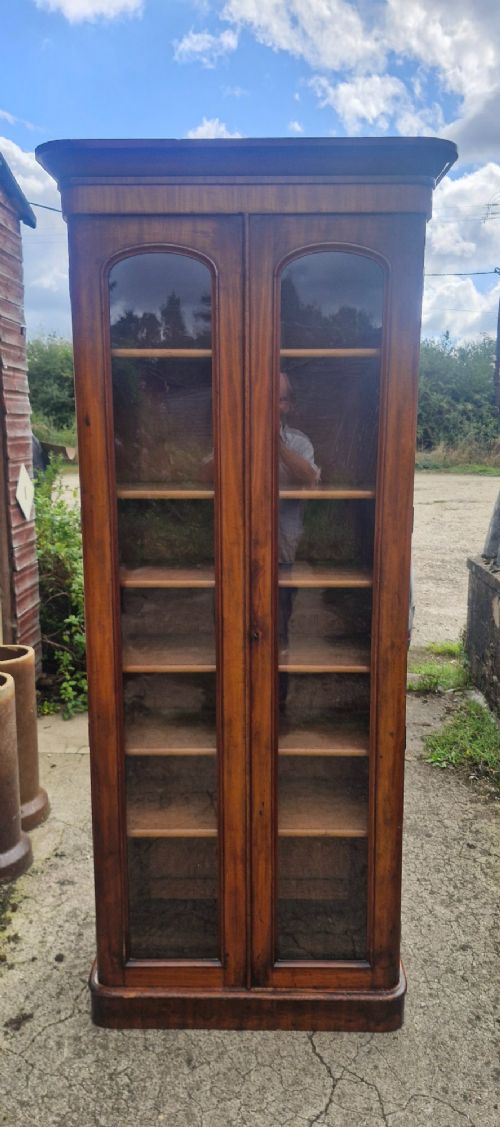
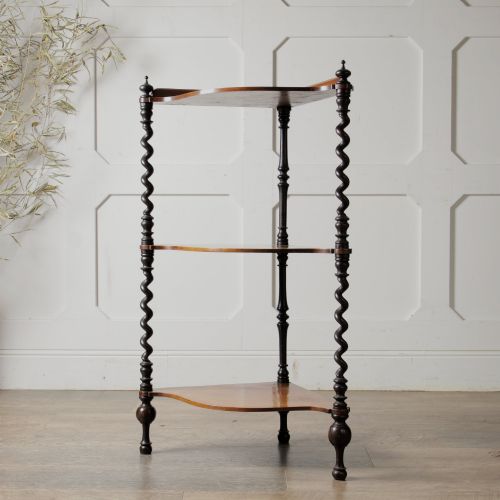
Cabinetmakers utilised hardwoods such as mahogany, walnut, rosewood, oak, and burr walnut, often pairing them with brass hardware and glass elements. Carved decoration, barley twist columns, ebonisation, and parcel gilding appear across the various styles, from rustic country items to Gothic and Regency designs.
Construction methods involved solid timber and veneers, with functional additions like adjustable shelving systems and stepped tiers. Hanging shelves utilised secure wall brackets, while larger bookcases relied on sturdy freestanding carcases and plinths.
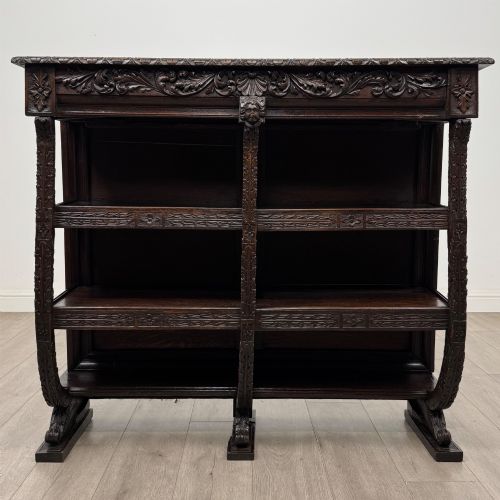
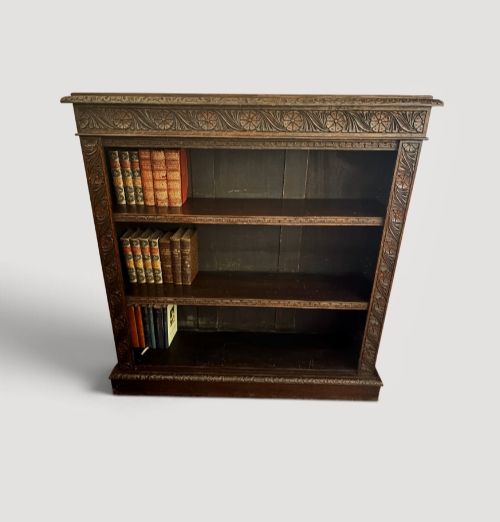
Green men peer from ebonised carved wood, guarding the books on the lowest shelves.
What varies in quality
The selection of timber grade and figure dictates the visual impact, with burr walnut and figured mahogany sitting at the upper end. Detail in the hand-carved elements and the precision of joinery separate standard utility pieces from finer cabinet work.
Functional hardware, such as solid brass fittings and smoothly operating adjustable shelf mechanisms, indicates the original tier of manufacture. The integrity of the wood finish and the retention of original glass or mirrors also influence the character of each piece.
The Victorian Wood Shelving Glossary
- Étagère
- A piece of furniture consisting of a set of open shelves for displaying small articles. These often include mirrored backs or delicate fretwork.
- Waterfall bookcase
- A freestanding open bookcase with shelves that recede in depth from bottom to top, following a stepped profile.
- Breakfront
- A piece of furniture with a central section that projects forward beyond the flanking sections. This configuration adds architectural depth to large bookcases.
- Ebonised
- Wood treated with a dark stain or finish to imitate ebony. This technique was popular for decorative effect on nineteenth-century display pieces.
Victorian Wood Shelving: Frequently Asked Questions
How do I choose between wall shelves and a bookcase?
Wall shelves suit smaller rooms or tight spaces where floor area is restricted, allowing you to display books or decorative items at eye level.
Bookcases provide substantial storage capacity for larger libraries and anchor the floor plan of a study or living room.
Are shelves usually adjustable on these pieces?
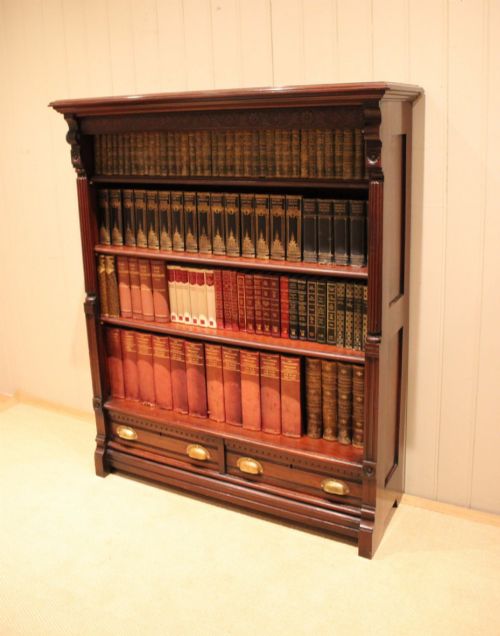
Many nineteenth-century open bookcases include adjustable shelving systems, which use wooden ratchets or metal pins to alter shelf heights.
Fixed shelving is more common in smaller hanging wall units, specialised whatnots, and rustic pieces.
What wood types are most common?
Mahogany and walnut appear most frequently across nineteenth-century bookcases and whatnots, offering strong structural integrity and rich natural grain.
Rosewood, oak, pine, and burr walnut also feature prominently in various styles, from formal library furniture to rustic country pieces.
How do I date a piece of shelving?
Dating relies on timber selection, construction techniques, and stylistic markers such as Victorian Gothic, Regency, or Edwardian influences.
Specific eras are often identified through structural details like adjustable shelf mechanisms and the presence of ebonisation or carved ornamentation.