
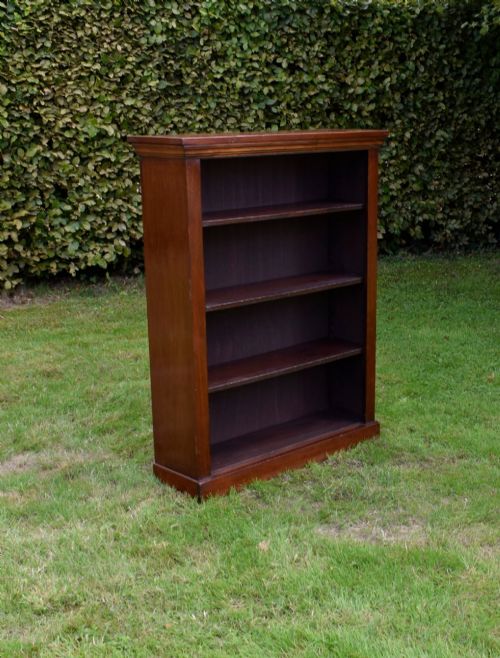
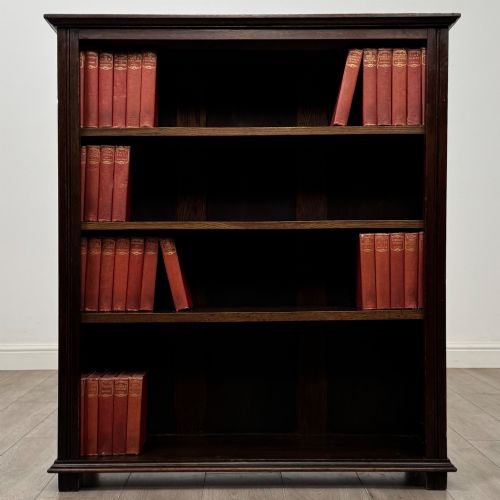
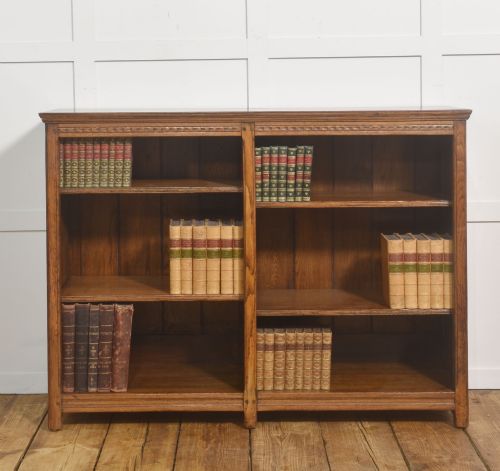
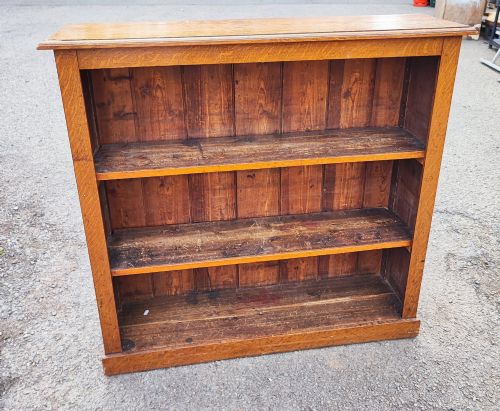
Traditional Bookshelf Unit
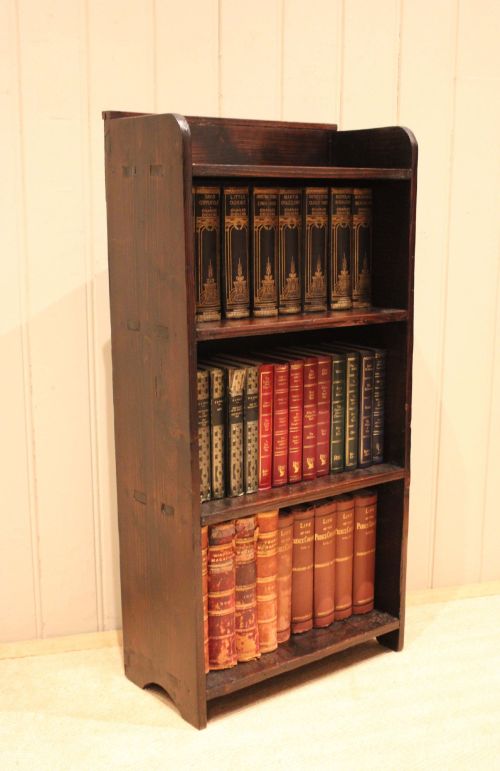
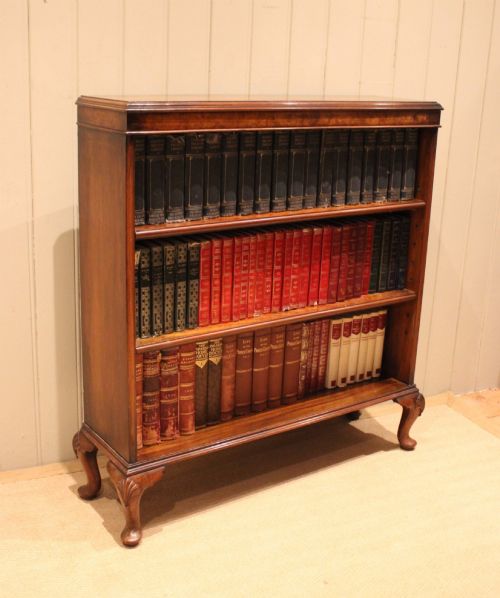
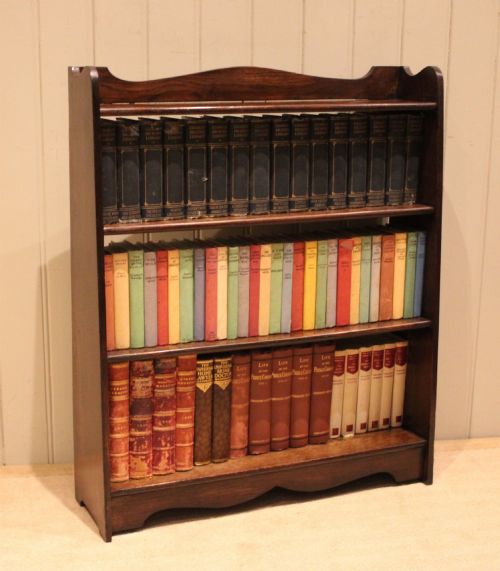
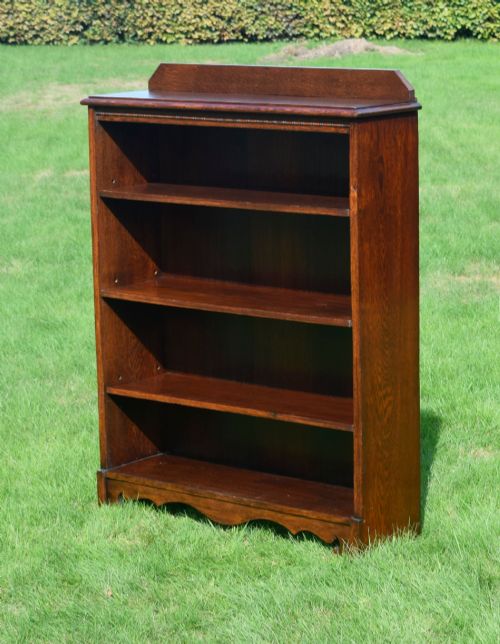
A traditional bookshelf unit organises a room with honest timber and quiet utility, offering accessible storage for a growing library.
Traditional Bookshelf Unit
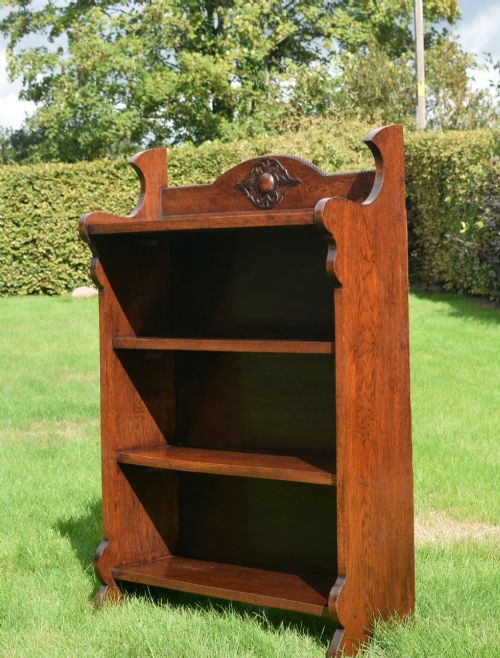
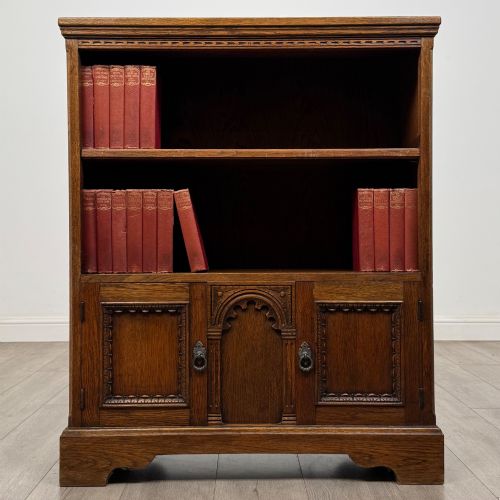
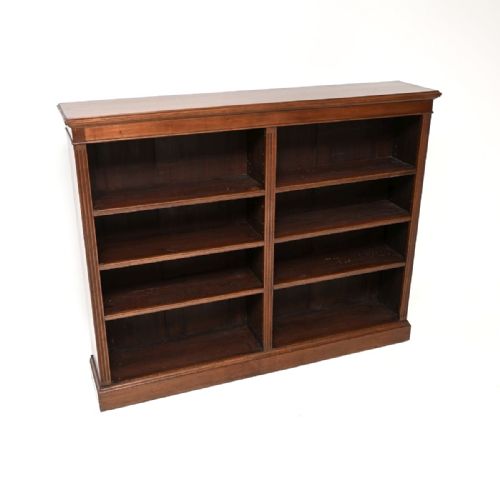
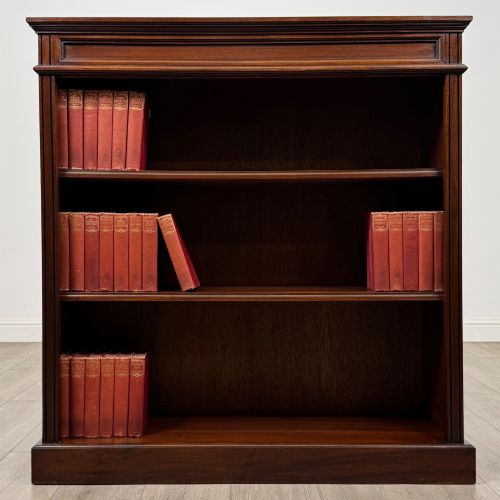
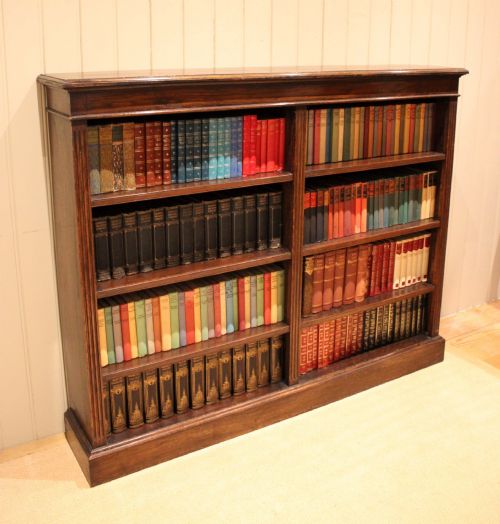
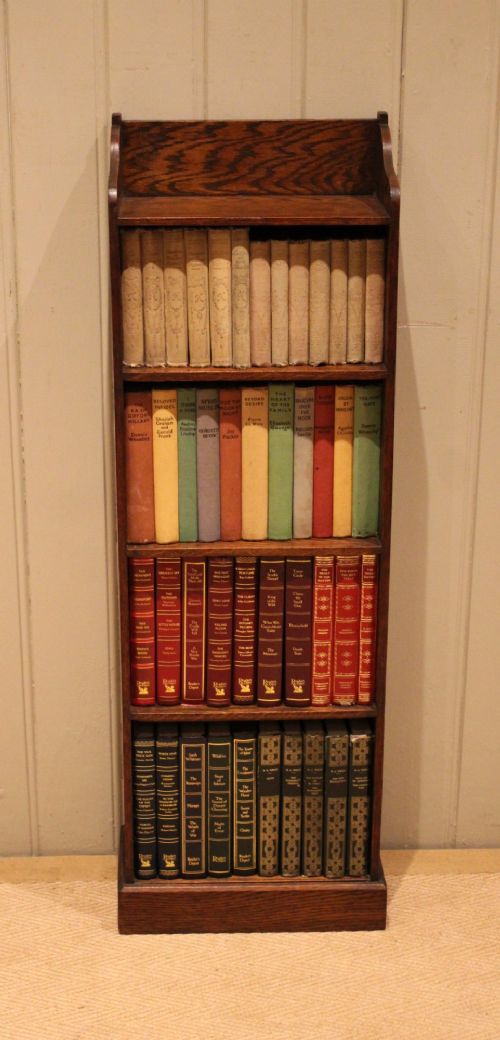
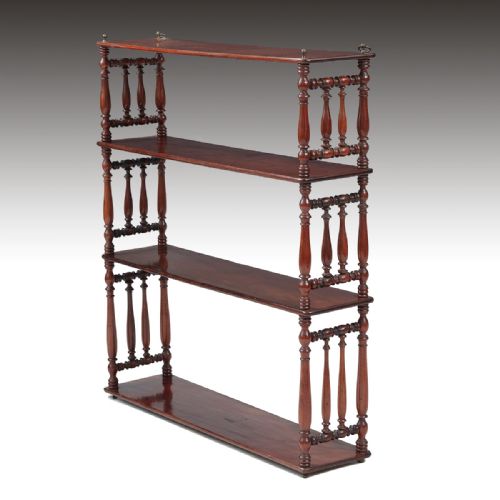
A traditional bookshelf unit brings practical shelving into domestic spaces through open bookcases, hanging shelves, and library bookcases. These pieces originate predominantly from the Victorian and Edwardian eras, stretching from the late nineteenth century into the 1930s. Buyers searching for a traditional bookshelf unit encounter open front formats most frequently, designed for straightforward access to volumes.
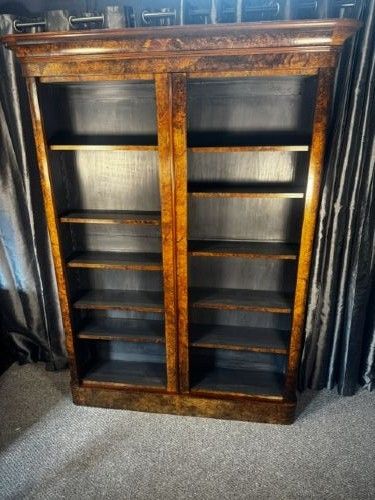
The material selection ranges across oak, mahogany, pine, walnut, and burr walnut, reflecting the standard Cabinet woods of the nineteenth and early twentieth centuries. Pieces span compact small open bookcases and slim variations up to large breakfront library bookcases. Stylistic influences incorporate Jacobean Revival, Queen Anne Revival, Arts and Crafts, and Regency details alongside simple rustic country forms.
Materials and construction methods
Makers constructed traditional bookshelf units primarily using solid oak, mahogany, pine, and walnut, often accentuating surfaces with burr walnut veneers. Timber boards were joined to form sturdy vertical sides and fixed or adjustable horizontal shelves. Metal fixings such as brass appear alongside wooden components.
Many iterations incorporate adjustable shelving systems, allowing owners to alter shelf heights for varying book sizes. Decorative touches include beaded edges, angled frames, and carved revival details. Surfaces were finished with traditional polishing or waxing techniques that protected the wood while highlighting natural grain patterns.
Some nineteenth century pine bookshelves carry decades of old wax that smells faintly of a dusty Victorian study.
Distinctions in craftsmanship and scale
Quality separates standard utilitarian shelving from finer cabinetwork through timber selection and structural complexity. Breakfront designs, multi-section formats, and burr walnut veneers demonstrate higher levels of workshop ambition than plain pine or basic oak carcases. Finer examples integrate sophisticated moulding profiles and well-engineered adjustable shelf mechanisms.
Proportion and scale also dictate distinction within these pieces. Large library bookcases and breakfront configurations require superior joinery to support substantial weight across wide spans without sagging. Smaller rustic items rely on simple charm, whereas formal Edwardian and Victorian pieces show greater refinement in edge treatments and timber matching.
Waring and Gillows
The Traditional Bookshelf Unit Glossary
- Breakfront
- A cabinet or bookcase whose central section projects forward from the flanking sections. This configuration adds architectural depth to larger library pieces.
- Adjustable shelves
- Shelving supported by pegs, ratchets, or metal tracks that allow the height between shelves to be altered. This system accommodates books of varying heights.
- Open bookcase
- A bookcase lacking doors, exposing the book spines directly to the room. This form is common in both Victorian and Edwardian domestic interiors.
- Waterfall bookcase
- A set of shelves where the sides step back progressively from bottom to top, creating a profile resembling falling water. This style gained popularity during the Regency and later revival periods.
- Beaded edge
- A narrow, rounded moulding run along the edge of a shelf or frame. It provides a subtle decorative finish to plain timber surfaces.
Traditional Bookshelf Unit: Frequently Asked Questions
What is a traditional bookshelf unit?
A traditional bookshelf unit is a piece of wooden furniture designed for storing books, typically featuring open shelves rather than glass or solid doors. These pieces date largely from the Victorian and Edwardian periods.
They appear in forms ranging from slim pine shelving to large mahogany and oak library bookcases. Their primary purpose is practical storage combined with period aesthetic character.
How do I adjust the shelves?
Many period bookcases use wooden support strips, metal shelf tracks, or adjustable pins set into the interior sides. You simply lift the shelf and reposition the supports into alternative slots.
Older mechanisms may require careful handling if the wood has settled over decades of use. Check the interior vertical sides for peg holes or ratchets before attempting to move a shelf.
Where should I place a wooden bookcase?
Wooden bookcases require stable indoor environments away from direct sunlight and strong heat sources. Excessive temperature changes cause timber to warp and veneers to lift.
Ensure the unit sits level against a wall, particularly with taller or heavier oak and mahogany library formats. Securing large units to the wall adds stability.
What woods were commonly used?
Oak and mahogany dominate nineteenth and early twentieth century production, alongside pine for utility pieces and walnut for formal rooms. Burr walnut frequently appears on higher grade cabinetwork.
Each timber brings distinct grain patterns and colour variations, from the deep red tones of mahogany to the pale golden hues of early twentieth century oak.