

Victorian White Glass
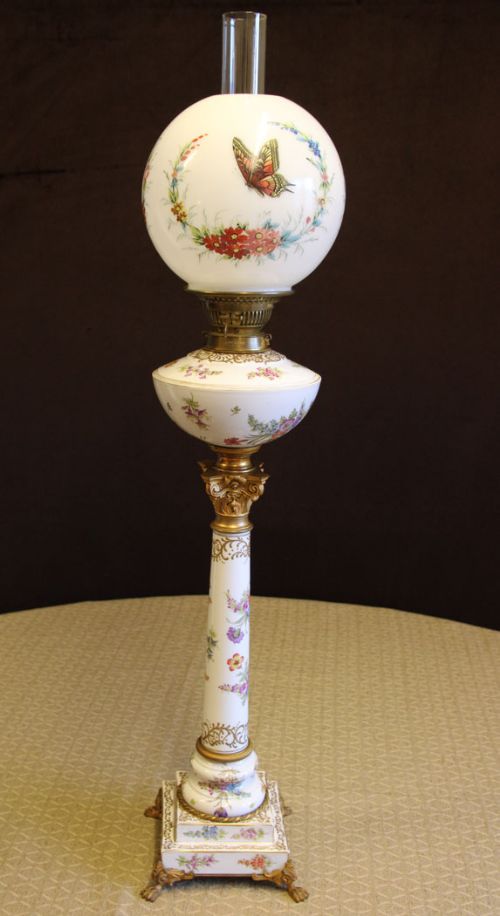
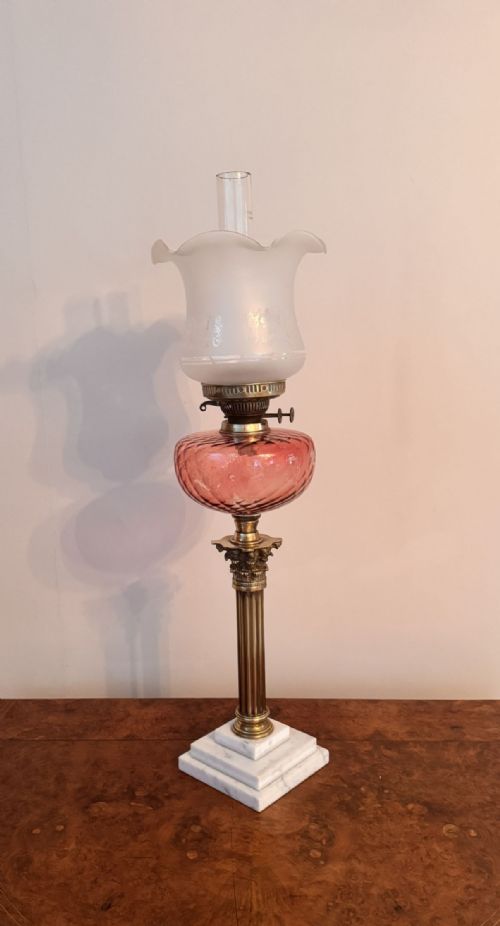
Victorian white glass comprises items ranging from opaline tablewares to painted lustres and oil lamp shades.
Victorian White Glass
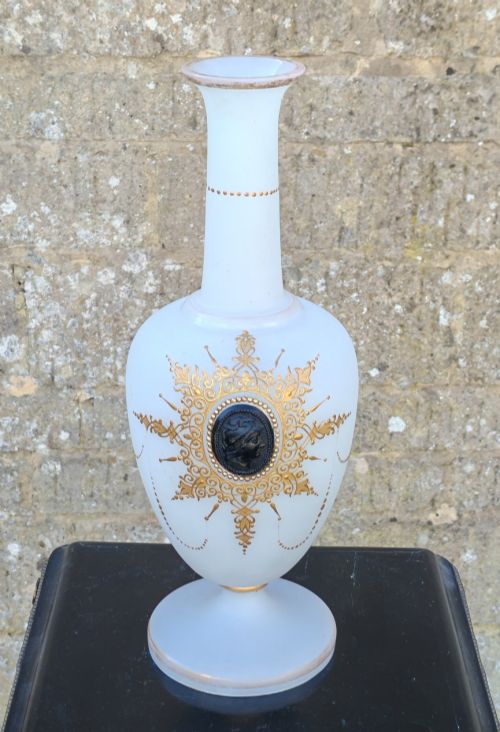
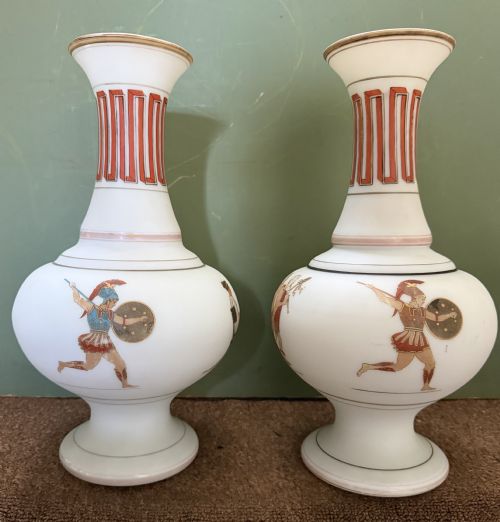
When you search for Victorian white glass, you encounter pieces spanning from the mid-nineteenth century into the early twentieth century. These objects include opaline glass vases, mantel lustres, oil lamp shades, and decorative tablewares.
The material appears in domestic settings in various forms, from plain milk glass vessels to items decorated with enamel painting, gilding, and metal mounts. Many pieces combine glass bodies with brass, white metal, or porcelain elements.
Makers and glasshouses produced items reflecting styles such as Rococo Revival, classical Grecian, and the Aesthetic Movement. The selection on this page shows pieces originating from English, French, and Continental workshops.
How they were made
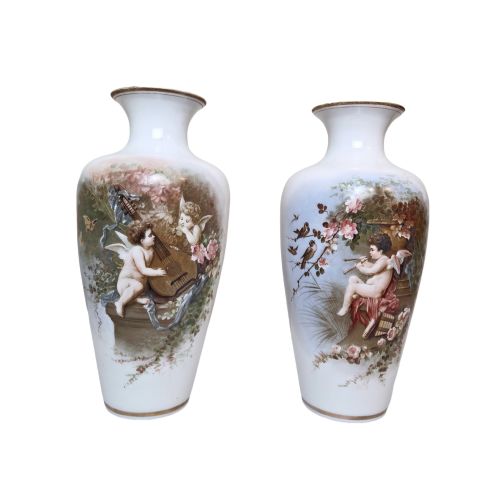
Glassmakers utilised traditional blowing and moulding techniques to shape opaline and cased glass bodies. Artisans frequently applied enamel paint by hand, depicting figures, gardens, or winter scenes directly onto the white surface.
Mounts and fittings in brass, white metal, or silver were often custom-cast and secured to the glass components. Gilding and parcel-gilt details were applied and fired to finish decorative vessels and lamps.
Victorian White Glass Retail Price Guide 2026
Typical asking prices for victorian white glass among the pieces listed under this phrase on Sellingantiques today, from the lower quarter to the upper quarter. They describe what is for sale here now, not the wider market.
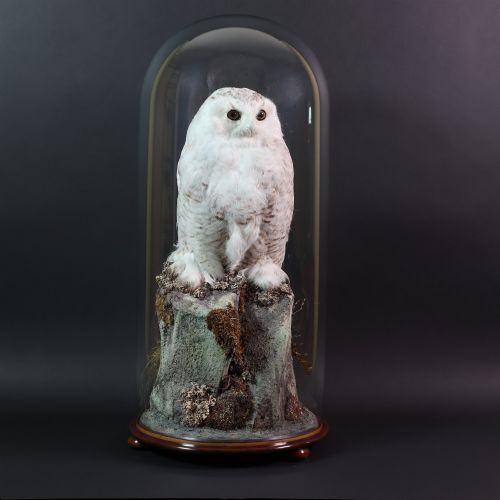
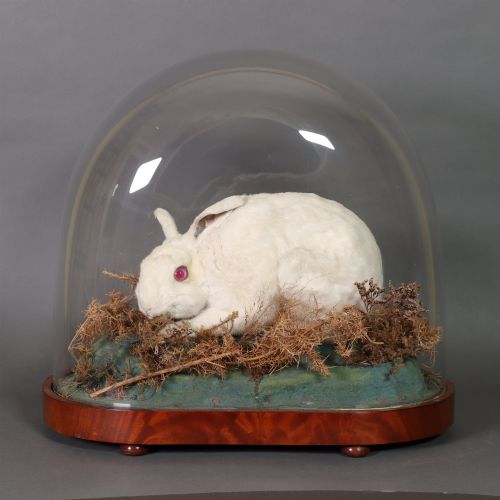
An albino rabbit by James Gardner sits quietly among the glass.
What varies in quality
The standard of hand-painted decoration separates standard production items from finer studio output. Detailed figural work and crisp enamel application indicate higher workmanship by the painter.
The integration of metal mounts and the weight of the glass body determine the structural integrity of pieces like oil lamps and lustres. Substantial brass bases and heavier opaline walls distinguish superior examples.
Thomas Webb·Baccarat·Sitzendorf·James Gardner
The Victorian White Glass Glossary
- Opaline glass
- An opaque or translucent pale glass, often white, developed in France and popular throughout the nineteenth century for decorative items and tableware.
- Mantel lustre
- A decorative glass vase hung with cut glass prisms, designed to be placed on a mantelpiece.
- Decalcomania
- A technique where printed designs are transferred onto glass or ceramic surfaces and then sealed.
- Latticinio
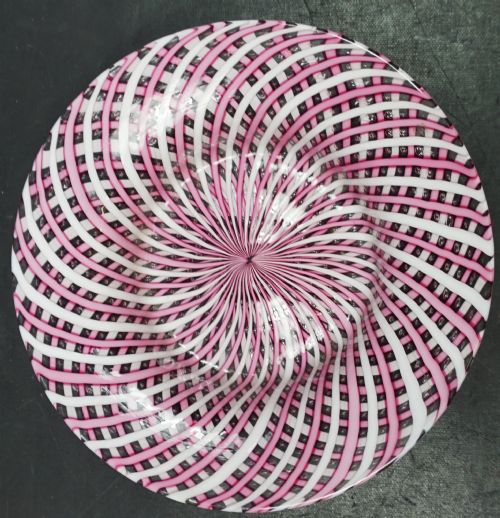
- Glassware incorporating opaque white or coloured glass threads arranged in spiral or latticed patterns within clear glass.
- Cased glass
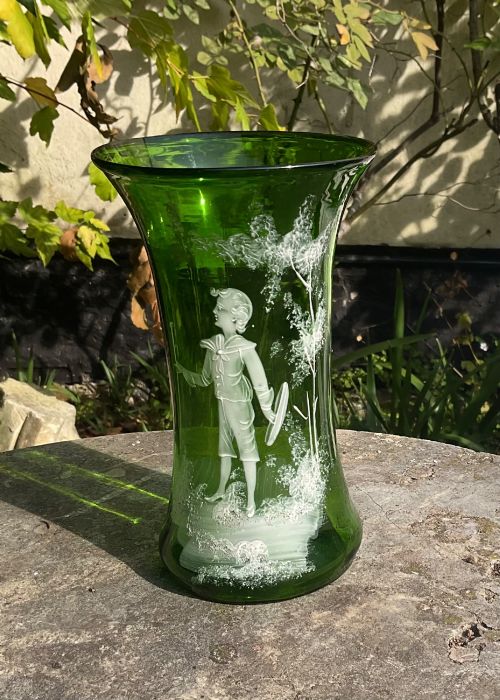
- Glass formed of two or more distinct layers of different colours, sometimes cut back to reveal the underlying layer.
Victorian White Glass: Frequently Asked Questions
What is Victorian white glass?
Victorian white glass refers to opaque and opaline glass items produced during the nineteenth and early twentieth centuries. These pieces encompass decorative vases, lamp shades, and mantel lustres.
Many examples feature hand-painted floral or figural enamel decoration, sometimes combined with brass or porcelain mounts.
How were opaline glass vases used?
Opaline glass vases served as decorative mantel ornaments or table centerpieces in Victorian homes. Their opaque finish made them suitable for displaying fresh cut flowers.
Larger vessels and pairs of mantel lustres were positioned prominently in drawing rooms to reflect candlelight.
How do I identify French opaline glass?
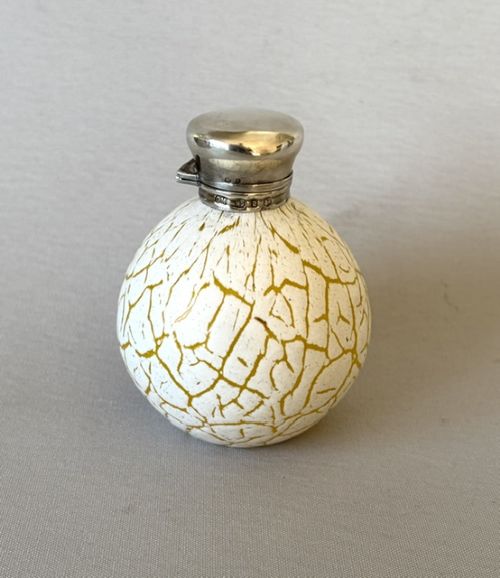
French opaline pieces often exhibit fine gilding, delicate enamel painting, and subtle pastel colour accents around rims or handles. Common forms include vases, scent bottles, and small trinket containers.
Many originate from mid-nineteenth-century Parisian workshops and glasshouses.
Are oil lamp shades interchangeable?
Oil lamp shades were produced in specific sizes to fit standard brass burner collars. Interchangeability depends on the fitter diameter at the base of the glass shade.
Opaline and painted glass shades were widely used on Victorian and Edwardian table lamps.