




Victorian Watch Chain Pendant
These Victorian watch chain pendant pieces are conversion pieces and pocket watch elements worn today as necklaces, offering tactile links to the nineteenth century.
Victorian Watch Chain Pendant
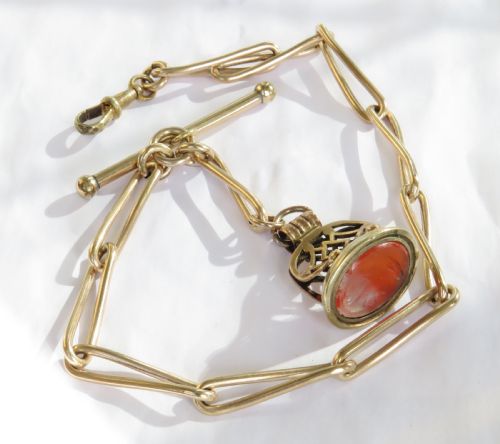
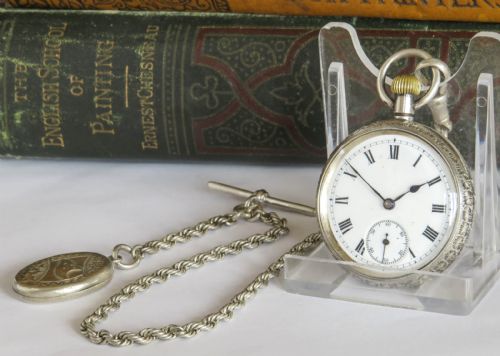
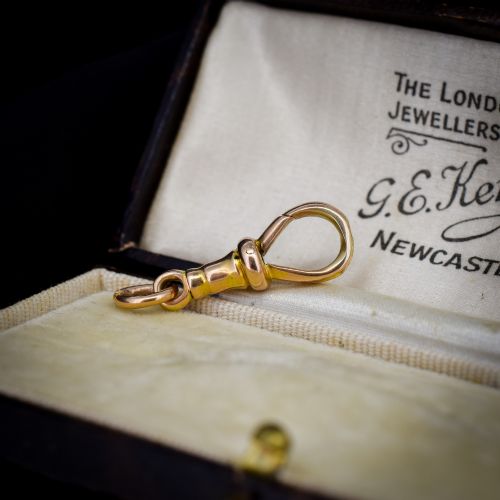
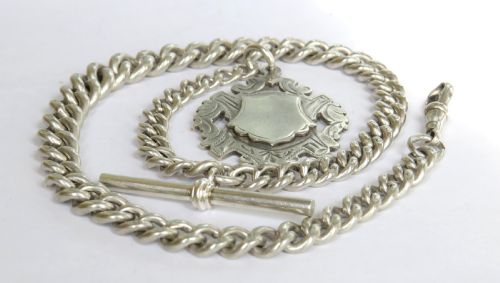
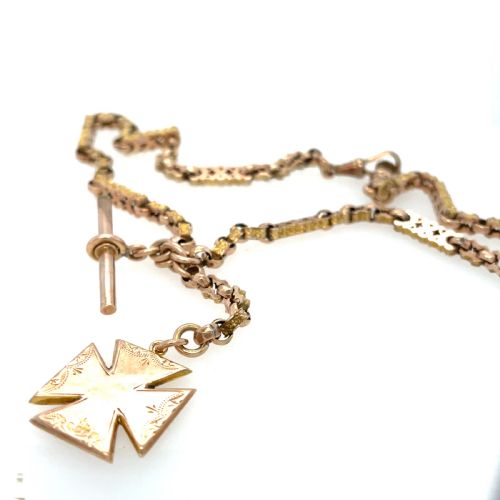
When you search for a Victorian watch chain pendant, you encounter items originally designed to secure pocket watches, such as albert chains, dog clips, T-bars, and fobs. These components are now frequently repurposed as necklaces and charms, preserving their original mechanical fastenings.
The selections span the nineteenth century and into the early twentieth century, incorporating periods from the Georgian era through to the Edwardian period and the 1920s. You find both solid precious metals and rolled gold constructs.
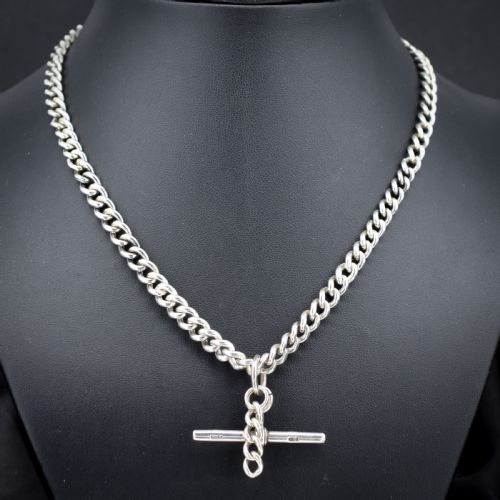
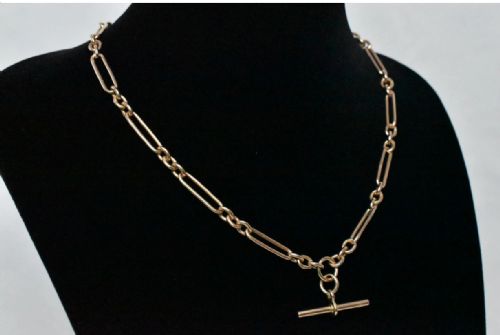
Forms include uniform curb link chains, trombone chains, and individual pendants set with stones like carnelian and amethyst. Many retain their functional clasps and swivel dog clips, which make them ready to wear as modern jewellery.
How they were made
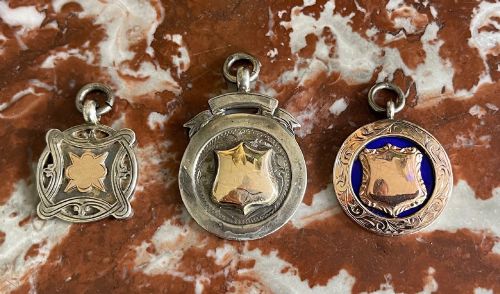
Goldsmiths and silversmiths utilised sterling silver and various carats of gold, including nine carat rose gold, fifteen carat yellow gold, and eighteen carat yellow gold, alongside rolled gold. These metals were drawn into wire, hammered, and linked by hand into robust curb or trombone patterns.
Stone fobs feature natural minerals such as carnelian and amethyst, shaped and polished to fit securely into metal bezels. Enamel work and hallmarking stamped directly onto the silver and gold components complete the fabrication process.
What varies in quality
The distinction between standard examples and superior ones lies in the weight of the metal and the integrity of the links. Heavy gauge chains and fully articulated swivel dog clips demonstrate a higher grade of original manufacture.
Subtleties in engraving, the depth of hallmarking, and the quality of the stone cutting separate mass-produced items from bespoke pieces. The survival of matching T-bars and original fobs intact adds considerable integrity to the item.
Joseph Bladon
The Victorian Watch Chain Pendant Glossary
- Albert chain
- A type of pocket watch chain designed to be worn across a waistcoat or attached to a garment. Named after Prince Albert, these chains often support a T-bar and dog clips.
- T-bar
- A transverse bar attached to the centre of a watch chain. It was slipped through a buttonhole to secure the watch.
- Dog clip
- A spring-loaded swivel clasp used to attach a pocket watch or pendant to a chain. This mechanism allows the attached item to rotate freely without twisting the link.
- Fob
- A small ornament or seal attached to a watch chain. These often incorporate hardstones like carnelian or serve as functional items such as sovereign cases and strikers.
Victorian Watch Chain Pendant: Frequently Asked Questions
What is a watch chain pendant?
A watch chain pendant is typically an element originally created for pocket watch wear, such as a fob, dog clip, or T-bar, now worn as a necklace charm.
These items derive from nineteenth and early twentieth century gentleman's accessories that have been adapted for contemporary jewellery use.
How do I wear an albert chain?
An albert chain can be fastened around the neck using its original dog clip and loop, transforming a pocket watch chain into a substantial necklace.
Many pieces retain their central T-bar, which hangs as a decorative feature when worn in this manner.
What metals were used?
The pieces utilise sterling silver, silver, rolled gold, and various carats of yellow and rose gold. Hallmarks often stamp the specific metal purity and assay office.
Some items combine these precious metals with hardstones like carnelian and amethyst, or incorporate enamel details.
Are these items antique?
The listings encompass items from the Georgian period, the Victorian era, the Edwardian period, and up through the 1920s. They represent genuine historical artefacts from the nineteenth and early twentieth centuries.
Assay marks and stylistic conventions help date the individual chains, fobs, and pendants.