


Victorian Washstand Cabinet
A victorian washstand cabinet brings nineteenth century utility and fine timber into the modern bedroom or bathroom.
Victorian Washstand Cabinet
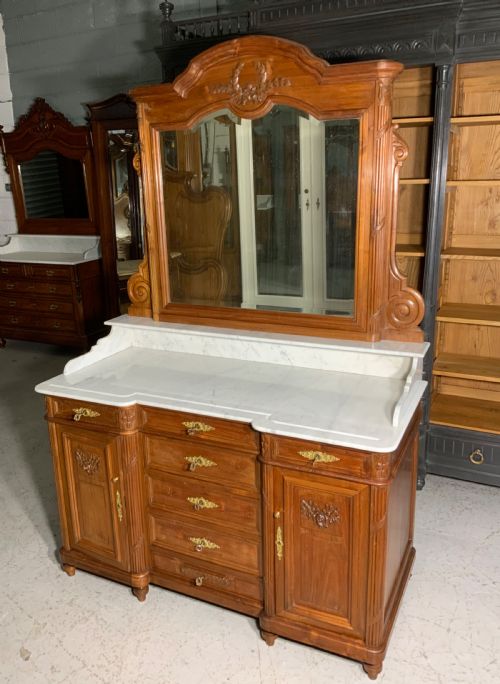
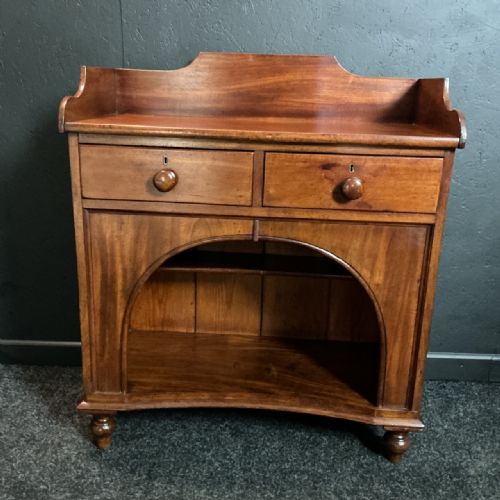
A victorian washstand cabinet is a practical piece designed for personal hygiene before plumbed bathrooms became standard in every home. These items combine enclosed storage for chambers or basins with surfaces built to withstand daily use. The pieces seen here span the nineteenth century and into the early twentieth, reflecting changing domestic habits.
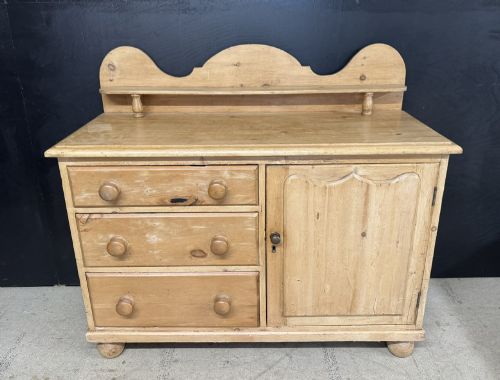
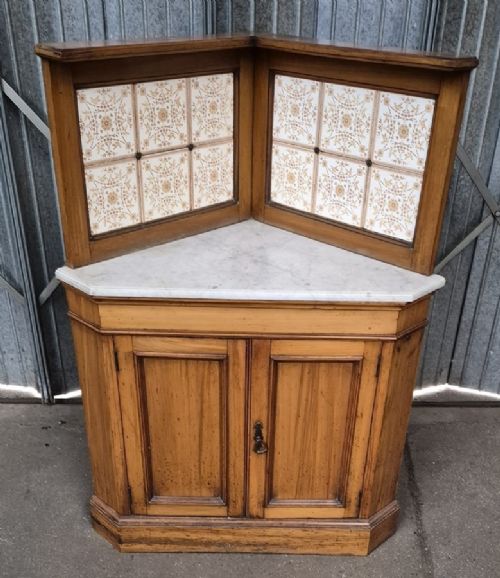
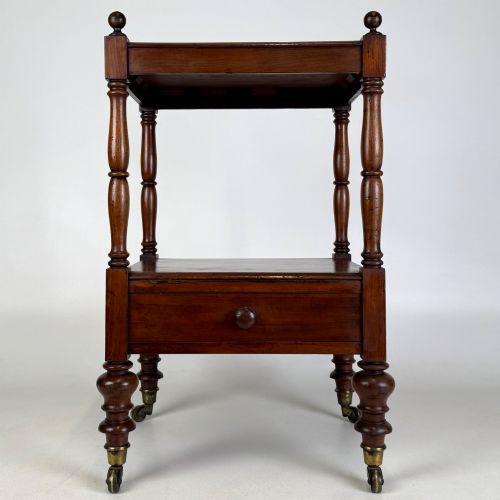
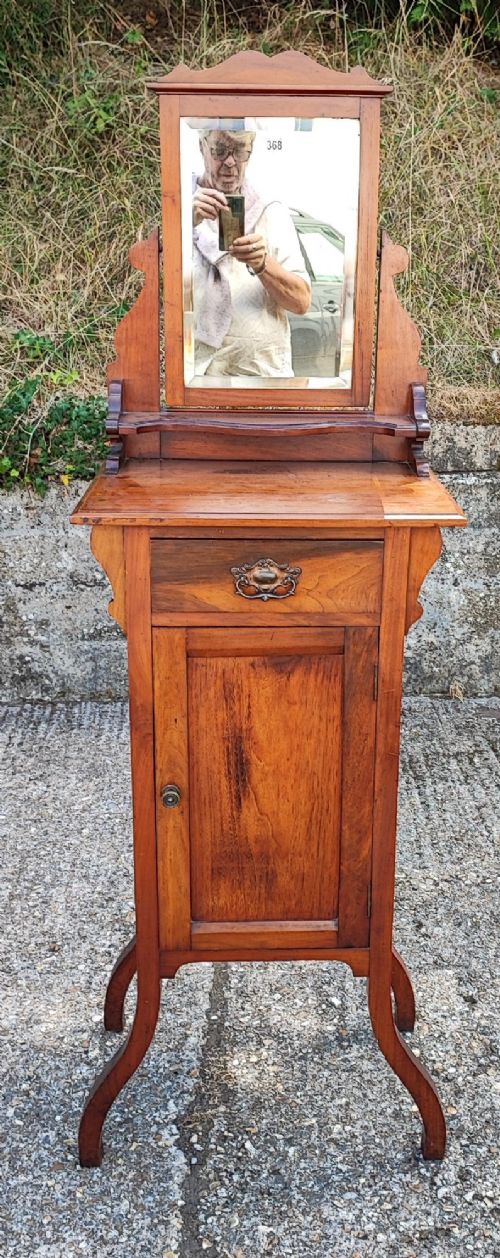
Most examples encountered on this page date from the Victorian period, though Edwardian and Georgian pieces also appear. Forms range from corner units and bow-fronted designs to cupboards with marble tops and tiled backs. Alongside standard washstands, makers produced related items such as pot cupboards, bedside tables and dressing cabinets.
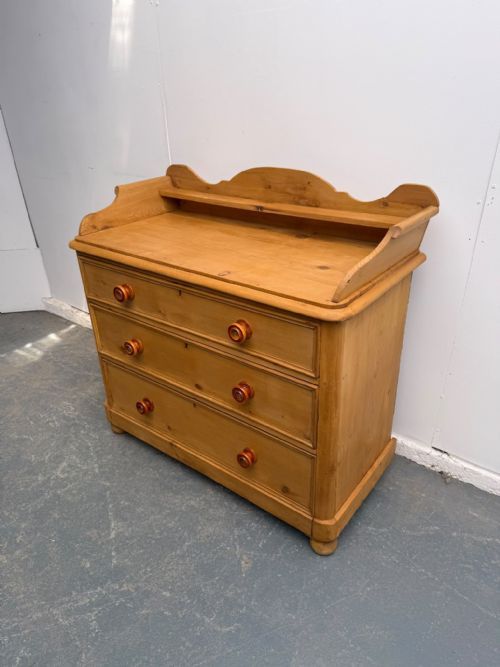
Makers utilised a variety of timbers including mahogany, walnut, pine, satinbirch and bird's-eye maple. Some pieces reflect specific design movements such as Arts and Crafts, Aesthetic Movement, Gothic Revival or French Rococo Revival. These stylistic influences dictate whether a cabinet presents simple rustic charm or intricate marquetry inlay.
Materials and Construction
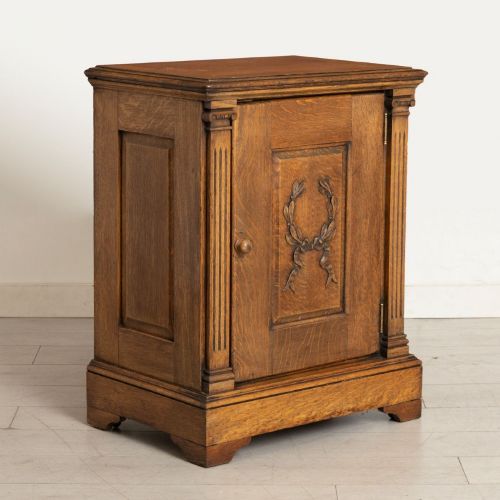
Cabinet makers built these pieces using solid timbers like mahogany, walnut and pine, often applying veneers of figured woods or exotic grains to door panels and drawer fronts. Carcass construction relied on traditional joinery to ensure stability in damp washroom environments. Brass handles, hinges and towel rails completed the functional hardware.
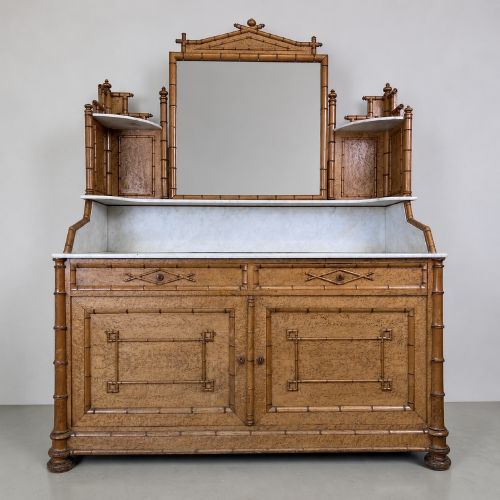
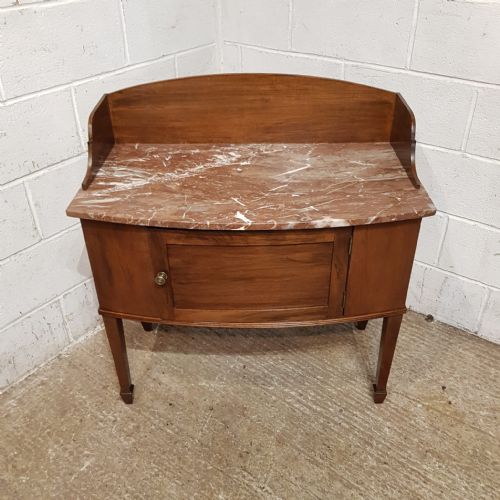
The integration of stone represents a defining feature of the better washstand cabinets. Slabs of white, grey or rouge marble provided a durable, waterproof surface for jugs and basins, supported by heavy timber frames. Glass mirrors, ceramic tiles and decorative brass fittings frequently accompanied these stone tops.
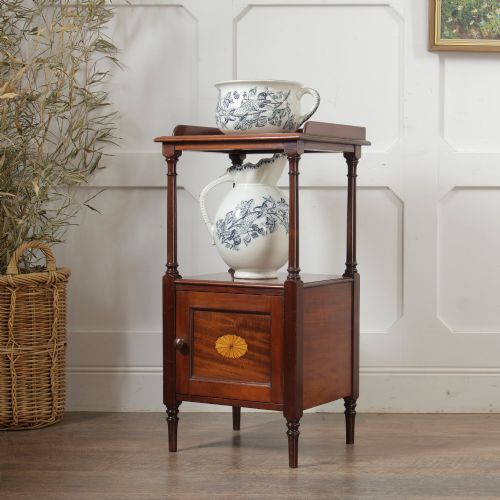
Inlaid details, marquetry and carved mouldings distinguished finer examples from utilitarian pieces. Cabinetmakers employed satinwood stringing, floral inlay and turned faux-bamboo turning to satisfy contemporary tastes. Waxed or polished finishes protected the timber while highlighting the natural grain.
Some nineteenth century ship washstands were built compact enough to brave stormy seas without spilling a single drop of wash water.
Judgement of Quality
Quality rests upon the selection of timber and the ambition of the design. Walnut with floral marquetry or figured mahogany signifies a higher tier of cabinet making compared to utilitarian pine. The presence of dense, unblemished marble slabs and original hardware elevates a piece above standard domestic furniture.
The precision of the joinery and the sophistication of stylistic details separate ordinary utility items from superior examples. Pieces associated with notable cabinet makers or specific aesthetic movements demonstrate greater refinement in proportion and carving. Original fittings and intact mirrors indicate a high standard of preservation.
Walker and Sons·Gillows·J Shoolbred
The Victorian Washstand Cabinet Glossary
- Marquetry
- Decorative veneer work arranged in pictorial patterns using various coloured woods. This technique adorned the finest Victorian walnut cabinets.
- Pot cupboard
- A small bedside cabinet designed originally to house a chamber pot. These compact cupboards often match the timber and style of larger washstands.
- Faux-bamboo
- Turned timber carved to resemble natural bamboo stalks. It gained popularity during the nineteenth century under the influence of Japanese design.
- Satinbirch
- A pale, lustrous timber derived from the birch tree. Cabinetmakers valued its reflective grain for Victorian bedroom suites.
Victorian Washstand Cabinet: Frequently Asked Questions
What is a victorian washstand cabinet?
A victorian washstand cabinet is a nineteenth century piece of furniture built to hold a wash basin, jug and toiletries before permanent indoor plumbing.
These cabinets usually feature a stone or marble top to protect the wood from water splashes, with enclosed storage underneath for chamber pots and personal items.
How were marble tops used?
The marble top provided a completely waterproof and hygienic surface for washing routines.
Owners placed ceramic basins, water jugs and soap dishes directly onto the stone without risking water damage to the underlying timber.
Can I use one in a modern bathroom?
Many buyers adapt these cabinets for modern bathrooms by mounting contemporary basins on top or using the interior storage for toiletries.
The durable marble tops and enclosed cupboards make them practical for contemporary homes while retaining period character.
How do I spot an aesthetic style piece?
Aesthetic style washstands often display simpler geometric lines, ebonised details or Japanese-inspired hardware.
These pieces broke away from heavy Victorian ornamentation in favour of artistic refinement and lighter woods.